Pregnant Onion Live Plant – Albuca bracteata Houseplant, Green, 2+ Pups, Indoor
-50%
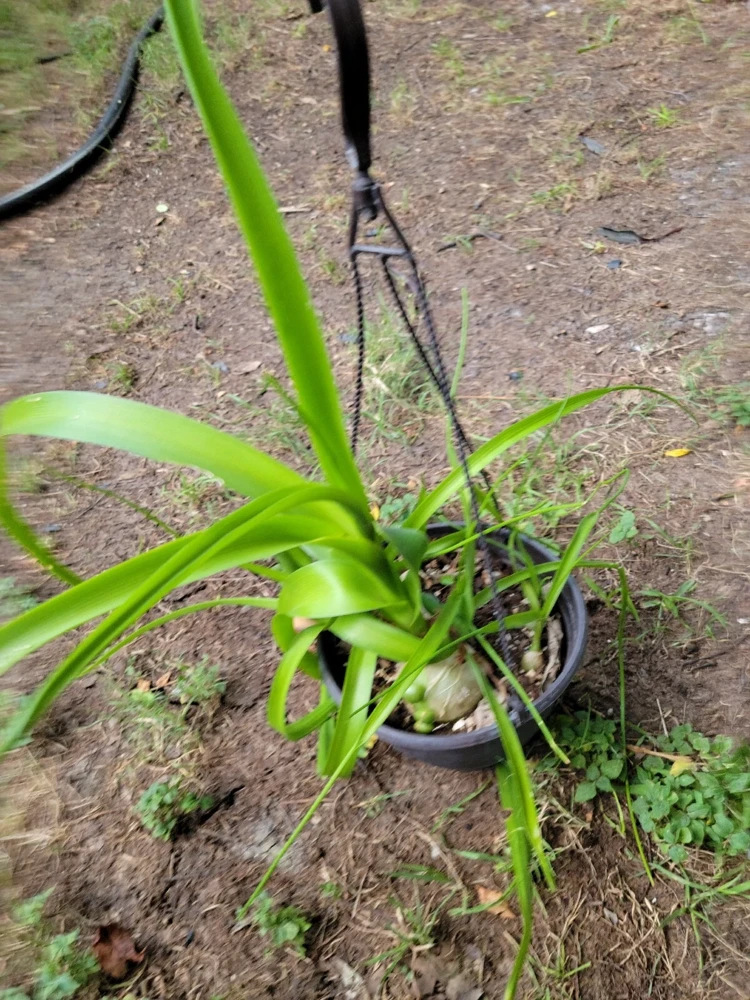
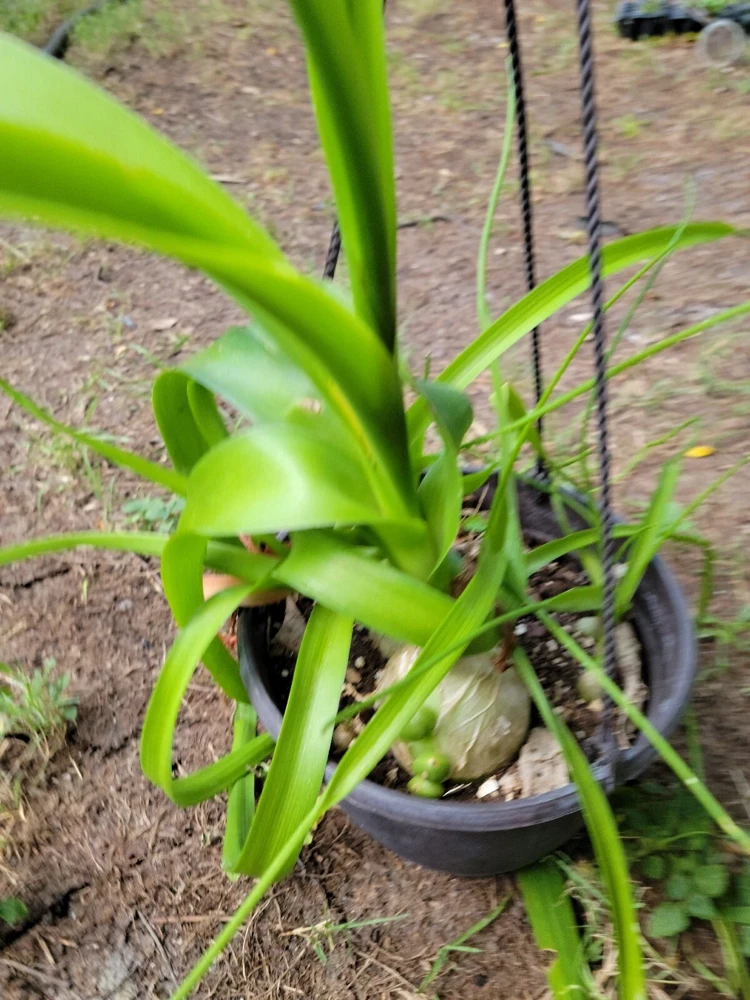
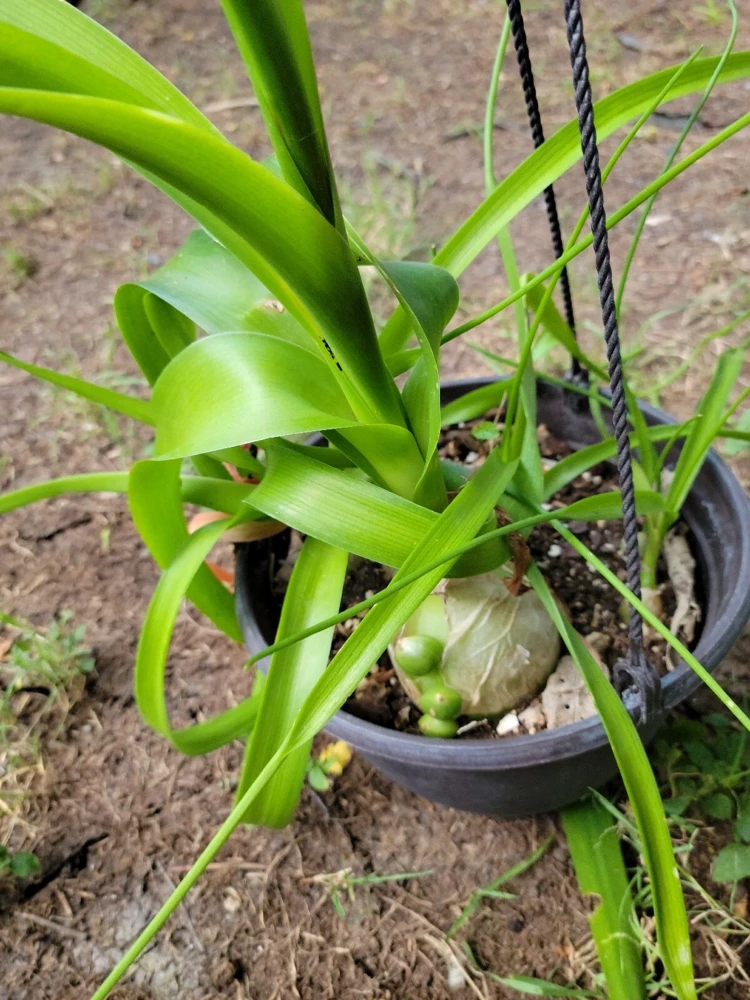
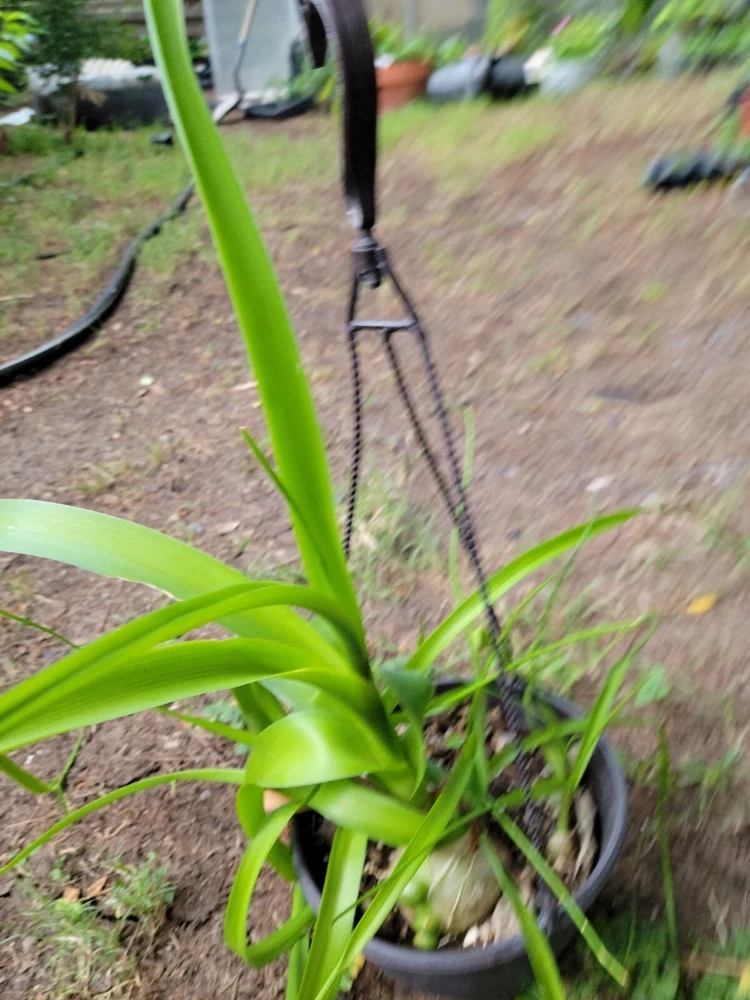
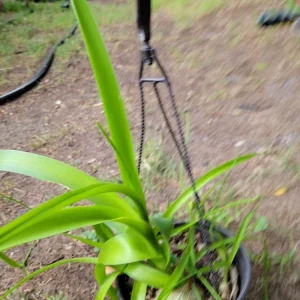
Pregnant Onion Live Plant – Albuca bracteata Houseplant, Green, 2+ Pups, Indoor
Bring home a unique pregnant onion live plant, also known as Albuca bracteata or false sea onion plant. This fascinating succulent is easy to care for, perfect for indoor environments, and known for its distinctive bulb that produces small ‘pups.’ Enjoy its evergreen foliage and long lifespan.
Original price was: $140.00.$70.00Current price is: $70.00.

With our Alive & Thrive Guarantee, we’ve got your back for the first 30 days! If you have any concerns about your plants, just reach out to us. Our team is here to help answer your questions and guide you in selecting the best plants for your garden, climate, and unique preferences. We're excited to help you create the garden of your dreams!
Estimated arrival
Oct 08
Oct 13 - Oct 15
Oct 18 - Oct 22

Product Details
-
USDA Hardiness Zone
11 (40 to 50 °F) or Indoor -
Soil type
Loam, well-draining succulent mix -
Sunlight Exposure
Full Shade (indoors: bright indirect light) -
Expected Planting Period
Year-round indoors
Overview
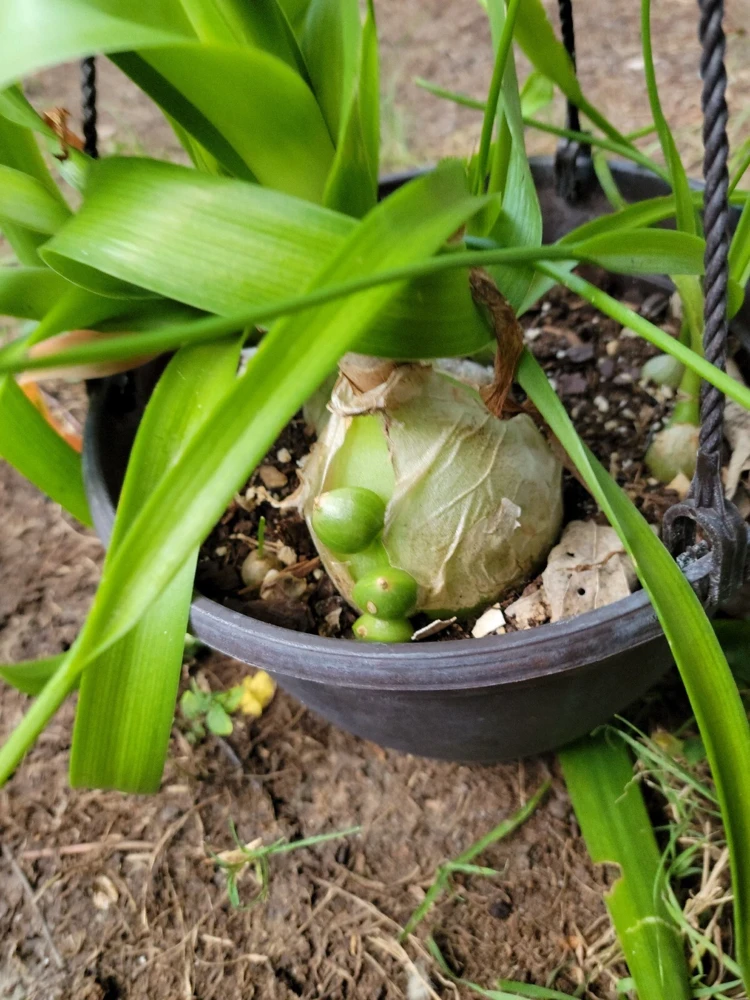
Introduce a truly unique botanical specimen into your home with the pregnant onion live plant. This intriguing succulent, scientifically known as Albuca bracteata, is also commonly referred to as the false sea onion plant or ‘Cebolla de la prosperidad’ in some cultures. What makes this plant so captivating is its prominent, green bulb that sits atop the soil, constantly producing smaller ‘pups’ or offsets around its base, giving it the whimsical name ‘pregnant onion.’ Originating from South Africa, this resilient and low-maintenance houseplant is perfect for both seasoned plant enthusiasts and beginners alike. Its distinctive appearance and easy-care nature make it a standout addition to any indoor plant collection, providing year-round interest and a touch of the exotic.
The Albuca bracteata is a bulbous perennial that thrives indoors, offering strap-shaped, lanceolate leaves that emerge gracefully from the bulb. Unlike many succulents, its charm lies not in vibrant flowers but in its unusual growth habit and the constant propagation of new plantlets. This steady production of ‘pups’ is not only visually interesting but also provides an easy way to share new plants with friends and family. A mature pregnant onion live plant can become quite a conversation starter, showcasing nature’s intriguing reproductive processes right in your living space. It’s a plant that promises a long life and continuous fascination.
Key Benefits
The pregnant onion live plant offers a range of benefits that make it an excellent choice for indoor gardening. Its unique characteristics contribute to its appeal and ease of integration into various home environments.
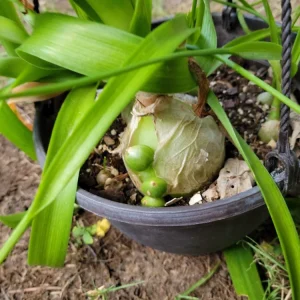
- Unique Ornamental Appeal: The most striking feature is the bulb, which sits on the soil surface and produces numerous small offsets, resembling a ‘pregnant’ onion. This unusual growth habit makes it a fascinating focal point and a great conversation starter in any room.
- Low Maintenance: This succulent is incredibly forgiving and requires minimal attention, making it ideal for busy individuals or those new to plant care. Its drought-tolerant nature means it won’t suffer if you occasionally forget to water it.
- Easy Propagation: The plant naturally produces ‘pups’ (small bulbils) around its base, which can be easily removed and replanted to create new plants. This makes propagating the Albuca bracteata simple and rewarding, allowing you to expand your collection or share with others.
- Adaptable to Indoor Conditions: The false sea onion plant thrives indoors, adapting well to typical household temperatures and light conditions. It’s an excellent choice for windowsills, desks, or hanging planters where its unique form can be admired.
- Evergreen Foliage: Enjoy lush, green strap-shaped leaves all year round. The foliage adds a touch of natural beauty to your indoor space, providing consistent greenery regardless of the season.
- Long Lifespan: Known for its resilience, the pregnant onion live plant can live for many years with proper care, becoming a long-term fixture in your plant collection. This longevity contributes to its appeal as a cherished houseplant.
- Air Purification (Minor): Like many houseplants, it contributes to slightly improving indoor air quality by absorbing some toxins, adding to a healthier living environment.
Plant Care & Growing Tips
Caring for your pregnant onion live plant is straightforward, making it a joy for both novice and experienced plant enthusiasts. This resilient succulent is well-suited to indoor environments and can thrive with minimal attention.
Sunlight Requirements: The Albuca bracteata prefers bright, indirect light. Place it near a sunny window where it can receive several hours of light each day, but avoid harsh, direct afternoon sun which can scorch its leaves. A north or east-facing window is often ideal. If placed outdoors in appropriate zones, partial shade is recommended, especially during the hottest parts of the day.
Watering Schedule: As a succulent, the false sea onion plant is drought-tolerant. Water thoroughly when the soil is completely dry to the touch, then allow it to dry out again before the next watering. Overwatering is the most common cause of problems, leading to bulb rot. In winter, reduce watering significantly, perhaps once a month or less, as the plant enters a semi-dormant phase. Always ensure excellent drainage.
Soil Type and Drainage: This plant thrives in well-draining soil. A standard succulent or cactus potting mix is perfect. If using a general potting mix, amend it with perlite, pumice, or coarse sand to improve drainage. A neutral soil pH is preferred. Ensure the pot has drainage holes to prevent waterlogging, which is crucial for the health of the bulb.
Temperature Range and USDA Hardiness Zone: The pregnant onion live plant is best grown indoors in most climates. It prefers temperatures between 60-75°F (15-24°C). It is hardy in USDA Hardiness Zone 11 (40 to 50 °F) if grown outdoors, but it is typically cultivated as a houseplant where it is protected from cold temperatures. Avoid exposing it to temperatures below 40°F (4°C).
Fertilization: Fertilize sparingly during the growing season (spring and summer) with a balanced liquid fertilizer diluted to half strength. Fertilizing once every 2-3 months is usually sufficient. Avoid fertilizing in fall and winter when the plant’s growth slows. Over-fertilization can lead to leggy growth and damage to the roots.
Common Problems and Solutions: The main issue to watch for is overwatering, which can cause the bulb to rot. If you notice the bulb becoming soft or mushy, reduce watering immediately and check the roots for rot. Mealybugs or scale can occasionally affect the plant; treat with insecticidal soap or neem oil. Ensure good air circulation to prevent fungal issues.
Size & Details
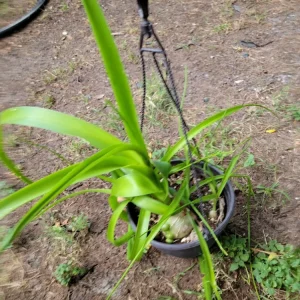
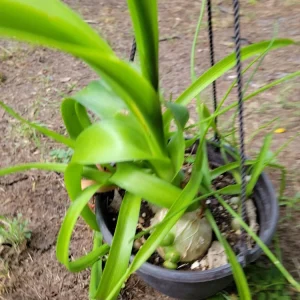
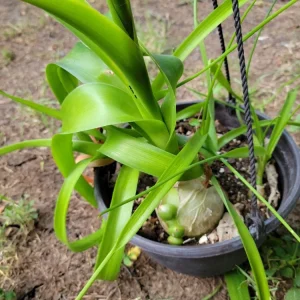
This pregnant onion live plant is typically shipped as a mature seedling, ready to grow and produce its characteristic ‘pups.’ Each plant comes with at least 2 pups already forming or fully developed, offering immediate visual interest and the potential for easy propagation. The distinctive bulb rests on top of the soil, showcasing its unique growth habit. The strap-shaped lanceolate leaves emerge from the bulb, adding to its ornamental appeal. These plants typically grow to a moderate size, making them suitable for various indoor spaces, from windowsills to hanging planters.
The Albuca bracteata has a slow growth rate, meaning it won’t quickly outgrow its space, making it an excellent long-term indoor companion. It is a perennial, offering year-round interest with its evergreen foliage. Expect the plant to continue producing new pups over time, allowing you to propagate and expand your collection. This unique succulent thrives in a pot, making it versatile for display on shelves, desks, or as part of a larger succulent arrangement.
Frequently Asked Questions
- Q: How big does this plant get? A: A mature pregnant onion live plant typically grows to about 12-18 inches tall, with its bulb reaching a few inches in diameter. The overall size depends on growing conditions and pot size, but it generally remains a compact and manageable houseplant.
- Q: What size pot does it come in? A: The plant is shipped as a mature seedling, usually in a nursery pot sufficient for its current growth stage. We recommend repotting into a slightly larger pot (e.g., 4-6 inches) upon arrival to allow for root expansion and pup development.
- Q: Is this an indoor or outdoor plant? A: While the Albuca bracteata can tolerate outdoor conditions in USDA Hardiness Zone 11, it is primarily grown as an indoor houseplant in most regions due to its preference for warmer temperatures and protection from frost.
- Q: How much sunlight does it need? A: This false sea onion plant thrives in bright, indirect light. A spot near an east or north-facing window is ideal. Avoid direct, harsh afternoon sun which can lead to leaf burn and stress.
- Q: Is this plant easy to care for? A: Yes, the pregnant onion live plant is considered very easy to care for, making it an excellent choice for beginners. Its drought-tolerant nature and minimal needs contribute to its low-maintenance reputation.
- Q: What condition will it arrive in? A: Your Albuca bracteata will arrive as a healthy, mature seedling, carefully packaged to ensure its safe transit. It will be ready to be placed in its new home and begin thriving.
- Q: Is it shipped in soil? A: Yes, the plant is typically shipped in a small amount of soil within its nursery pot to keep it hydrated and stable during transit. We recommend gently repotting it upon arrival.
- Q: How often should I water my pregnant onion plant? A: Water only when the soil is completely dry to the touch. This succulent prefers to dry out between waterings. Reduce watering significantly during the cooler, darker months to prevent rot.
- Q: Can I propagate new plants from the pups? A: Absolutely! The ‘pups’ are small bulbils that can be gently removed from the mother plant and planted in their own well-draining soil. This is a very easy and rewarding way to create new false sea onion plant specimens.
- Q: What is the best soil type for this plant? A: A well-draining succulent or cactus potting mix is ideal for the pregnant onion live plant. You can also amend regular potting soil with perlite or coarse sand to improve drainage.
Related products
-36%
Original price was: $39.00.$25.00Current price is: $25.00.
-5%
Original price was: $91.98.$87.38Current price is: $87.38.
-35%
Original price was: $72.52.$47.14Current price is: $47.14.
PLANTING & CARE
Lemon Tree Growing: Choose, Plant, and Harvest
Learn how to choose, plant, feed, and protect a lemon tree so it fits your
23
Sep
Sep
Dwarf Meyer Lemon Tree Australia: Climate Guide
Learn where dwarf Meyer lemon trees grow, how much cold they tolerate, and whether Australia,
Where to Buy a Dwarf Meyer Lemon Tree: Buyer’s Guide
Find the right dwarf Meyer lemon tree online or locally, compare starter sizes and costs,
Dwarf Meyer Lemon Tree for Sale: Buying Guide
Compare Meyer lemon tree sizes, prices, shipping limits, indoor growing and California options before you
Dwarf Meyer Lemon Tree Guide: Size, Care and Fruit
META: Learn how large a dwarf Meyer lemon tree grows, where it thrives, and how
How to Prune a Dwarf Meyer Lemon Tree
Learn when and how to prune a dwarf Meyer lemon tree, including tools, shaping cuts,
Can You Grow a Dwarf Meyer Lemon Tree in a Pot?
META: Learn how to grow a dwarf Meyer lemon tree in a pot, including container
When Do Dwarf Meyer Lemon Trees Bloom and Fruit?
META: Dwarf Meyer lemon trees usually bloom from winter through spring and may flower again