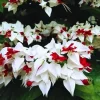
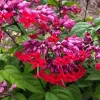
Purple Bleeding Heart Clerodendrum Live Vine Plant – 4-8 Inch Tall, Outdoor
-50%
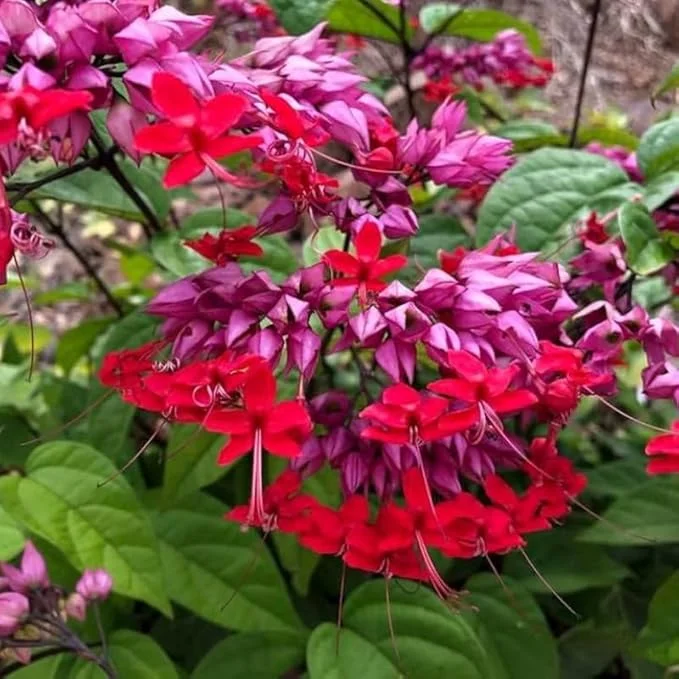
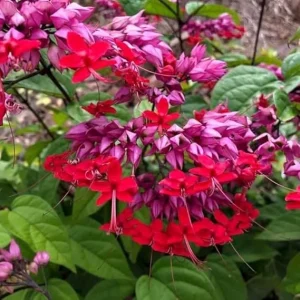
Purple Bleeding Heart Clerodendrum Live Vine Plant – 4-8 Inch Tall, Outdoor
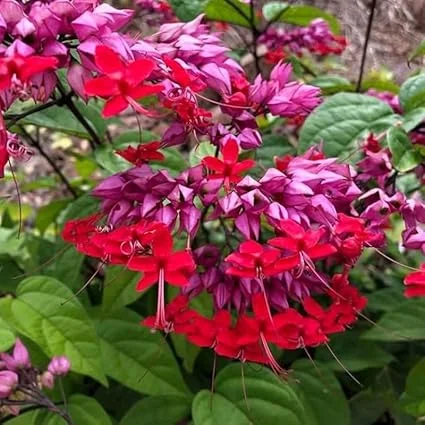
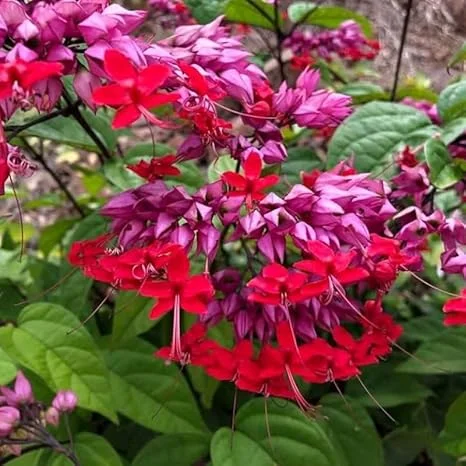
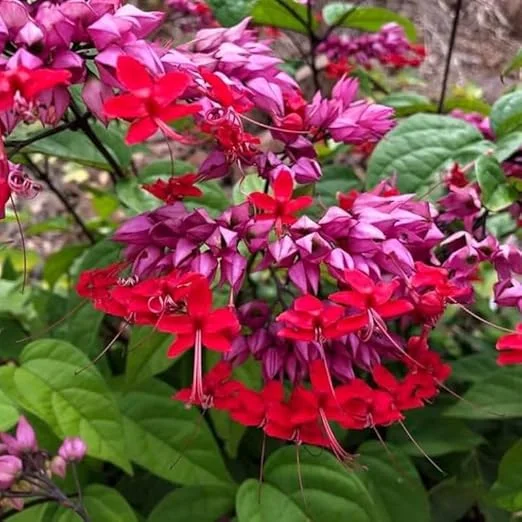
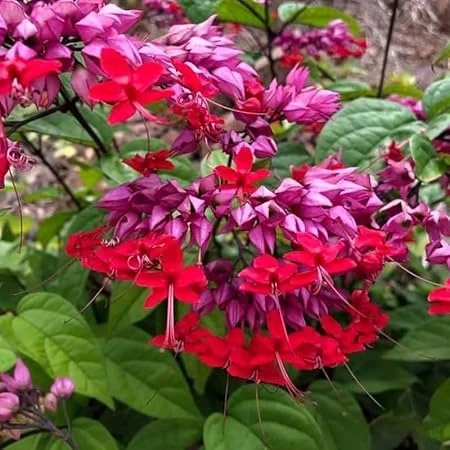
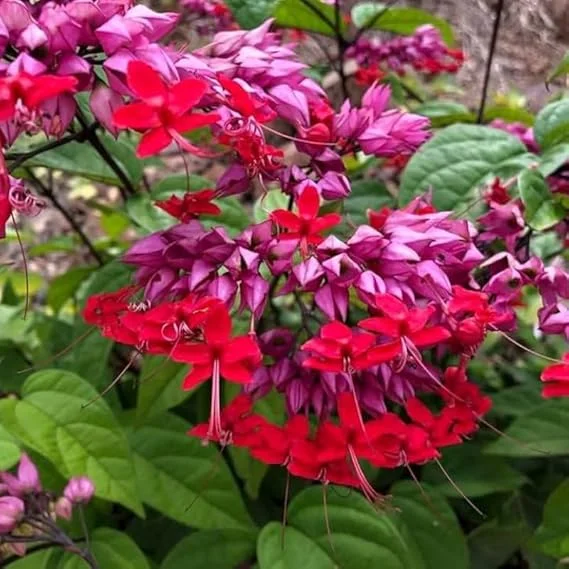
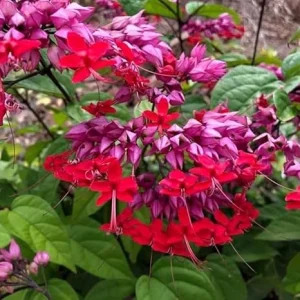
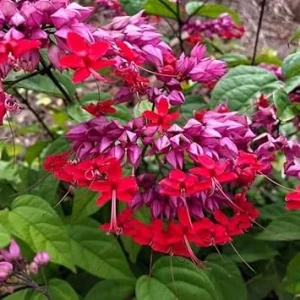
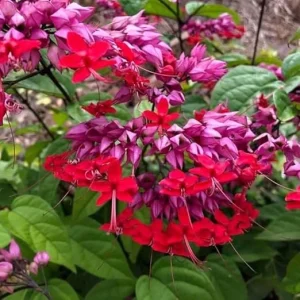
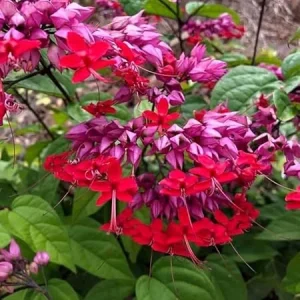
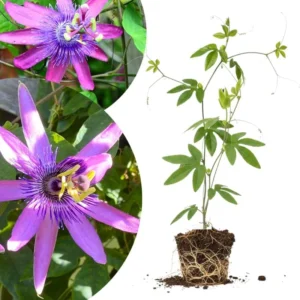
Bring vibrant color to your garden with a purple bleeding heart clerodendrum live plant. This fast-growing, low-maintenance vine produces clusters of showy, light bulb-shaped flowers. Ideal for outdoor planting, it thrives in full sun and adds a stunning vertical accent to any landscape.
Original price was: $37.98.$18.99Current price is: $18.99.

With our Alive & Thrive Guarantee, we’ve got your back for the first 30 days! If you have any concerns about your plants, just reach out to us. Our team is here to help answer your questions and guide you in selecting the best plants for your garden, climate, and unique preferences. We're excited to help you create the garden of your dreams!
Estimated arrival
Mar 22
Mar 27 - Mar 29
Apr 01 - Apr 05

Product Details
-
USDA Hardiness Zone
USDA zones 9-11 -
Soil type
Well-draining soil enriched with organic matter -
Sunlight Exposure
Full sun to partial shade -
Expected Planting Period
Spring to early summer
Overview
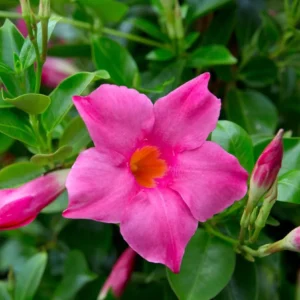
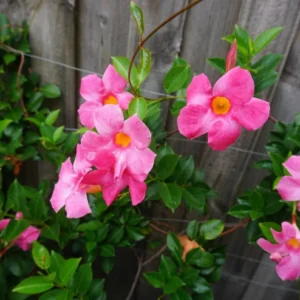
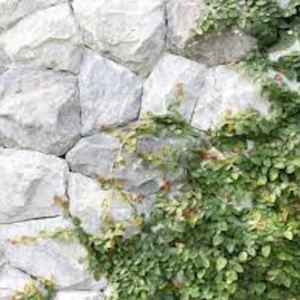
Transform your outdoor space with the enchanting beauty of a purple bleeding heart clerodendrum live plant. This exquisite vine, scientifically known as Clerodendrum thomsoniae, is prized for its unique and abundant blooms that resemble delicate light bulbs before unfurling into spectacular purple and red flowers. Originating from tropical West Africa, this vigorous climber is a showstopper, perfect for adding a touch of exotic elegance to trellises, arbors, or cascading over walls. As a fast-growing and relatively low-maintenance plant, it’s an excellent choice for both experienced gardeners and those looking to introduce a vibrant, flowering specimen into their landscape. Its trailing habit makes it versatile, whether used as a focal point or to create a lush, living backdrop.
Key Benefits
The purple bleeding heart clerodendrum live plant offers a multitude of advantages for any gardener:
- Stunning Floral Display: Produces abundant clusters of uniquely shaped, vibrant purple and red flowers that bloom profusely, creating a breathtaking visual impact throughout its growing season.
- Rapid Growth Rate: This vigorous vine quickly establishes itself and covers structures, making it an excellent choice for fast landscaping solutions and creating immediate visual interest.
- Low Maintenance: Once established, the clerodendrum vine requires minimal care, making it suitable for busy gardeners or those seeking beautiful plants without extensive upkeep.
- Versatile Landscaping Use: Can be trained to climb trellises, fences, or arbors, used as an attractive ground cover, or even maintained as an ornamental shrub, offering flexibility in garden design.
- Attracts Pollinators: The colorful blooms are highly attractive to hummingbirds and butterflies, bringing lively activity and biodiversity to your garden.
- Adds Tropical Ambiance: Its exotic appearance and lush foliage infuse any outdoor setting with a luxurious, tropical feel, perfect for creating a serene retreat.
- Resilient and Adaptable: Thrives in warm climates and can tolerate various conditions, proving to be a robust addition to your outdoor plant collection.
Plant Care & Growing Tips
Caring for your purple bleeding heart clerodendrum live plant is straightforward, ensuring a spectacular display of blooms. This tropical vine thrives in warm conditions and requires ample sunlight to produce its best flowers. For optimal growth, plant it in a location that receives full sun exposure for at least 6 hours a day, though it can tolerate partial shade, especially in hotter climates where afternoon shade can prevent leaf scorch. The ideal USDA hardiness zones for this plant are 9-11, where it can be grown outdoors year-round. In cooler zones, it can be grown in containers and brought indoors during winter or treated as an annual.
When it comes to watering, the clerodendrum vine care involves maintaining consistently moist soil, especially during its active growing and flowering periods. Avoid letting the soil dry out completely, but also ensure good drainage to prevent root rot. A well-draining soil mix enriched with organic matter is ideal. Fertilize every 2-4 weeks during the growing season with a balanced liquid fertilizer to support its vigorous growth and abundant flowering. Pruning is beneficial to maintain shape, control size, and encourage bushier growth and more blooms. Remove any dead or weak stems, and prune after the main flowering flush. Watch out for common pests like aphids or spider mites, and treat with organic insecticidal soap if necessary.
Size & Details
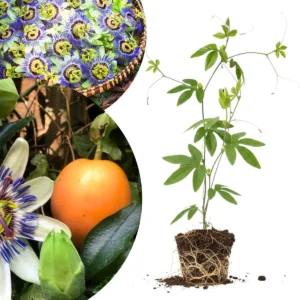
This purple bleeding heart clerodendrum live plant arrives ready to plant, typically measuring between 4-8 inches tall from the base of the pot to the tip of the foliage. It is shipped as a rooted plant in a nursery pot, ensuring a healthy start in your garden. This species is known for its fast-growing nature, quickly establishing itself and producing its distinctive light bulb-shaped flowers that open to reveal vibrant purple and red petals. When mature, this trailing flowering vine can reach lengths of 10-15 feet or more when given adequate support, making it an excellent choice for covering arbors, trellises, or fences. Expect prolific blooming from late spring through fall, adding continuous color to your landscape.
Frequently Asked Questions
- Q: How big does this plant get? A: The purple bleeding heart clerodendrum live plant is a vigorous vine that can reach lengths of 10-15 feet or more when provided with proper support and growing conditions. Its spread can vary depending on how it’s trained.
- Q: What size pot does it come in? A: Your plant will arrive as a live specimen, typically 4-8 inches tall, rooted in a standard nursery pot, ready for transplanting into your garden or a larger container.
- Q: Is this an indoor or outdoor plant? A: This is primarily an outdoor plant, best suited for USDA Zones 9-11. In colder climates, it can be grown in containers and brought indoors during the winter months, or treated as an annual.
- Q: How much sunlight does it need? A: For the best flowering performance, the clerodendrum vine care requires full sun exposure, meaning at least 6 hours of direct sunlight per day. It can tolerate partial shade, especially in areas with intense summer heat.
- Q: Is this plant easy to care for? A: Yes, this plant is considered low-maintenance once established. It’s fast-growing and resilient, making it a good choice for gardeners of various skill levels looking for a beautiful outdoor flowering plants.
- Q: What condition will it arrive in? A: Your plant will arrive as a healthy, live specimen, carefully packaged to ensure its safe journey. It will be rooted in soil and ready for immediate planting.
- Q: How long until it blooms? A: With proper care and favorable conditions, your young purple bleeding heart clerodendrum live plant can begin to produce its unique flowers within its first growing season, often blooming from late spring through fall.
- Q: Will it survive winter in my zone? A: This plant is hardy in USDA Zones 9-11. If you live in a colder zone, it will need protection from frost, such as being brought indoors or overwintered in a greenhouse.
Related products
-67%
Original price was: $62.22.$20.74Current price is: $20.74.
-20%

Original price was: $36.00.$28.80Current price is: $28.80.
-67%
Original price was: $59.97.$19.99Current price is: $19.99.
-30%
Original price was: $39.99.$27.99Current price is: $27.99.
-67%
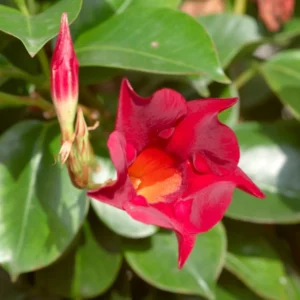
Original price was: $28.47.$9.49Current price is: $9.49.
-30%
Original price was: $39.99.$27.99Current price is: $27.99.
PLANTING & CARE

The Comprehensive Guide to Growing Bay Leaf Plants for a Flavorful Garden
Imagine stepping into your garden, greeted by the earthy aroma of fresh bay leaves, their
09
Feb
Feb

How to Make Comfrey Tea: The Ultimate Organic Plant Food
Growing an organic garden can be surprisingly expensive, especially when most store-bought fertilizers come in
02
Feb
Feb

True Comfrey: 7 Essential Tips Before You Plant This Herb
A staple in permaculture practices across the US, True Comfrey easily earns its reputation as
27
Jan
Jan

7 Heart-Shaped Plants for a Lasting Valentine’s Gift
If you’ve ever bought a bouquet of roses for Valentine’s Day, you know they are
26
Jan
Jan

Best Types of Ivy Plant for Houses: How to Choose the Perfect Ones for Your Home
Are you a garden lover looking to introduce some greenery into your home? Maybe you’ve
14
Nov
Nov

When to Harvest Garlic (Especially Fall-Planted Garlic)
TIMING IS EVERYTHING, they say – and for garlic, that truth hits with surprising accuracy.
13
Nov
Nov

11 of the Best Sweet Potato Varieties to Grow for Your Garden
If you’ve ever tried growing sweet potatoes, you know that picking the right variety can
12
Nov
Nov
Pruning Bougainvillea for Winter
Bougainvillea vines are known for their dazzling display of magenta, orange, and fuchsia bracts that
05
Nov
Nov