-
×
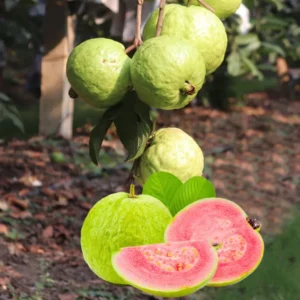 Sweet Pink Guava Tree Live Plant, Tropical Fruit, Fragrant, Starter Size 5-9" Tall, Outdoor
1 × $19.99
Sweet Pink Guava Tree Live Plant, Tropical Fruit, Fragrant, Starter Size 5-9" Tall, Outdoor
1 × $19.99 -
×
 Pickering Mango Tree Live Plant – Grafted Dwarf Tropical Fruit – 2-4 Feet Tall
1 × $179.98
Pickering Mango Tree Live Plant – Grafted Dwarf Tropical Fruit – 2-4 Feet Tall
1 × $179.98 -
×
Set of 2 Meyer Lemon Trees Live Plants, 2-4 Inch Tall, 4" Pot, Indoor/Outdoor Citrus
3 × $36.99
-
×
Philodendron Pink Princess Live Plant - Black Cherry Variegation, Starter
2 × $15.68
-
×
2 Syngonium Milk Confetti Live Plant - Potted Houseplant, Variegated Aroid
1 × $22.99
-
×
Red & White Crinum Lily Flower Bulbs - 1 Count - Up to 2 ft Tall - Indoor/Outdoor
1 × $60.99
-
×
Dwarf Cavendish Banana Tree – Live plant – Indoor/Outdoor – 1 plant
1 × $35.50
-
×
12 Fresh Shampoo Ginger Rhizomes - Zingiber zerumbet Roots for Planting
1 × $39.98
-
×
Tradescantia Pink Furry Live Plant - Fuzzy Trailing Houseplant for Indoor Display
3 × $9.78
-
×
Pink Thanksgiving Cactus Live Plant – 7in Tall, 6in Pot – Indoor/Outdoor
1 × $90.98
-
×
Orange Thanksgiving Cactus Live Plant – Zygocactus – 4 inch Pot – Indoor
1 × $55.98
-
×
Granny Smith Apple Tree – Live Plant – 2.5 ft Tall – Outdoor
2 × $70.00
-
×
20 Mixed Double Peony Tulip Flower Bulbs - Perennial, Multi-Color
2 × $43.98
-
×
Philodendron Brasil Vining Live Plant - Indoor Houseplant Starter
1 × $22.50
-
×
Sweet Gum Balls - Natural Pods for Crafts, Weddings, Decor, & Planting
1 × $13.96
-
×
Black Knight Butterfly Bush Live Plant – 1 Gallon – Deep Purple Flowers
1 × $54.98
-
×
Variegated Banana Tree – Live Plant – Outdoor – Yellow Green Leaves
1 × $100.00
-
×
Dragonfruit Plant Live - Vietnamese White Variety - 2 Rooted Stems - Easy Beginner
3 × $24.00
-
×
Swamp Rose Mallow Live Plant - Hardy Hibiscus, Pink Flowers, Outdoor
1 × $31.50
-
×
10 Rembrandt Tulip Bulbs Mixed Colors - Easy Grow Perennial Flowers
2 × $37.98
-
×
Jacaranda Live Starter Plant, Blue Jacaranda Tree, 6-8 Inch Tall, 3 Inch Pot
2 × $21.59
-
×
4oz Sunchoke Tubers for Planting - Helianthus tuberosus Bulbs Outdoor Garden
1 × $10.12
-
×
Aeonium 'Ink Painting' Succulent Live Plant – Rare Variegated, 6'' Wide, Colorful
1 × $130.00
-
×
Epazote Live Plant – 4 Inch Potted Herb – Outdoor Mexican Cuisine
1 × $16.99
-
×
Live Elderberry Plant – Sambucus – Outdoor Plant – Healthy Seedling
2 × $30.00
-
×
3 Live Spider Plant Rooted Cuttings – Indoor Houseplant, Easy Care
1 × $25.42
-
×
Organic Worm Castings - Natural Plant Nutrient, Soil Enhancer - 1 Pound Bag
1 × $11.24
-
×
Bald Cypress Tree – Live plant – 4 ft Tall – Outdoor
3 × $70.00
-
×
Winsap Apple Tree – Live plant – 2.5 ft tall – Outdoor
1 × $70.00
-
×
Black Cherry Tree – Prunus serotina – Live Plant – Up to 2 ft Tall – Outdoor
1 × $70.00
-
×
Darrow's Native Blueberry Starter Plug - Vaccinium darrowii Live Plant, 1 Count, Outdoor Shrub
1 × $28.80
-
×
Creeping Thyme 'Pink Chintz' Live Plant - 3in Pot, Groundcover, Soft Pink Blooms
1 × $22.69
-
×
Pink Diamond Hydrangea Bare Root Starter Plant 6-8" Tall - Outdoor Shrub
1 × $60.80
-
×
Red Beauty Lottringa Tomato Seeds - Organic Heirloom for Gourmet Sauce (25 Seeds)
1 × $9.98
-
×
Syngonium Milk Confetti Live Plant - Potted Houseplant, Variegated Aroid
1 × $19.22
-
×
Variegated Weigela – Live plant – Up to 2 ft tall – Indoor/Outdoor
1 × $41.50
-
×
Pawpaw Tree – Live Plant – Cold Hardy – Up to 1 ft Tall – Outdoor
2 × $34.00
-
×
5 Osage Blackberry Starter Plug - Thornless Berry Live Plant - Early Ripening
2 × $64.00
-
×
Swedish Ivy Creeping Charlie Live Plant – Plectranthus – Indoor Starter Plant
2 × $13.00
-
×
White Thanksgiving Cactus Live Plant – Zygocactus – 4 inch Pot – Indoor Houseplant
1 × $55.98
-
×
10 Allstar Junebearing Strawberry Plant Fragaria ananassa - Sweet Berries
1 × $27.20
-
×
 American Hazelnut Tree Seeds (Corylus americana) - 12+ Float Tested Seeds for Planting
1 × $11.98
American Hazelnut Tree Seeds (Corylus americana) - 12+ Float Tested Seeds for Planting
1 × $11.98 -
×
100 Organic Wild Ramps Bulbs - Allium Tricoccum Bare Root Wildflower
2 × $139.20
-
×
Mini Rose Red Live Plant – 6-inch Height – 3-inch Pot – Indoor/Outdoor
1 × $44.78
-
×
5 Big Daddy Thornless Blackberry Plants - Rubus Fruit Starter Plants, High Yield, Zones 5-9
1 × $64.00
-
×
Heliotrope Fragrant Delight Live Plants - Set of 2, 3-6" Tall, Violet Fragrant Flowers
1 × $13.99
-
×
Curly Spider Plant 'Bonnie' - Chlorophytum Comosum Live Plant in 4" Pot, Indoor
1 × $18.18
-
×
Evolvulus Blue Daze Live Plant – 2 Starter Plants – 3-6" Tall – Drought-Tolerant Groundcover
1 × $12.49
-
×
Snow Chaser Blueberry Live Plant - Southern Highbush - Early Ripening - Low Chill
1 × $28.80
-
×
Strawberry Mint Live Plant - 6-inch Height, 4.5-inch Pot, Culinary Herb
1 × $69.98
-
×
Red Milkweed Live Starter Plants - Set of 2, 4-8" Tall, Perennial, Attracts Monarch Butterflies
2 × $19.99
-
×
Golden Loquat Live Plant Starter - 4-8 Inch Loquat Tree for Indoor/Outdoor Growing
1 × $33.29
-
×
Crimson Sweet Watermelon Seeds - 5 Count - Juicy, Sweet & Refreshing
1 × $16.00
-
×
Bay Leaf Tree Live Plant - Laurus Nobilis Sweet Bay, 7-10 Inches Tall in 4 Inch Pot for Indoor/Outdoor
1 × $26.99
-
×
Long Leaf Cilantro Seeds (Recao) - 100 Seed Pack for Herb Gardens
1 × $16.00
-
×
Short Needle Pine – Live Plant – 10 Inches Tall – Outdoor
3 × $9.00
-
×
100+ Vinca Minor Periwinkle Live Plants - Evergreen Ground Cover Bare Roots, Zones 4-9
2 × $99.90
-
×
Pink Ranunculus Corms - 20 Flower Bulbs - Peony Rose Garden Plants
1 × $35.98
-
×
1 Violette de Bordeaux Fig Tree Starter Plug - Dwarf, Sweet Fruit
1 × $28.80
-
×
Vigoro Replacement Liners – Garden Accessory – 2 Pack – Indoor/Outdoor
3 × $31.50
-
×
Fuchsia Gartenmeister Live Plant - 2-4" Starter - Coral-Orange Flowers
1 × $9.04
-
×
Red Mini Rose Live Plant – 6-inch Height, 3-inch Pot – Indoor/Outdoor
1 × $44.78
-
×
Lavender Provence Live Plant Plug - Aromatic French Herb Starter, 1-3" Tall
1 × $10.79
-
×
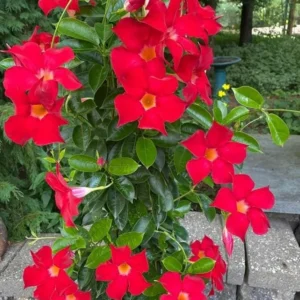
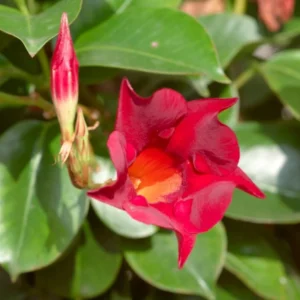
Red Mandevilla Live Plant Starter Set - 2 Vines, 4-6" Tall - Tropical Garden
1 × $9.49
-
×
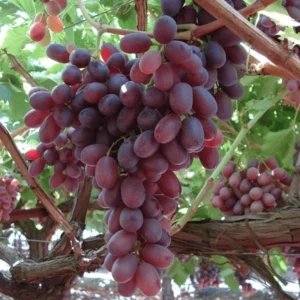
Crimson Seedless Grape Vine Live Plant – 2.5 ft Tall, 4 Years Old – Outdoor Fruit
1 × $133.50
-
×
Organic True Potato Seeds 50 Count - Purple, Red, Yellow Color Mix for Planting
1 × $19.98
-
×
5 Queen Anne's Lace Bare Root Plants – Perennial Wildflower – Daucus Carota
1 × $25.58
-
×
Begonia Rex Maculata 'Angel Wing' Live Plant – Potted Houseplant Indoor
2 × $49.99
-
×
Rainbow Cactus Live Plant – 5 inch Tall – Bare Root Succulent – Indoor/Outdoor
1 × $68.00
-
×
Alocasia Venom Live Plant – Potted Houseplant – Growers Choice
3 × $160.00
-
×
4 Live Creeping Phlox Red Wings Perennials - Attracts Butterflies & Hummingbirds, Full Sun
1 × $18.50
-
×
Tulip Tree – Liriodendron tulipifera – Live Plant – 2 Ft Tall – Outdoor
1 × $29.50
-
×
Yukon Gold True Potato Seeds - 50 Organic Yellow Mix Potato Seeds for Planting
1 × $19.98
-
×
Philodendron White Princess Live Plant - Variegated Houseplant Starter
1 × $12.60
-
×
Gulf Stream Nandina Live Plant - 1 Gallon Pot - Outdoor Evergreen Shrub
1 × $69.90
-
×
Thanksgiving Cactus Live Plant – Red Flowering Houseplant – 4 inch Pot
1 × $49.98
-
×
Mini Rose Live Plant - Red Pink Bi-Color Flower, 6" Tall, 3" Pot, Indoor/Outdoor
1 × $44.78
-
×
Red Mini Rose Live Plant – 6-inch Height – 3-inch Pot – Indoor/Outdoor Perennial
1 × $44.78
-
×
Heirloom Egyptian Walking Onion Sets - 5 Hardy Perennial Bulbs for Summer/Fall Planting
1 × $22.99
-
×
Scheherazade Rose Live Plant - Fragrant Pink Ruffled Shrub, 6 inch Ownroot
2 × $58.00
-
×
Mini Rose Red Live Plant – 6-inch Height, 3-inch Pot – Indoor/Outdoor Flowering
1 × $44.78
-
×
Dwarf Fig Tree Live Plant - Self-Fertile Fignomenal Variety - Produces Fruit Indoors/Outdoors
1 × $25.60
-
×
10 Wild Ramps Bulbs - Bare Roots Wild Leeks (Allium tricoccum)
1 × $23.18
-
×
Orange Milkweed Live Starter Plant (2-Pack) - 4-8" Tall - Attracts Monarch Butterflies
1 × $19.99
-
×
GEM Avocado Tree - Live Plant - 3 to 4 Feet Tall - Grafted for Fruit Production
1 × $177.98
-
×
Red Orchid Cactus Live Plant – 8-inch Height – 4-inch Pot – Indoor/Outdoor
1 × $60.18
-
×
Rambutan Live Plant (Nephelium lappaceum) - Tropical Fruit Tree 2-3 ft
1 × $142.20
-
×
Thanksgiving Cactus Live Plant – Zygocactus – 4" Pot – Indoor
1 × $55.98
-
×
2" Variegated String of Hearts Live Plant - Ceropegia Woodii Variegata Potted Houseplant
1 × $19.98
-
×
Big Yellow Rambutan Live Fruit Tree (2-3ft) - Tropical Nephelium lappaceum Plant
1 × $142.20
-
×
Pink Mini Rose Live Plant – 6-inch Height – 3-inch Pot – Indoor/Outdoor
2 × $44.78
-
×
Metrosideros excelsa Variegata Live Plant - New Zealand Christmas Tree - 1 Gallon Pot
1 × $90.00
-
×
Buttonbush Plant - 3 Bare Root Shrub, 12-24in Tall - Cephalanthus occidentalis
1 × $50.99
-
×
3 Lobelia speciosa Starship Rose Perennial Plants - Attracts Pollinators
1 × $15.00
-
×
Egyptian Walking Onions - 5 XL Organic Bulbs, Perennial Heirloom Vegetable
1 × $31.98
-
×
Jewel Orchid Sea Turtle Live Plant - 2 inch Pot - Indoor Houseplant
1 × $24.20
-
×
Philodendron Micans Live Plant - 4 inch Potted Houseplant - Velvet Trailing Foliage
1 × $50.00
-
×
Pink Orchid Cactus Live Plant – 8-inch Height, 4-inch Pot – Indoor/Outdoor
1 × $60.18
-
×
Lisianthus Voyage 2 Blue Live Plugs - Cut Flower Plant - Blue Eustoma grandiflorum
1 × $12.94
-
×
Busy Lizzy Impatiens Xtreme Lilac Seeds - 500 Count - Annual Flower Seeds
1 × $11.98
-
×
Sambac Jasmine Live Plant – Fragrant Flowering Plant – 8-inch Tall – 3-inch Pot – Indoor/Outdoor
1 × $46.18
-
×
10 Carolina Sapphire Cypress Live Plant - Tall Evergreen Blue, 4-6" Bare Root Starter
1 × $72.00
-
×
Yellow Christmas Cactus Live Plant – Zygocactus – 4 inch Pot – Indoor Houseplant
1 × $87.38
-
×
Live cherry plum tree – Cherry Plum – Live plant – Up to 3 ft tall – Outdoor
1 × $80.38
-
×
Adenium Desert Rose Vulcanus Bare Root Plant - Exotic Succulent
1 × $100.00
-
×
Heirloom Rhubarb Seeds - 25 Organic Perennial Vegetable Garden Seeds
1 × $5.50
-
×
1 Mysore Black Raspberry Plant – Tropical Fruiting Bush – Rooted Starter – 8-12in Tall
1 × $27.20
-
×
Russet Potato Seeds for Planting, 70 Heirloom True Potato Seeds, Outdoor
1 × $14.99
-
×
Agave Celsii Nova Live Plant - Drought-Tolerant Blue-Gray Succulent - 1 Gallon
1 × $96.00
-
×
Philodendron Black Cherry Pink Princess Live Plant – Starter Plant – Indoor Houseplant
1 × $15.68
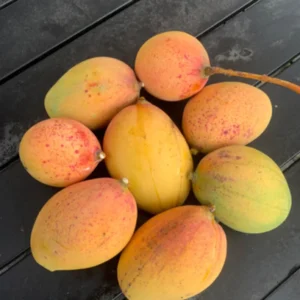 Pickering Mango Tree Live Plant – Grafted Dwarf Tropical Fruit – 2-4 Feet Tall
 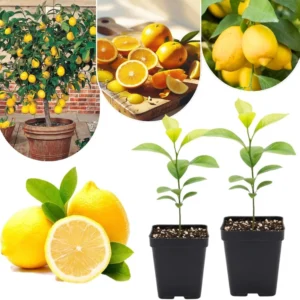 Set of 2 Meyer Lemon Trees Live Plants, 2-4 Inch Tall, 4" Pot, Indoor/Outdoor Citrus
 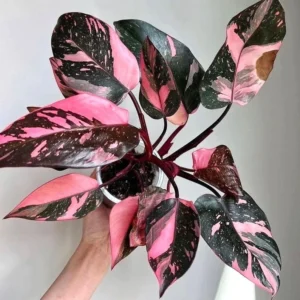 Philodendron Pink Princess Live Plant - Black Cherry Variegation, Starter
 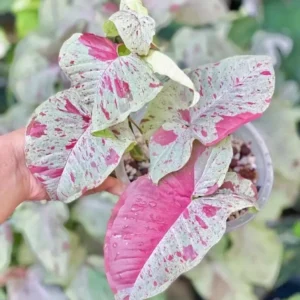 2 Syngonium Milk Confetti Live Plant - Potted Houseplant, Variegated Aroid
 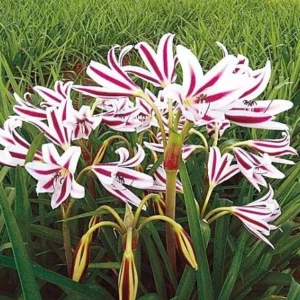 Red & White Crinum Lily Flower Bulbs - 1 Count - Up to 2 ft Tall - Indoor/Outdoor
 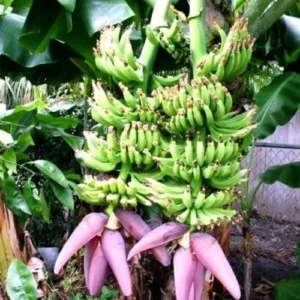 Dwarf Cavendish Banana Tree – Live plant – Indoor/Outdoor – 1 plant
 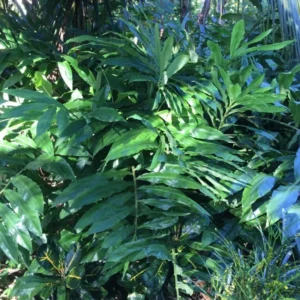 12 Fresh Shampoo Ginger Rhizomes - Zingiber zerumbet Roots for Planting
 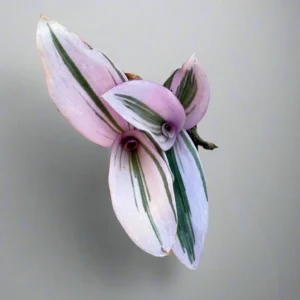 Tradescantia Pink Furry Live Plant - Fuzzy Trailing Houseplant for Indoor Display
 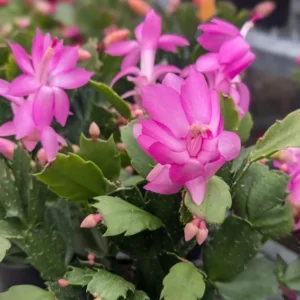 Pink Thanksgiving Cactus Live Plant – 7in Tall, 6in Pot – Indoor/Outdoor
 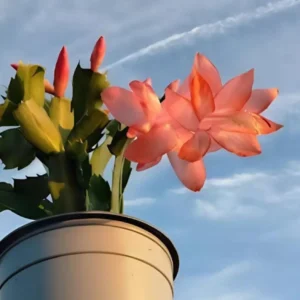 Orange Thanksgiving Cactus Live Plant – Zygocactus – 4 inch Pot – Indoor
 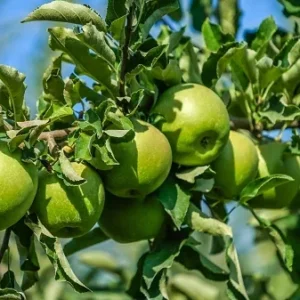 Granny Smith Apple Tree – Live Plant – 2.5 ft Tall – Outdoor
 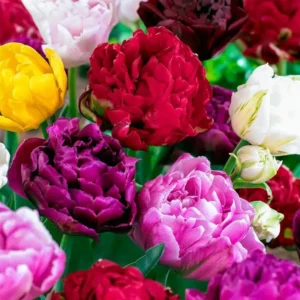 20 Mixed Double Peony Tulip Flower Bulbs - Perennial, Multi-Color
 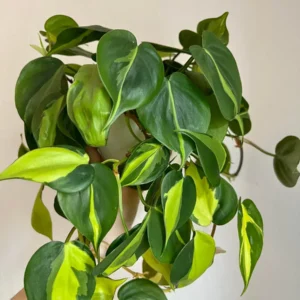 Philodendron Brasil Vining Live Plant - Indoor Houseplant Starter
 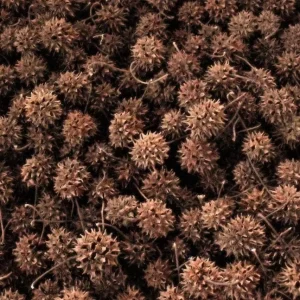 Sweet Gum Balls - Natural Pods for Crafts, Weddings, Decor, & Planting
 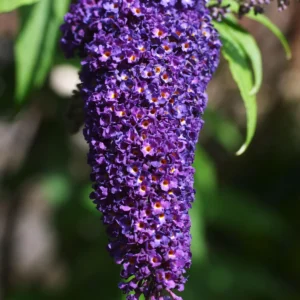 Black Knight Butterfly Bush Live Plant – 1 Gallon – Deep Purple Flowers
 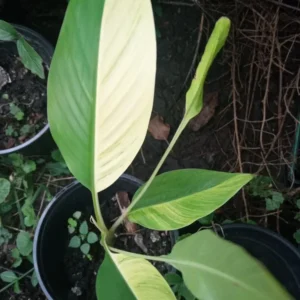 Variegated Banana Tree – Live Plant – Outdoor – Yellow Green Leaves
 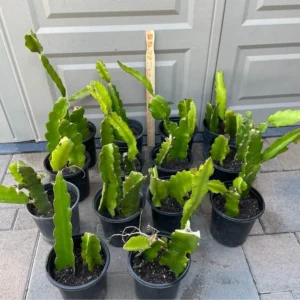 Dragonfruit Plant Live - Vietnamese White Variety - 2 Rooted Stems - Easy Beginner
 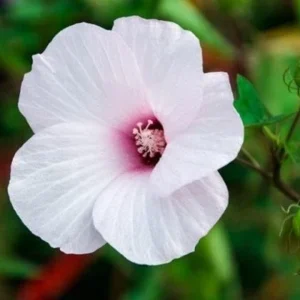 Swamp Rose Mallow Live Plant - Hardy Hibiscus, Pink Flowers, Outdoor
 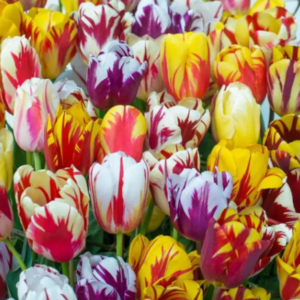 10 Rembrandt Tulip Bulbs Mixed Colors - Easy Grow Perennial Flowers
 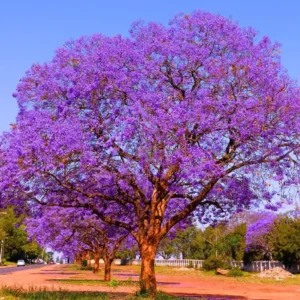 Jacaranda Live Starter Plant, Blue Jacaranda Tree, 6-8 Inch Tall, 3 Inch Pot
 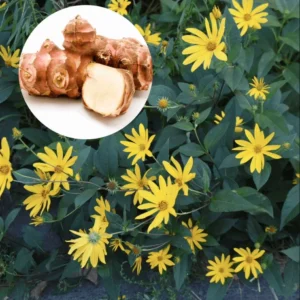 4oz Sunchoke Tubers for Planting - Helianthus tuberosus Bulbs Outdoor Garden
 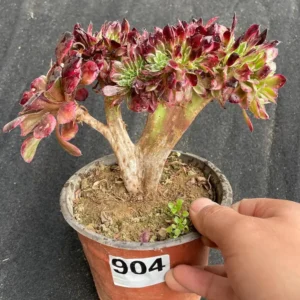 Aeonium 'Ink Painting' Succulent Live Plant – Rare Variegated, 6'' Wide, Colorful
 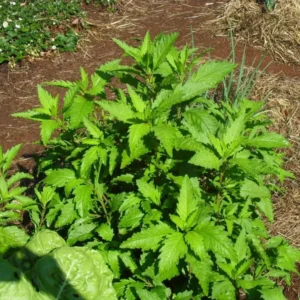 Epazote Live Plant – 4 Inch Potted Herb – Outdoor Mexican Cuisine
 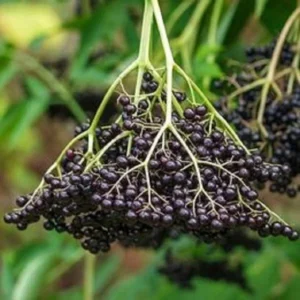 Live Elderberry Plant – Sambucus – Outdoor Plant – Healthy Seedling
 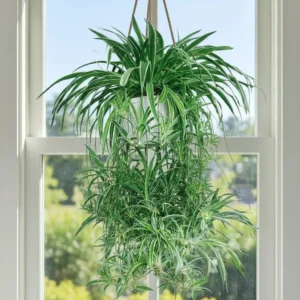 3 Live Spider Plant Rooted Cuttings – Indoor Houseplant, Easy Care
 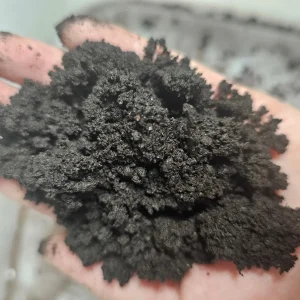 Organic Worm Castings - Natural Plant Nutrient, Soil Enhancer - 1 Pound Bag
 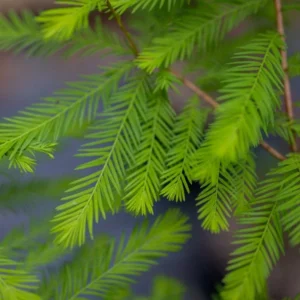 Bald Cypress Tree – Live plant – 4 ft Tall – Outdoor
 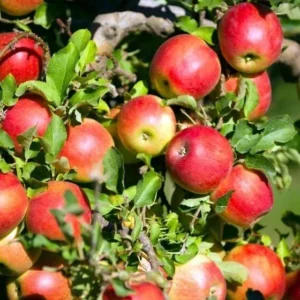 Winsap Apple Tree – Live plant – 2.5 ft tall – Outdoor
 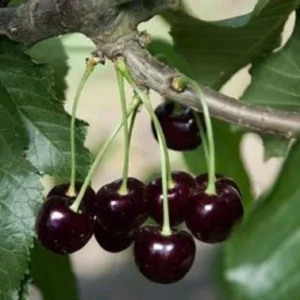 Black Cherry Tree – Prunus serotina – Live Plant – Up to 2 ft Tall – Outdoor
 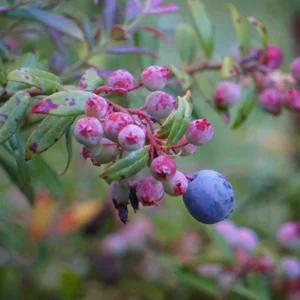 Darrow's Native Blueberry Starter Plug - Vaccinium darrowii Live Plant, 1 Count, Outdoor Shrub
 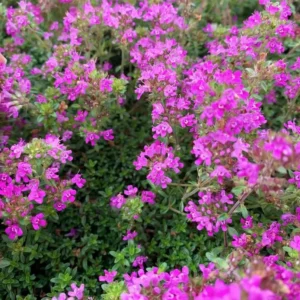 Creeping Thyme 'Pink Chintz' Live Plant - 3in Pot, Groundcover, Soft Pink Blooms
 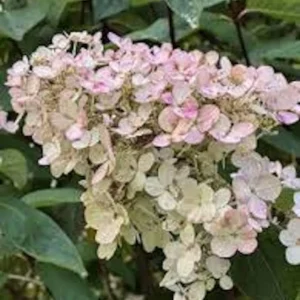 Pink Diamond Hydrangea Bare Root Starter Plant 6-8" Tall - Outdoor Shrub
 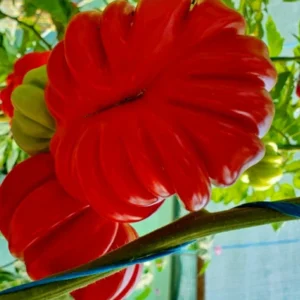 Red Beauty Lottringa Tomato Seeds - Organic Heirloom for Gourmet Sauce (25 Seeds)
 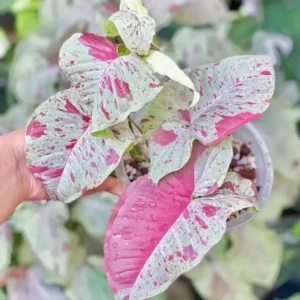 Syngonium Milk Confetti Live Plant - Potted Houseplant, Variegated Aroid
 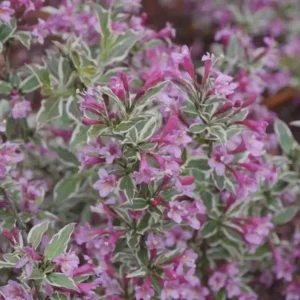 Variegated Weigela – Live plant – Up to 2 ft tall – Indoor/Outdoor
 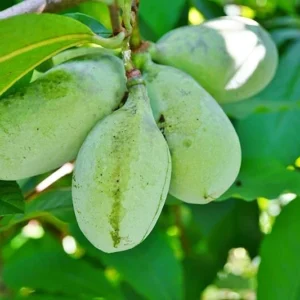 Pawpaw Tree – Live Plant – Cold Hardy – Up to 1 ft Tall – Outdoor
 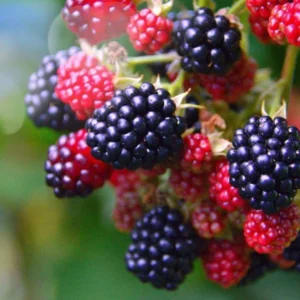 5 Osage Blackberry Starter Plug - Thornless Berry Live Plant - Early Ripening
 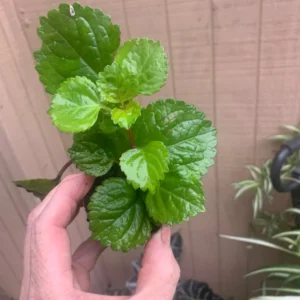 Swedish Ivy Creeping Charlie Live Plant – Plectranthus – Indoor Starter Plant
 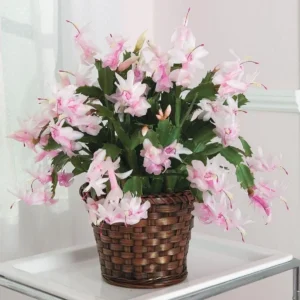 White Thanksgiving Cactus Live Plant – Zygocactus – 4 inch Pot – Indoor Houseplant
 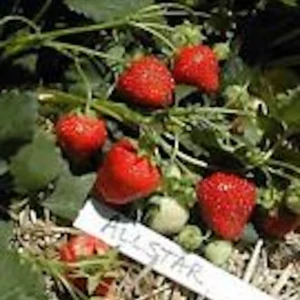 10 Allstar Junebearing Strawberry Plant Fragaria ananassa - Sweet Berries
  American Hazelnut Tree Seeds (Corylus americana) - 12+ Float Tested Seeds for Planting
 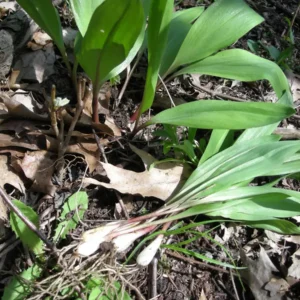 100 Organic Wild Ramps Bulbs - Allium Tricoccum Bare Root Wildflower
 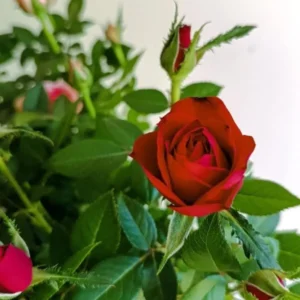 Mini Rose Red Live Plant – 6-inch Height – 3-inch Pot – Indoor/Outdoor
 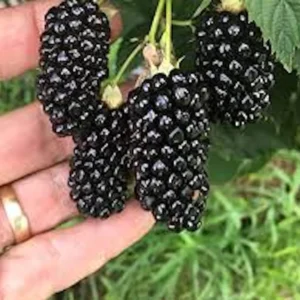 5 Big Daddy Thornless Blackberry Plants - Rubus Fruit Starter Plants, High Yield, Zones 5-9
 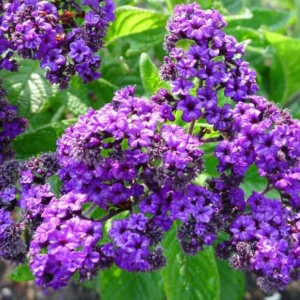 Heliotrope Fragrant Delight Live Plants - Set of 2, 3-6" Tall, Violet Fragrant Flowers
 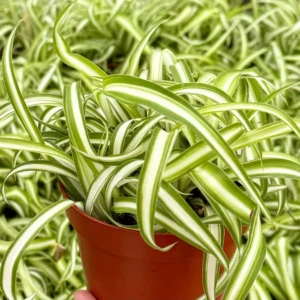 Curly Spider Plant 'Bonnie' - Chlorophytum Comosum Live Plant in 4" Pot, Indoor
 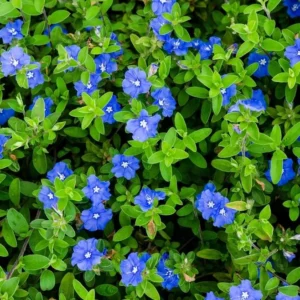 Evolvulus Blue Daze Live Plant – 2 Starter Plants – 3-6" Tall – Drought-Tolerant Groundcover
 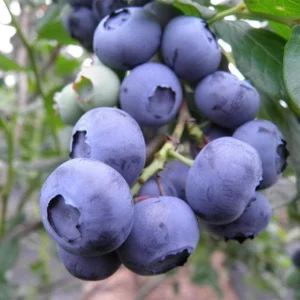 Snow Chaser Blueberry Live Plant - Southern Highbush - Early Ripening - Low Chill
 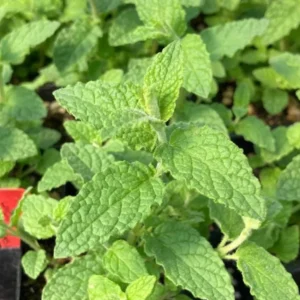 Strawberry Mint Live Plant - 6-inch Height, 4.5-inch Pot, Culinary Herb
 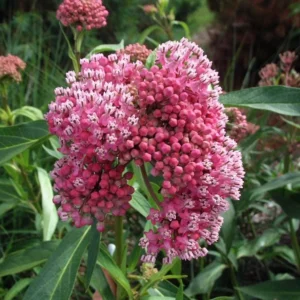 Red Milkweed Live Starter Plants - Set of 2, 4-8" Tall, Perennial, Attracts Monarch Butterflies
 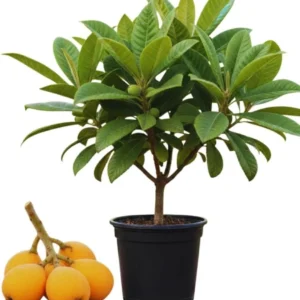 Golden Loquat Live Plant Starter - 4-8 Inch Loquat Tree for Indoor/Outdoor Growing
  Crimson Sweet Watermelon Seeds - 5 Count - Juicy, Sweet & Refreshing
 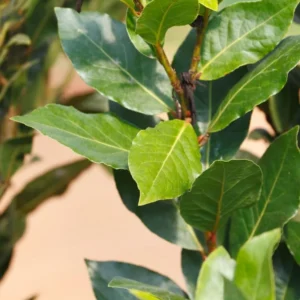 Bay Leaf Tree Live Plant - Laurus Nobilis Sweet Bay, 7-10 Inches Tall in 4 Inch Pot for Indoor/Outdoor
 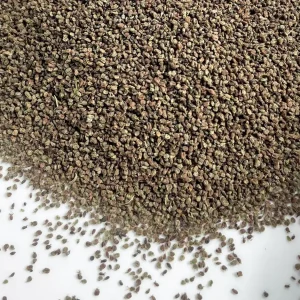 Long Leaf Cilantro Seeds (Recao) - 100 Seed Pack for Herb Gardens
 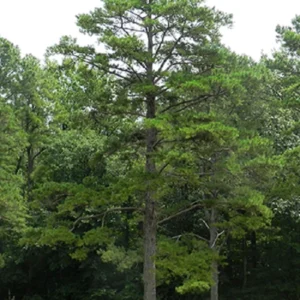 Short Needle Pine – Live Plant – 10 Inches Tall – Outdoor
 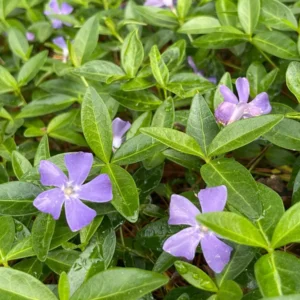 100+ Vinca Minor Periwinkle Live Plants - Evergreen Ground Cover Bare Roots, Zones 4-9
 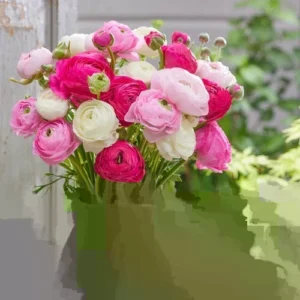 Pink Ranunculus Corms - 20 Flower Bulbs - Peony Rose Garden Plants
 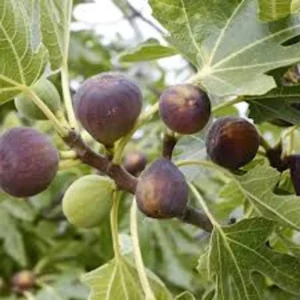 1 Violette de Bordeaux Fig Tree Starter Plug - Dwarf, Sweet Fruit
 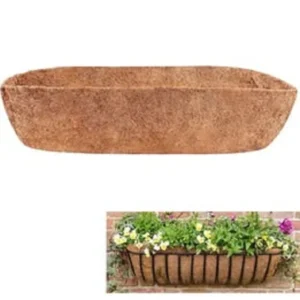 Vigoro Replacement Liners – Garden Accessory – 2 Pack – Indoor/Outdoor
 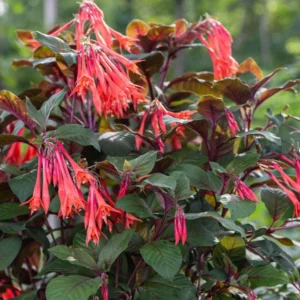 Fuchsia Gartenmeister Live Plant - 2-4" Starter - Coral-Orange Flowers
 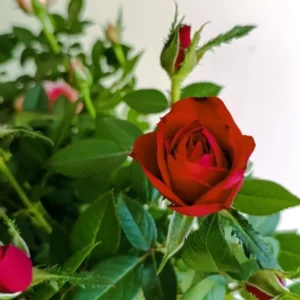 Red Mini Rose Live Plant – 6-inch Height, 3-inch Pot – Indoor/Outdoor
 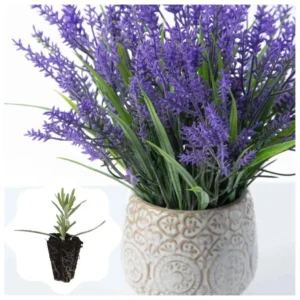 Lavender Provence Live Plant Plug - Aromatic French Herb Starter, 1-3" Tall
 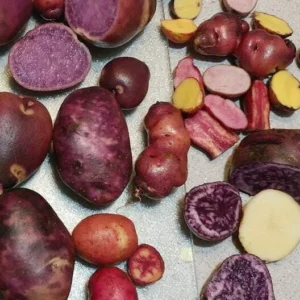 Organic True Potato Seeds 50 Count - Purple, Red, Yellow Color Mix for Planting
 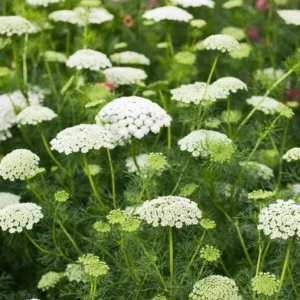 5 Queen Anne's Lace Bare Root Plants – Perennial Wildflower – Daucus Carota
 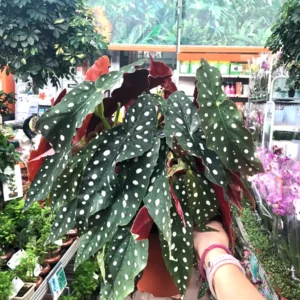 Begonia Rex Maculata 'Angel Wing' Live Plant – Potted Houseplant Indoor
 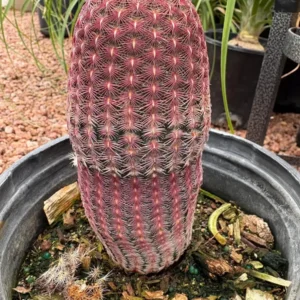 Rainbow Cactus Live Plant – 5 inch Tall – Bare Root Succulent – Indoor/Outdoor
 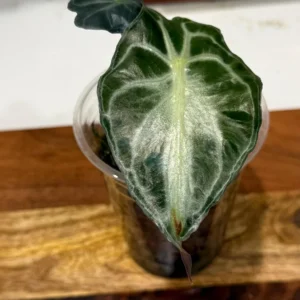 Alocasia Venom Live Plant – Potted Houseplant – Growers Choice
 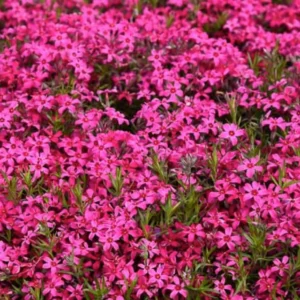 4 Live Creeping Phlox Red Wings Perennials - Attracts Butterflies & Hummingbirds, Full Sun
 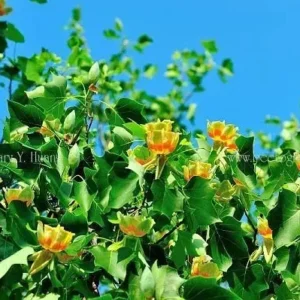 Tulip Tree – Liriodendron tulipifera – Live Plant – 2 Ft Tall – Outdoor
 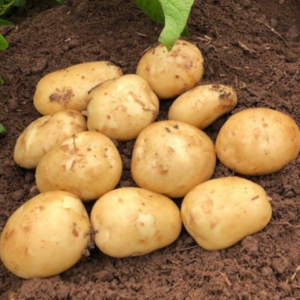 Yukon Gold True Potato Seeds - 50 Organic Yellow Mix Potato Seeds for Planting
 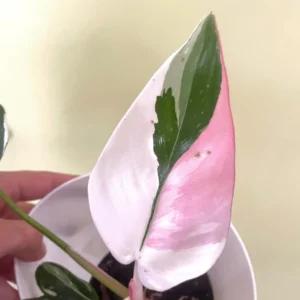 Philodendron White Princess Live Plant - Variegated Houseplant Starter
 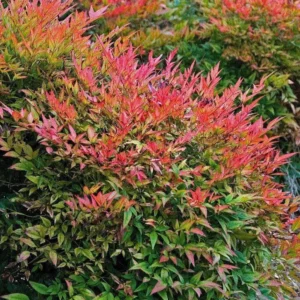 Gulf Stream Nandina Live Plant - 1 Gallon Pot - Outdoor Evergreen Shrub
 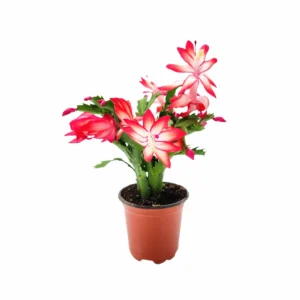 Thanksgiving Cactus Live Plant – Red Flowering Houseplant – 4 inch Pot
 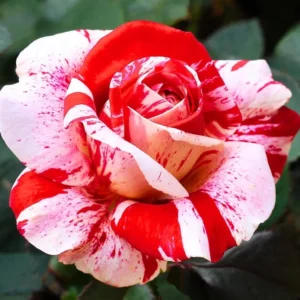 Mini Rose Live Plant - Red Pink Bi-Color Flower, 6" Tall, 3" Pot, Indoor/Outdoor
 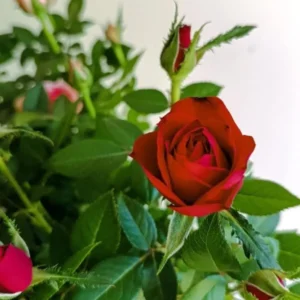 Red Mini Rose Live Plant – 6-inch Height – 3-inch Pot – Indoor/Outdoor Perennial
 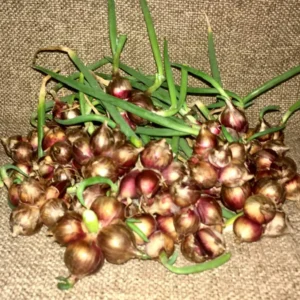 Heirloom Egyptian Walking Onion Sets - 5 Hardy Perennial Bulbs for Summer/Fall Planting
 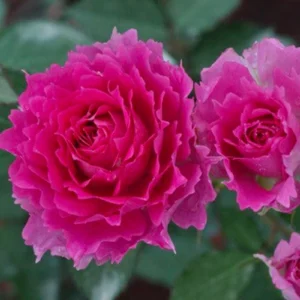 Scheherazade Rose Live Plant - Fragrant Pink Ruffled Shrub, 6 inch Ownroot
 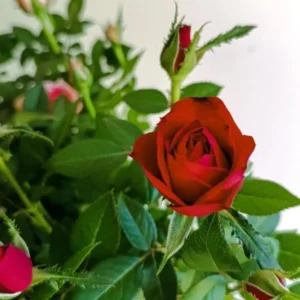 Mini Rose Red Live Plant – 6-inch Height, 3-inch Pot – Indoor/Outdoor Flowering
 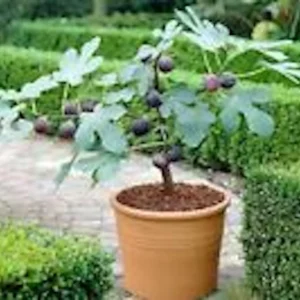 Dwarf Fig Tree Live Plant - Self-Fertile Fignomenal Variety - Produces Fruit Indoors/Outdoors
  10 Wild Ramps Bulbs - Bare Roots Wild Leeks (Allium tricoccum)
 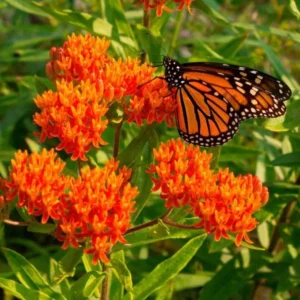 Orange Milkweed Live Starter Plant (2-Pack) - 4-8" Tall - Attracts Monarch Butterflies
 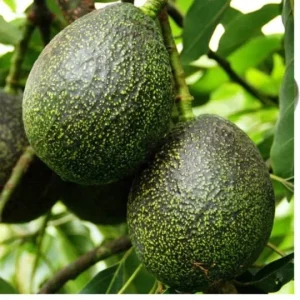 GEM Avocado Tree - Live Plant - 3 to 4 Feet Tall - Grafted for Fruit Production
 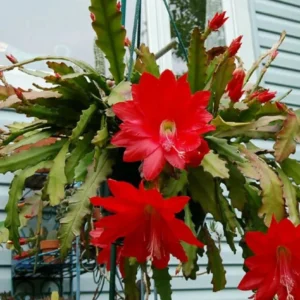 Red Orchid Cactus Live Plant – 8-inch Height – 4-inch Pot – Indoor/Outdoor
 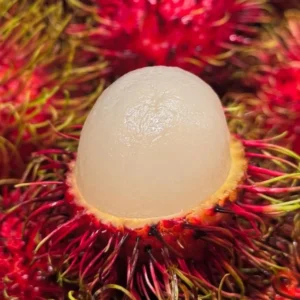 Rambutan Live Plant (Nephelium lappaceum) - Tropical Fruit Tree 2-3 ft
 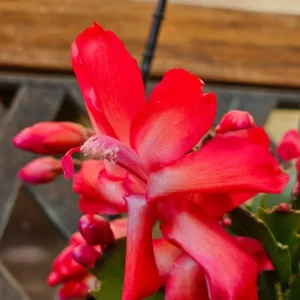 Thanksgiving Cactus Live Plant – Zygocactus – 4" Pot – Indoor
 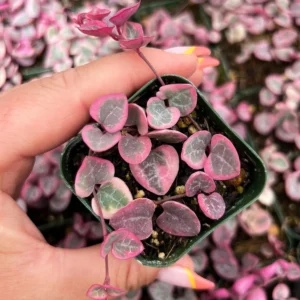 2" Variegated String of Hearts Live Plant - Ceropegia Woodii Variegata Potted Houseplant
 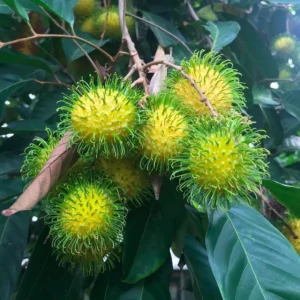 Big Yellow Rambutan Live Fruit Tree (2-3ft) - Tropical Nephelium lappaceum Plant
 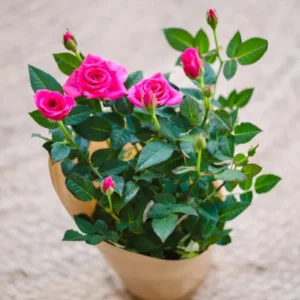 Pink Mini Rose Live Plant – 6-inch Height – 3-inch Pot – Indoor/Outdoor
 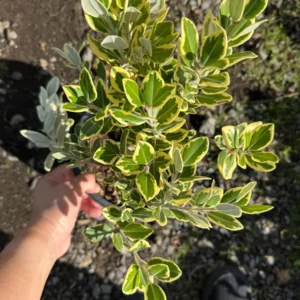 Metrosideros excelsa Variegata Live Plant - New Zealand Christmas Tree - 1 Gallon Pot
 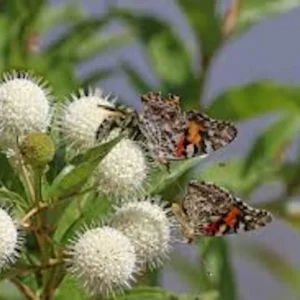 Buttonbush Plant - 3 Bare Root Shrub, 12-24in Tall - Cephalanthus occidentalis
 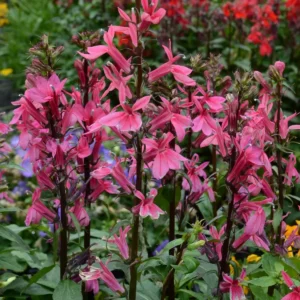 3 Lobelia speciosa Starship Rose Perennial Plants - Attracts Pollinators
 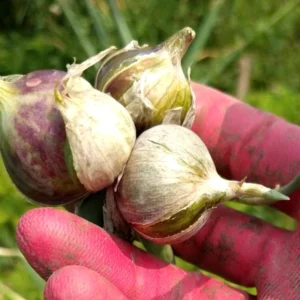 Egyptian Walking Onions - 5 XL Organic Bulbs, Perennial Heirloom Vegetable
 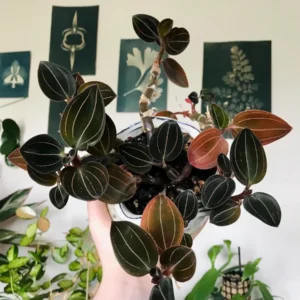 Jewel Orchid Sea Turtle Live Plant - 2 inch Pot - Indoor Houseplant
 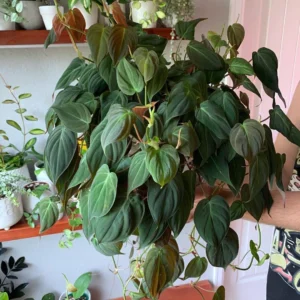 Philodendron Micans Live Plant - 4 inch Potted Houseplant - Velvet Trailing Foliage
 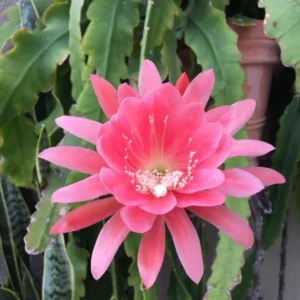 Pink Orchid Cactus Live Plant – 8-inch Height, 4-inch Pot – Indoor/Outdoor
 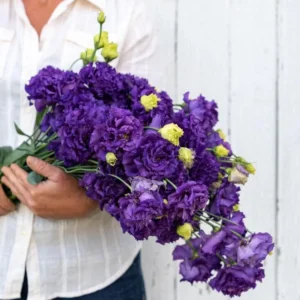 Lisianthus Voyage 2 Blue Live Plugs - Cut Flower Plant - Blue Eustoma grandiflorum
 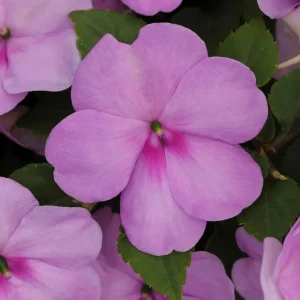 Busy Lizzy Impatiens Xtreme Lilac Seeds - 500 Count - Annual Flower Seeds
 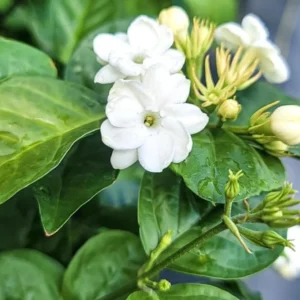 Sambac Jasmine Live Plant – Fragrant Flowering Plant – 8-inch Tall – 3-inch Pot – Indoor/Outdoor
 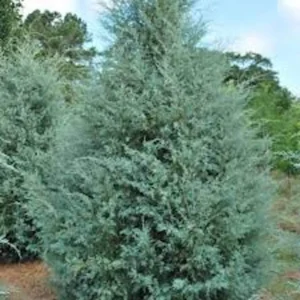 10 Carolina Sapphire Cypress Live Plant - Tall Evergreen Blue, 4-6" Bare Root Starter
 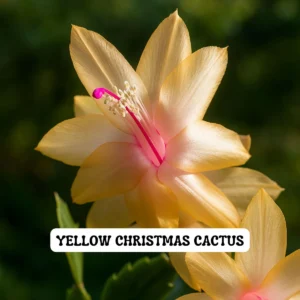 Yellow Christmas Cactus Live Plant – Zygocactus – 4 inch Pot – Indoor Houseplant
 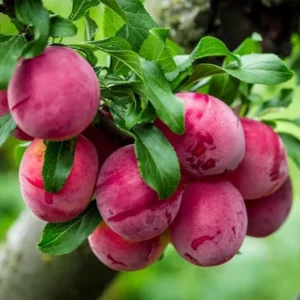 Live cherry plum tree – Cherry Plum – Live plant – Up to 3 ft tall – Outdoor
 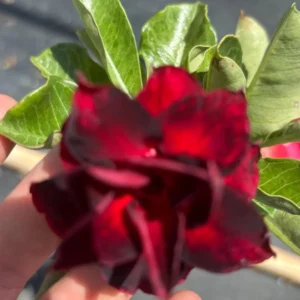 Adenium Desert Rose Vulcanus Bare Root Plant - Exotic Succulent
 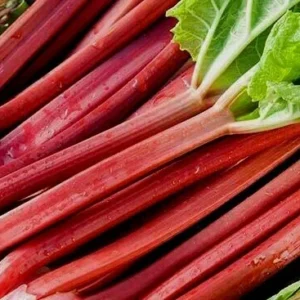 Heirloom Rhubarb Seeds - 25 Organic Perennial Vegetable Garden Seeds
 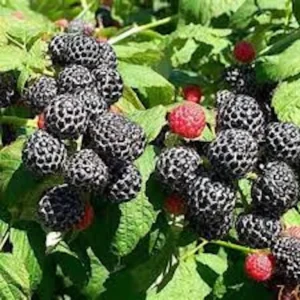 1 Mysore Black Raspberry Plant – Tropical Fruiting Bush – Rooted Starter – 8-12in Tall
 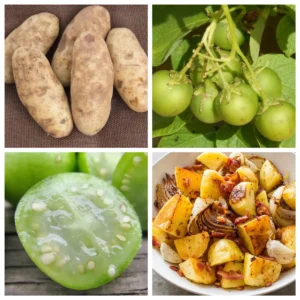 Russet Potato Seeds for Planting, 70 Heirloom True Potato Seeds, Outdoor
 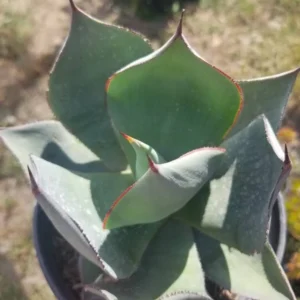 Agave Celsii Nova Live Plant - Drought-Tolerant Blue-Gray Succulent - 1 Gallon
 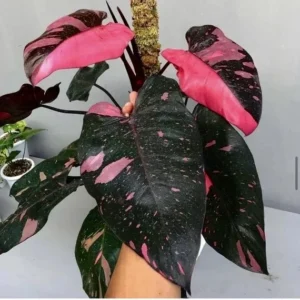 Philodendron Black Cherry Pink Princess Live Plant – Starter Plant – Indoor Houseplant
 Purple Passion Fruit Live Plant – Edible Vine Starter – 4-6 inches Tall – USDA Zones 9-11
-50%
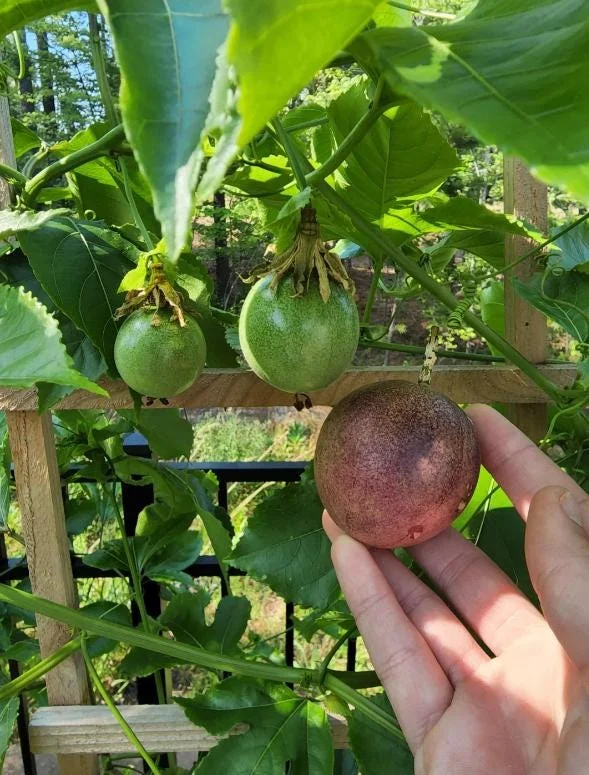
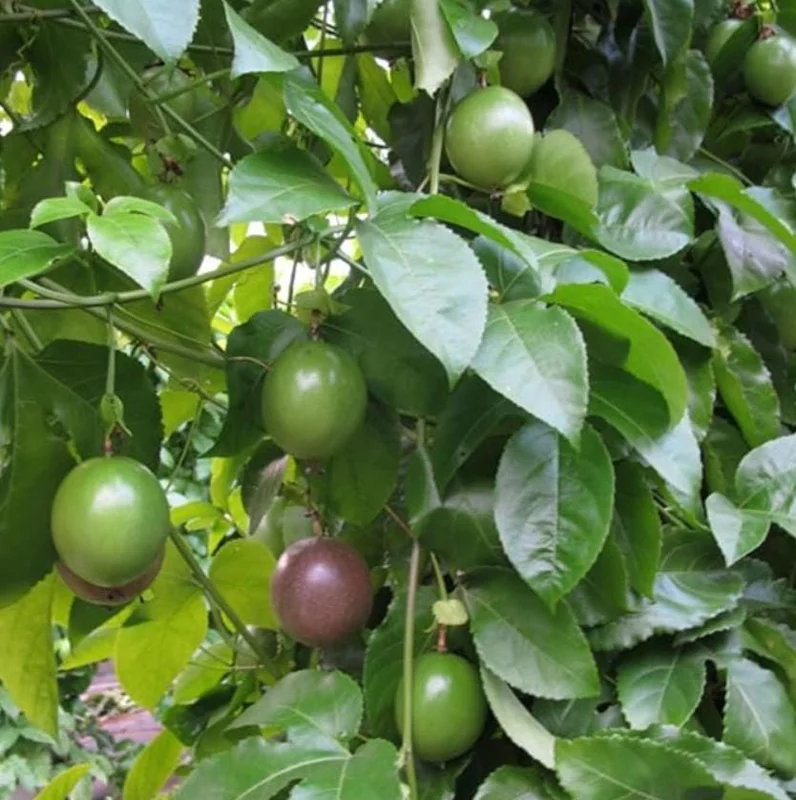
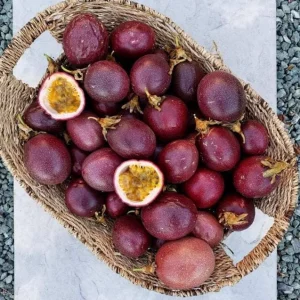
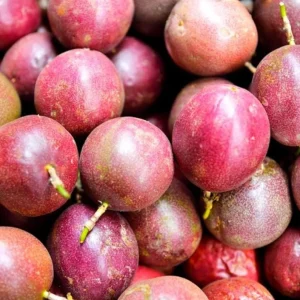
Purple Passion Fruit Live Plant – Edible Vine Starter – 4-6 inches Tall – USDA Zones 9-11
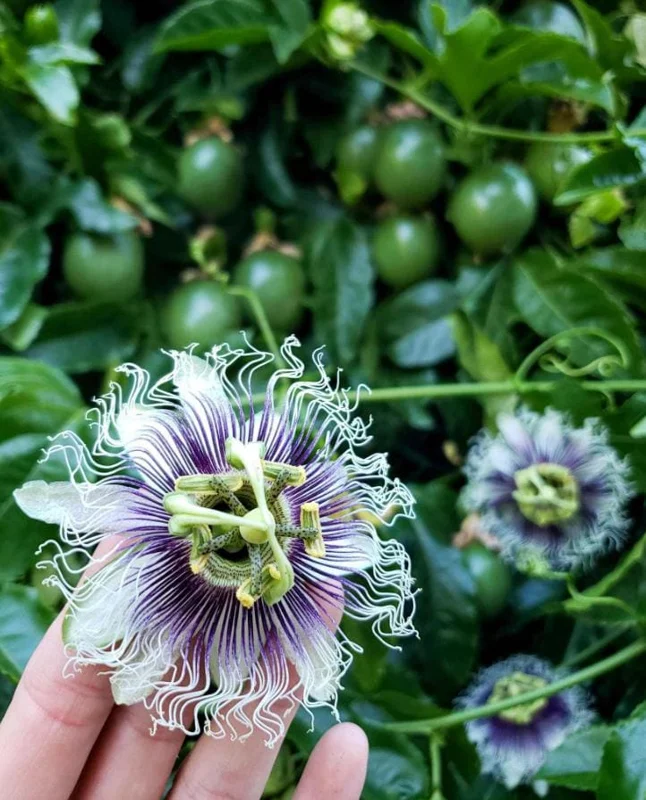
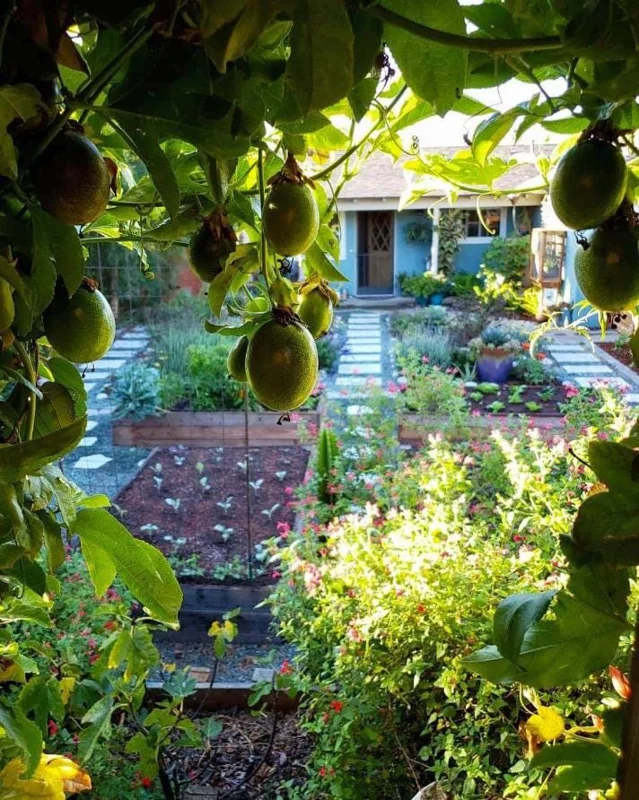
Cultivate your own tropical paradise with this purple passion fruit live plant. This vigorous 4-6 inch starter vine is ready for planting, offering stunning flowers and delicious edible fruit. Ideal for trellises or fences in USDA Zones 9-11.
Original price was: $47.98.$23.99Current price is: $23.99.

With our Alive & Thrive Guarantee, we’ve got your back for the first 30 days! If you have any concerns about your plants, just reach out to us. Our team is here to help answer your questions and guide you in selecting the best plants for your garden, climate, and unique preferences. We're excited to help you create the garden of your dreams!
Estimated arrival
Apr 08
Apr 13 - Apr 15
Apr 18 - Apr 22



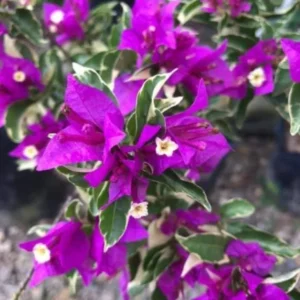
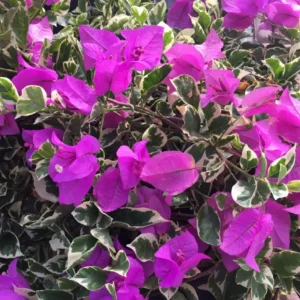
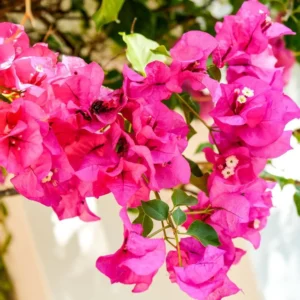
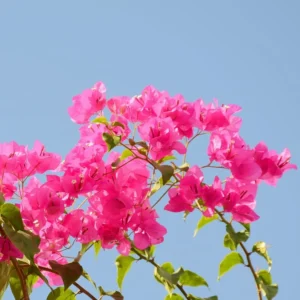
Product Details
-
USDA Hardiness Zone
9–11 -
Soil type
Well-drained sandy loam, pH 6.5–7.5 -
Sunlight Exposure
Full sun to partial sun (4–6 hours minimum) -
Expected Planting Period
Mid-spring to mid-summer
Overview
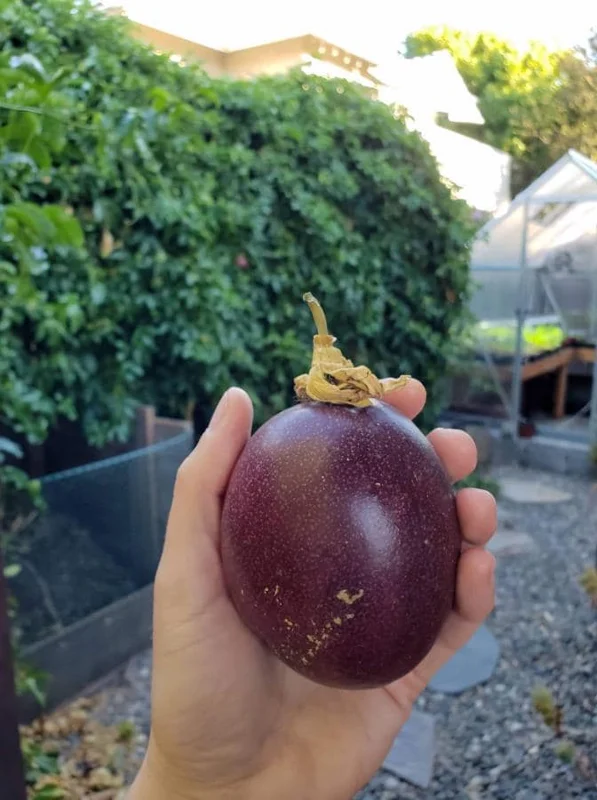
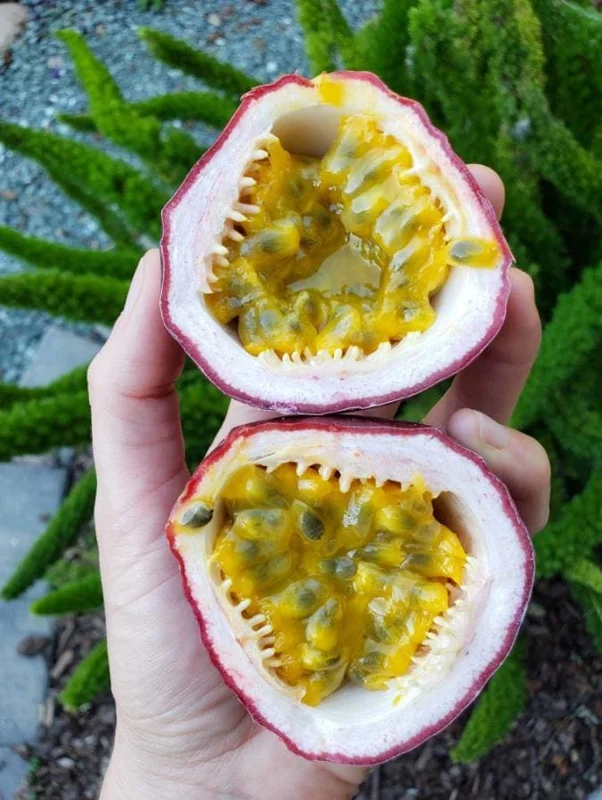
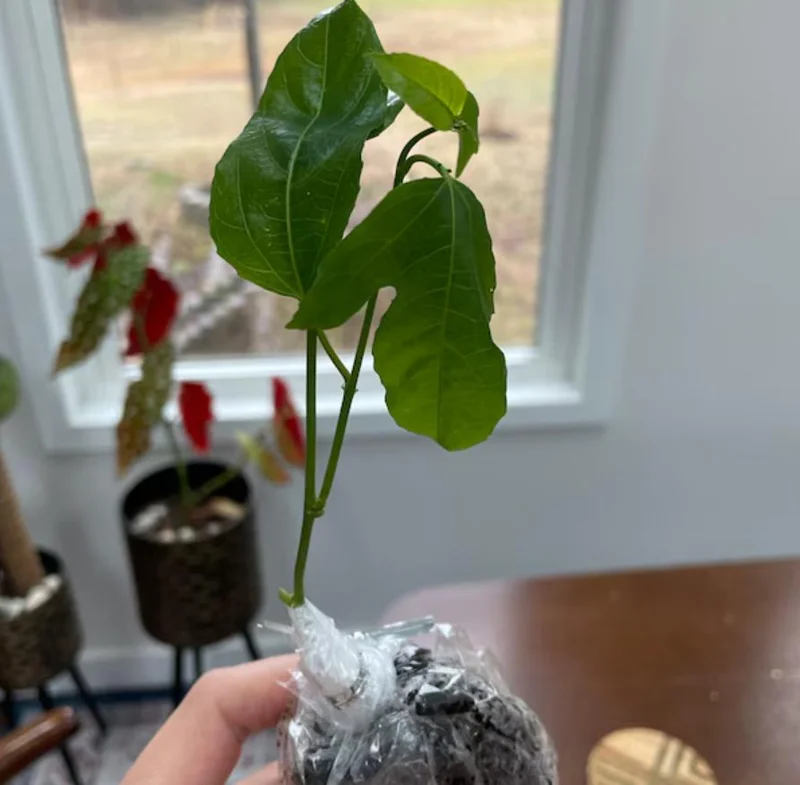
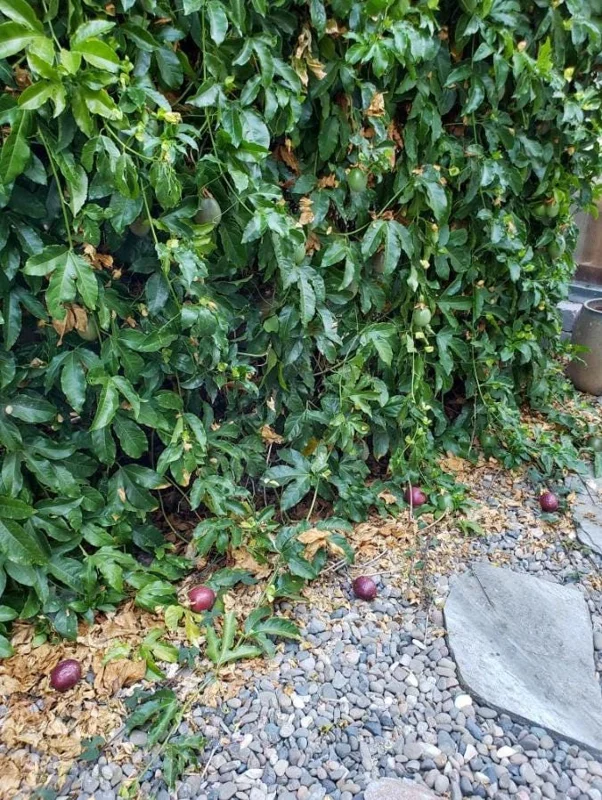
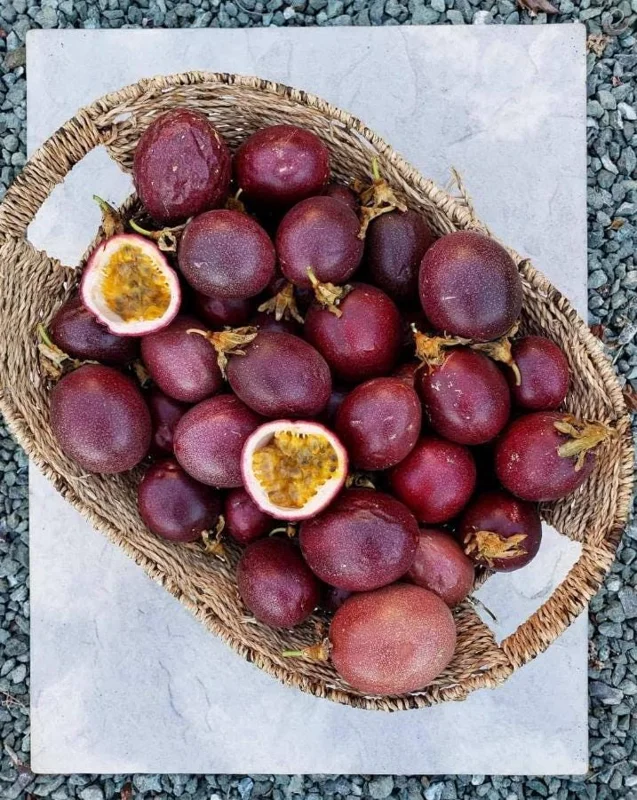
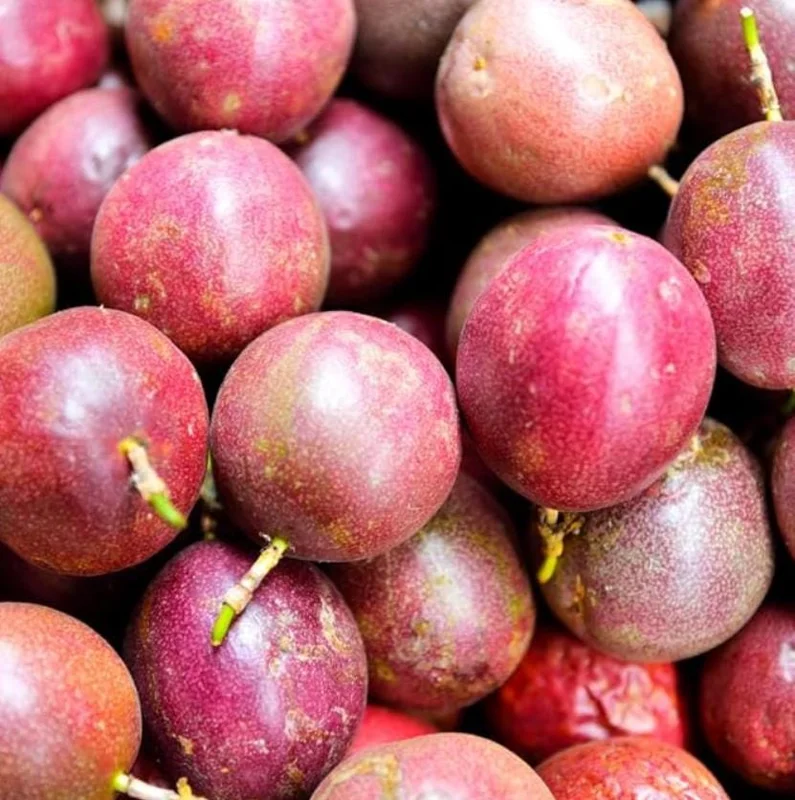
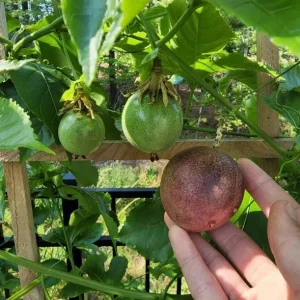
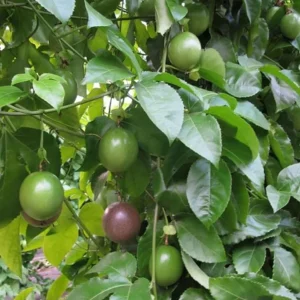
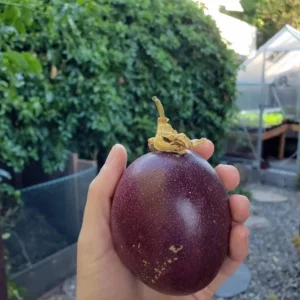
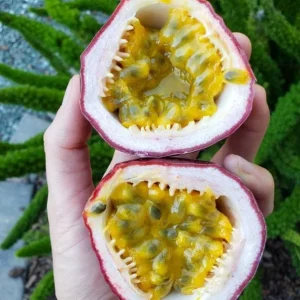
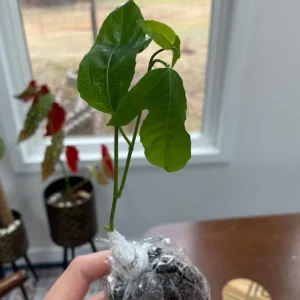
Embark on a rewarding gardening journey with this vibrant purple passion fruit live plant. You will receive a healthy starter plant, approximately 4–6 inches tall, with soil-wrapped roots, ready for immediate planting. The purple passion fruit live plant (Passiflora edulis) is a vigorous, fast-growing tropical climbing vine celebrated for its ornamental beauty and delicious, aromatic fruit. Originating from South America, this plant is a fantastic addition to any garden or patio, transforming trellises, fences, or pergolas into lush, fruiting masterpieces. Its striking purple and white flowers are a prelude to the smooth-skinned fruit, which ranges in color from purple to yellow and contains a juicy, sweet-tart pulp with edible seeds. This particular variety is prized for its robust growth and consistent fruit production, making it a favorite among gardeners looking to add an exotic touch and a flavorful harvest to their outdoor spaces.
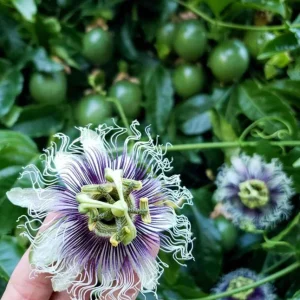
This passiflora edulis plant is not just about the fruit; it’s also a magnificent ornamental. The intricate structure and vibrant colors of its blossoms are truly captivating, attracting pollinators like bees and butterflies to your garden. As a starter plant, it’s designed for easy establishment, giving you a head start on growing your own tropical bounty. With proper care and the right conditions, this plant will quickly establish itself, offering both visual appeal and a continuous supply of fresh, homegrown passion fruit.
Key Benefits
Growing a purple passion fruit live plant offers a multitude of advantages, from aesthetic enhancement to culinary delights. This versatile vine is an excellent choice for gardeners of all experience levels seeking a rewarding and productive plant.
- Delicious Edible Fruit: The primary benefit is the production of flavorful, aromatic passion fruit, perfect for fresh eating, juices, desserts, and cocktails. Enjoy a taste of the tropics right from your backyard.
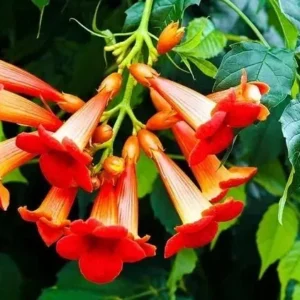
- Stunning Ornamental Value: Beyond its fruit, the vine produces exotic purple and white flowers that are incredibly beautiful and add a unique, tropical flair to any garden or patio.
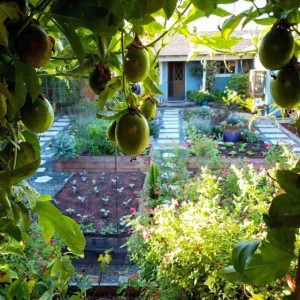
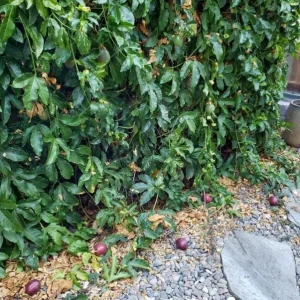
- Fast-Growing Tropical Vine: This plant is known for its rapid growth, quickly covering trellises, fences, or arbors, providing shade and privacy in a short amount of time.
- Attracts Pollinators: The vibrant flowers are a magnet for bees and butterflies, contributing to a healthier and more biodiverse garden ecosystem.
- Versatile Growing Options: Can be grown in the ground in warm climates (USDA Zones 9-11) or in large containers in cooler regions, allowing for portability and protection during colder months.
- Low Maintenance: Once established, the passiflora edulis plant requires relatively low maintenance, making it suitable for busy gardeners. Moderate watering and occasional pruning are generally sufficient.
- Healthy Soil Root Starter: Shipped with healthy, soil-wrapped roots, ensuring the plant arrives in optimal condition for successful transplanting and vigorous early growth.
Plant Care & Growing Tips
To ensure your purple passion fruit live plant thrives, understanding its specific care requirements is essential. This tropical vine prefers warm climates and plenty of sunshine to produce its best flowers and fruit. It will grow rapidly, using curly tendrils to attach to supports, so providing a sturdy trellis, fence, or arbor is crucial for its vertical growth and overall health. Protect your vine from strong winds, which can damage its delicate tendrils and foliage.
For optimal growth, plant your edible passion fruit vine in a location that receives full sun, meaning at least 6-8 hours of direct sunlight daily. In very hot regions, it can benefit from partial afternoon shade to prevent scorching. The ideal soil is well-drained, sandy loam with a pH between 6.5 and 7.5, enriched with organic matter. Good drainage is paramount, as this plant does not tolerate soggy roots. Water regularly to keep the soil consistently moist, especially during dry spells and when the plant is actively flowering and fruiting, but avoid overwatering. Fertilize with a potassium-rich fertilizer in spring and summer to encourage abundant blooms and fruit production.
Pruning is an important aspect of passion fruit plant care. Annually in spring, remove any dead, weak, or overcrowded shoots. Trimming vigorous growth will promote bushier development and increase fruit yield. Mulching around the base of the plant helps retain soil moisture, regulate temperature, and suppress weeds. While the plant is quite resilient, it is sensitive to frost, so in zones colder than USDA 9, consider growing it in a large container that can be moved indoors during winter. Fruit production typically begins about 18 months after planting, so patience will be rewarded with delicious harvests.
Size & Details
This offering is for one (1) healthy purple passion fruit live plant starter, which will arrive approximately 4–6 inches tall. The plant is shipped with its roots carefully wrapped in soil to maintain moisture and health during transit, ensuring it’s ready for immediate planting upon arrival. No pot is included, allowing you the flexibility to choose your preferred container or planting location. This fast-growing tropical vine can climb 10–15 feet when planted in the ground, and typically 4–6 feet when grown in containers, making it adaptable to various garden sizes and styles. The lush green foliage provides an attractive backdrop for the fragrant purple and white flowers that prelude the fruit. The fruit itself is smooth-skinned, with colors ranging from purple to yellow, and contains a juicy, sweet-tart pulp surrounding edible seeds. It is suitable for USDA Zones 9–11, thriving in warm, sunny conditions.
Frequently Asked Questions
- Q: How big does this purple passion fruit live plant get? A: When planted in the ground, this fast-growing vine can reach heights of 10-15 feet. In containers, it typically grows to about 4-6 feet, making it manageable for patios or smaller spaces.
- Q: Is this an indoor or outdoor plant? A: The passiflora edulis plant is primarily an outdoor plant, thriving in warm climates (USDA Zones 9-11). In cooler zones, it can be grown in containers and brought indoors during colder months.
- Q: How much sunlight does it need? A: This plant requires full sun, meaning at least 6-8 hours of direct sunlight per day. In extremely hot climates, it benefits from light afternoon shade to prevent leaf scorch.
- Q: Is this plant easy to care for? A: Once established, the purple passion fruit live plant is considered relatively low maintenance. It needs consistent watering, good drainage, and a sturdy support structure.
- Q: What condition will it arrive in? A: Your purple passion fruit starter plant will arrive healthy with soil-wrapped roots to ensure moisture and support during transit. It will be ready to be planted immediately.
- Q: How long until it blooms and produces fruit? A: Fruit production typically begins about 18 months after planting, though flowering may occur sooner. With good passion fruit plant care, you can expect a delicious harvest.
- Q: Will it survive winter in my zone? A: This plant is hardy in USDA Zones 9-11. If you live in a colder zone, you will need to provide winter protection or grow it in a container that can be moved indoors.
- Q: What type of soil is best for this edible passion fruit vine? A: It thrives in well-drained, sandy loam soil with a pH between 6.5 and 7.5. Enriching the soil with organic matter will promote healthier growth.
- Q: Does it attract wildlife? A: Yes, the vibrant flowers of the purple passion fruit live plant are known to attract pollinators such as bees and butterflies, enhancing your garden’s biodiversity.
- Q: Can I grow this plant in a small garden? A: Yes, its climbing nature makes it suitable for smaller gardens, as it grows vertically on trellises or fences. Container growing also allows for cultivation in compact spaces.
Related products
-67%
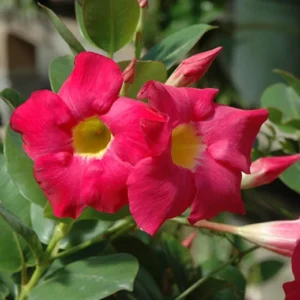
Original price was: $50.97.$16.99Current price is: $16.99.
-67%
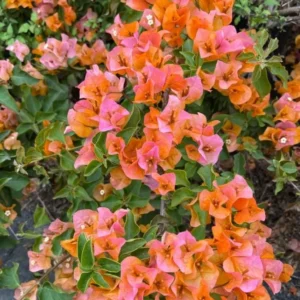
Original price was: $59.97.$19.99Current price is: $19.99.
-67%
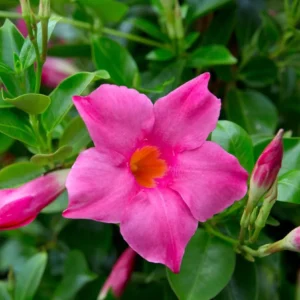
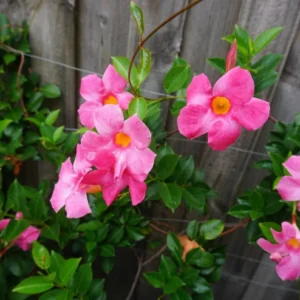
Original price was: $50.97.$16.99Current price is: $16.99.
-50%
Original price was: $267.00.$133.50Current price is: $133.50.
-67%
Original price was: $28.47.$9.49Current price is: $9.49.
-50%
Original price was: $85.98.$42.99Current price is: $42.99.
-45%
Original price was: $170.00.$93.50Current price is: $93.50.
-20%

Original price was: $36.00.$28.80Current price is: $28.80.
PLANTING & CARE
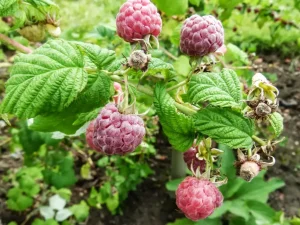
Growing Glencoe Raspberry: A Complete Guide for Gardeners
If you’re looking to add something unique to your garden, look no further than the
31
Mar
Mar

The Comprehensive Guide to Growing Bay Leaf Plants for a Flavorful Garden
Imagine stepping into your garden, greeted by the earthy aroma of fresh bay leaves, their
09
Feb
Feb

How to Make Comfrey Tea: The Ultimate Organic Plant Food
Growing an organic garden can be surprisingly expensive, especially when most store-bought fertilizers come in
02
Feb
Feb

True Comfrey: 7 Essential Tips Before You Plant This Herb
A staple in permaculture practices across the US, True Comfrey easily earns its reputation as
27
Jan
Jan

7 Heart-Shaped Plants for a Lasting Valentine’s Gift
If you’ve ever bought a bouquet of roses for Valentine’s Day, you know they are
26
Jan
Jan

Best Types of Ivy Plant for Houses: How to Choose the Perfect Ones for Your Home
Are you a garden lover looking to introduce some greenery into your home? Maybe you’ve
14
Nov
Nov

When to Harvest Garlic (Especially Fall-Planted Garlic)
TIMING IS EVERYTHING, they say – and for garlic, that truth hits with surprising accuracy.
13
Nov
Nov

11 of the Best Sweet Potato Varieties to Grow for Your Garden
If you’ve ever tried growing sweet potatoes, you know that picking the right variety can
12
Nov
Nov