Purple Passion Fruit Live Plant – Passiflora Edulis Starter – Self-Fertile Vine
-20%
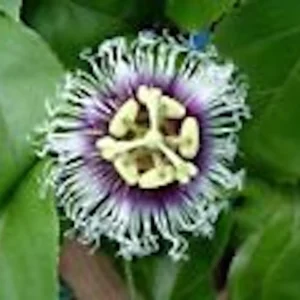
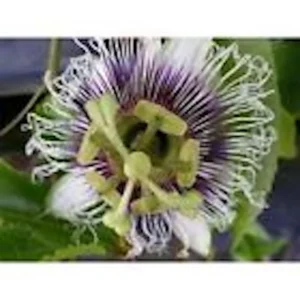
Purple Passion Fruit Live Plant – Passiflora Edulis Starter – Self-Fertile Vine
Cultivate your own exotic flavors with this purple passion fruit live plant. This self-fertile Passiflora edulis starter vine produces delicious, tangy fruit and beautiful, fragrant flowers. Ideal for warm climates, it’s a rewarding addition to any garden.
Original price was: $32.00.$25.60Current price is: $25.60.

With our Alive & Thrive Guarantee, we’ve got your back for the first 30 days! If you have any concerns about your plants, just reach out to us. Our team is here to help answer your questions and guide you in selecting the best plants for your garden, climate, and unique preferences. We're excited to help you create the garden of your dreams!
Estimated arrival
Apr 09
Apr 14 - Apr 16
Apr 19 - Apr 23
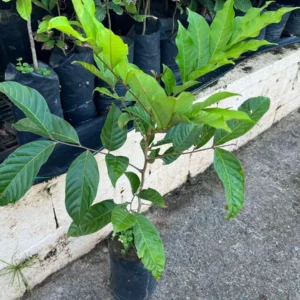
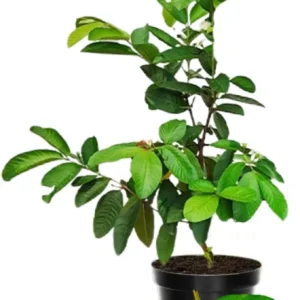
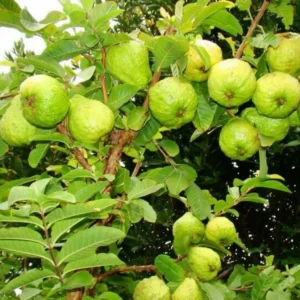
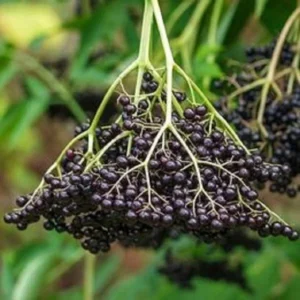
Product Details
-
USDA Hardiness Zone
USDA zones 9–11 -
Soil type
Well-drained, rich, loamy soil -
Sunlight Exposure
Full sun -
Expected Planting Period
Spring to early summer
Overview
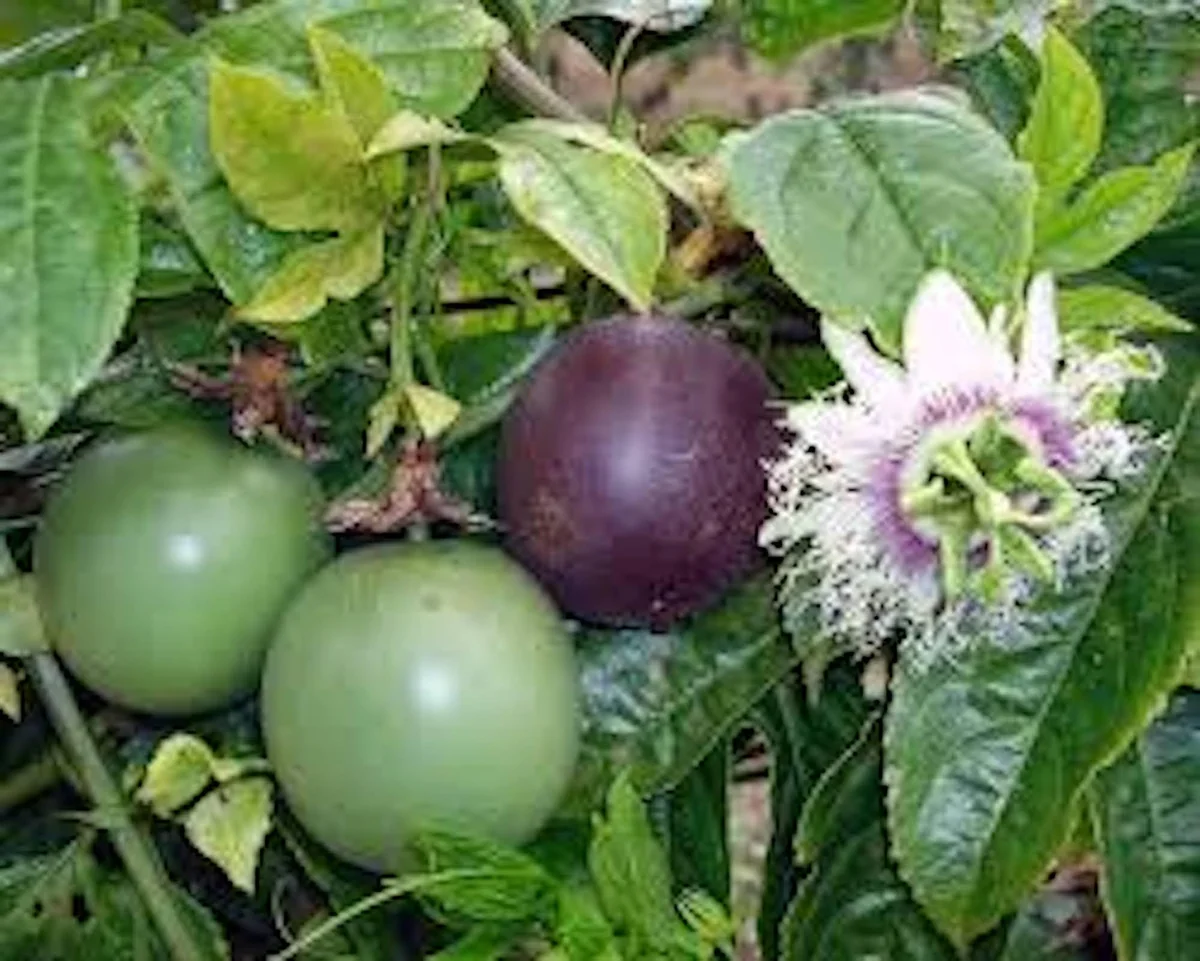
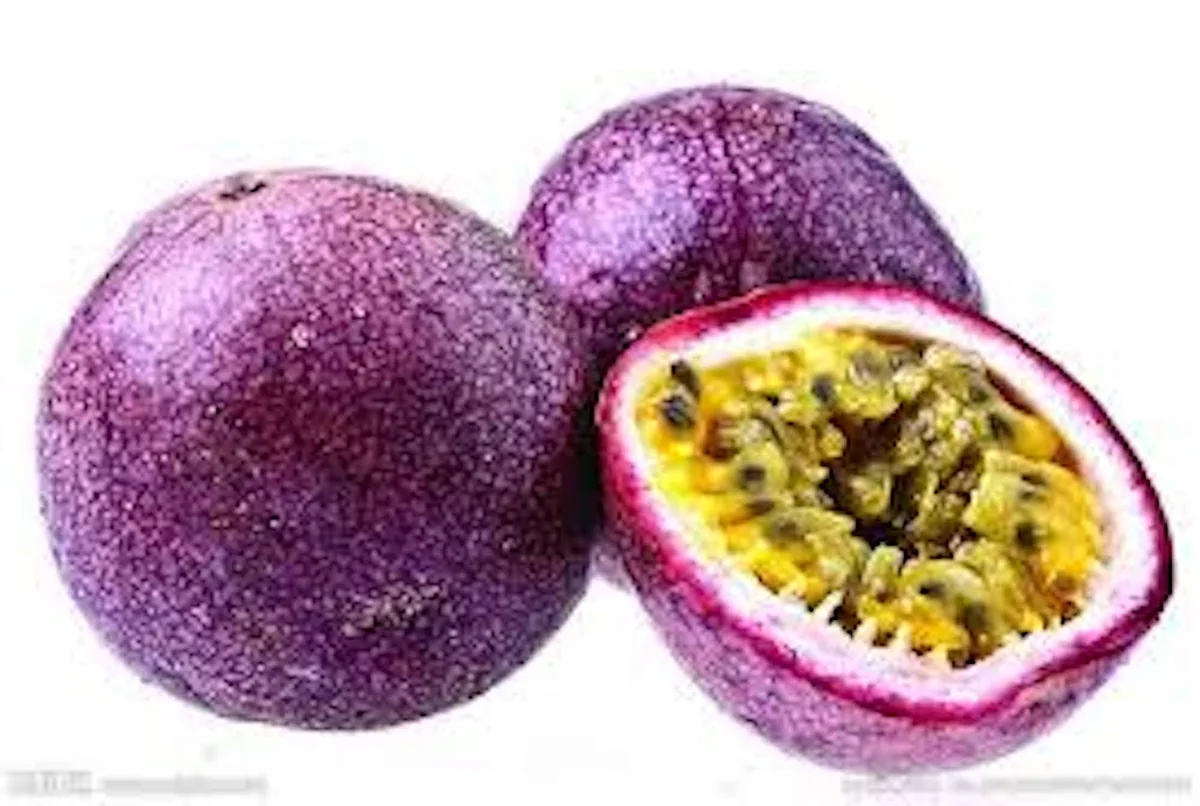
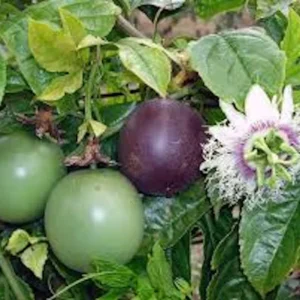
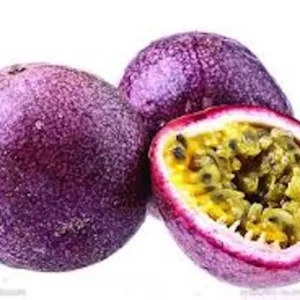
Embark on a delightful gardening journey with our vibrant purple passion fruit live plant. This vigorous, fast-growing vine, scientifically known as Passiflora edulis, is celebrated for its dual appeal: producing both exquisite, aromatic fruits and stunning, exotic flowers. Perfect for gardeners eager to add a touch of the tropics to their landscape, this particular variety is self-fertile, meaning you won’t need multiple plants for a bountiful harvest. The fruits are round, typically purple-skinned (though some can be yellow), and filled with a refreshing, tangy-sweet pulp that is incredibly versatile for culinary use. Whether enjoyed fresh, in beverages, desserts, or sauces, the flavor of homegrown passion fruit is simply unparalleled. The lush vine itself can reach impressive lengths of 10–15 feet or more, requiring a trellis or support to thrive, making it an attractive and productive living fence or arbor cover. Embrace the joy of growing your own delicious and beautiful purple passion fruit live plant.
Key Benefits
The purple passion fruit live plant offers a multitude of benefits, making it a highly desirable addition to any garden. From its aesthetic appeal to its culinary contributions and ecological advantages, this vine truly delivers:
- Delicious, Versatile Fruit: Enjoy a continuous supply of tangy, sweet-tart fruit perfect for fresh eating, juices, desserts, and savory dishes. The unique flavor profile is a culinary delight.
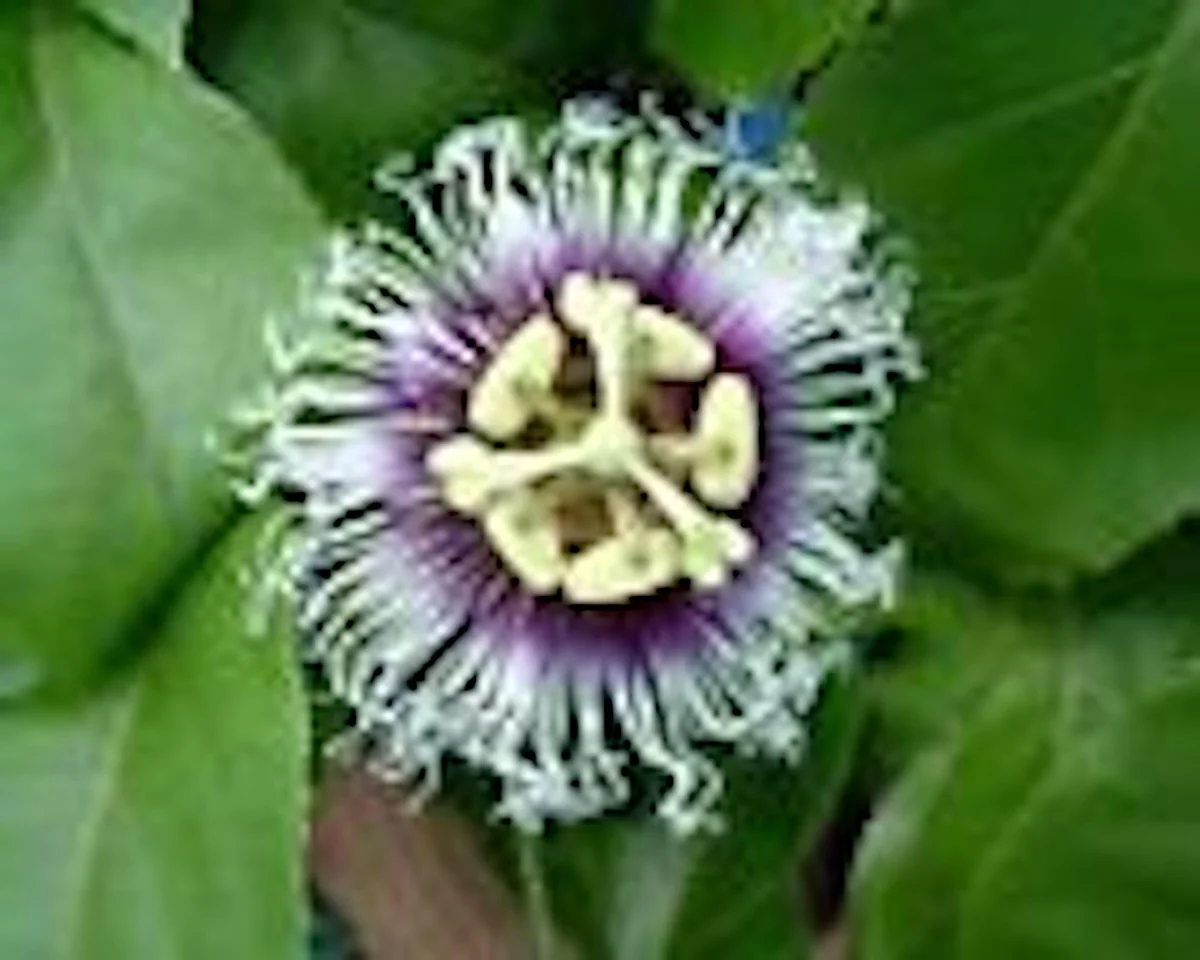
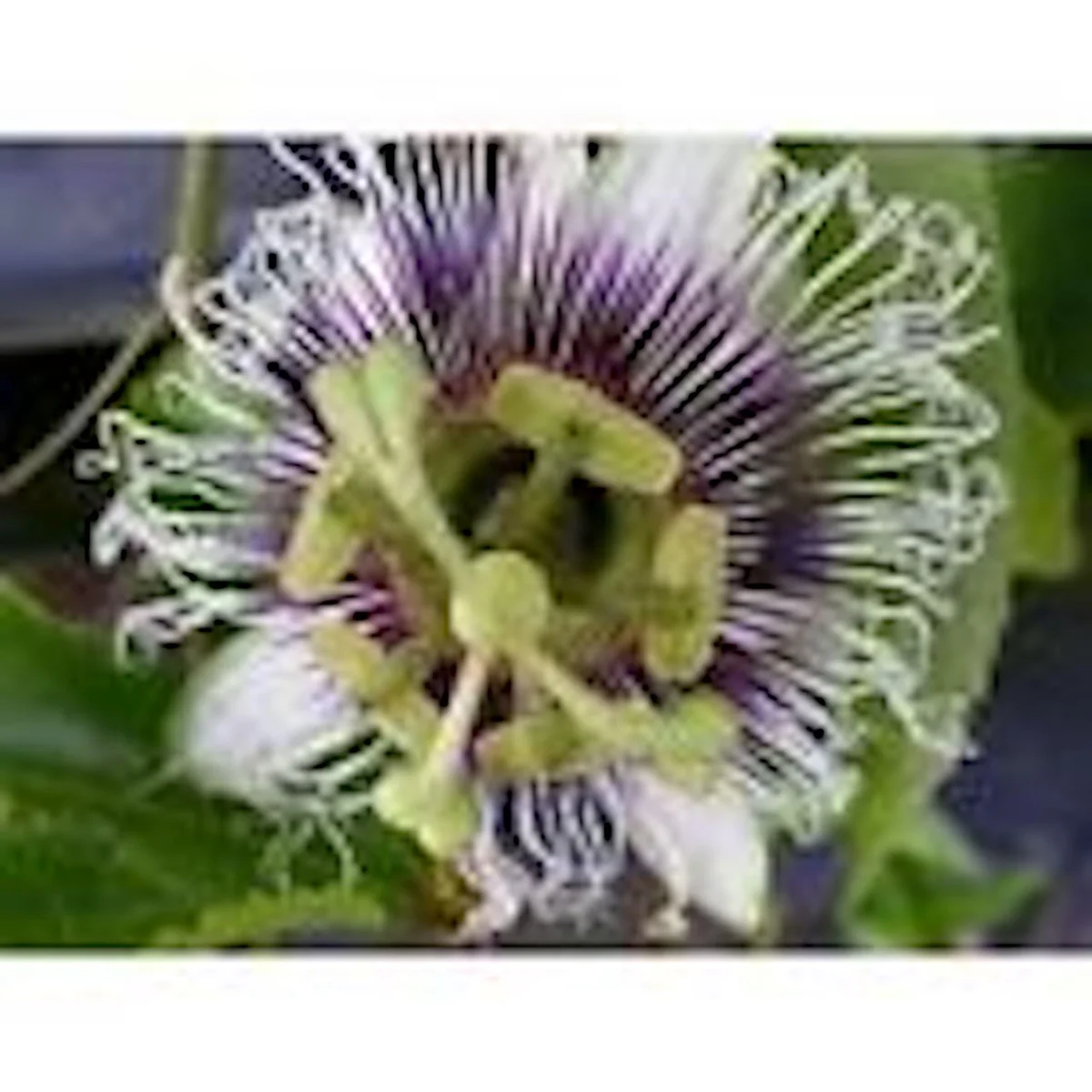
- Stunning Ornamental Flowers: The large, showy flowers boast intricate purple, blue, and white hues, providing a striking visual appeal that enhances any garden space. They are truly a conversation starter.
- Self-Fertile & Productive: As a self-fertile variety, this Passiflora edulis plant can produce fruit on its own, maximizing your yield without needing a companion plant.
- Attracts Pollinators: The vibrant flowers are a magnet for essential pollinators like bees and butterflies, contributing to a healthier and more biodiverse garden ecosystem.
- Vigorous Growth & Screening: Its fast-growing nature allows it to quickly cover trellises, fences, or arbors, providing natural shade, privacy, and an attractive green backdrop.
- Rewarding & Low-Maintenance: Once established, the purple passion fruit live plant is relatively easy to care for, offering a rewarding experience for gardeners of all skill levels.
- Tropical Ambiance: Infuse your garden with an exotic, tropical feel through its lush foliage and unique flowers, transforming your outdoor space into a vibrant oasis.
Plant Care & Growing Tips
Proper care is essential for a thriving purple passion fruit live plant. This vigorous vine flourishes in specific conditions, and understanding its needs will ensure a bountiful harvest and beautiful blooms. Passion fruit vines, including Passiflora edulis, are sun-lovers, requiring full sun exposure to produce the best fruit. This means at least 6-8 hours of direct sunlight per day. In extremely hot climates, some afternoon shade can be beneficial to prevent leaf scorch, but generally, more sun equals more fruit. Ensure your planting location receives ample light throughout the day.
When it comes to watering, consistent moisture is key, especially during flowering and fruiting periods. However, good drainage is paramount. The purple passion fruit live plant prefers well-drained soil; soggy roots can lead to rot. Water deeply when the top inch or two of soil feels dry, and reduce watering slightly during cooler, less active periods. A rich, loamy soil with a slightly acidic to neutral pH (6.0-7.0) is ideal. Amending heavy clay soils with organic matter like compost can improve drainage and fertility. For those wondering about growing passion fruit vine in different regions, these plants thrive in warm climates and are sensitive to frost, making them best suited for passion fruit plant USDA zone 9–11. If you live in a cooler zone, consider growing it in a large container that can be moved indoors during winter.
Fertilization should be regular during the growing season (spring through summer). Use a balanced fertilizer with a slightly higher potassium content to encourage flowering and fruiting. Apply according to package directions, typically every 4-6 weeks. Pruning is also important to manage growth, encourage new fruiting wood, and maintain plant health. Remove any dead, diseased, or tangled branches. While generally hardy, keep an eye out for common pests like aphids or spider mites, treating them with insecticidal soap if necessary. With these consistent care practices, your purple passion fruit live plant will reward you with years of delicious fruit and stunning flowers.
Size & Details
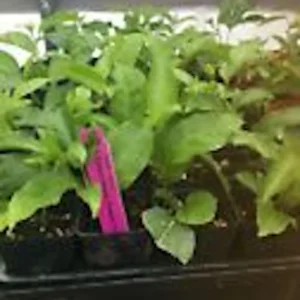
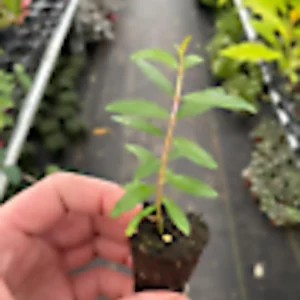
This offering is for a purple passion fruit live plant starter, typically shipped as a bare-root plant. While exact dimensions may vary slightly depending on the growth stage, starter plants are usually well-rooted and ready for transplanting into your garden or a larger pot. The Passiflora edulis vine is known for its vigorous growth rate, quickly establishing itself and climbing supports. Expect the mature vine to reach lengths of 10–15 feet or more when provided with adequate space and a sturdy trellis or arbor. Fruit production usually begins within 1-2 years of planting, with mature plants bearing fruit for several seasons. This self-fertile variety ensures you’ll get fruit from a single plant. Plant in USDA hardiness zones 9–11 for optimal outdoor growth, or cultivate in containers in cooler regions. The plant is appreciative of full sun and well-drained soil, making it a relatively low-maintenance yet highly rewarding addition to your edible landscape.
Frequently Asked Questions
- Q: How big does this purple passion fruit live plant get? A: A mature purple passion fruit live plant vine can grow quite long, typically reaching 10–15 feet or more in length, especially with proper support like a trellis or arbor.
- Q: Is this an indoor or outdoor plant? A: This passion fruit vine thrives outdoors in warm climates (USDA zones 9–11). In cooler zones, it can be grown in a large container and brought indoors during winter to protect it from frost.
- Q: How much sunlight does it need? A: For optimal growth and fruit production, your purple passion fruit live plant requires full sun, meaning at least 6-8 hours of direct sunlight per day.
- Q: Is this plant easy to care for? A: Once established, passiflora edulis care is relatively low-maintenance. It primarily needs consistent watering, full sun, and a support structure to climb.
- Q: What condition will it arrive in? A: This plant is typically shipped as a bare-root starter, meaning it will arrive without soil or a pot, ready for immediate planting.
- Q: How long until it produces fruit? A: With proper care, your self-fertile passion fruit plant can begin producing fruit within 1 to 2 years after planting.
- Q: Will it survive winter in my zone? A: This vine is sensitive to frost. It is best suited for passion fruit plant USDA zone 9–11. If you are in a colder zone, provide winter protection or grow it in a pot that can be moved indoors.
- Q: What kind of soil is best for growing passion fruit vine? A: Passion fruit vines prefer well-drained, fertile soil. A good quality potting mix amended with compost works well for containers, and garden soil should be well-aerated.
- Q: Do I need more than one plant for fruit? A: No, this particular variety is a self-fertile passion fruit, meaning a single plant is capable of producing fruit on its own without the need for cross-pollination from another plant.
- Q: Can I grow this plant in a container? A: Yes, you can grow this passion fruit vine in a large container (at least 15-20 gallons) with good drainage, especially if you live outside its recommended hardiness zones.
Related products
-20%
Original price was: $60.00.$48.00Current price is: $48.00.
-20%
Original price was: $31.98.$25.58Current price is: $25.58.
-20%
Original price was: $80.00.$64.00Current price is: $64.00.
-20%
Original price was: $32.00.$25.60Current price is: $25.60.
-20%
Original price was: $32.00.$25.60Current price is: $25.60.
-10%
Original price was: $158.00.$142.20Current price is: $142.20.
-20%
Original price was: $32.00.$25.60Current price is: $25.60.
-10%
Original price was: $48.99.$44.09Current price is: $44.09.
PLANTING & CARE
Growing Glencoe Raspberry: A Complete Guide for Gardeners
If you’re looking to add something unique to your garden, look no further than the
31
Mar
Mar

The Comprehensive Guide to Growing Bay Leaf Plants for a Flavorful Garden
Imagine stepping into your garden, greeted by the earthy aroma of fresh bay leaves, their
09
Feb
Feb

How to Make Comfrey Tea: The Ultimate Organic Plant Food
Growing an organic garden can be surprisingly expensive, especially when most store-bought fertilizers come in
02
Feb
Feb

True Comfrey: 7 Essential Tips Before You Plant This Herb
A staple in permaculture practices across the US, True Comfrey easily earns its reputation as
27
Jan
Jan

7 Heart-Shaped Plants for a Lasting Valentine’s Gift
If you’ve ever bought a bouquet of roses for Valentine’s Day, you know they are
26
Jan
Jan

Best Types of Ivy Plant for Houses: How to Choose the Perfect Ones for Your Home
Are you a garden lover looking to introduce some greenery into your home? Maybe you’ve
14
Nov
Nov

When to Harvest Garlic (Especially Fall-Planted Garlic)
TIMING IS EVERYTHING, they say – and for garlic, that truth hits with surprising accuracy.
13
Nov
Nov

11 of the Best Sweet Potato Varieties to Grow for Your Garden
If you’ve ever tried growing sweet potatoes, you know that picking the right variety can
12
Nov
Nov