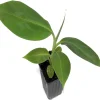
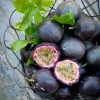
Purple Passion Fruit Live Plant – Starter Vine 4-6 Inches Tall – Edible Passiflora Possum
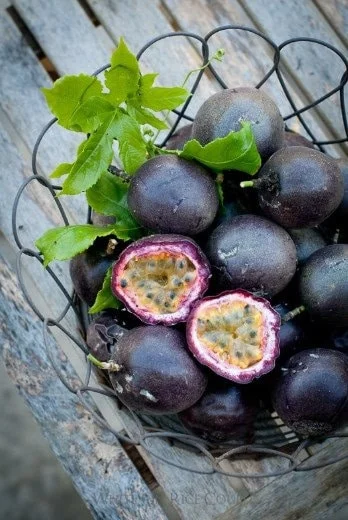
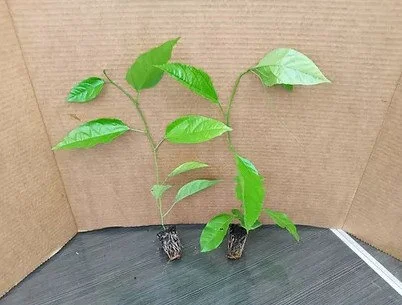
Purple Passion Fruit Live Plant – Starter Vine 4-6 Inches Tall – Edible Passiflora Possum
Cultivate your own exotic fruits with this purple passion fruit plant. This 4-6 inch starter vine, known for its rapid growth, produces delicious, edible fruits and aromatic, showy flowers, making it a beautiful and productive addition to any garden.
$31.98

With our Alive & Thrive Guarantee, we’ve got your back for the first 30 days! If you have any concerns about your plants, just reach out to us. Our team is here to help answer your questions and guide you in selecting the best plants for your garden, climate, and unique preferences. We're excited to help you create the garden of your dreams!
Estimated arrival
Oct 14
Oct 19 - Oct 21
Oct 24 - Oct 28
Product Details
-
USDA Hardiness Zone
USDA zones 9-11 -
Soil type
Well-draining, fertile soil -
Sunlight Exposure
Full sun -
Expected Planting Period
Spring to early summer
Overview
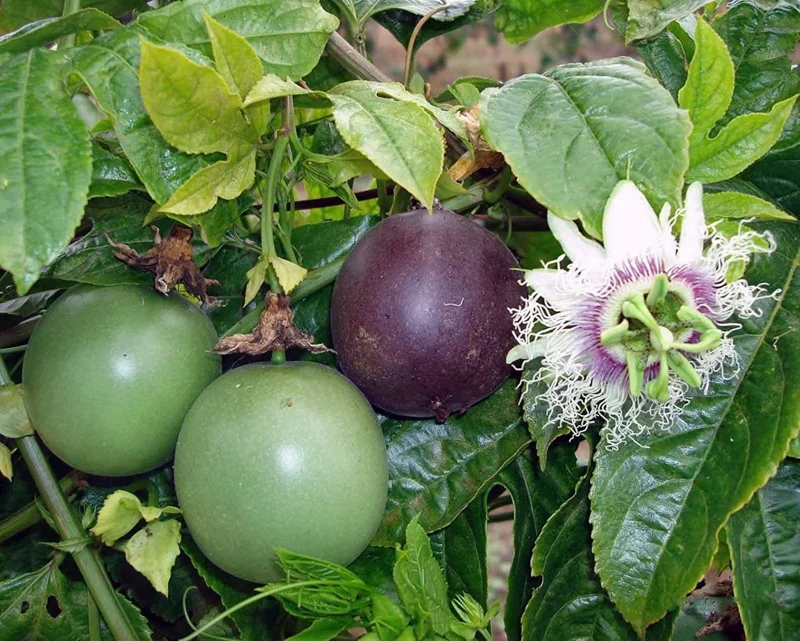
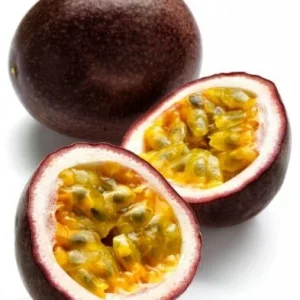
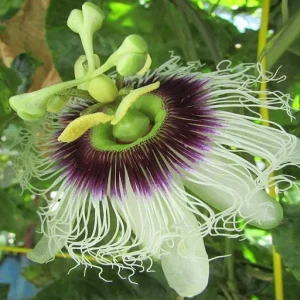
Embark on a rewarding gardening journey with our purple passion fruit plant. This starter vine offers the opportunity to grow your own exotic and delicious fruit right at home. Known by its botanical name, Passiflora edulis ‘Purple Possum’, this plant is a vigorous climber, quickly transforming fences, trellises, or arbors into lush, green canopies. The ‘Purple Possum’ variety is particularly prized for its self-pollinating nature and abundant production of delectable, goose egg-sized fruits with a rich, tangy pulp. Beyond its culinary appeal, the passion fruit vine boasts large, intricate, and highly aromatic flowers that are a magnet for butterflies, adding significant ornamental value to your outdoor space. Whether you’re an experienced gardener or just starting, growing passion fruit is a delightful and fruitful endeavor, providing both beauty and bounty from your garden.
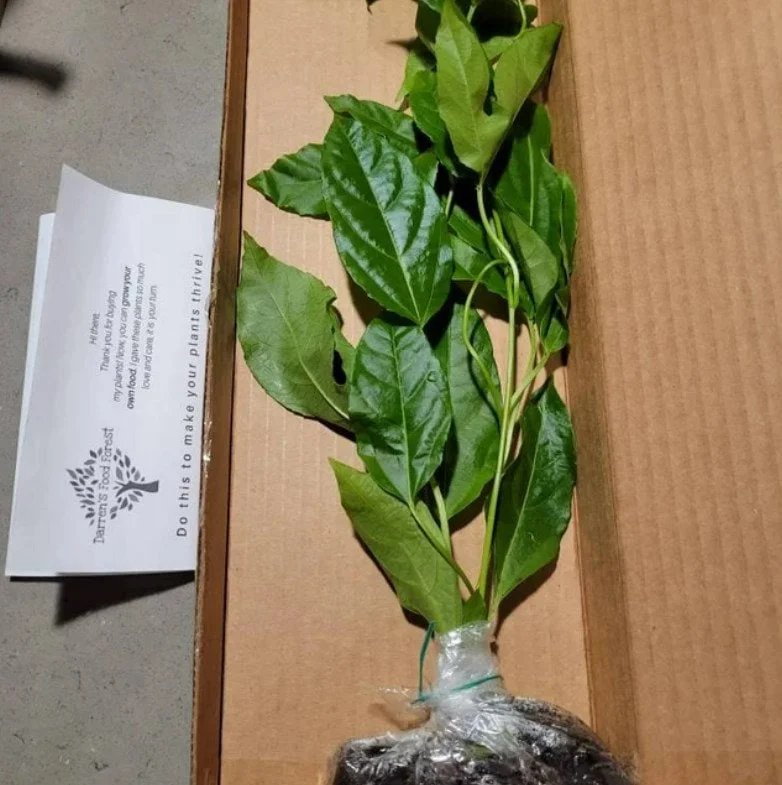
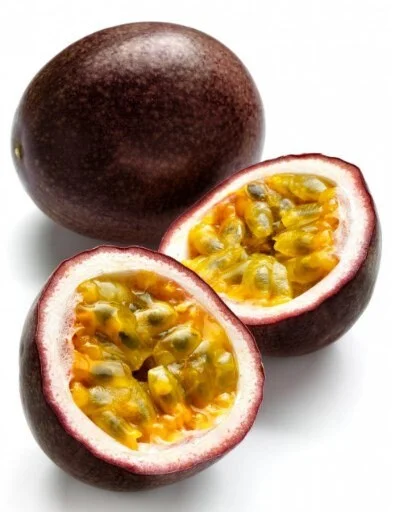
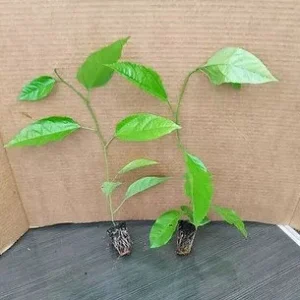
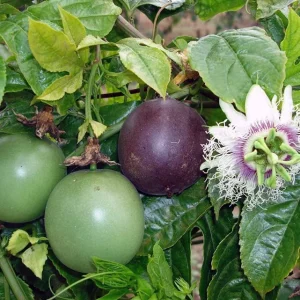
Our purple passion fruit plant arrives as a healthy 4-6 inch tall starter, ready to establish itself in your garden. This particular variety is celebrated for its robust growth and the consistent quality of its fruit. The vibrant purple skin of the mature fruit encases a juicy, aromatic pulp that is perfect for a wide array of culinary uses, from refreshing drinks to decadent desserts. The rapid growth rate also makes this vine an excellent choice for providing quick natural coverage and privacy, creating a stunning visual impact in a short period. Experience the joy of harvesting your own tropical fruit with this easy-to-grow and highly rewarding plant.
Key Benefits
The purple passion fruit plant offers a multitude of benefits, making it an excellent choice for any gardener looking to add both beauty and productivity to their landscape. From its stunning visual appeal to its culinary versatility, this vine is a true garden gem.
- Produces Delicious Edible Fruit: Enjoy a continuous harvest of flavorful, tangy purple passion fruits, perfect for juices, desserts, and fresh eating. The ‘Purple Possum’ variety is known for its high yield and excellent taste, making it a favorite for those interested in edible passion fruit.
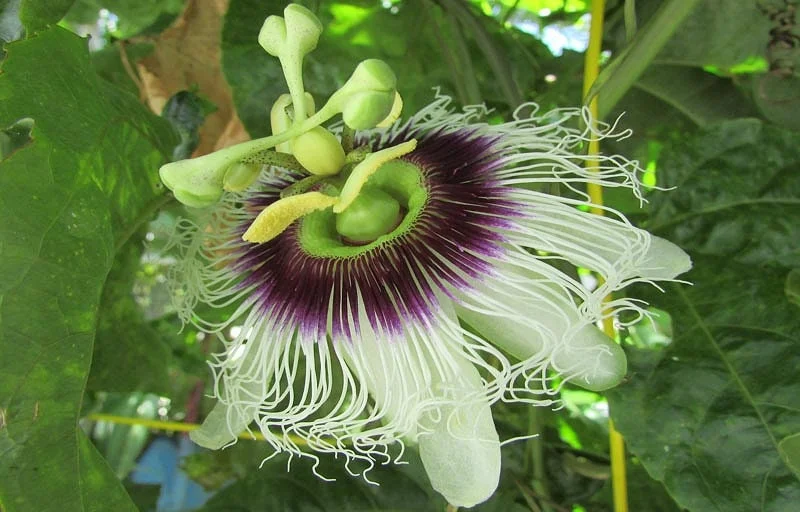
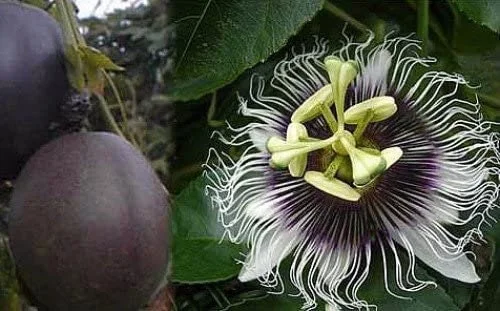
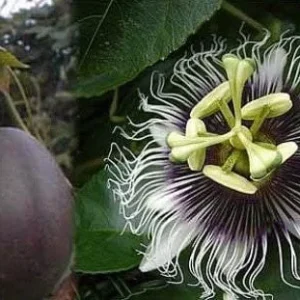
- Beautiful & Aromatic Flowers: The vine produces large, showy, and extremely fragrant flowers that add a tropical flair to your garden. These intricate blooms are a visual delight and fill the air with a sweet scent.
- Attracts Pollinators: The vibrant flowers are a strong attractant for butterflies and other beneficial pollinators, contributing to a healthy garden ecosystem. This makes the passiflora vine a great choice for eco-conscious gardeners.
- Fast-Growing Vine: This vigorous climber quickly covers fences, trellises, and arbors, providing natural shade, privacy, and a lush green backdrop in a short amount of time. It’s an ideal solution for quickly enhancing garden aesthetics.
- Self-Pollinating Variety: The ‘Purple Possum’ variety is self-pollinating, meaning you only need one plant to produce fruit, simplifying the growing process and ensuring a reliable harvest. This is a significant advantage for growing passion fruit in smaller spaces.
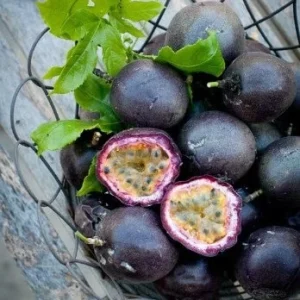
- Versatile Culinary Use: The fruit’s pulp is extensively used in juice drinks, baked goods, salads, and both alcoholic and non-alcoholic beverages, offering endless culinary possibilities.
- Excellent Value: A single established vine can produce hundreds of fruits, offering significant savings compared to purchasing passion fruit from stores, making it a cost-effective addition to your home garden.
Plant Care & Growing Tips
Caring for your purple passion fruit plant is relatively straightforward, especially with the right conditions. This tropical vine thrives in warm climates and requires specific attention to sunlight, water, and soil to ensure abundant fruit production. For optimal growth, choose a location that receives full sun, meaning at least 6-8 hours of direct sunlight per day. While it can tolerate partial shade, fruit production will be significantly reduced. In very hot climates, some afternoon shade can prevent leaf scorch. Provide a sturdy support structure like a trellis, fence, or arbor for the vine to climb, as it is a vigorous grower and will quickly seek out something to cling to with its tendrils.
Water your edible passion fruit regularly, especially during dry periods and when the plant is actively flowering and fruiting. The soil should be kept consistently moist but not waterlogged. Good drainage is crucial to prevent root rot. A well-draining, fertile soil with a slightly acidic to neutral pH (6.0-7.0) is ideal. Amend heavy clay soils with organic matter to improve drainage and sandy soils to enhance water retention. Fertilize your passion fruit vine every 4-6 weeks during the growing season with a balanced fertilizer, reducing frequency in fall and winter. Protect young plants from frost, as passion fruit is sensitive to cold temperatures. In colder USDA Zones, consider growing it in a large container that can be moved indoors during winter, or treat it as an annual.
Pruning is essential for maintaining the health and productivity of your purple passion fruit plant. Prune in late winter or early spring to remove dead or weak stems and to control its size and shape. This encourages new growth, which is where the flowers and fruits will form. Watch out for common pests like aphids and spider mites, and treat with organic insecticidal soap if necessary. Good air circulation also helps prevent fungal diseases. With proper care, your vine will reward you with beautiful blooms and a bountiful harvest of delicious fruit, making growing passion fruit a truly enjoyable experience.
Size & Details
This offering is for a purple passion fruit plant starter, measuring approximately 4-6 inches tall. The plant is shipped as a healthy, young vine, ready to be transplanted into your garden or a larger pot. Passion fruit vines are known for their rapid growth rate, often reaching significant lengths within a single growing season. When mature, the vine can spread extensively, typically covering a large area on a trellis or fence. The fruit of the ‘Purple Possum’ variety usually grows to about the size of a goose egg, with a vibrant purple skin and a highly aromatic, juicy pulp. Expected time to first fruiting can vary but often occurs within 1-2 years under optimal growing conditions. This particular passiflora vine is a robust and productive choice for home gardeners.
Frequently Asked Questions
- Q: How big will the purple passion fruit plant get? A: This starter plant is 4-6 inches tall upon arrival. Mature passion fruit vines are vigorous climbers and can grow very long, often reaching 15-20 feet or more in a single season, depending on growing conditions and support.
- Q: Is this an indoor or outdoor plant? A: While it can be grown outdoors in USDA Zones 9-11, where it is perennial, it can also be grown in containers and brought indoors during colder months in other zones. It thrives outdoors in warm, sunny climates.
- Q: How much sunlight does this edible passion fruit vine need? A: For best fruit production and growth, the purple passion fruit plant requires full sun, meaning at least 6-8 hours of direct sunlight per day.
- Q: How often should I water my passion fruit plant? A: Water regularly to keep the soil consistently moist, especially during dry periods and when the plant is flowering and fruiting. Avoid overwatering, as good drainage is essential.
- Q: Is this variety self-pollinating? A: Yes, the ‘Purple Possum’ variety of purple possum passion fruit is self-pollinating, so you only need one plant to get fruit.
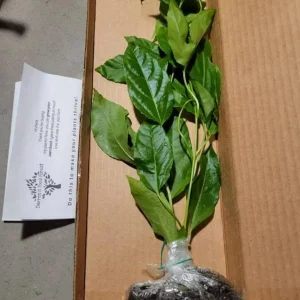
- Q: What condition will the starter plant arrive in? A: The starter plant is 4-6 inches tall and shipped as a healthy, live plant, ready for transplanting. We take care to ensure it arrives in good condition.
- Q: When is the best time to plant purple passion fruit? A: The best time to plant is in spring or early summer after all danger of frost has passed, allowing the plant ample time to establish before cooler weather.
- Q: Can I use the fruit in cooking? A: Absolutely! The fruit of the purple passion fruit plant is highly versatile and used extensively in juices, desserts, salads, and both alcoholic and non-alcoholic drinks.
- Q: What kind of soil does it prefer? A: It prefers a well-draining, fertile soil with a slightly acidic to neutral pH (6.0-7.0). Amending with organic matter is beneficial.
- Q: Will this plant attract butterflies? A: Yes, the large, showy, and aromatic flowers of the passiflora vine are excellent attractants for butterflies and other pollinators.
Related products
-10%
Original price was: $158.00.$142.20Current price is: $142.20.
-51%
Original price was: $43.99.$21.59Current price is: $21.59.
-49%
Original price was: $59.38.$29.99Current price is: $29.99.
-20%
Original price was: $56.00.$44.80Current price is: $44.80.
-20%
Original price was: $31.98.$25.58Current price is: $25.58.
-20%
Original price was: $36.00.$28.80Current price is: $28.80.
-20%
Original price was: $34.00.$27.20Current price is: $27.20.
PLANTING & CARE
Lemon Tree Growing: Choose, Plant, and Harvest
Learn how to choose, plant, feed, and protect a lemon tree so it fits your
23
Sep
Sep
Dwarf Meyer Lemon Tree Australia: Climate Guide
Learn where dwarf Meyer lemon trees grow, how much cold they tolerate, and whether Australia,
Where to Buy a Dwarf Meyer Lemon Tree: Buyer’s Guide
Find the right dwarf Meyer lemon tree online or locally, compare starter sizes and costs,
Dwarf Meyer Lemon Tree for Sale: Buying Guide
Compare Meyer lemon tree sizes, prices, shipping limits, indoor growing and California options before you
Dwarf Meyer Lemon Tree Guide: Size, Care and Fruit
META: Learn how large a dwarf Meyer lemon tree grows, where it thrives, and how
How to Prune a Dwarf Meyer Lemon Tree
Learn when and how to prune a dwarf Meyer lemon tree, including tools, shaping cuts,
Can You Grow a Dwarf Meyer Lemon Tree in a Pot?
META: Learn how to grow a dwarf Meyer lemon tree in a pot, including container
When Do Dwarf Meyer Lemon Trees Bloom and Fruit?
META: Dwarf Meyer lemon trees usually bloom from winter through spring and may flower again