Purple Prickly Pear Cactus Live Plant, 3-5 Inch, Outdoor Growing Succulent
-50%
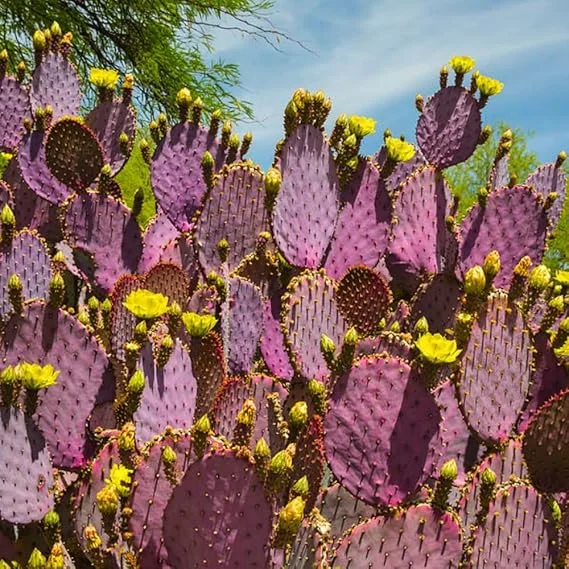
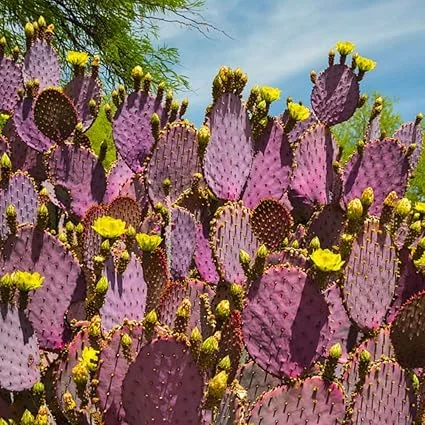
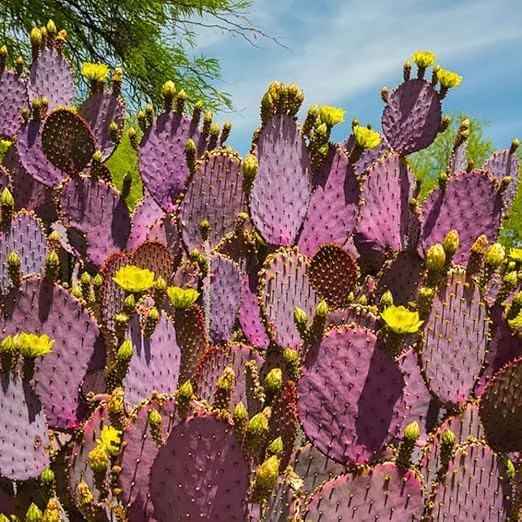
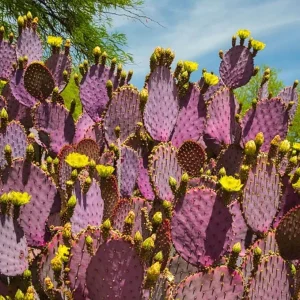
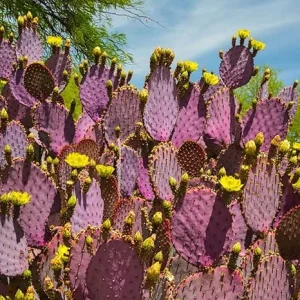
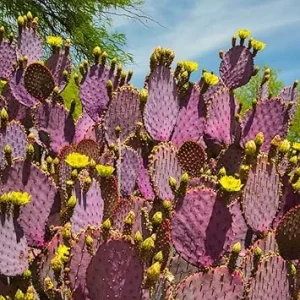
Purple Prickly Pear Cactus Live Plant, 3-5 Inch, Outdoor Growing Succulent
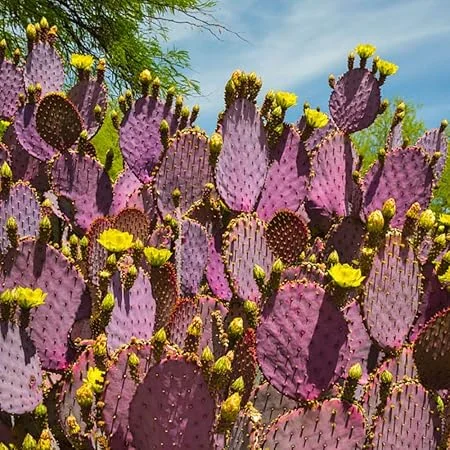
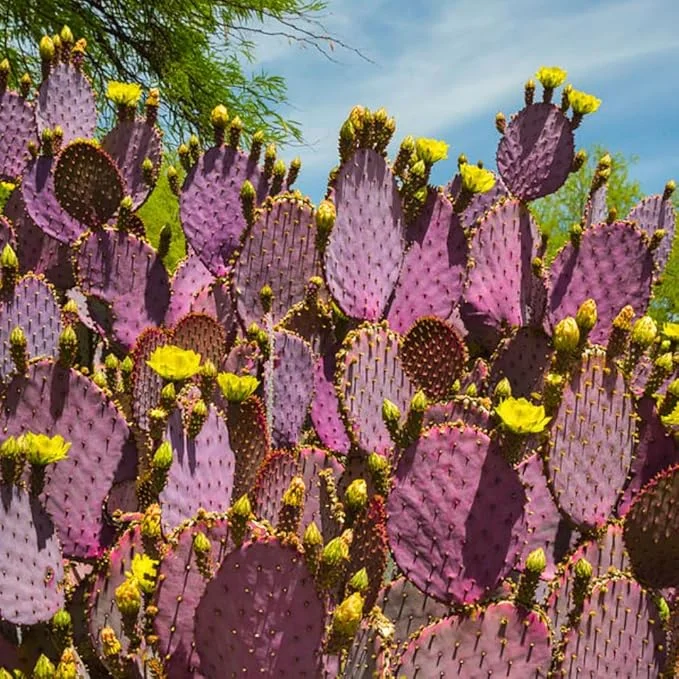
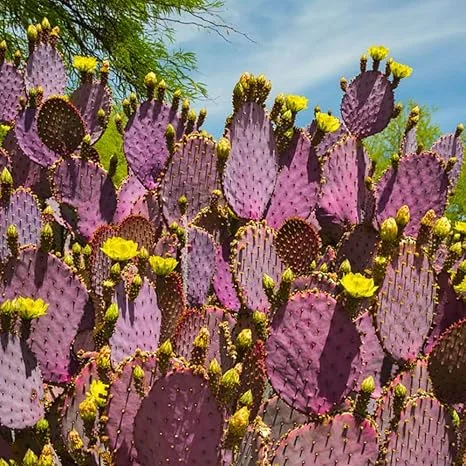
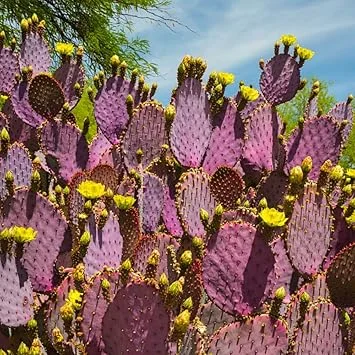
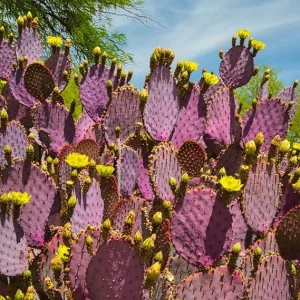
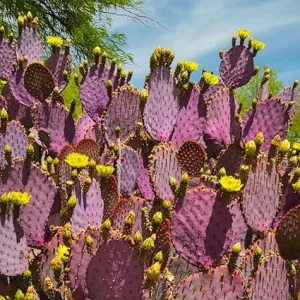
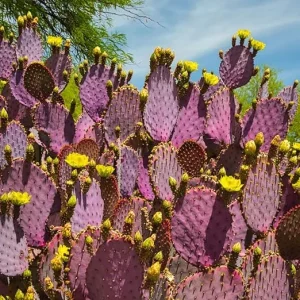
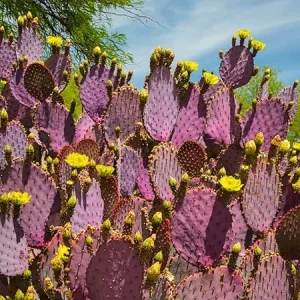
Add a unique touch to your garden with this vibrant purple prickly pear cactus live plant. Measuring 3-5 inches, this drought-tolerant succulent is easy to care for and thrives outdoors. Enjoy its striking purple pads and the potential for sweet, edible fruits. Ideal for various garden landscapes.
Original price was: $37.98.$18.99Current price is: $18.99.

With our Alive & Thrive Guarantee, we’ve got your back for the first 30 days! If you have any concerns about your plants, just reach out to us. Our team is here to help answer your questions and guide you in selecting the best plants for your garden, climate, and unique preferences. We're excited to help you create the garden of your dreams!
Estimated arrival
Apr 13
Apr 18 - Apr 20
Apr 23 - Apr 27
Product Details
-
USDA Hardiness Zone
4-10 -
Soil type
Well-draining cactus mix or sandy soil -
Sunlight Exposure
Full sun -
Expected Planting Period
Spring to early summer
Overview
Introduce a splash of vibrant color and unique texture to your garden with the stunning purple prickly pear cactus live plant. This beautiful succulent, scientifically known as Opuntia violacea (often referred to by varieties like Opuntia macrocentra or Opuntia santa-rita for their purple hues), is celebrated for its distinctive purple pads that intensify with sun exposure. Arriving as a healthy 3-5 inch specimen, this prickly pear cactus live plant is ready to establish itself in your outdoor landscape, offering both ornamental beauty and practical benefits. Its resilience and low-maintenance nature make it an excellent choice for both novice and experienced gardeners looking for a striking, drought-tolerant addition.
The purple prickly pear cactus live plant is a fascinating species known not only for its visual appeal but also for its ability to produce sweet, edible fruits. These fruits, often called “tunas,” are a culinary delight, adding another layer of interest to this already remarkable plant. Whether you’re aiming to create a desert-themed garden, add a unique specimen to a rock garden, or simply enjoy a plant that requires minimal fuss, this purple prickly pear cactus live plant is an outstanding selection.
Key Benefits
Choosing a purple prickly pear cactus live plant brings numerous advantages to your garden and lifestyle. Its unique characteristics make it a standout choice for various outdoor settings.
- Vibrant Purple Foliage: This plant produces eye-catching purple pads that become more intense in color with increased sunlight, providing a dynamic visual element in your garden throughout the seasons. It’s a fantastic way to introduce a unique color palette.
- Drought-Tolerant & Low Maintenance: As a cactus, it naturally requires very little water once established, making it an ideal choice for xeriscaping or for gardeners seeking a plant that thrives on neglect. Its low-maintenance needs free up your time for other gardening pursuits.
- Produces Edible Fruits: Beyond its ornamental value, the purple prickly pear cactus live plant yields delicious, sweet purple fruits known as ‘tunas.’ These can be harvested and enjoyed fresh or used in jams, jellies, and beverages, offering a rewarding culinary experience.
- Adaptable & Resilient: This hardy succulent is suitable for a wide range of climates, thriving in USDA Zones 4-10. Its robust nature allows it to withstand various environmental conditions, making it a reliable addition to many garden types.
- Space-Saving Design: Its growth habit makes it suitable for various spaces, from small urban gardens and balconies in containers to larger garden landscapes, providing flexibility in placement and design.
- Natural Wildlife Habitat: The plant can attract beneficial pollinators and provide a natural habitat element for local wildlife, contributing to biodiversity in your outdoor space.
- Unique Garden Accent: Its distinctive form and color make it a superb focal point or accent plant, creating visual interest and conversation in any garden setting. Adding an edible prickly pear fruit producer is a bonus.
Plant Care & Growing Tips
Caring for your purple prickly pear cactus live plant is straightforward, thanks to its resilient nature. This plant thrives in conditions that mimic its natural desert habitat, making it an excellent choice for those who prefer a less demanding gardening routine. For optimal growth and the most vibrant purple coloration, ensure your prickly pear cactus outdoor receives plenty of direct sunlight. A location with full sun exposure, ideally 6-8 hours per day, will promote healthy growth and intensify the purple hues of its pads.
When it comes to watering, less is generally more. This drought tolerant cactus prefers dry conditions and is highly susceptible to root rot if overwatered. Allow the soil to dry out completely between waterings, especially during cooler months. During the active growing season (spring and summer), water thoroughly but infrequently. Good drainage is paramount; plant in well-draining soil, such as a cactus and succulent mix, or amend your garden soil with sand or perlite to improve drainage. The purple opuntia plant is hardy in USDA Zones 4-10, meaning it can tolerate a wide range of temperatures. In colder zones, ensure it’s protected from prolonged freezes or consider growing it in a container that can be moved indoors. Fertilization is not strictly necessary but can be done sparingly with a low-nitrogen cactus fertilizer during the growing season.
Size & Details
This offering includes one healthy purple prickly pear cactus live plant, typically measuring 3-5 inches in height. These young plants are shipped bare root or with minimal soil to ensure safe transit and are ready for immediate planting upon arrival. The exact dimensions can vary slightly as these are live, growing specimens, but they are carefully selected to be within the specified size range. This cactus boasts a moderate growth rate, eventually forming a multi-segmented plant that can reach several feet in height and width, depending on growing conditions and climate. With proper care, you can expect your purple prickly pear cactus live plant to establish itself quickly and begin producing new pads and, eventually, the sought-after edible fruits.
The plant’s pads are its primary structural and photosynthetic components, and their vibrant purple color is a key characteristic. As it matures, it will develop a more robust structure. The 3-5 inch size is ideal for planting directly into your garden or a larger container, allowing it ample space to grow and develop its unique form. This prickly pear cactus outdoor specimen is a fantastic starting point for any enthusiast.
Frequently Asked Questions
- Q: How big does this plant get? A: This particular offering is a 3-5 inch young plant. Once established, the purple prickly pear cactus live plant can grow several feet tall and wide, depending on growing conditions and climate. Its mature size makes it a significant landscape feature.
- Q: Is this an indoor or outdoor plant? A: The purple prickly pear cactus live plant is primarily an outdoor plant, thriving in full sun. It is hardy in USDA Zones 4-10. In colder zones, it can be grown in a container and moved indoors during winter.
- Q: How much sunlight does it need? A: This cactus requires full sun exposure, ideally 6-8 hours of direct sunlight per day, to achieve its most vibrant purple coloration and healthy growth. The more sun, the more intense the purple.
- Q: Is this plant easy to care for? A: Yes, the purple prickly pear cactus live plant is known for being very low maintenance and drought-tolerant, making it an excellent choice for beginners and busy gardeners. It’s a very forgiving plant.
- Q: What condition will it arrive in? A: Your purple prickly pear cactus live plant will arrive as a healthy 3-5 inch specimen, typically shipped bare root or with minimal soil to ensure its safety during transit. It will be ready for immediate planting.
- Q: Can I use the fruits for eating? A: Absolutely! This edible prickly pear fruit producer yields sweet, purple fruits (tunas) that can be eaten fresh, juiced, or used in various culinary applications like jams and jellies.
- Q: What’s the best soil type for this cactus? A: The purple prickly pear cactus live plant thrives in well-draining soil. A specialized cactus and succulent mix is ideal, or you can amend regular garden soil with sand, gravel, or perlite to improve drainage.
- Q: When is the best time to plant this cactus? A: The best time to plant your prickly pear cactus outdoor is generally in spring or early summer, after the last frost, to allow it ample time to establish before cooler weather.
- Q: Will it survive winter in my zone? A: This cactus is hardy in USDA Zones 4-10. If you are in zones 4-6, it’s crucial to ensure it has excellent drainage and is protected from excessive winter moisture, or consider bringing it indoors if grown in a pot.
- Q: Is this plant pet-safe? A: While the plant itself is generally non-toxic, the glochids (tiny, hair-like spines) on prickly pear cacti can be irritating if ingested or touched. It’s best to keep pets away from direct contact with the plant.
Related products
-30%
Original price was: $79.98.$55.98Current price is: $55.98.
-30%
Original price was: $85.98.$60.18Current price is: $60.18.
-30%
Original price was: $79.98.$55.98Current price is: $55.98.
-30%
Original price was: $79.98.$55.98Current price is: $55.98.
PLANTING & CARE
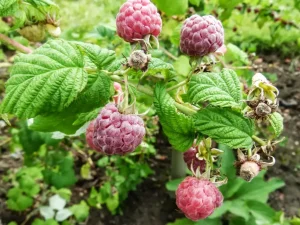
Growing Glencoe Raspberry: A Complete Guide for Gardeners
If you’re looking to add something unique to your garden, look no further than the
31
Mar
Mar

The Comprehensive Guide to Growing Bay Leaf Plants for a Flavorful Garden
Imagine stepping into your garden, greeted by the earthy aroma of fresh bay leaves, their
09
Feb
Feb

How to Make Comfrey Tea: The Ultimate Organic Plant Food
Growing an organic garden can be surprisingly expensive, especially when most store-bought fertilizers come in
02
Feb
Feb

True Comfrey: 7 Essential Tips Before You Plant This Herb
A staple in permaculture practices across the US, True Comfrey easily earns its reputation as
27
Jan
Jan

7 Heart-Shaped Plants for a Lasting Valentine’s Gift
If you’ve ever bought a bouquet of roses for Valentine’s Day, you know they are
26
Jan
Jan

Best Types of Ivy Plant for Houses: How to Choose the Perfect Ones for Your Home
Are you a garden lover looking to introduce some greenery into your home? Maybe you’ve
14
Nov
Nov

When to Harvest Garlic (Especially Fall-Planted Garlic)
TIMING IS EVERYTHING, they say – and for garlic, that truth hits with surprising accuracy.
13
Nov
Nov

11 of the Best Sweet Potato Varieties to Grow for Your Garden
If you’ve ever tried growing sweet potatoes, you know that picking the right variety can
12
Nov
Nov