Purple Prickly Pear Cactus Plant – Live Succulent, 5-7 inches tall, Potted
-50%
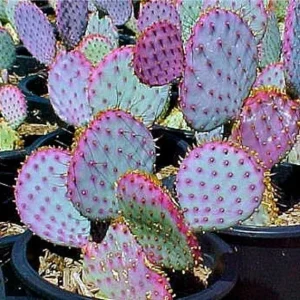
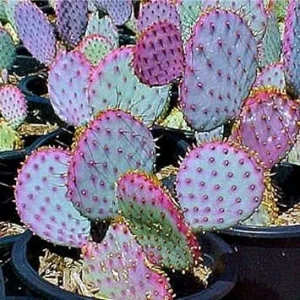
Purple Prickly Pear Cactus Plant – Live Succulent, 5-7 inches tall, Potted
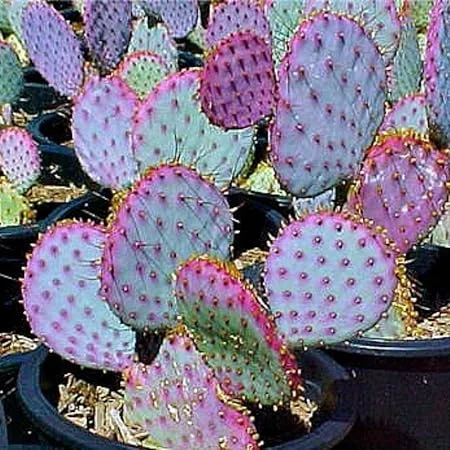
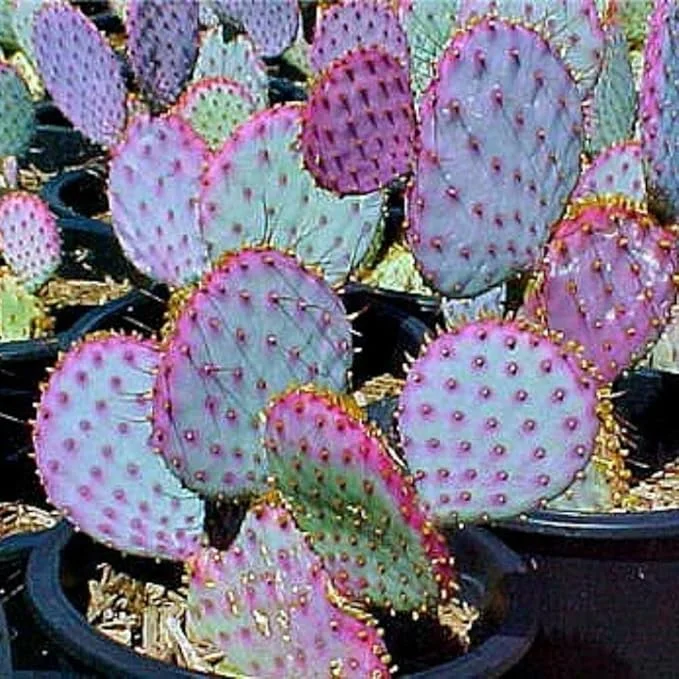
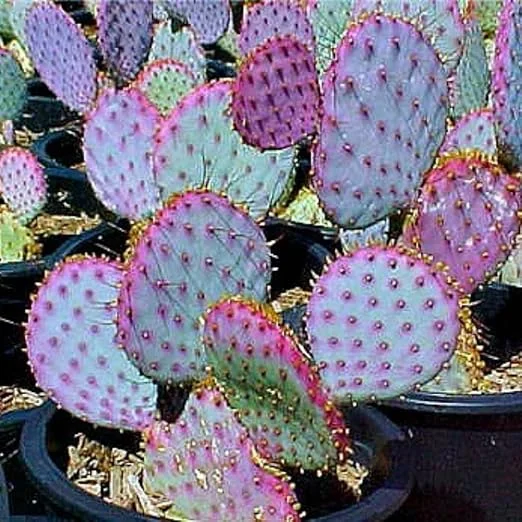
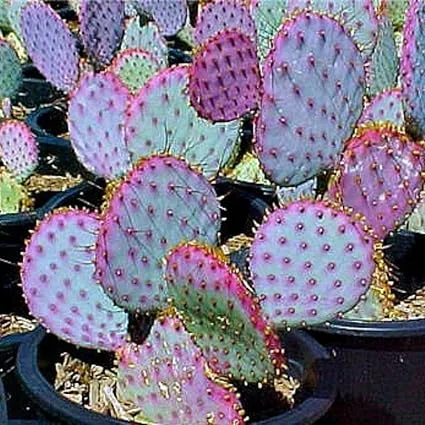
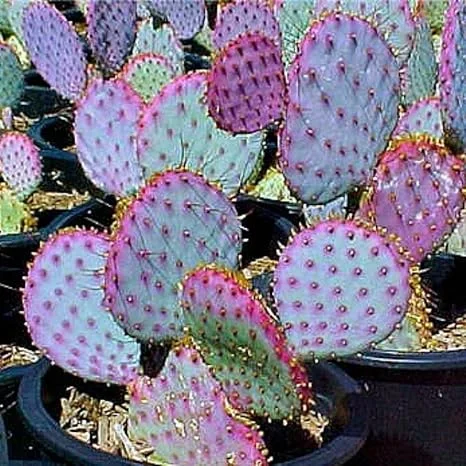
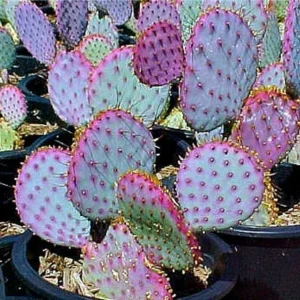
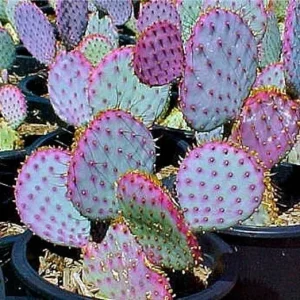
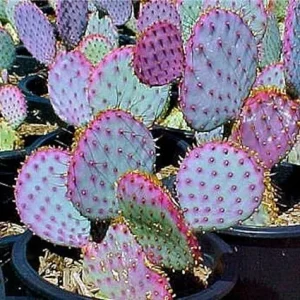
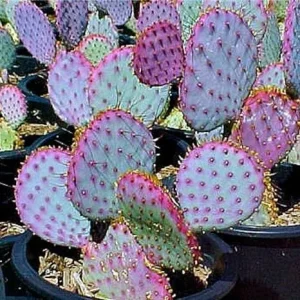
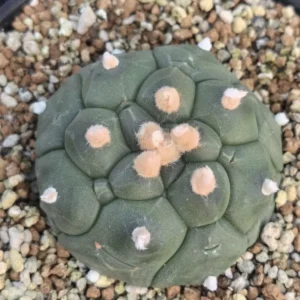
Add a touch of vibrant color to your home with this stunning purple prickly pear cactus plant. This beautiful live succulent arrives potted and ready to display, growing to an impressive 5 to 7 inches tall. Ideal for beginners, it thrives indoors with minimal care.
Original price was: $103.96.$51.98Current price is: $51.98.

With our Alive & Thrive Guarantee, we’ve got your back for the first 30 days! If you have any concerns about your plants, just reach out to us. Our team is here to help answer your questions and guide you in selecting the best plants for your garden, climate, and unique preferences. We're excited to help you create the garden of your dreams!
Estimated arrival
Mar 31
Apr 05 - Apr 07
Apr 10 - Apr 14

Product Details
-
USDA Hardiness Zone
6 to 9 -
Soil type
Sandy Soil / Well-draining cactus mix -
Sunlight Exposure
Full Sun -
Expected Planting Period
Year-round indoors
Overview
Introduce a splash of unique color and desert charm into your living space with the exquisite purple prickly pear cactus plant. This captivating live succulent, known for its distinctive purple pads, is a fantastic choice for both seasoned plant enthusiasts and those new to gardening. Arriving as a healthy, established plant in a pot, it’s ready to become a striking focal point in your home or office. Its scientific name, Opuntia santa-rita ‘Tubac’ or similar purple varieties, hints at its robust nature and eye-catching aesthetics. The purple prickly pear cactus plant offers an easy-care solution for adding natural beauty to your environment, requiring minimal attention while providing maximum visual impact.
The allure of this plant lies in its ever-changing hues, which intensify with sunlight exposure, ranging from a soft lavender to a deep, rich purple. Unlike many plants, its beauty is year-round, making it a reliable source of color even in the colder months. This particular variety is cherished for its ornamental value and its ability to adapt to various indoor conditions, making it a versatile addition to any plant collection. Embrace the exotic appeal of this unique cactus and enjoy its captivating presence.
Key Benefits
Owning a purple prickly pear cactus plant brings a host of benefits, from enhancing your home’s aesthetics to providing an easy-to-maintain green companion. This remarkable succulent is more than just a pretty face; it’s a living piece of art that offers continuous enjoyment and a touch of the extraordinary.
- Stunning Visual Appeal: The primary draw of this cactus is its vibrant purple coloration, which becomes more intense with adequate sunlight. It provides a unique pop of color that can brighten any room and serve as a conversation starter. Its architectural form adds modern elegance.
- Low Maintenance & Drought Tolerant: As a succulent, the purple prickly pear cactus plant is incredibly forgiving. It requires infrequent watering and thrives on neglect, making it perfect for busy individuals or those new to plant care. This resilience makes it a highly rewarding plant to grow.
- Adaptable to Indoor Environments: While originating from arid climates, this cactus adapts beautifully to indoor conditions, provided it receives sufficient light. It’s an excellent choice for windowsills, desks, or bright living areas where other plants might struggle.
- Air Purification: Like many plants, the live succulent plant contributes to a healthier indoor environment by absorbing toxins and releasing oxygen, subtly improving air quality in your home or office.
- Unique Growth Habit: The distinctive paddle-like pads of the prickly pear grow in interesting formations, creating an ever-evolving sculpture. This unique growth pattern ensures your plant always looks dynamic and engaging.
- Beginner-Friendly: Its robust nature and minimal care requirements make it an ideal choice for novice gardeners. You can enjoy the beauty of a live plant without the stress of demanding care routines.
- Long-Lived: With proper care, a prickly pear cactus can live for many years, becoming a cherished part of your home decor and a testament to your green thumb.
Plant Care & Growing Tips
Caring for your purple prickly pear cactus plant is straightforward, ensuring it remains a vibrant and healthy addition to your home. Understanding its basic needs will help it thrive and display its most intense purple hues. Providing the right conditions will allow your indoor cactus plant to flourish with minimal effort.
Sunlight: This cactus absolutely loves sunlight. For the most vibrant purple coloration, place your plant in a location where it can receive at least 6-8 hours of direct sunlight per day. A south-facing window is ideal. If direct sun is not possible, bright, indirect light will suffice, but the purple tones may be less pronounced. Insufficient light can lead to greener pads and leggy growth. Rotating the pot occasionally will ensure even growth and color development on all sides.
Watering: As a succulent, the prickly pear is highly drought-tolerant. The most common mistake is overwatering, which can lead to root rot. Allow the soil to dry out completely between waterings. During the active growing season (spring and summer), water thoroughly until water drains from the bottom of the pot, then wait until the soil is bone dry again before the next watering. In fall and winter, reduce watering significantly, perhaps once every 3-4 weeks, or even less, as the plant enters a dormant period. When considering prickly pear care, remember less is often more with water.
Soil: Excellent drainage is crucial for this cactus. Use a well-draining cactus or succulent potting mix, or create your own by mixing regular potting soil with perlite, pumice, or coarse sand in a 1:1 ratio. This ensures that water does not sit around the roots, preventing rot. A terracotta pot is also beneficial as it allows for better air circulation and wicks away excess moisture.
Temperature & Hardiness Zone: The purple prickly pear cactus plant thrives in warm temperatures, ideally between 65-85°F (18-29°C). It can tolerate cooler temperatures down to 40°F (4°C) but should be protected from frost. It is generally hardy in USDA Zones 6 to 9, meaning it can survive outdoors in these regions. For indoor cultivation, maintain average room temperatures. Avoid sudden temperature drops or drafts.
Fertilization: Cacti are not heavy feeders. Fertilize sparingly only during the spring and summer growing season. Use a balanced, water-soluble fertilizer diluted to half strength, once every 2-4 weeks. Do not fertilize during the fall and winter dormancy period. Over-fertilization can harm the plant.
Common Problems: The most common issues are related to watering. Yellowing or mushy pads usually indicate overwatering and root rot. Wrinkled or shriveled pads usually indicate underwatering, though this is less common. Pests are generally not a major issue, but occasionally mealybugs or spider mites can appear. Treat with insecticidal soap or neem oil if necessary. Good air circulation also helps prevent fungal issues.
Size & Details
Each purple prickly pear cactus plant you receive is a healthy, established specimen, carefully selected for its quality and vigor. The plant typically stands between 5 to 7 inches tall from the soil line, offering a substantial presence right out of the box. It arrives planted in a nursery pot, ready for you to place in your desired decorative container or directly into a larger permanent pot. The size makes it suitable for a variety of settings, from a desk or shelf to a bright floor corner.
This particular variety of prickly pear is known for its moderate growth rate, gradually expanding its pads and forming a beautiful, sculptural shape over time. While individual growth can vary based on conditions, you can expect a steady development, with new pads emerging throughout the growing season. The plant is shipped to ensure minimal stress, arriving healthy and ready to adapt to its new home. Its robust nature means it establishes quickly, allowing you to enjoy its unique beauty without a long waiting period. This opuntia purple variety is a fantastic choice for those seeking a durable and visually striking succulent.
Frequently Asked Questions
- Q: How big does this plant get? A: This purple prickly pear cactus plant typically arrives 5 to 7 inches tall. With proper care, it can grow much larger over time, producing multiple pads and forming a wider, more bushy structure, especially if given ample space to spread.
- Q: What size pot does it come in? A: The plant arrives in a standard nursery pot, usually around 4 inches in diameter, which is suitable for its current size. You can keep it in this pot for a while or transplant it into a slightly larger decorative pot.
- Q: Is this an indoor or outdoor plant? A: This live succulent plant is versatile. It can be grown indoors in a bright, sunny location or outdoors in USDA Hardiness Zones 6 to 9, provided it has excellent drainage and protection from prolonged frost.
- Q: How much sunlight does it need? A: For the best purple coloration and overall health, your purple prickly pear cactus plant needs at least 6-8 hours of direct sunlight daily. A south-facing window is ideal indoors.
- Q: Is this plant easy to care for? A: Yes, it is considered very easy to care for. Its drought tolerance and minimal needs make it an excellent choice for beginners and those with busy schedules, making prickly pear care quite simple.
- Q: What condition will it arrive in? A: Your cactus will arrive as a healthy, established plant in its nursery pot, carefully packaged to minimize stress during transit. It will be ready to be placed in your home or garden upon arrival.
- Q: Is it shipped in soil? A: Yes, the indoor cactus plant is shipped in its nursery pot with well-draining soil, ensuring it stays secure and hydrated during shipping.
- Q: What’s the best soil type for this cactus? A: A well-draining cactus or succulent potting mix is essential. You can also amend regular potting soil with perlite, pumice, or coarse sand to improve drainage.
- Q: Will it survive winter in my zone? A: If you are in USDA Zones 6-9, it can typically survive outdoors. In colder zones, it should be brought indoors before the first frost to protect it from freezing temperatures.
- Q: Does this prickly pear produce fruit? A: While many prickly pear varieties produce edible fruit, this particular ornamental variety is primarily grown for its stunning purple pads. Fruit production can occur, but it’s not its main characteristic or guarantee, especially for an opuntia purple grown indoors.
Related products
-30%
Original price was: $79.98.$55.98Current price is: $55.98.
-30%
Original price was: $79.98.$55.98Current price is: $55.98.
-30%
Original price was: $79.98.$55.98Current price is: $55.98.
-30%
Original price was: $47.98.$33.58Current price is: $33.58.
-39%
Original price was: $39.98.$24.50Current price is: $24.50.
PLANTING & CARE

The Comprehensive Guide to Growing Bay Leaf Plants for a Flavorful Garden
Imagine stepping into your garden, greeted by the earthy aroma of fresh bay leaves, their
09
Feb
Feb

How to Make Comfrey Tea: The Ultimate Organic Plant Food
Growing an organic garden can be surprisingly expensive, especially when most store-bought fertilizers come in
02
Feb
Feb

True Comfrey: 7 Essential Tips Before You Plant This Herb
A staple in permaculture practices across the US, True Comfrey easily earns its reputation as
27
Jan
Jan

7 Heart-Shaped Plants for a Lasting Valentine’s Gift
If you’ve ever bought a bouquet of roses for Valentine’s Day, you know they are
26
Jan
Jan

Best Types of Ivy Plant for Houses: How to Choose the Perfect Ones for Your Home
Are you a garden lover looking to introduce some greenery into your home? Maybe you’ve
14
Nov
Nov

When to Harvest Garlic (Especially Fall-Planted Garlic)
TIMING IS EVERYTHING, they say – and for garlic, that truth hits with surprising accuracy.
13
Nov
Nov

11 of the Best Sweet Potato Varieties to Grow for Your Garden
If you’ve ever tried growing sweet potatoes, you know that picking the right variety can
12
Nov
Nov

Pruning Bougainvillea for Winter
Bougainvillea vines are known for their dazzling display of magenta, orange, and fuchsia bracts that
05
Nov
Nov