Purple & Red Bleeding Heart Vine Live Plant – Clerodendrum, Outdoor
Purple & Red Bleeding Heart Vine Live Plant – Clerodendrum, Outdoor
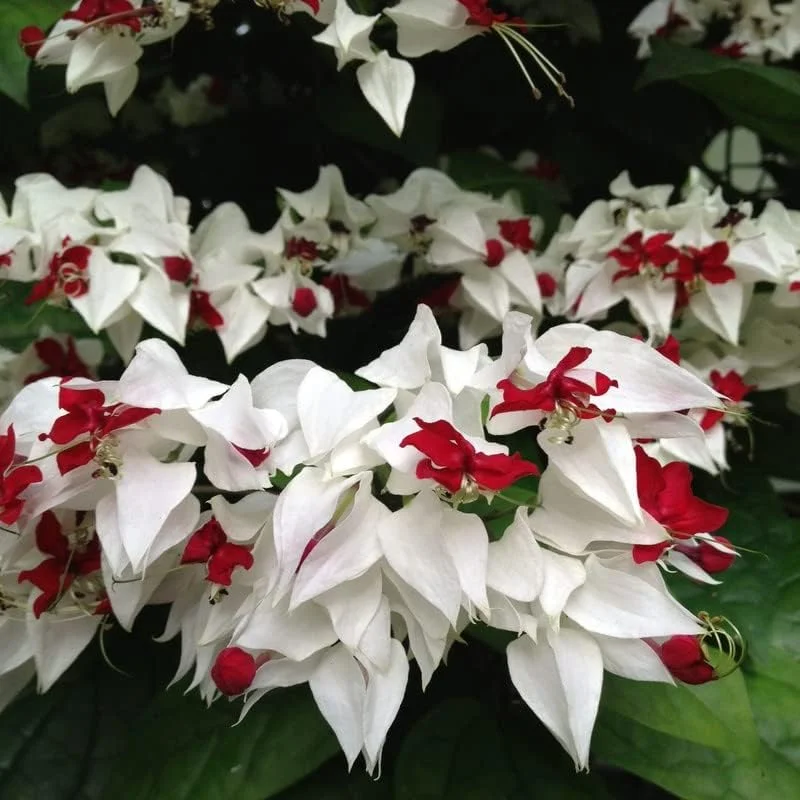
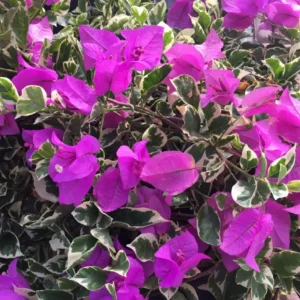
Add a touch of exotic beauty to your garden with the purple bleeding heart vine. This live Clerodendrum plant features unique purple and red flowers, perfect for trellises or containers. Easy to grow and a stunning ornamental choice for outdoor spaces.
$48.38

With our Alive & Thrive Guarantee, we’ve got your back for the first 30 days! If you have any concerns about your plants, just reach out to us. Our team is here to help answer your questions and guide you in selecting the best plants for your garden, climate, and unique preferences. We're excited to help you create the garden of your dreams!
Estimated arrival
Mar 31
Apr 05 - Apr 07
Apr 10 - Apr 14
Product Details
-
USDA Hardiness Zone
4 to 11 -
Soil type
Well-drained soil -
Sunlight Exposure
Full Sun -
Expected Planting Period
Spring or Fall
Overview
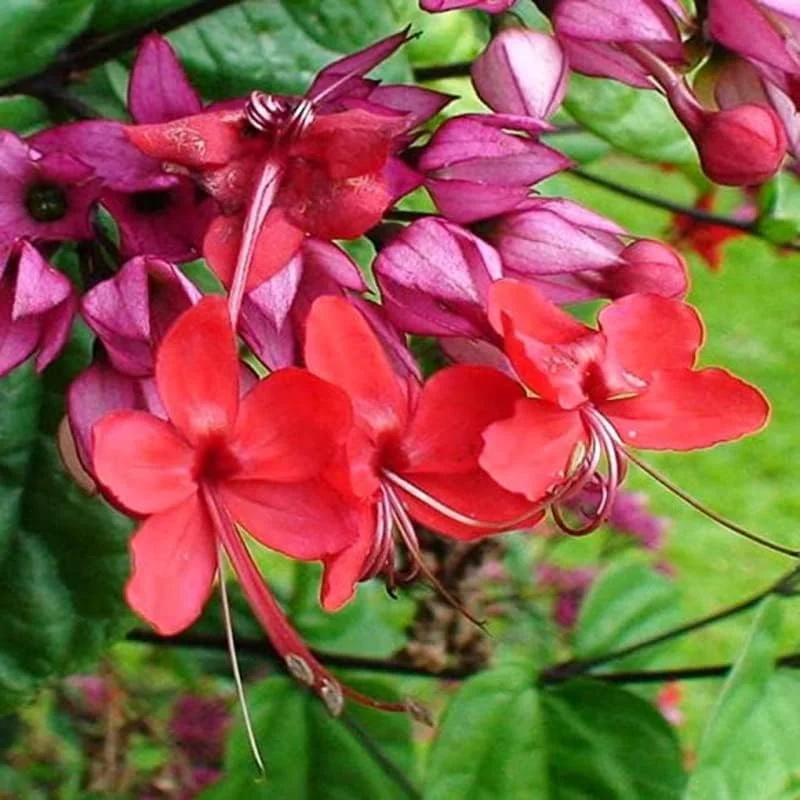
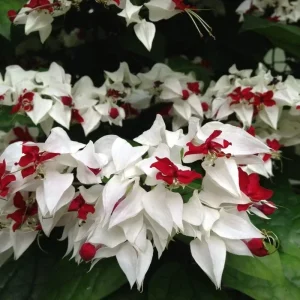
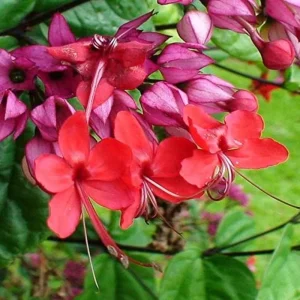
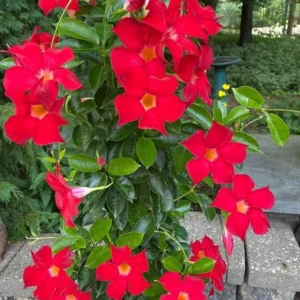
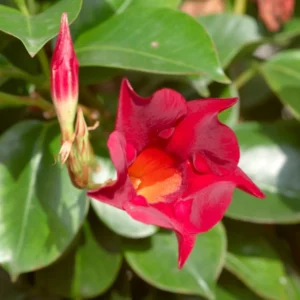
Introduce an extraordinary splash of color and elegance to your garden with the purple bleeding heart vine. This vigorous and captivating live plant, botanically known as Clerodendrum thomsoniae, is renowned for its striking bi-colored flowers that resemble tiny, heart-shaped lanterns. While commonly referred to as ‘bleeding heart’, this particular variety offers a unique coloration of purple and red, setting it apart from its white and red counterparts. Ideal for trellises, arbors, or large containers, this tropical vine brings a sophisticated charm to any outdoor setting. Its lush foliage provides a beautiful backdrop for the intricate blooms, making it a focal point in your landscape. The purple bleeding heart vine is a delightful choice for gardeners seeking a plant that combines visual appeal with relatively straightforward care, promising a season of enchanting flowers.
This ornamental plant is a perennial, meaning it will return year after year, offering continuous beauty. Its adaptability to various growing conditions makes it a favorite among both novice and experienced gardeners. Whether you’re looking to create a vibrant vertical display or add a unique specimen to your patio, the purple and red flowers of this Clerodendrum are sure to impress. It’s a fantastic option for those who appreciate plants with an exotic flair and a long blooming period, providing visual interest throughout much of the growing season.
Key Benefits
The purple bleeding heart vine offers a multitude of benefits, making it an excellent addition to your outdoor plant collection. Its unique aesthetics and robust nature contribute to its popularity:
- Stunning Visual Appeal: The primary draw of this Clerodendrum is its exquisite purple and red heart-shaped flowers, which create a dramatic and beautiful display. These vibrant blooms are unlike any other, providing a unique aesthetic that captures attention.
- Versatile Growth Habit: As a vine, it can be trained to grow on trellises, pergolas, or fences, adding vertical interest to your garden. It also thrives in large pots, making it suitable for patios and balconies. This versatility allows for creative landscaping.
- Long Blooming Period: Enjoy its captivating flowers for an extended period, typically from spring through fall, ensuring continuous color and beauty in your garden when many other plants have finished blooming. This prolonged display enhances its value as an ornamental plant.
- Attracts Pollinators: The vibrant flowers of the purple bleeding heart vine are known to attract hummingbirds and butterflies, bringing life and activity to your garden ecosystem. This contributes to a healthier and more dynamic garden space.
- Relatively Easy to Care For: Despite its exotic appearance, this plant is not overly demanding. With proper sunlight and watering, it can flourish, making clerodendrum plant care manageable for most gardeners. It’s a rewarding plant that doesn’t require constant fuss.
- Unique Gift Idea: A live plant makes a thoughtful and lasting gift for garden enthusiasts, offering beauty and joy for years to come. The unique nature of this bleeding heart vine makes it a memorable present.
Plant Care & Growing Tips
To ensure your purple bleeding heart vine thrives and produces its spectacular blooms, understanding its care requirements is essential. This tropical vine generally prefers warm climates and specific conditions to reach its full potential. For optimal growth, provide ample sunlight. The plant performs best in a location where it receives full sun, meaning at least six hours of direct sunlight per day. In very hot climates, a little afternoon shade can be beneficial to prevent leaf scorch, but generally, more sun equals more flowers. Good air circulation is also important to prevent fungal issues, especially in humid environments.
When it comes to watering, consistent moisture is key. The soil should be kept evenly moist, but not waterlogged. Allow the top inch or two of soil to dry out slightly between waterings, especially for plants in containers. During hot, dry spells, daily watering may be necessary. Ensure your plant is in well-drained soil; soggy conditions can lead to root rot. A rich, well-draining potting mix is ideal for container-grown plants, while garden beds should be amended with compost to improve drainage and fertility. This helps with successful growing bleeding heart vine. Fertilize your plant every 2-4 weeks during the growing season (spring and summer) with a balanced liquid fertilizer to support its vigorous growth and abundant flowering. Reduce feeding in the fall and winter.
The purple bleeding heart vine is typically hardy in USDA Zones 4 to 11, but it is often grown as an annual or brought indoors in colder regions. Protect it from frost, as it is not cold-hardy. Pruning is important to maintain its shape, encourage bushier growth, and promote more blooms. Prune after a flush of flowers or in late winter/early spring before new growth begins. Remove any dead or damaged branches and trim back overgrown stems. Regularly inspect your plant for pests like aphids or spider mites and treat them promptly with organic insecticidal soap if necessary. By following these clerodendrum plant care guidelines, you’ll enjoy a healthy and floriferous vine.
Size & Details
This purple bleeding heart vine is offered as a live plant, ready to be established in your garden or a suitable container. It typically ships as a well-rooted specimen, approximately 1-5 inches tall, allowing it to acclimate quickly to its new environment. With proper care, this fast-growing vine can reach impressive lengths, often growing 10-15 feet in a single season when provided with adequate support. Its mature spread can be several feet wide, depending on how it’s trained and pruned. The plant will arrive in a nursery pot, carefully packaged to ensure its health during transit. Expect the plant to begin blooming in its first full growing season, with the most prolific flowering occurring in subsequent years.
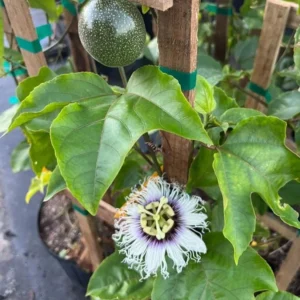
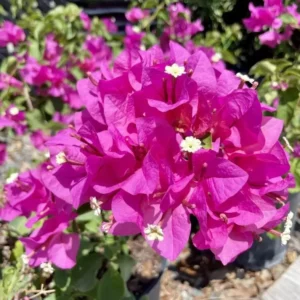
The vibrant purple and red flowers are a highlight, typically appearing in clusters. Each bloom is intricate and captivating, adding an exotic touch to any landscape. This plant thrives in outdoor conditions within its recommended hardiness zones, making it an excellent choice for garden beds, borders, or as a striking patio plant. The leaves are typically a rich green, providing a beautiful contrast to the colorful blooms. This makes the bleeding heart plant for sale a truly rewarding addition to any plant collection, offering long-term beauty and enjoyment.
Frequently Asked Questions
- Q: How big does this plant get? A: The purple bleeding heart vine is a vigorous grower and can reach lengths of 10-15 feet in a single growing season when provided with suitable support and optimal conditions. Its spread will depend on how it is trained and pruned.
- Q: What size pot does it come in? A: The live plant typically ships in a small nursery pot, and its dimensions are approximately 1 x 1 x 5 inches. This allows for safe transport and easy transplanting into your desired larger container or garden bed.
- Q: Is this an indoor or outdoor plant? A: This particular bleeding heart plant outdoor variety is best suited for outdoor cultivation in USDA hardiness zones 4 to 11. In colder climates, it can be grown as an annual or brought indoors during winter.
- Q: How much sunlight does it need? A: The purple bleeding heart vine thrives in full sun, requiring at least six hours of direct sunlight daily for the best flowering. In extremely hot regions, some afternoon shade can be beneficial.
- Q: Is this plant easy to care for? A: Yes, with consistent watering, plenty of sunlight, and well-draining soil, clerodendrum plant care is considered relatively easy. It’s a rewarding plant for both beginners and experienced gardeners.
- Q: What condition will it arrive in? A: Your live plant will arrive carefully packaged, well-rooted, and ready for planting. We take great care to ensure it reaches you in healthy condition, prepared for its new home.
- Q: When is the best time to plant? A: The best time for growing bleeding heart vine is in spring after the last threat of frost has passed, or in early fall in warmer climates. This allows the plant time to establish before extreme temperatures.
- Q: What’s the minimum temperature it can tolerate? A: This plant is sensitive to frost. While hardy in zones 4-11, it will need protection or to be brought indoors when temperatures drop below freezing.
- Q: What type of soil does it prefer? A: The purple bleeding heart vine prefers well-drained, fertile soil. Amending garden soil with compost or using a high-quality potting mix for containers will provide the best results.
- Q: How often should I fertilize it? A: During the active growing season (spring and summer), fertilize every 2-4 weeks with a balanced liquid fertilizer to support vigorous growth and continuous blooming.
| Color | Purple & Red Flowers, White & Red Flowers |
|---|
Related products
-50%

Original price was: $81.98.$40.99Current price is: $40.99.
-10%
Original price was: $19.99.$17.99Current price is: $17.99.
-67%
Original price was: $62.22.$20.74Current price is: $20.74.
-45%
Original price was: $170.00.$93.50Current price is: $93.50.
-67%
Original price was: $66.72.$22.24Current price is: $22.24.
-67%
Original price was: $50.97.$16.99Current price is: $16.99.
-67%
Original price was: $50.97.$16.99Current price is: $16.99.
PLANTING & CARE

The Comprehensive Guide to Growing Bay Leaf Plants for a Flavorful Garden
Imagine stepping into your garden, greeted by the earthy aroma of fresh bay leaves, their
09
Feb
Feb

How to Make Comfrey Tea: The Ultimate Organic Plant Food
Growing an organic garden can be surprisingly expensive, especially when most store-bought fertilizers come in
02
Feb
Feb

True Comfrey: 7 Essential Tips Before You Plant This Herb
A staple in permaculture practices across the US, True Comfrey easily earns its reputation as
27
Jan
Jan

7 Heart-Shaped Plants for a Lasting Valentine’s Gift
If you’ve ever bought a bouquet of roses for Valentine’s Day, you know they are
26
Jan
Jan

Best Types of Ivy Plant for Houses: How to Choose the Perfect Ones for Your Home
Are you a garden lover looking to introduce some greenery into your home? Maybe you’ve
14
Nov
Nov

When to Harvest Garlic (Especially Fall-Planted Garlic)
TIMING IS EVERYTHING, they say – and for garlic, that truth hits with surprising accuracy.
13
Nov
Nov

11 of the Best Sweet Potato Varieties to Grow for Your Garden
If you’ve ever tried growing sweet potatoes, you know that picking the right variety can
12
Nov
Nov
Pruning Bougainvillea for Winter
Bougainvillea vines are known for their dazzling display of magenta, orange, and fuchsia bracts that
05
Nov
Nov