Purple Wisteria Vine Live Plant, 6-12″ Tall in 2.5″ Pot, Hardy Climbing Flowering Plant, Outdoor


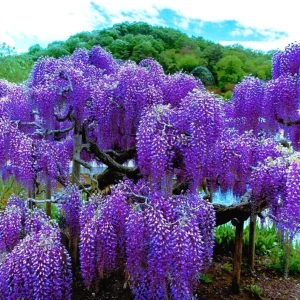

Purple Wisteria Vine Live Plant, 6-12″ Tall in 2.5″ Pot, Hardy Climbing Flowering Plant, Outdoor
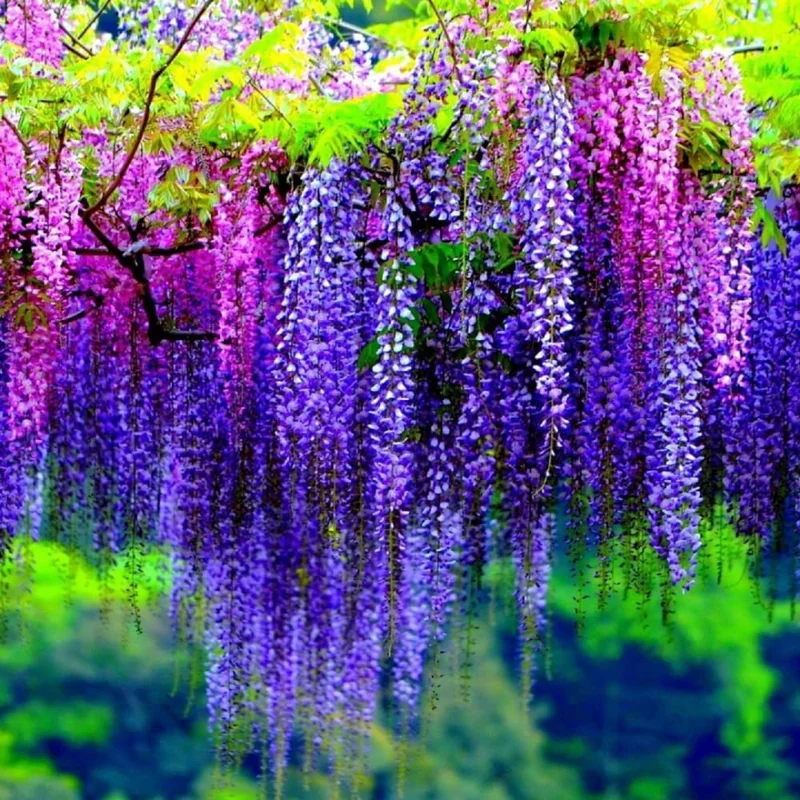
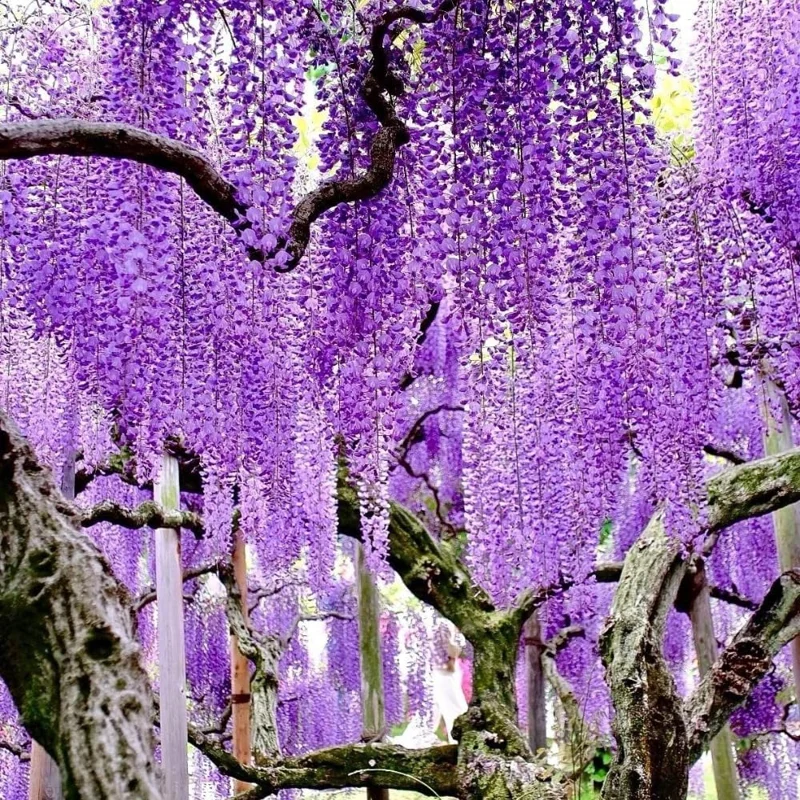
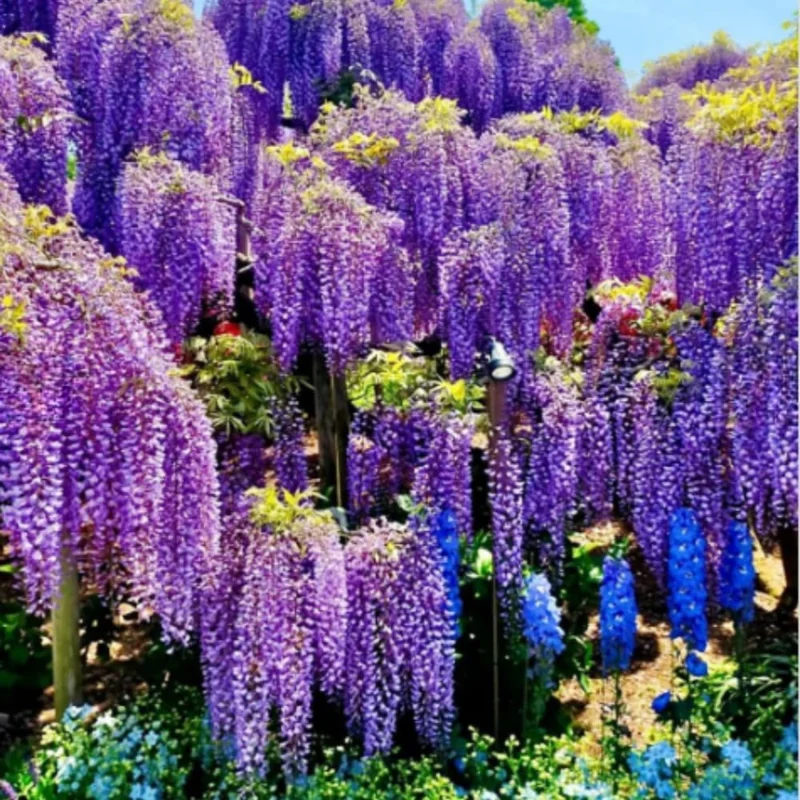
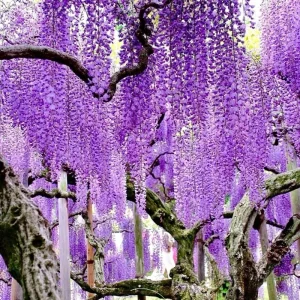
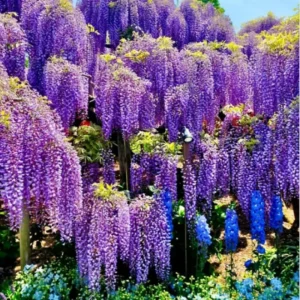
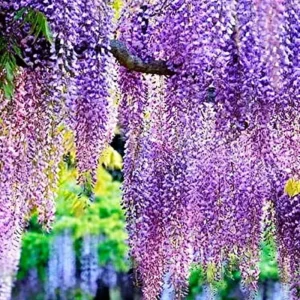
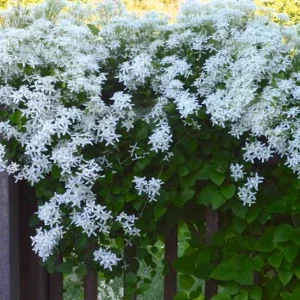
Bring elegance to your outdoor space with a purple wisteria vine live plant. This beautiful climber, 6-12 inches tall in a 2.5-inch pot, features fragrant, cascading purple flowers. It’s a hardy climbing plant perfect for pergolas, arbors, and fences, thriving in full sun.
$17.99

With our Alive & Thrive Guarantee, we’ve got your back for the first 30 days! If you have any concerns about your plants, just reach out to us. Our team is here to help answer your questions and guide you in selecting the best plants for your garden, climate, and unique preferences. We're excited to help you create the garden of your dreams!
Estimated arrival
Apr 05
Apr 10 - Apr 12
Apr 15 - Apr 19

Product Details
-
USDA Hardiness Zone
USDA zones 5-9 -
Soil type
Well-draining, moderately fertile loam -
Sunlight Exposure
Full Sun -
Expected Planting Period
Spring to early fall
Overview
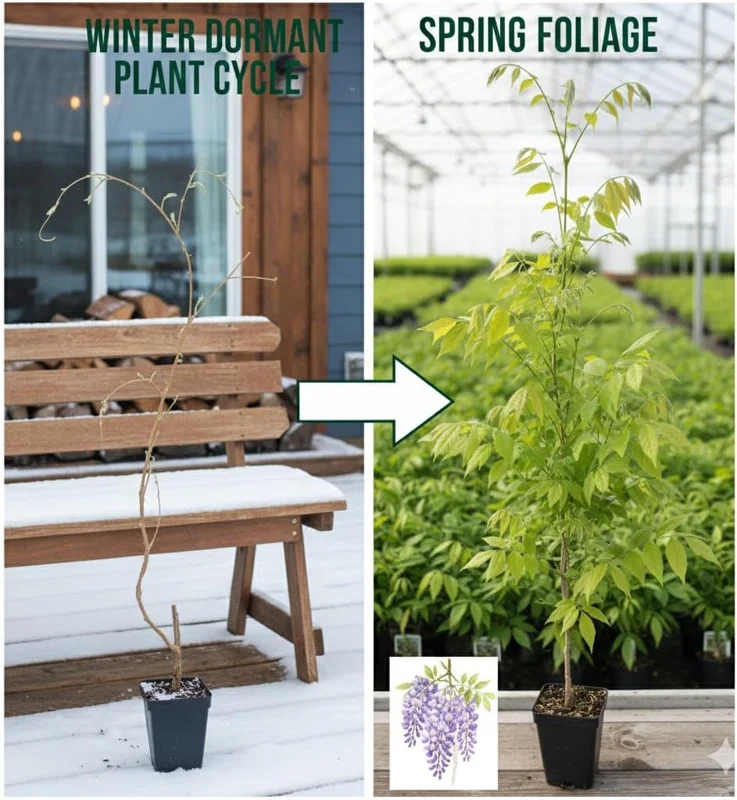
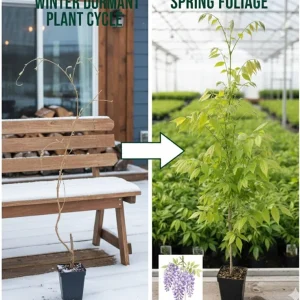
Transform your garden into a fragrant paradise with this stunning purple wisteria vine live plant. Known for its breathtaking clusters of perfumed, pea-like flowers that drape elegantly, wisteria is a classic choice for adding vertical interest and romantic charm to any landscape. This vigorous climber, often referred to simply as wisteria, is a perennial flowering plant that can quickly grow to cover trellises, arbors, fences, and pergolas, creating a spectacular display. Our live plant arrives well-rooted, 6-12 inches tall, in a 2.5-inch pot, ready to establish itself and bring years of beauty to your outdoor living areas. During its dormant phase in late fall and winter, the plant will naturally be leafless, preparing for its vibrant spring growth.
The allure of a purple wisteria vine live plant lies not only in its visual splendor but also in its intoxicating fragrance. Originating from East Asia and North America, wisteria varieties are celebrated worldwide for their resilience and dramatic flowering habit. Whether you’re aiming to create a shaded retreat or an eye-catching focal point, this plant offers an unparalleled aesthetic. Investing in a healthy, young wisteria plant ensures you get a head start on cultivating this magnificent specimen.
Key Benefits
Choosing a purple wisteria vine live plant for your garden offers numerous advantages, enhancing both the beauty and enjoyment of your outdoor space. This hardy climbing plant is a versatile addition that brings a touch of classic elegance.
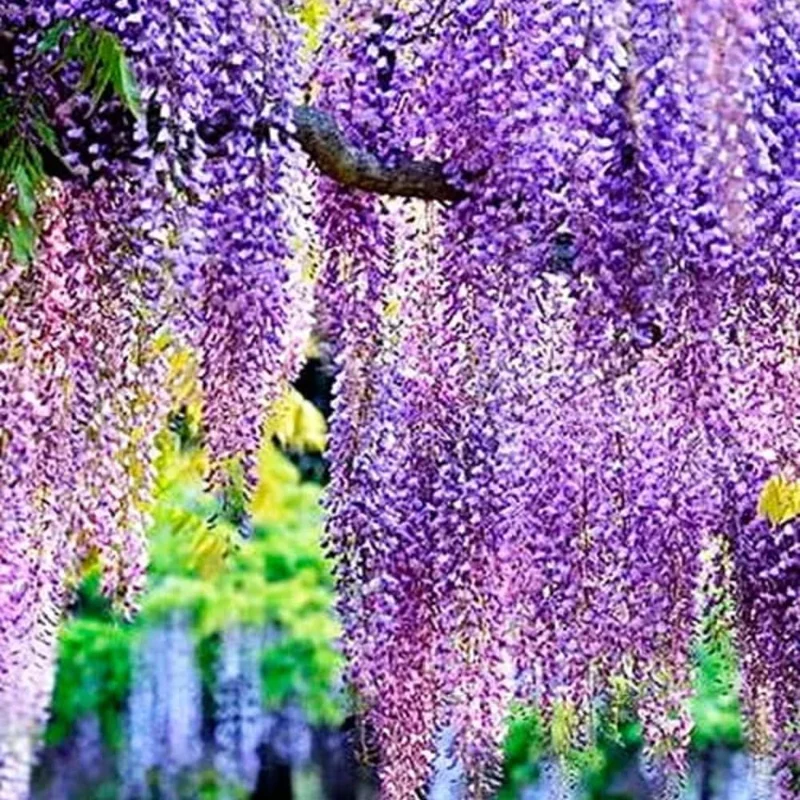
- Spectacular Fragrant Blooms: Experience the captivating beauty of long, pendulous clusters of fragrant purple flowers that create a stunning visual and aromatic display, attracting pollinators like bees and butterflies.
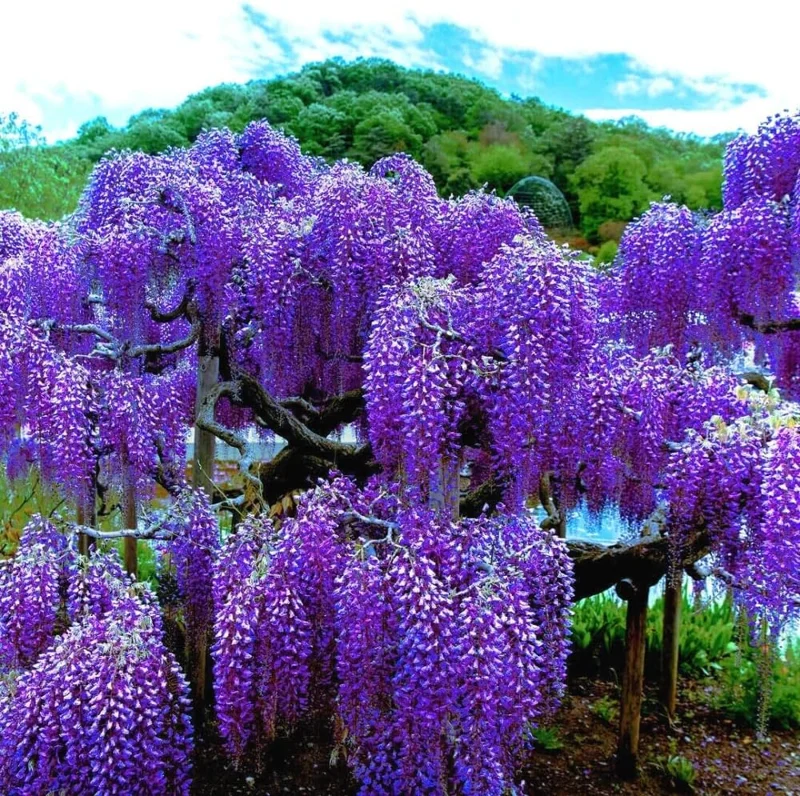
- Vigorous Climbing Habit: This fast-growing vine is perfect for quickly covering structures such as pergolas, arbors, fences, and walls, providing natural shade and an enchanting atmosphere.
- Long-Lived Perennial: Once established, wisteria is a long-lived perennial that will return year after year, offering reliable beauty with minimal effort over the decades.
- Architectural Interest: Use this purple wisteria vine live plant to add significant architectural interest to your garden, softening hard lines and creating dramatic focal points.
- Low Maintenance Once Established: While initial training is beneficial, mature wisteria plants are relatively low maintenance, requiring mostly annual pruning to maintain shape and encourage blooming.
- Enhances Outdoor Living Spaces: Ideal for creating a picturesque setting on patios, decks, and garden pathways, enriching your outdoor experience with its beauty and scent.
- Drought Tolerant: Once established, this hardy climbing plant shows good drought tolerance, making it suitable for various climates and reducing water requirements.
Plant Care & Growing Tips
Caring for your purple wisteria vine live plant is straightforward, ensuring it thrives and produces its iconic blooms. Wisteria is a sun-loving plant, so it requires at least 6 hours of direct sunlight daily to flower profusely. Full sun exposure is crucial for optimal blooming; without enough light, the plant may grow vigorously but produce few flowers. Ensure it’s planted in a location where it receives ample morning and afternoon sun.
Regarding watering, wisteria prefers consistently moist soil, especially when young. Once established, it becomes more drought-tolerant but will benefit from deep watering during prolonged dry spells. Avoid overwatering, as soggy soil can lead to root rot. The best soil for a wisteria plant care regimen is well-draining, moderately fertile loam with a slightly acidic to neutral pH (6.0-7.0). Good drainage is paramount, so consider amending heavy clay soils with organic matter like compost or sand to improve porosity. This hardy climbing plant is generally adaptable to a range of soil types but performs best when its specific needs are met.
Wisteria is hardy in USDA zones 5-9. It can tolerate a wide range of temperatures but may require protection in exceptionally cold winters in the lower end of its hardiness range. Fertilize sparingly; excessive nitrogen can promote leafy growth at the expense of flowers. Use a balanced fertilizer or one higher in phosphorus to encourage blooming, applied in early spring before new growth appears. Pruning is vital for wisteria to control its vigorous growth, promote flowering, and maintain its structure. Heavy pruning in late winter and light pruning in summer are recommended. Watch for pests like aphids and scale insects, and treat promptly with horticultural oil or insecticidal soap. Proper wisteria plant care will ensure a magnificent display of fragrant wisteria blooms each spring.
Size & Details
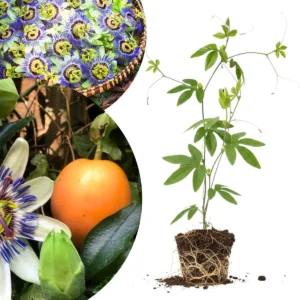
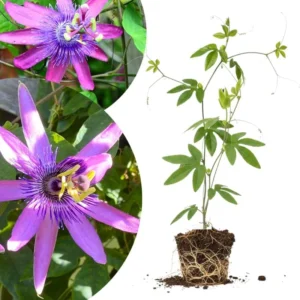
This offering is for one purple wisteria vine live plant, which arrives well-rooted in a 2.5-inch nursery pot. The plant typically stands between 6 to 12 inches tall upon arrival, providing a healthy starter for your garden. Wisteria is a rapid grower; given optimal conditions, it can quickly reach mature lengths of 15-30 feet or more, depending on the variety and support structure. It’s important to note that during the late fall and winter months, the plant will enter dormancy and may arrive leafless. This is a natural part of its growth cycle and indicates a healthy, resting plant ready to burst forth with new growth in spring. The plant is suitable for outdoor planting and will establish itself as a beautiful, long-term feature in your landscape. This wisteria for garden use is perfect for adding vertical interest.
Expect your wisteria to begin flowering within 3-5 years of planting, though some cultivars may bloom earlier. Patience and proper care, including consistent pruning and adequate sunlight, will ensure a rewarding display of fragrant wisteria blooms. The robust root system in the 2.5-inch pot ensures a smooth transition to your garden bed or larger container. This hardy climbing plant is designed to thrive and bring joy for many seasons.
Frequently Asked Questions
- Q: How big does this purple wisteria vine live plant get? A: This wisteria plant is 6-12 inches tall upon arrival in its 2.5-inch pot. At maturity, wisteria vines can grow quite large, typically reaching 15-30 feet or more in length, depending on the variety and growing conditions, making it an impressive hardy climbing plant.
- Q: What size pot does it come in? A: The purple wisteria vine live plant is shipped in a 2.5-inch nursery pot, ensuring it has a well-established root system for successful transplanting.
- Q: Is this an indoor or outdoor plant? A: Wisteria is primarily an outdoor plant, best suited for gardens, patios, and landscapes where it can climb and receive full sun exposure. It is a wisteria for garden use, not typically grown indoors.
- Q: How much sunlight does it need? A: For abundant fragrant wisteria blooms, this plant requires at least 6 hours of direct sunlight per day. Full sun is essential for vigorous growth and prolific flowering.
- Q: Is this plant easy to care for? A: Wisteria is relatively easy to care for once established, but it does require consistent pruning to manage its vigorous growth and encourage flowering. Proper wisteria plant care includes adequate sunlight and well-draining soil.
- Q: What condition will it arrive in? A: Your purple wisteria vine live plant will arrive well-rooted in its pot. During late fall and winter, it will be dormant and leafless, which is normal for this plant during its resting period.
- Q: How long until it blooms? A: Wisteria typically begins to flower within 3 to 5 years after planting, though some varieties may bloom sooner. Regular pruning and optimal growing conditions can help encourage earlier and more prolific blooming.
- Q: What’s the best time to plant wisteria? A: The best time to plant wisteria is in spring or early fall, allowing the plant sufficient time to establish its root system before extreme weather.
- Q: Will it survive winter in my zone? A: This hardy climbing plant is suitable for USDA Zones 5-9. If you are in a colder zone, ensure adequate winter protection, especially for young plants.
- Q: What type of soil does wisteria prefer? A: Wisteria thrives in well-draining, moderately fertile soil with a slightly acidic to neutral pH. Good drainage is crucial for healthy root development.
Related products
-67%
Original price was: $59.97.$19.99Current price is: $19.99.
-67%
Original price was: $59.97.$19.99Current price is: $19.99.
-50%

Original price was: $59.00.$29.50Current price is: $29.50.
-67%
Original price was: $28.47.$9.49Current price is: $9.49.
-45%


Original price was: $170.00.$93.50Current price is: $93.50.
-50%
Original price was: $179.00.$89.50Current price is: $89.50.
-50%
Original price was: $267.00.$133.50Current price is: $133.50.
PLANTING & CARE
Growing Glencoe Raspberry: A Complete Guide for Gardeners
If you’re looking to add something unique to your garden, look no further than the
31
Mar
Mar

The Comprehensive Guide to Growing Bay Leaf Plants for a Flavorful Garden
Imagine stepping into your garden, greeted by the earthy aroma of fresh bay leaves, their
09
Feb
Feb

How to Make Comfrey Tea: The Ultimate Organic Plant Food
Growing an organic garden can be surprisingly expensive, especially when most store-bought fertilizers come in
02
Feb
Feb

True Comfrey: 7 Essential Tips Before You Plant This Herb
A staple in permaculture practices across the US, True Comfrey easily earns its reputation as
27
Jan
Jan

7 Heart-Shaped Plants for a Lasting Valentine’s Gift
If you’ve ever bought a bouquet of roses for Valentine’s Day, you know they are
26
Jan
Jan

Best Types of Ivy Plant for Houses: How to Choose the Perfect Ones for Your Home
Are you a garden lover looking to introduce some greenery into your home? Maybe you’ve
14
Nov
Nov

When to Harvest Garlic (Especially Fall-Planted Garlic)
TIMING IS EVERYTHING, they say – and for garlic, that truth hits with surprising accuracy.
13
Nov
Nov

11 of the Best Sweet Potato Varieties to Grow for Your Garden
If you’ve ever tried growing sweet potatoes, you know that picking the right variety can
12
Nov
Nov