Quaking Aspen Tree Live Plant – 6-8″ Tall – Yellow Fall Foliage – Outdoor
-50%
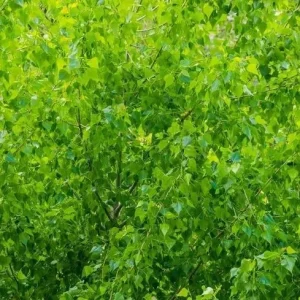
Quaking Aspen Tree Live Plant – 6-8″ Tall – Yellow Fall Foliage – Outdoor
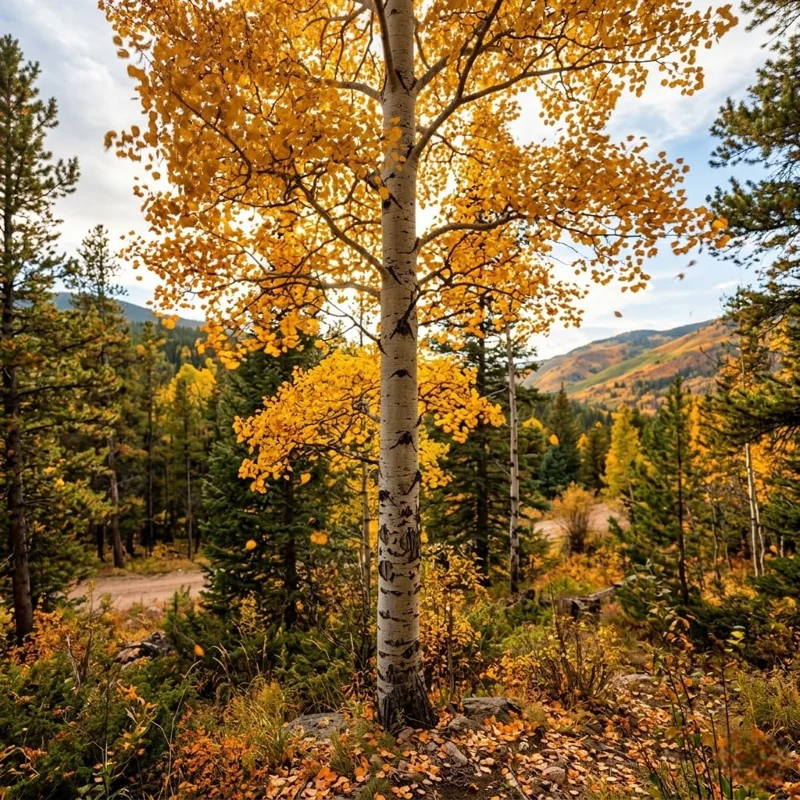
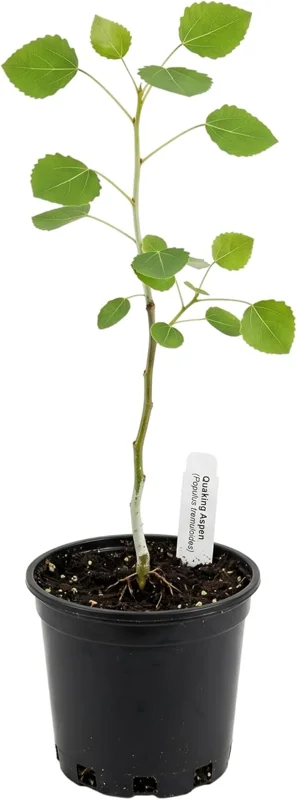
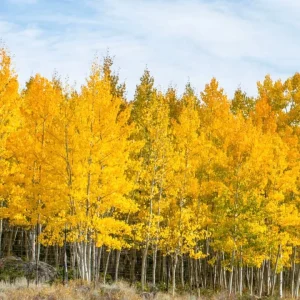
Bring the beauty of the mountains to your garden with a quaking aspen tree live plant. This hardy deciduous tree, also known as mountain aspen tree or white poplar tree, offers stunning white bark and brilliant yellow-golden leaves in autumn. Standing 6-8 inches tall , it’s ready for easy transplanting into your outdoor landscape.
Original price was: $39.98.$19.99Current price is: $19.99.

With our Alive & Thrive Guarantee, we’ve got your back for the first 30 days! If you have any concerns about your plants, just reach out to us. Our team is here to help answer your questions and guide you in selecting the best plants for your garden, climate, and unique preferences. We're excited to help you create the garden of your dreams!
Estimated arrival
Oct 21
Oct 26 - Oct 28
Oct 31 - Nov 04
Product Details
-
USDA Hardiness Zone
3-8 -
Soil type
Clay soil, well-draining soil -
Sunlight Exposure
Full Sun to Partial Shade -
Expected Planting Period
Spring to Early Fall
Overview
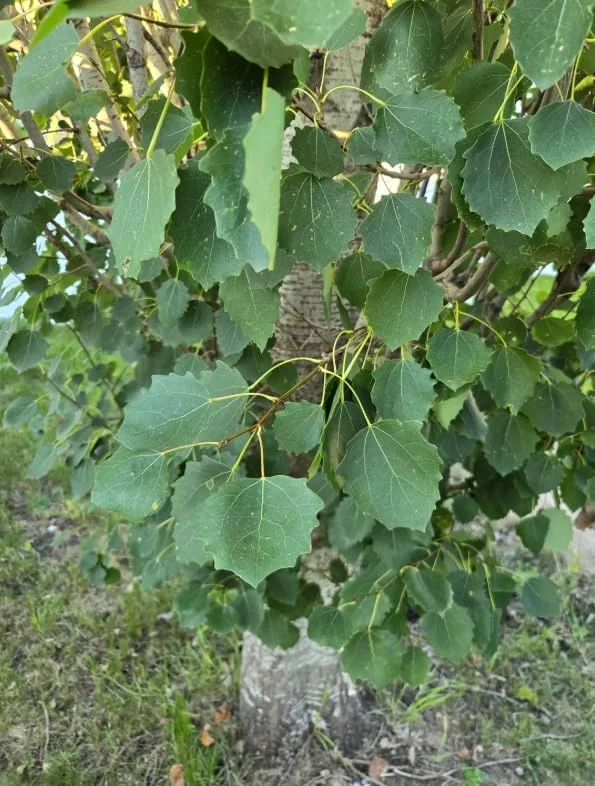
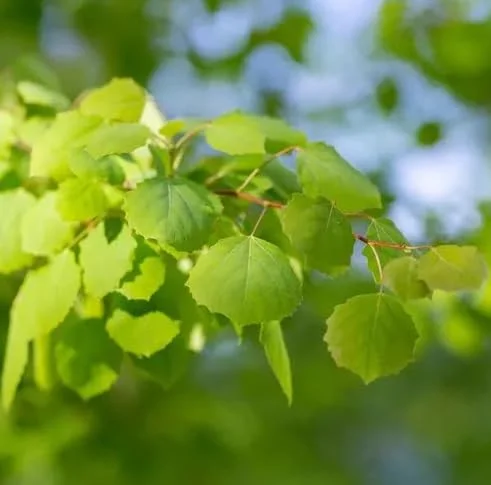
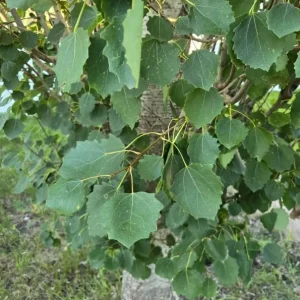
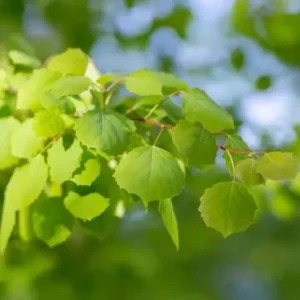
Transform your outdoor space with a young quaking aspen tree live plant. Known for its distinctive trembling leaves that ‘quake’ in the slightest breeze, brilliant fall color, and smooth, pale bark, this deciduous tree brings unique character to any landscape. Often referred to as mountain aspen tree or white poplar tree, this variety (Populus tremuloides) is cherished for its rapid growth and adaptability. Our live plant arrives ready for transplanting, offering you the joy of watching it mature into a magnificent specimen. It’s an ideal choice for creating naturalized areas, woodland borders, or as a striking focal point in your yard, providing seasonal interest with its vibrant yellow fall foliage.
This quaking aspen tree live plant is a staple in many temperate regions, celebrated not only for its aesthetic appeal but also for its hardiness. It’s an excellent option for those looking to establish a resilient and beautiful tree with minimal fuss. While young, it may not immediately display the iconic mature bark color or intense fall hues, these characteristics develop over time, promising a rewarding long-term addition to your garden.
Key Benefits
The quaking aspen tree live plant offers numerous advantages for home gardeners and landscapers alike:
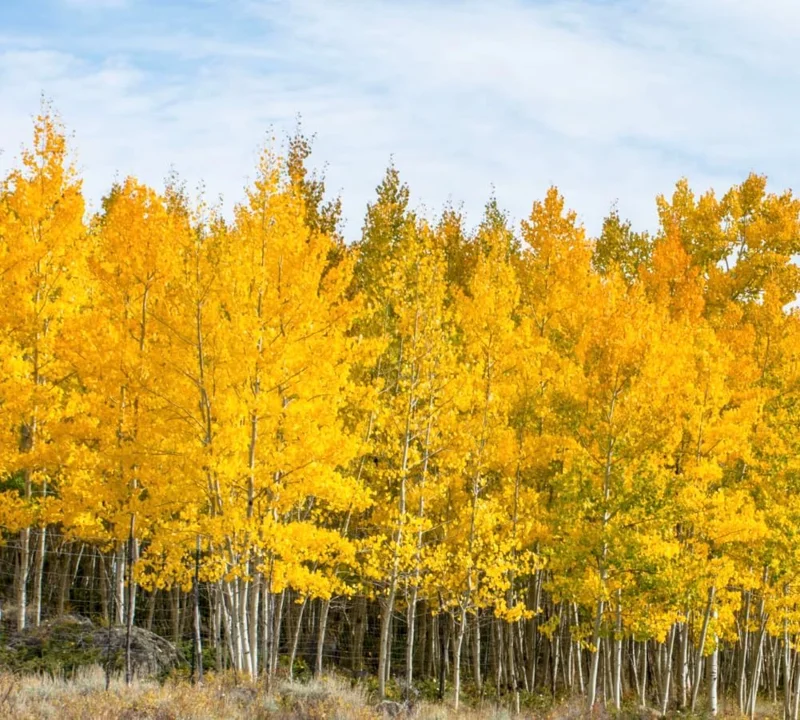
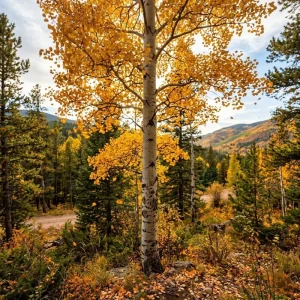
- Stunning Seasonal Display: Enjoy spectacular autumn color with leaves that turn a brilliant golden yellow, creating a breathtaking visual impact in your garden. This vibrant display is a highlight of the year.
- Distinctive White Bark: As the tree matures, its bark develops a smooth, often chalky white appearance, providing year-round visual interest, especially striking against winter snow.
- Unique Auditory Experience: The flattened petioles of the leaves cause them to tremble or ‘quake’ in the breeze, producing a soothing, rustling sound that adds a tranquil ambiance to your outdoor environment.
- Hardy and Adaptable: This species is incredibly tough, thriving in a wide range of climates (USDA Zones 3-8) and tolerating various soil conditions, making it suitable for many regions.
- Fast Growth Rate: Mountain aspen tree varieties are known for their relatively fast growth, allowing you to establish a substantial tree in your landscape more quickly than many other species.
- Wildlife Attraction: Provides habitat and food for various wildlife, including birds and small mammals, contributing to local biodiversity.
- Versatile Landscaping Use: Perfect for naturalizing large areas, creating windbreaks, establishing woodland gardens, or as a standout specimen tree.
Plant Care & Growing Tips
Caring for your quaking aspen tree live plant is straightforward, especially when provided with the right conditions. This hardy tree prefers full sun exposure, meaning at least 6 hours of direct sunlight per day, but can tolerate partial shade. While it’s adaptable, ideal growth occurs in well-drained soil. Avoid overly wet conditions, as aspens dislike ‘wet feet.’ Clay soil is acceptable as long as drainage is adequate. Upon arrival, your 6-8 inch tall plant in a 4-inch pot is ready for transplanting. Dig a hole twice as wide as the root ball and just as deep, ensuring the top of the root ball is level with the ground.
Water your white poplar tree regularly after planting, especially during its first year, to help establish a strong root system. Once established, it is relatively drought-tolerant but will benefit from supplemental watering during prolonged dry spells. Fertilization is generally not necessary for established trees in good soil, but a balanced, slow-release fertilizer can be applied in early spring to young trees if growth seems slow. This tree is cold-hardy, thriving in USDA zones 3-8. Monitor for common aspen pests and diseases, though healthy trees are generally resilient. Proper care will ensure your quaking aspen tree live plant develops its iconic features, including its beautiful yellow fall foliage.
Size & Details
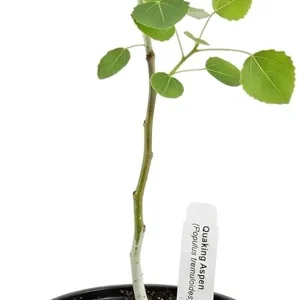
This offering is for one quaking aspen tree live plant, which arrives approximately 6-8 inches tall and is rooted in a 4-inch nursery pot. This size makes it ideal for easy transplanting into your garden or a larger container while it continues to grow. Quaking Aspens are known for their relatively fast growth rate, typically adding 2-3 feet per year under optimal conditions. Mature trees can reach heights of 40-60 feet with a spread of 20-30 feet, though this will take many years. The plant you receive is young and will develop its characteristic white bark and vibrant yellow fall foliage as it matures. It is shipped as a rooted plant, ensuring a strong start in its new home.
Frequently Asked Questions
- Q: How big does this quaking aspen tree live plant get? A: This young plant is 6-8 inches tall upon arrival. Mature mountain aspen tree specimens can typically reach heights of 40-60 feet with a spread of 20-30 feet over many years, though its mature size depends on growing conditions.
- Q: What size pot does it come in? A: The quaking aspen tree live plant is shipped in a 4-inch nursery pot, providing a healthy root system for transplanting.
- Q: Is this an indoor or outdoor plant? A: The quaking aspen tree live plant is an outdoor tree, well-suited for landscaping in USDA Hardiness Zones 3-8. It requires full sun exposure to thrive.
- Q: How much sunlight does it need? A: This tree prefers full sun, meaning at least 6 hours of direct sunlight daily, but it can tolerate some partial shade. Adequate sun exposure is key for vibrant growth and strong yellow fall foliage tree color.
- Q: Is this plant easy to care for? A: Yes, the quaking aspen tree live plant is considered relatively easy to care for once established. It’s a hardy species that tolerates a range of conditions, making it suitable for gardeners of varying experience levels.
- Q: What condition will it arrive in? A: Your white poplar tree will arrive as a healthy, live rooted plant in its nursery pot, carefully packaged to ensure its safe journey. It is a young plant and will develop its mature features over time.
- Q: When is the best time to plant a quaking aspen tree live plant? A: Spring or early fall are generally the best times to plant, allowing the tree to establish its root system before extreme weather.
- Q: Will it survive winter in my zone? A: This mountain aspen tree is cold-hardy and thrives in USDA Zones 3-8, meaning it is well-equipped to survive cold winters within these regions.
- Q: What kind of soil does it prefer? A: While adaptable, the quaking aspen tree live plant prefers well-drained soil. It can tolerate clay soil as long as it doesn’t remain waterlogged.
- Q: Will the leaves be yellow when it arrives? A: The plant is young and its leaves will typically be green upon arrival. The vibrant yellow fall foliage tree color develops in the autumn as the tree matures and responds to seasonal changes.
Related products
PLANTING & CARE
Lemon Tree Growing: Choose, Plant, and Harvest
Learn how to choose, plant, feed, and protect a lemon tree so it fits your
23
Sep
Sep
Dwarf Meyer Lemon Tree Australia: Climate Guide
Learn where dwarf Meyer lemon trees grow, how much cold they tolerate, and whether Australia,
Where to Buy a Dwarf Meyer Lemon Tree: Buyer’s Guide
Find the right dwarf Meyer lemon tree online or locally, compare starter sizes and costs,
Dwarf Meyer Lemon Tree for Sale: Buying Guide
Compare Meyer lemon tree sizes, prices, shipping limits, indoor growing and California options before you
Dwarf Meyer Lemon Tree Guide: Size, Care and Fruit
META: Learn how large a dwarf Meyer lemon tree grows, where it thrives, and how
How to Prune a Dwarf Meyer Lemon Tree
Learn when and how to prune a dwarf Meyer lemon tree, including tools, shaping cuts,
Can You Grow a Dwarf Meyer Lemon Tree in a Pot?
META: Learn how to grow a dwarf Meyer lemon tree in a pot, including container
When Do Dwarf Meyer Lemon Trees Bloom and Fruit?
META: Dwarf Meyer lemon trees usually bloom from winter through spring and may flower again