Queen of the Night Cactus Live Plant – Epiphyllum Oxypetalum – 4 inch Pot
-24%
Queen of the Night Cactus Live Plant – Epiphyllum Oxypetalum – 4 inch Pot
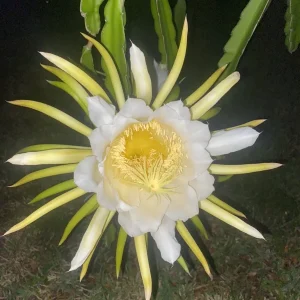
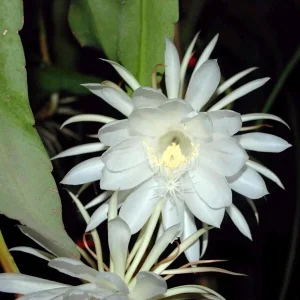
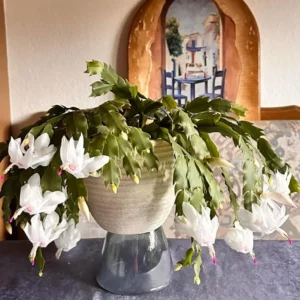
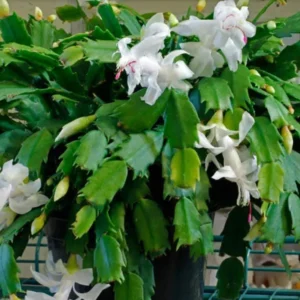
Bring home a stunning queen of the night cactus live plant (Epiphyllum Oxypetalum) known for its large, fragrant nocturnal blooms. This orchid cactus indoor plant is easy to care for and thrives in bright, indirect light, making it a perfect addition to any plant collection.
From Original price was: $33.98.$25.99Current price is: $25.99.

With our Alive & Thrive Guarantee, we’ve got your back for the first 30 days! If you have any concerns about your plants, just reach out to us. Our team is here to help answer your questions and guide you in selecting the best plants for your garden, climate, and unique preferences. We're excited to help you create the garden of your dreams!
Estimated arrival
Apr 12
Apr 17 - Apr 19
Apr 22 - Apr 26




Product Details
-
USDA Hardiness Zone
USDA zones 10-11 -
Soil type
Well-draining potting mix -
Sunlight Exposure
Bright indirect light -
Expected Planting Period
Year-round indoors
Overview
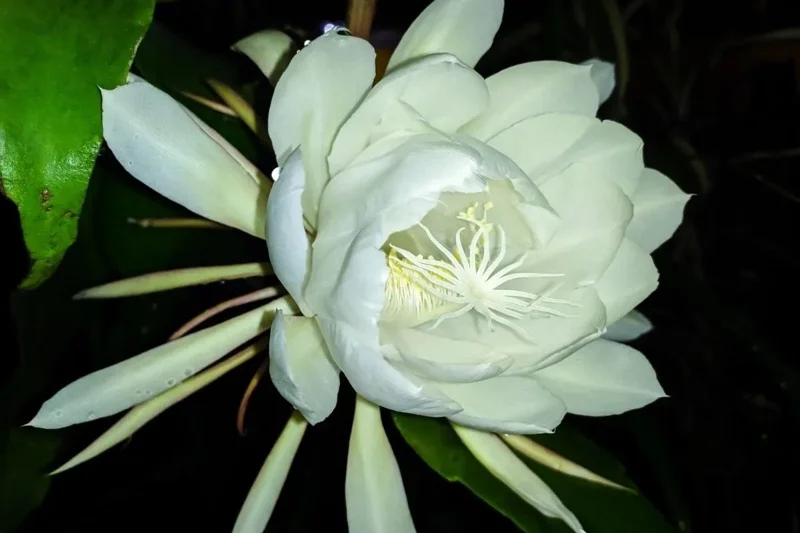
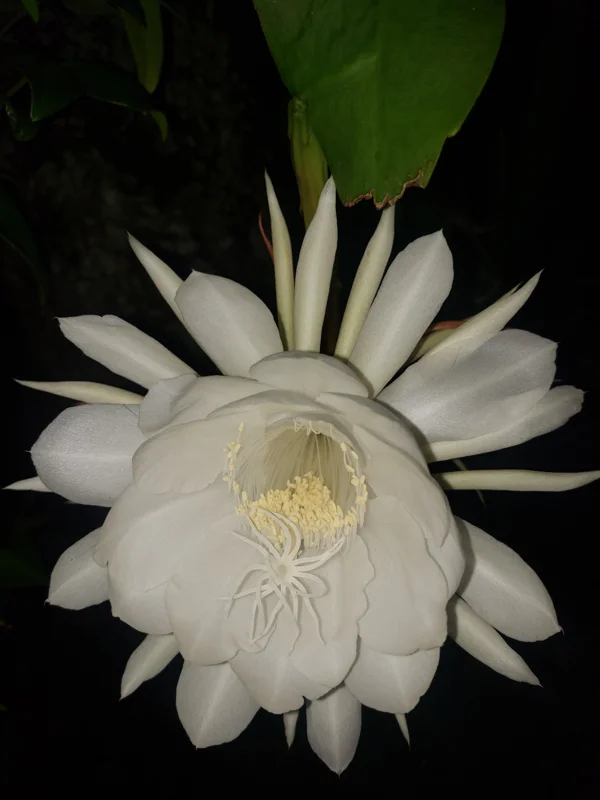
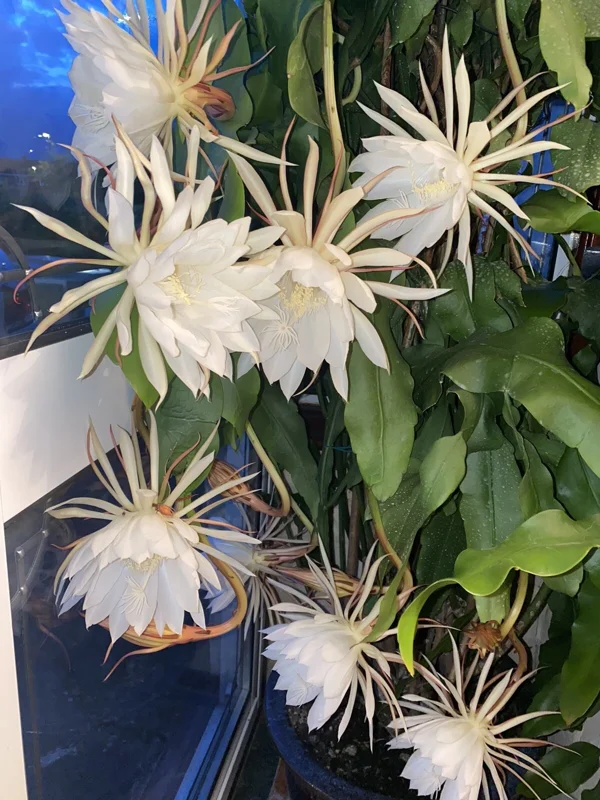
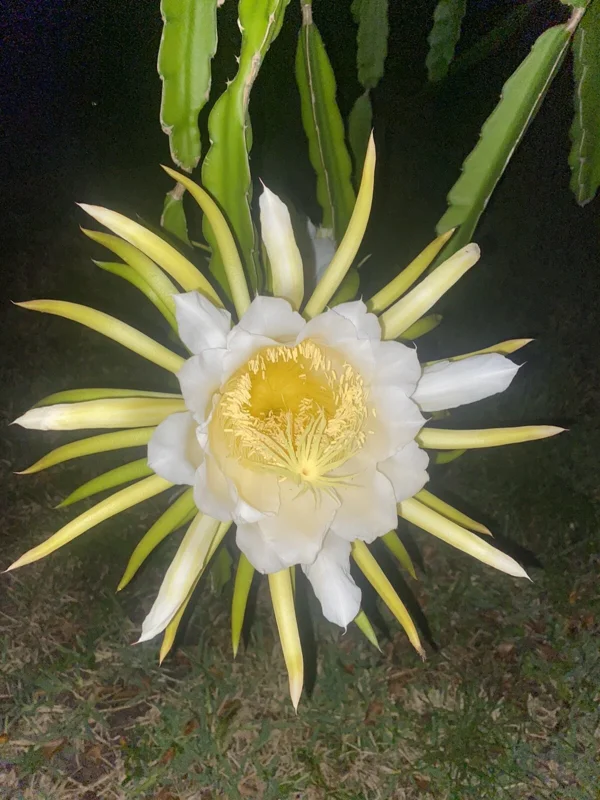
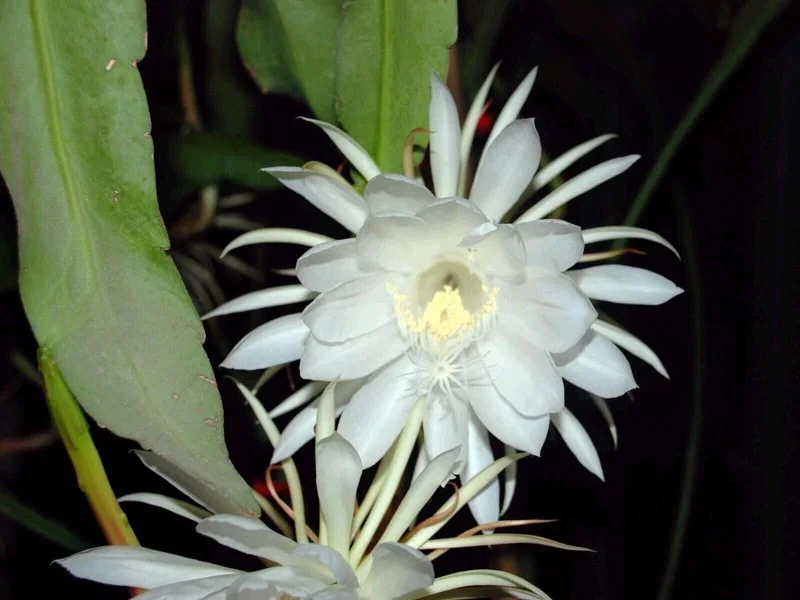
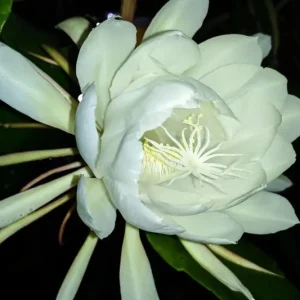
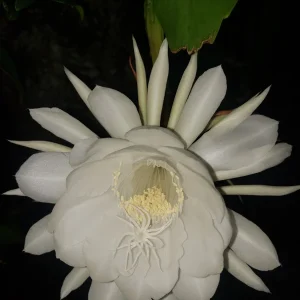
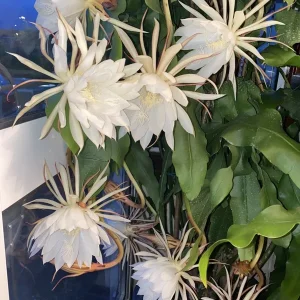
Introducing the magnificent queen of the night cactus live plant (Epiphyllum Oxypetalum), a true botanical marvel renowned for its spectacular, highly fragrant flowers that unfurl only after dusk. Often referred to as dama de noche plant, Dutchman’s Pipe Cactus, Princess of the Night, or simply Cereus, this unique succulent is a member of the cactus family, yet it boasts flattened, leaf-like stems rather than typical spines. Each live plant is well-established and rooted, ready to bring an exotic touch to your home or garden. Its exquisite blooms can reach up to 12 inches long and 7 inches wide, releasing a captivating aroma that fills the night air. This particular variety is cherished by collectors and enthusiasts alike for its dramatic flowering habit and relatively easy care requirements, making it an ideal choice for both novice and experienced plant parents seeking a truly special specimen. The Epiphyllum Oxypetalum is a fascinating plant that promises a breathtaking show.
Key Benefits
The queen of the night cactus live plant offers a multitude of benefits, from its stunning visual appeal to its captivating fragrance and ease of care. It’s a plant that truly comes alive at night, providing a unique experience for any plant lover.
- Spectacular Nocturnal Blooms: Witness the enchanting spectacle of large, white, highly fragrant flowers that bloom exclusively at night, creating a magical atmosphere.
- Exotic Fragrance: The blooms emit a powerful, sweet, and intoxicating scent that can fill an entire room, a truly unique sensory experience.
- Low Maintenance: Despite its exotic appearance, this epiphyllum oxypetalum care is surprisingly straightforward, requiring minimal fuss once established.
- Unique Growth Habit: Its flattened, succulent stems provide an interesting architectural element even when not in bloom, adding texture to your plant collection.
- Versatile Placement: Can be grown as a potted orchid cactus indoor plant in cooler climates or outdoors in suitable hardiness zones, adapting to various environments.
- Fast Growing: With proper care, this plant can grow quite quickly, producing new shoots and potentially blooming within a season or two.
- Air Purification: Like many houseplants, it contributes to improved indoor air quality by absorbing toxins and releasing oxygen.
Plant Care & Growing Tips
Caring for your queen of the night cactus live plant is a rewarding experience, especially when you witness its spectacular nocturnal blooms. This plant thrives with consistent, yet not excessive, attention. For optimal growth, provide bright, indirect light. While it appreciates morning sun, protect it from harsh afternoon rays, which can scorch its delicate stems. An east-facing window is often ideal indoors, or a shaded spot outdoors. Water thoroughly when the top inch or two of soil feels dry, allowing excess water to drain completely. During its active growing season (spring and summer), it may need more frequent watering, while in winter, reduce watering significantly as the plant enters a period of dormancy. Proper epiphyllum oxypetalum care also involves using a well-draining potting mix, ideally one formulated for cacti and succulents, or a mix amended with perlite or coarse sand to ensure good aeration and prevent root rot. This plant prefers temperatures between 60-85°F (15-29°C) and can tolerate slightly cooler temperatures but should be protected from frost. Fertilize monthly during the growing season with a balanced, diluted liquid fertilizer. This night blooming cereus is resilient but will flourish with consistent care, leading to more abundant and fragrant blooms.
Size & Details
This offering features a live, well-established queen of the night cactus live plant, ready to grow and flourish in your home. Each plant is rooted and robust, displaying healthy new shoots. You can choose between two sizes: an 8-10 inch tall plant or a larger 20-22 inch tall plant, both shipped in a 4-inch nursery pot. The plants are carefully packaged to ensure safe arrival. The flattened stems, typical of this dama de noche plant, can grow quite long, allowing them to trail or climb. With proper care, these plants can mature to impressive sizes, producing multiple fragrant flowers. Expect the first blooms to appear within a year or two, depending on the plant’s age and growing conditions. This plant is a long-lived specimen, providing years of enjoyment with its unique characteristics.
Frequently Asked Questions
- Q: How big does this plant get? A: The queen of the night cactus live plant can grow quite large, with stems reaching several feet in length. The flowers themselves can be up to 12 inches long and 7 inches wide.
- Q: What size pot does it come in? A: Our plants are shipped in a 4-inch nursery pot, providing a good base for continued growth.
- Q: Is this an indoor or outdoor plant? A: This plant can be grown both indoors in a bright window or outdoors in USDA hardiness zones 10-11 in a shady location. It makes an excellent orchid cactus indoor specimen.
- Q: How much sunlight does it need? A: It prefers bright, indirect light. Protect it from direct, harsh afternoon sun, which can damage its stems.
- Q: Is this plant easy to care for? A: Yes, epiphyllum oxypetalum care is relatively easy. It’s a forgiving plant that thrives with consistent watering and bright, indirect light.
- Q: What condition will it arrive in? A: Your night blooming cereus will arrive as a live, well-established, and rooted plant with new shoots, carefully packaged for safe transit.
- Q: How long until it blooms? A: The time to bloom can vary depending on the plant’s age and growing conditions, but established plants can bloom within a year or two.
- Q: What’s the best soil for this plant? A: A well-draining potting mix, such as one formulated for cacti and succulents, is ideal to prevent root rot.
- Q: Is the fragrance strong? A: Yes, the flowers of the dama de noche plant are known for their incredibly strong, sweet, and captivating fragrance that is most potent at night.
- Q: What are the main common names for this plant? A: Besides Queen of the Night Cactus, it’s also known as Dama de Noche, Dutchman’s Pipe Cactus, Princess of the Night, Cereus, and Epiphyllum Oxypetalum.
| Sizes | 2-3Ft One Gal, 4"Pot, Gal Pot, Half Gal Pot |
|---|
Related products
-30%
Original price was: $129.98.$90.98Current price is: $90.98.
-25%
Original price was: $30.00.$22.50Current price is: $22.50.

-30%
Original price was: $25.98.$18.18Current price is: $18.18.
-25%

Original price was: $20.90.$15.68Current price is: $15.68.


PLANTING & CARE

Growing Glencoe Raspberry: A Complete Guide for Gardeners
If you’re looking to add something unique to your garden, look no further than the
31
Mar
Mar

The Comprehensive Guide to Growing Bay Leaf Plants for a Flavorful Garden
Imagine stepping into your garden, greeted by the earthy aroma of fresh bay leaves, their
09
Feb
Feb

How to Make Comfrey Tea: The Ultimate Organic Plant Food
Growing an organic garden can be surprisingly expensive, especially when most store-bought fertilizers come in
02
Feb
Feb

True Comfrey: 7 Essential Tips Before You Plant This Herb
A staple in permaculture practices across the US, True Comfrey easily earns its reputation as
27
Jan
Jan

7 Heart-Shaped Plants for a Lasting Valentine’s Gift
If you’ve ever bought a bouquet of roses for Valentine’s Day, you know they are
26
Jan
Jan

Best Types of Ivy Plant for Houses: How to Choose the Perfect Ones for Your Home
Are you a garden lover looking to introduce some greenery into your home? Maybe you’ve
14
Nov
Nov

When to Harvest Garlic (Especially Fall-Planted Garlic)
TIMING IS EVERYTHING, they say – and for garlic, that truth hits with surprising accuracy.
13
Nov
Nov

11 of the Best Sweet Potato Varieties to Grow for Your Garden
If you’ve ever tried growing sweet potatoes, you know that picking the right variety can
12
Nov
Nov