Queen of the Night Epiphyllum Live Plant – 6 inch Potted Houseplant
-50%
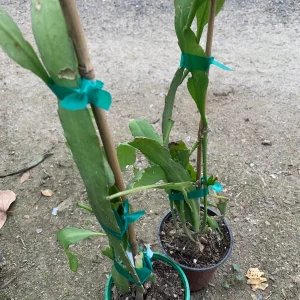
Queen of the Night Epiphyllum Live Plant – 6 inch Potted Houseplant
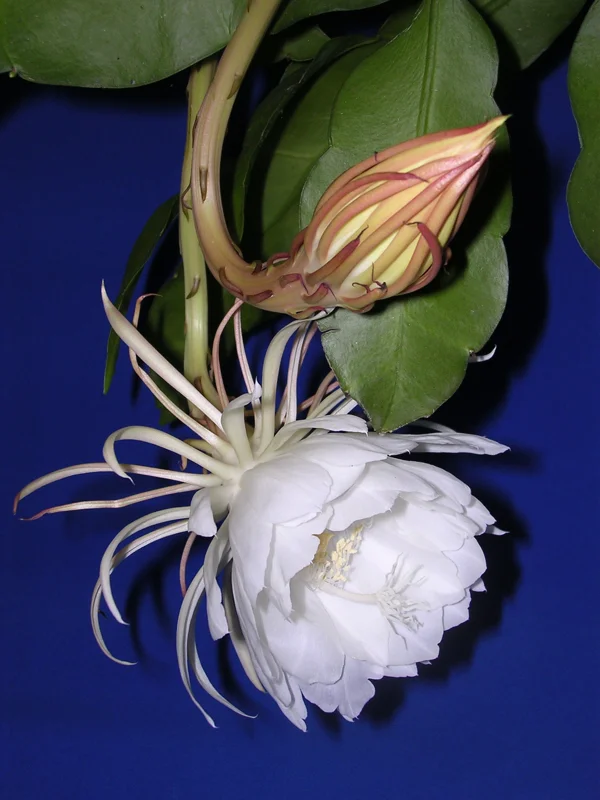
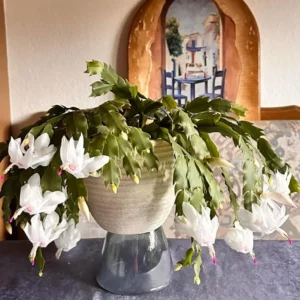
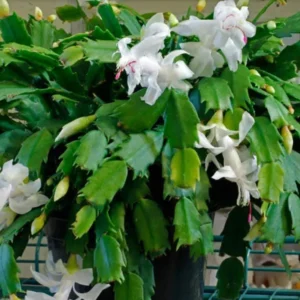
Bring home the magnificent Queen of the Night Epiphyllum live plant, a true spectacle with its large, fragrant, nocturnal flowers. This 6 inch potted houseplant is ideal for adding unique beauty to your indoor space.
Original price was: $154.36.$77.18Current price is: $77.18.

With our Alive & Thrive Guarantee, we’ve got your back for the first 30 days! If you have any concerns about your plants, just reach out to us. Our team is here to help answer your questions and guide you in selecting the best plants for your garden, climate, and unique preferences. We're excited to help you create the garden of your dreams!
Estimated arrival
Apr 12
Apr 17 - Apr 19
Apr 22 - Apr 26



Product Details
-
USDA Hardiness Zone
USDA zones 9-11 (outdoors); typically grown indoors -
Soil type
Well-draining, airy potting mix (e.g., orchid mix) -
Sunlight Exposure
Bright, indirect light -
Expected Planting Period
Year-round indoors
Overview
Welcome the enchanting Queen of the Night Epiphyllum live plant into your home. Known scientifically as Epiphyllum oxypetalum, this extraordinary cactus is celebrated for its spectacular, large white flowers that bloom only at night, filling the air with a sweet, intoxicating fragrance. Often referred to as the Night Blooming Cereus or Orchid Cactus, this plant is a must-have for collectors and enthusiasts eager to witness one of nature’s most dramatic floral displays. Our Queen of the Night Epiphyllum live plant is shipped in a 6 inch pot, ready to thrive and eventually produce its stunning, ephemeral blossoms. Perfect for indoor cultivation, it offers a truly unique and rewarding gardening experience.
Despite its exotic appearance, the Queen of the Night Epiphyllum live plant is surprisingly adaptable and relatively easy to care for, making it suitable for both experienced gardeners and those new to rare houseplants. Its flat, leaf-like stems add an interesting architectural element to any room even when not in bloom. Prepare to be captivated by the magic of its short-lived yet unforgettable flowers.
Key Benefits
The Queen of the Night Epiphyllum live plant offers a multitude of benefits beyond its stunning blooms, making it a cherished addition to any indoor garden:
-
Spectacular Nocturnal Blooms: Experience the rare beauty of large, fragrant white flowers that unfurl only after dusk and fade by dawn. This unique characteristic provides a truly memorable and exclusive viewing experience for any plant enthusiast.
-
Exotic Fragrance: The flowers emit a powerful, sweet, and captivating scent that can fill an entire room, creating an enchanting evening ambiance. It’s an aromatherapy experience unlike any other offered by common houseplants.
-
Unique Ornamental Value: Even without its flowers, the plant’s distinctive, flat, leaf-like stems provide an interesting and sculptural aesthetic, adding a touch of the exotic to your home decor. Its unusual growth habit is a conversation starter.
-
Relatively Low Maintenance: Despite its exotic nature, the Epiphyllum oxypetalum care requirements are surprisingly straightforward, making it accessible to a wide range of gardeners. It doesn’t demand constant attention once its basic needs are met.
-
Air Purification: Like many houseplants, the Queen of the Night contributes to improving indoor air quality by absorbing toxins and releasing oxygen, promoting a healthier living environment.
-
Rewarding Growing Experience: Witnessing the anticipation and eventual unfolding of its magnificent blooms is an incredibly rewarding experience, offering a sense of accomplishment and wonder. It’s a plant that inspires patience and appreciation.
-
Conversation Starter: Its rarity and unique blooming habit make it an excellent topic of discussion and an intriguing plant to share with guests.
Plant Care & Growing Tips
Caring for your Queen of the Night Epiphyllum live plant, also known as the Night Blooming Cereus plant, involves understanding its specific needs to ensure robust growth and abundant flowering. This epiphytic cactus thrives in conditions that mimic its natural habitat in tropical forests, where it grows on trees, not in the ground.
Sunlight: Provide bright, indirect light. A north or east-facing window is ideal, or a spot where it receives filtered light. Direct, harsh afternoon sun can scorch its delicate stems, so protect it, especially during the summer. While it needs good light to bloom, too much direct sun will hinder flower production. For optimal flowering, aim for morning sun and afternoon shade.
Watering: Water thoroughly when the top inch or two of the soil feels dry to the touch. During the growing season (spring and summer), this might mean watering once a week. Reduce watering significantly in the fall and winter, allowing the soil to dry out more between waterings to encourage a dormant period, which is crucial for bloom initiation. Ensure proper drainage to prevent root rot.
Soil: Use a well-draining, airy potting mix. A good mix typically includes peat moss, perlite, and pine bark, similar to what you would use for orchids or other epiphytic plants. This provides the necessary aeration and drainage while retaining some moisture. Our Epiphyllum care guide suggests avoiding heavy garden soil.
Temperature & Humidity: This plant prefers warm temperatures, ideally between 60-75°F (15-24°C). Protect it from temperatures below 50°F (10°C). As a tropical plant, it appreciates high humidity. You can increase humidity by misting regularly, placing the pot on a pebble tray with water, or using a humidifier, especially in dry indoor environments. USDA Zones 9-11 are generally suitable if grown outdoors, but it’s primarily an Orchid cactus indoor plant in most regions.
Fertilization: Feed your Queen of the Night Epiphyllum live plant with a balanced liquid fertilizer diluted to half strength every 2-4 weeks during the active growing season (spring and summer). Switch to a fertilizer higher in phosphorus and potassium in late summer to encourage bud formation. Cease fertilization during the fall and winter dormancy period.
Pruning & Pests: Prune any leggy, damaged, or old stems to encourage new growth and maintain a desirable shape. This also helps with air circulation. Keep an eye out for common houseplant pests like mealybugs, spider mites, and scale insects. Treat promptly with insecticidal soap if an infestation occurs. Good air circulation and proper watering practices are key to prevention.
Size & Details
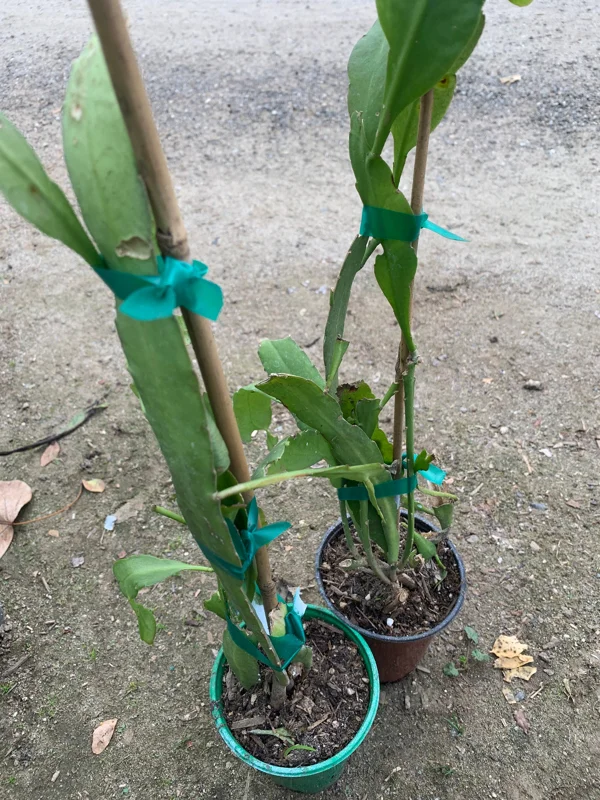
This Queen of the Night Epiphyllum live plant is provided in a 6 inch nursery pot, a perfect size for transplanting into your preferred decorative container or allowing it to grow further in its current pot. The plant typically features multiple flat, leaf-like stems, often reaching lengths of 1-3 feet, though they can grow longer over time, cascading beautifully. When mature, the plant can produce numerous large flowers, each measuring 8-12 inches across. The growth rate is moderate, and with proper care, you can expect your plant to reach flowering maturity within a few years, offering an exciting anticipation with each growing season. This plant is shipped as a healthy, established specimen, ready to adapt to its new home and begin its journey towards its first magnificent nocturnal bloom.
Frequently Asked Questions
-
Q: How big does this Queen of the Night Epiphyllum live plant get? A: The flat, leaf-like stems of the Queen of the Night can grow quite long, often reaching 1-3 feet in length and sometimes even more. With proper support, they can form a large, impressive specimen over several years.
-
Q: What size pot does it come in? A: This Queen of the Night Epiphyllum live plant is shipped in a 6 inch diameter nursery pot, providing a good foundation for its initial growth.
-
Q: Is this an indoor or outdoor plant? A: While it can be grown outdoors in very warm, frost-free climates (USDA Zones 9-11), it is primarily cultivated as an Orchid cactus indoor plant in most regions due to its tropical nature and sensitivity to cold.
-
Q: How much sunlight does it need? A: It thrives in bright, indirect light. Avoid direct afternoon sun, which can scorch its stems. Morning sun or filtered light throughout the day is ideal for promoting healthy growth and flowering.
-
Q: Is this plant easy to care for? A: Yes, despite its exotic appearance, the Epiphyllum oxypetalum care requirements are considered moderate. It’s relatively forgiving if its basic needs for light, water, and well-draining soil are met, making it suitable for diligent beginners.
-
Q: What condition will it arrive in? A: Your Queen of the Night Epiphyllum live plant will arrive as a healthy, established plant in its 6 inch pot, carefully packaged to ensure its safe journey to your home.
-
Q: How long until it blooms? A: The time to first bloom can vary, but typically, a mature plant will start flowering after 2-3 years, especially if given proper care and a cool, dry rest period in winter.
-
Q: When is the best time for Night Blooming Cereus plant to bloom? A: Most flowers appear in late spring to late summer, often triggered by a transition from cooler, drier winter conditions to warmer, more humid spring weather.
-
Q: What’s the minimum temperature it can tolerate? A: The Queen of the Night is sensitive to cold and should be protected from temperatures below 50°F (10°C). Frost will severely damage or kill the plant.
-
Q: Can I propagate this plant? A: Yes, the Queen of the Night Epiphyllum live plant is easily propagated from stem cuttings. Simply allow a cut stem to callus for a few days before planting it in well-draining soil.
Related products

-25%
Original price was: $23.00.$17.24Current price is: $17.24.

-30%
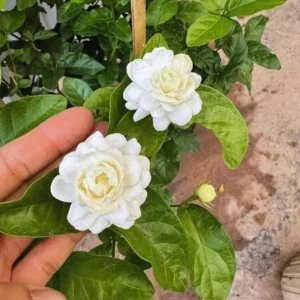
Original price was: $79.98.$55.98Current price is: $55.98.

-30%
Original price was: $13.98.$9.78Current price is: $9.78.
PLANTING & CARE

Growing Glencoe Raspberry: A Complete Guide for Gardeners
If you’re looking to add something unique to your garden, look no further than the
31
Mar
Mar

The Comprehensive Guide to Growing Bay Leaf Plants for a Flavorful Garden
Imagine stepping into your garden, greeted by the earthy aroma of fresh bay leaves, their
09
Feb
Feb

How to Make Comfrey Tea: The Ultimate Organic Plant Food
Growing an organic garden can be surprisingly expensive, especially when most store-bought fertilizers come in
02
Feb
Feb

True Comfrey: 7 Essential Tips Before You Plant This Herb
A staple in permaculture practices across the US, True Comfrey easily earns its reputation as
27
Jan
Jan

7 Heart-Shaped Plants for a Lasting Valentine’s Gift
If you’ve ever bought a bouquet of roses for Valentine’s Day, you know they are
26
Jan
Jan

Best Types of Ivy Plant for Houses: How to Choose the Perfect Ones for Your Home
Are you a garden lover looking to introduce some greenery into your home? Maybe you’ve
14
Nov
Nov

When to Harvest Garlic (Especially Fall-Planted Garlic)
TIMING IS EVERYTHING, they say – and for garlic, that truth hits with surprising accuracy.
13
Nov
Nov

11 of the Best Sweet Potato Varieties to Grow for Your Garden
If you’ve ever tried growing sweet potatoes, you know that picking the right variety can
12
Nov
Nov