Red Amaranth Seeds Heirloom Non-GMO Annual Edible Leaf Vegetable Seeds
-50%
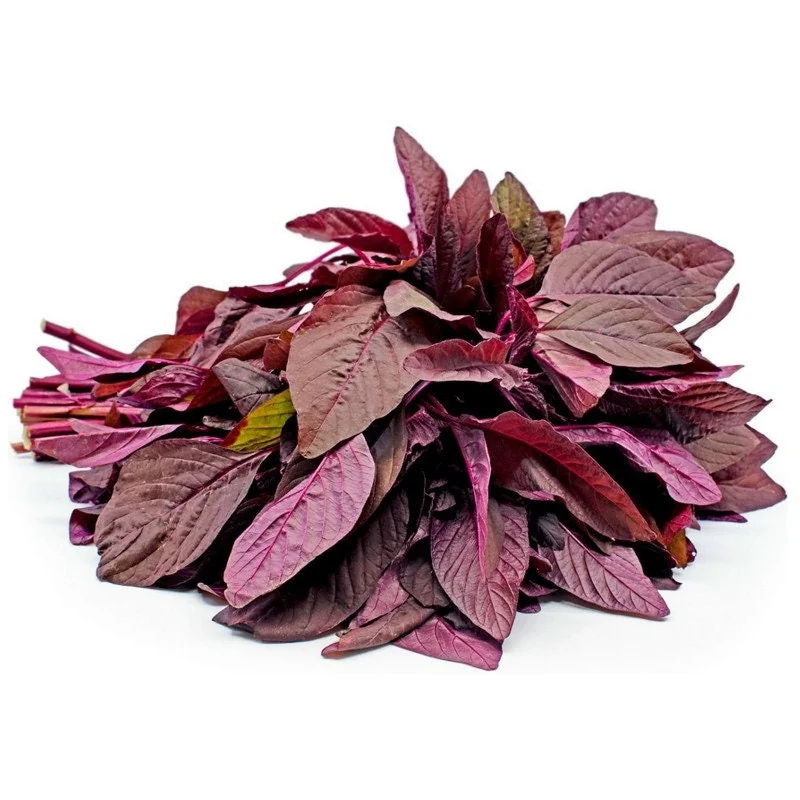
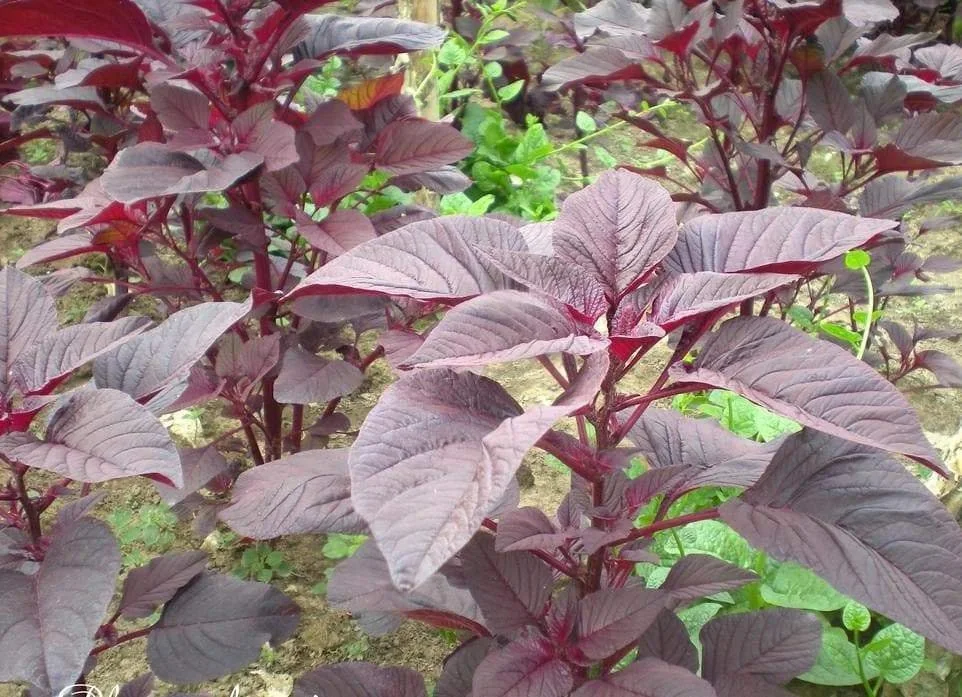

Red Amaranth Seeds Heirloom Non-GMO Annual Edible Leaf Vegetable Seeds
Cultivate delicious and vibrant red amaranth seeds for your garden. These heirloom, non-gmo amaranth seeds produce annual plants perfect for edible leaves, microgreens, and adding a splash of color. Easy to grow and versatile for various amaranth culinary uses.
From Original price was: $6.00.$3.00Current price is: $3.00.

With our Alive & Thrive Guarantee, we’ve got your back for the first 30 days! If you have any concerns about your plants, just reach out to us. Our team is here to help answer your questions and guide you in selecting the best plants for your garden, climate, and unique preferences. We're excited to help you create the garden of your dreams!
Estimated arrival
Apr 02
Apr 07 - Apr 09
Apr 12 - Apr 16
Product Details
-
USDA Hardiness Zone
USDA zones 2-11 (as an annual) -
Soil type
Well-draining soil -
Sunlight Exposure
Full sun -
Expected Planting Period
Late spring to early summer
Overview
Discover the joy of growing your own nutrient-rich greens with our premium red amaranth seeds. These heirloom, non-GMO seeds will allow you to cultivate a vibrant, annual plant known for its striking red foliage and delicious, edible leaves. Amaranth (Amaranthus tricolor), also known as Red Leaf Amaranth, is a versatile plant that serves both ornamental and culinary purposes. It’s an excellent choice for home gardeners looking to add unique flavors and colors to their dishes, offering a sustainable way to enjoy fresh produce right from your backyard or container garden.
Our red amaranth seeds provide an opportunity to grow a resilient and fast-growing vegetable that thrives in warm conditions. Whether you’re an experienced gardener or just starting, these seeds promise a rewarding cultivation experience. The plants are robust, requiring minimal intervention once established, making them a fantastic addition to any edible landscape.
Key Benefits
Growing red amaranth plants offers a multitude of benefits, from enhancing your garden’s aesthetics to boosting your dietary intake with fresh, wholesome greens. This plant is a powerhouse of nutrition and easy to integrate into diverse culinary traditions.
- Nutrient-Rich Edible Greens: Red amaranth plants are packed with vitamins, minerals, and antioxidants, making them a highly nutritious addition to your diet. Enjoy fresh, healthy greens that contribute to overall well-being.
- Versatile Culinary Uses: From microgreens to mature leaves, amaranth can be harvested at various stages for stir-fries, soups, salads, and more. Explore diverse amaranth culinary uses and elevate your home cooking.
- Striking Ornamental Value: The vibrant red foliage of these plants adds a beautiful splash of color to garden beds, borders, and containers, making them both productive and decorative.
- Easy to Grow: These non-gmo amaranth seeds are known for their ease of cultivation, making them suitable for gardeners of all skill levels. They thrive in warm, sunny conditions with minimal fuss.
- Heirloom & Non-GMO: Our seeds are heirloom and non-GMO, ensuring you’re growing a pure, traditional variety that can be saved and replanted for future seasons.
- Container Gardening Friendly: Red amaranth seeds grow well in containers, making them ideal for urban gardens, patios, or balconies where space is limited.
- Quick Growth Cycle: Amaranth offers a relatively fast growth cycle, allowing for multiple harvests throughout the growing season, providing a continuous supply of fresh greens.
Plant Care & Growing Tips
Knowing how to grow amaranth successfully ensures a bountiful harvest of delicious red leaves. These plants are quite forgiving, but providing the right conditions will optimize their growth and yield. Start by sowing your red amaranth seeds after the last frost, when all danger of cold weather has passed. Amaranth thrives in warm temperatures and full sun, requiring at least 6-8 hours of direct sunlight per day. While the time of year is less critical than consistent warmth and light, late spring to early summer is generally ideal for planting.
For soil, amaranth prefers well-draining soil, though it can tolerate a variety of soil types. Keep the soil consistently moist, especially during germination and early growth, but avoid waterlogging. Once established, amaranth is relatively drought-tolerant. Fertilizer is generally not needed, and excessive nitrogen can lead to an accumulation of nitrates in the leaves, so it’s best to amend the soil with compost rather than synthetic fertilizers if a boost is desired. Keep the planting area free of weeds to reduce competition for nutrients and moisture. These plants also perform well when grown in containers, offering flexibility for smaller spaces.
Unnecessary transplanting or disturbing the roots can lead to premature flowering, which can reduce the quality of the edible leaves. If thinning is required, do so carefully. Amaranth can also be intercropped with taller plants like gourds or beans, which can provide a bit of shade and heat, benefiting both crops. Understanding how to grow amaranth effectively will lead to a continuous supply of fresh, flavorful greens for your kitchen.
Size & Details
Our red amaranth seeds will grow into annual plants that typically reach a height of 3-6 feet, though they can be kept smaller through regular harvesting. The width of the plant can vary depending on spacing and growing conditions, usually spreading 1-2 feet. These seeds are shipped in a protective packet, ready for planting upon arrival. Amaranth has a relatively fast growth rate, with leaves ready for harvest in as little as 30-45 days for microgreens or young leaves, and mature leaves developing within 60-90 days.
The plant exhibits striking red and green variegated foliage, becoming more intensely red in full sun. While grown primarily for its edible leaves, it also produces small, inconspicuous flowers. These plants are annuals, meaning they complete their life cycle within one growing season and will need to be re-sown each year for continuous harvests. Regular harvesting of leaves can encourage more bushy growth and prolong the harvest period, providing a steady supply for your amaranth culinary uses.
Frequently Asked Questions
- Q: How big does this plant get? A: Red amaranth plants typically grow 3-6 feet tall, but their size can be managed by regular harvesting and growing in containers. They generally spread 1-2 feet wide.
- Q: Is this an indoor or outdoor plant? A: While primarily grown outdoors in warm, sunny locations, red amaranth seeds can also be started indoors and transplanted, or grown indoors in very large containers with sufficient light.
- Q: How much sunlight does it need? A: Amaranth thrives in full sun, requiring at least 6-8 hours of direct sunlight per day for optimal growth and foliage color.
- Q: Is this plant easy to care for? A: Yes, amaranth is considered an easy-to-care-for plant, making it suitable for beginner gardeners. It requires consistent moisture and warmth, but is otherwise low maintenance.
- Q: What condition will the seeds arrive in? A: Your red amaranth seeds will arrive in a sealed packet, ready for planting. We ensure they are carefully packaged to maintain viability during transit.
- Q: Can I use amaranth in cooking? A: Absolutely! Amaranth leaves have many amaranth culinary uses, including stir-fries, soups, salads, and as a steamed green. The flavor is mild and earthy.
- Q: When is the best time to plant red amaranth seeds? A: The best time to plant is after the last frost, when soil temperatures have warmed and all danger of cold weather has passed. It prefers warm conditions.
- Q: Is this a perennial or an annual? A: Red amaranth is an annual plant, meaning it completes its life cycle within one growing season. You will need to replant seeds each spring for continuous harvests.
- Q: Is this amaranth variety non-GMO? A: Yes, these are non-gmo amaranth seeds, ensuring you are growing a pure and natural heirloom variety.
- Q: Can I grow red amaranth in pots? A: Yes, red amaranth plants grow very well in containers, making them an excellent choice for patios, balconies, or small garden spaces. Ensure the pot has good drainage.
| Seeds | 1000+, 250+, 2500+, 500+ |
|---|
Related products
-48%
Original price was: $28.99.$14.99Current price is: $14.99.
-50%
Original price was: $15.00.$7.50Current price is: $7.50.
-50%
Original price was: $51.96.$25.98Current price is: $25.98.
-50%

Original price was: $59.96.$29.98Current price is: $29.98.
-50%

Original price was: $19.96.$9.98Current price is: $9.98.
-50%
Original price was: $15.96.$7.98Current price is: $7.98.
-50%
Original price was: $39.96.$19.98Current price is: $19.98.
PLANTING & CARE

Growing Glencoe Raspberry: A Complete Guide for Gardeners
If you’re looking to add something unique to your garden, look no further than the
31
Mar
Mar

The Comprehensive Guide to Growing Bay Leaf Plants for a Flavorful Garden
Imagine stepping into your garden, greeted by the earthy aroma of fresh bay leaves, their
09
Feb
Feb

How to Make Comfrey Tea: The Ultimate Organic Plant Food
Growing an organic garden can be surprisingly expensive, especially when most store-bought fertilizers come in
02
Feb
Feb

True Comfrey: 7 Essential Tips Before You Plant This Herb
A staple in permaculture practices across the US, True Comfrey easily earns its reputation as
27
Jan
Jan

7 Heart-Shaped Plants for a Lasting Valentine’s Gift
If you’ve ever bought a bouquet of roses for Valentine’s Day, you know they are
26
Jan
Jan

Best Types of Ivy Plant for Houses: How to Choose the Perfect Ones for Your Home
Are you a garden lover looking to introduce some greenery into your home? Maybe you’ve
14
Nov
Nov

When to Harvest Garlic (Especially Fall-Planted Garlic)
TIMING IS EVERYTHING, they say – and for garlic, that truth hits with surprising accuracy.
13
Nov
Nov

11 of the Best Sweet Potato Varieties to Grow for Your Garden
If you’ve ever tried growing sweet potatoes, you know that picking the right variety can
12
Nov
Nov