Red Curcuma Flower Plant Rhizomes – 3 Count Fast Grow Turmeric
-50%








Red Curcuma Flower Plant Rhizomes – 3 Count Fast Grow Turmeric
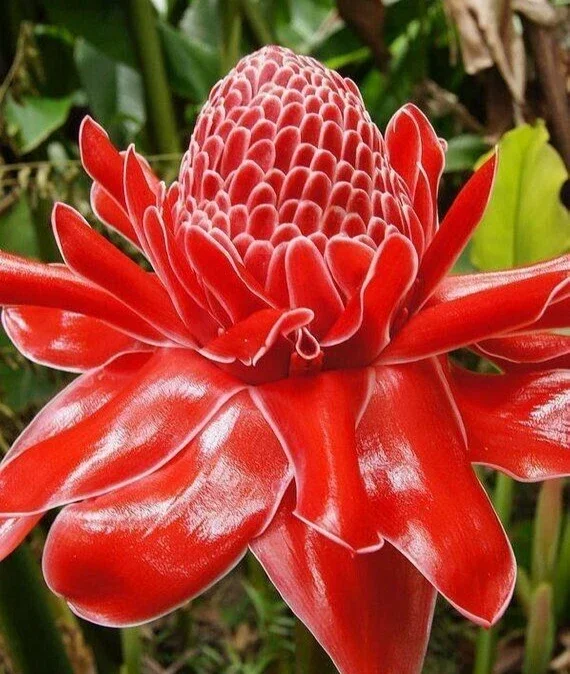
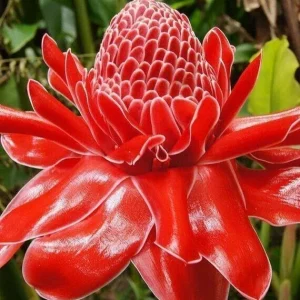
Cultivate stunning red blooms with these Red Curcuma flower plant rhizomes. Known for their vibrant color and elegant form, these turmeric rhizomes planting are perfect for adding a tropical touch to your garden. Enjoy their beauty as a unique ornamental plant.
Original price was: $30.76.$15.38Current price is: $15.38.

With our Alive & Thrive Guarantee, we’ve got your back for the first 30 days! If you have any concerns about your plants, just reach out to us. Our team is here to help answer your questions and guide you in selecting the best plants for your garden, climate, and unique preferences. We're excited to help you create the garden of your dreams!
Estimated arrival
Mar 12
Mar 17 - Mar 19
Mar 22 - Mar 26
Product Details
-
USDA Hardiness Zone
USDA Zones 8-11 (or lift rhizomes in colder zones) -
Soil type
Well-draining, rich in organic matter -
Sunlight Exposure
Partial shade to full sun -
Expected Planting Period
Spring, after last frost
Overview
Transform your garden into a tropical paradise with the exquisite Red Curcuma flower plant. These beautiful rhizomes promise to grow into magnificent plants, showcasing striking red flowers that are sure to capture attention. Often referred to as the ‘Hidden Lily’ or ‘Siam Tulip’, Curcuma plants, especially the red varieties, are celebrated for their exotic appearance and long-lasting blooms. This offering includes 3 root rhizomes, ready to grow into vibrant specimens. Beyond their ornamental appeal, Curcuma is botanically related to the well-known spice turmeric, making this a fascinating addition to any plant collection. The impressive blooms emerge from lush green foliage, creating a dramatic contrast and a focal point in any garden or container.
The Red Curcuma flower plant is ideal for those looking to introduce an element of tropical elegance. Its unique flower structure, resembling a tulip or a cone, makes it a conversation starter. These rhizomes are selected for their vigor, ensuring a good start to your planting journey. Whether you’re an experienced gardener or just beginning, the rewarding process of growing these stunning plants from rhizomes is an enjoyable experience that culminates in spectacular floral displays.
Key Benefits
The Red Curcuma flower plant offers a multitude of benefits for gardeners and plant enthusiasts alike. Its captivating beauty is just the beginning of what this tropical gem brings to your space.
- Stunning Ornamental Value: The vibrant red flowers of the Curcuma plant provide an exotic and eye-catching display, perfect for garden beds, borders, or container planting. Their unique shape and intense color create a focal point wherever they are placed.
- Easy to Grow from Rhizomes: These turmeric rhizomes planting are straightforward to cultivate, making them suitable for gardeners of all skill levels. With proper care, they will quickly establish and begin to produce their beautiful blooms.
- Fast Growth Habit: Experience the joy of watching your plants develop rapidly. The ‘fast grow turmeric‘ characteristic ensures that you won’t have to wait long to see the lush foliage and dramatic flowers emerge, providing quick gratification.
- Long-Lasting Blooms: Enjoy an extended period of color in your garden. Curcuma flowers are known for their durability, often lasting for several weeks, adding continuous beauty throughout their blooming season.
- Versatile Planting Options: Suitable for both indoor and outdoor cultivation in appropriate climates, the Red Curcuma flower plant offers flexibility in how you choose to display its charm. They thrive in pots on patios or integrated into garden landscapes.
- Low Maintenance: Once established, these plants require minimal fuss. Their robust nature means they are relatively resilient and don’t demand constant attention, allowing you more time to simply admire their beauty.
- Unique Tropical Appeal: For those desiring a distinctive tropical aesthetic, the Red Curcuma delivers. Its exotic look can transport any space to a more vibrant, lush environment, creating a serene and beautiful retreat.
Plant Care & Growing Tips
Caring for your Red Curcuma flower plant is a rewarding experience that ensures a spectacular display of blooms. Understanding their needs will help you cultivate healthy and vibrant plants. Curcuma thrives in conditions similar to its tropical origins, preferring warmth and humidity. For optimal growth, plant your turmeric rhizomes planting in a location that receives partial shade to full sun. In hotter climates, afternoon shade is crucial to protect the delicate flowers and foliage from scorching. Aim for at least 4-6 hours of sunlight daily.
When it comes to watering, consistency is key. Keep the soil consistently moist but never waterlogged, especially during the growing season. Good drainage is paramount to prevent rhizome rot. A well-draining soil mix, rich in organic matter, is ideal. You can amend heavy clay soils with compost or peat moss to improve drainage and aeration. The curcuma plant care routine also includes regular fertilization. Use a balanced liquid fertilizer every 2-4 weeks during the active growing period (spring through summer). Reduce watering and cease fertilization as the plant enters dormancy in the fall.
These plants are tender perennials, generally hardy in USDA Zones 8-11. In colder regions, the rhizomes can be dug up before the first frost and stored in a cool, dry, dark place over winter, similar to dahlias. Replant them in spring after all danger of frost has passed. Watch out for common pests like spider mites and mealybugs, especially in dry conditions. Regular inspection and prompt treatment with insecticidal soap can keep these issues at bay. Proper curcuma plant care ensures a stunning display year after year.
Size & Details
This offering includes 3 root rhizomes of the Red Curcuma flower plant, ready for planting. Each rhizome is carefully selected to ensure viability and robust growth. When mature, these plants typically reach a height of 2-3 feet and spread about 1-2 feet wide, creating a substantial and impactful presence in your garden or container. The vibrant red flower bracts are a defining feature, often lasting for several weeks during the blooming season, which generally occurs from mid-summer to early fall. The plants ship as dormant rhizomes, ensuring they arrive in optimal condition for planting and will begin to sprout once conditions are favorable. Expect vigorous growth and beautiful blooms within the first growing season with proper care. The ‘red ginger lily‘ appearance is unmistakable, bringing a touch of the exotic to your landscape.
Frequently Asked Questions
- Q: How big does this plant get? A: The Red Curcuma flower plant typically grows to a height of 2-3 feet and spreads about 1-2 feet wide, forming an attractive clump of foliage and flowers. Its upright growth habit makes it suitable for various garden designs.
- Q: What size pot does it come in? A: This product includes 3 root rhizomes, which are the underground stems from which the plant grows. They do not come in a pot but are ready for planting in your chosen container or garden bed.
- Q: Is this an indoor or outdoor plant? A: The Red Curcuma flower plant can be grown both indoors and outdoors. It thrives outdoors in warmer climates (USDA Zones 8-11) and can be grown in containers that are brought indoors during colder months in other regions.
- Q: How much sunlight does it need? A: For best results, provide the Red Curcuma flower plant with partial shade to full sun. In areas with intense summer heat, ensure it receives protection from the scorching afternoon sun to prevent leaf burn and maintain flower vibrancy.
- Q: Is this plant easy to care for? A: Yes, with consistent watering and good drainage, the curcuma plant care is relatively easy. It’s a forgiving plant that rewards growers with stunning blooms without requiring extensive attention.
- Q: What condition will it arrive in? A: The product will arrive as 3 root rhizomes, dormant and carefully packaged to ensure their health and safety during transit, ready for your immediate planting.
- Q: How long until it blooms? A: With proper planting and care, you can expect the Red Curcuma flower plant to begin blooming in mid-summer, typically a few months after planting the rhizomes in spring. The ‘fast grow turmeric‘ characteristic ensures a relatively quick turnaround to flowering.
- Q: When is the best time to plant? A: The ideal time for turmeric rhizomes planting is in the spring, after all danger of frost has passed and soil temperatures have warmed up. This gives the rhizomes ample time to establish and grow before the blooming season.
- Q: Will it survive winter in my zone? A: In USDA Zones 8-11, the rhizomes can remain in the ground over winter. In colder zones, you will need to dig up the rhizomes before the first frost and store them indoors in a cool, dry place until spring.
- Q: What’s the minimum temperature it can tolerate? A: Curcuma plants are sensitive to cold. They generally prefer temperatures above 60°F (15°C) and cannot tolerate freezing temperatures.
Related products
-67%
Original price was: $59.97.$19.99Current price is: $19.99.
-67%
Original price was: $66.72.$22.24Current price is: $22.24.
-30%
Original price was: $63.98.$44.78Current price is: $44.78.

-30%
Original price was: $63.98.$44.78Current price is: $44.78.
-67%
Original price was: $59.97.$19.99Current price is: $19.99.
-30%
Original price was: $65.98.$46.18Current price is: $46.18.
PLANTING & CARE

The Comprehensive Guide to Growing Bay Leaf Plants for a Flavorful Garden
Imagine stepping into your garden, greeted by the earthy aroma of fresh bay leaves, their
09
Feb
Feb

How to Make Comfrey Tea: The Ultimate Organic Plant Food
Growing an organic garden can be surprisingly expensive, especially when most store-bought fertilizers come in
02
Feb
Feb

True Comfrey: 7 Essential Tips Before You Plant This Herb
A staple in permaculture practices across the US, True Comfrey easily earns its reputation as
27
Jan
Jan

7 Heart-Shaped Plants for a Lasting Valentine’s Gift
If you’ve ever bought a bouquet of roses for Valentine’s Day, you know they are
26
Jan
Jan

Best Types of Ivy Plant for Houses: How to Choose the Perfect Ones for Your Home
Are you a garden lover looking to introduce some greenery into your home? Maybe you’ve
14
Nov
Nov

When to Harvest Garlic (Especially Fall-Planted Garlic)
TIMING IS EVERYTHING, they say – and for garlic, that truth hits with surprising accuracy.
13
Nov
Nov

11 of the Best Sweet Potato Varieties to Grow for Your Garden
If you’ve ever tried growing sweet potatoes, you know that picking the right variety can
12
Nov
Nov
Pruning Bougainvillea for Winter
Bougainvillea vines are known for their dazzling display of magenta, orange, and fuchsia bracts that
05
Nov
Nov