Red Currant Bush Live Plant – Fast Growing Fruit, 6-14″ Tall, Outdoor
-50%
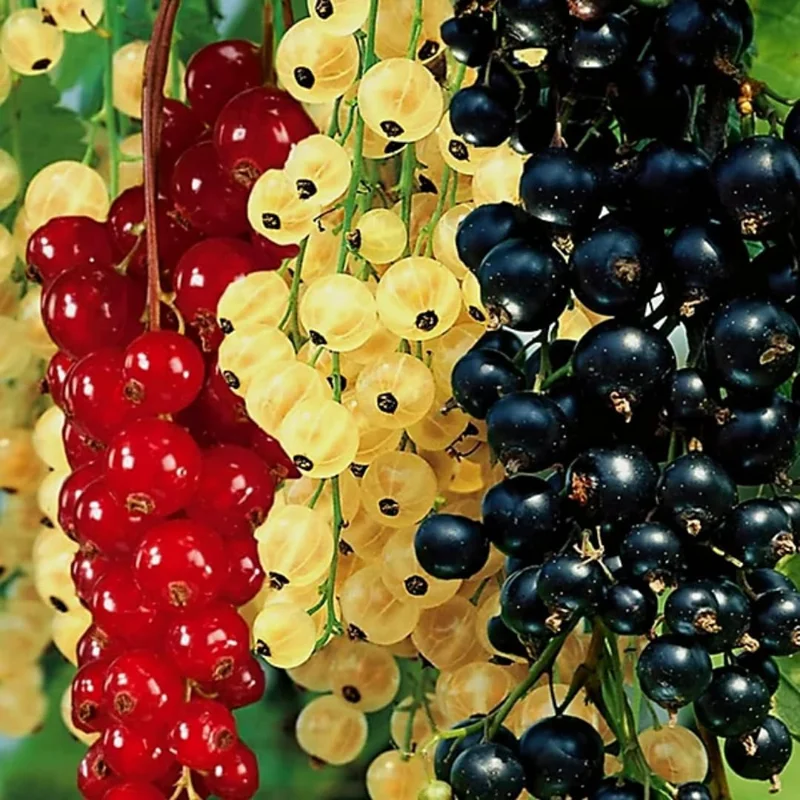
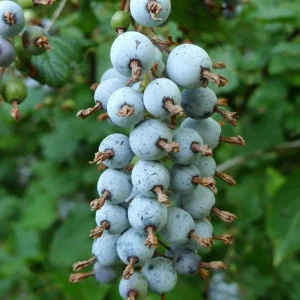
Red Currant Bush Live Plant – Fast Growing Fruit, 6-14″ Tall, Outdoor
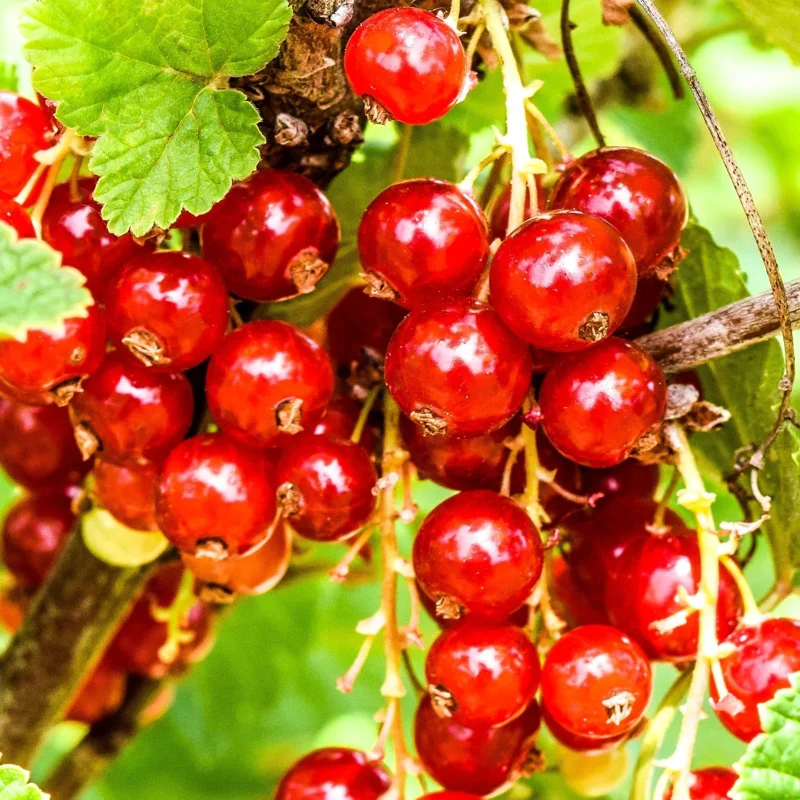
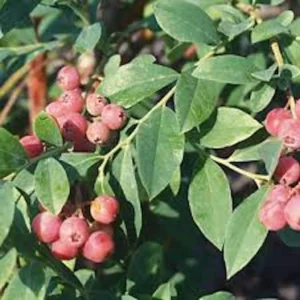
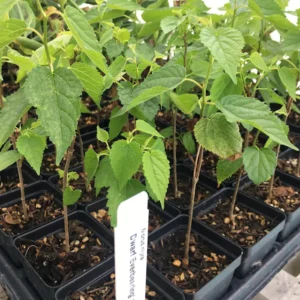
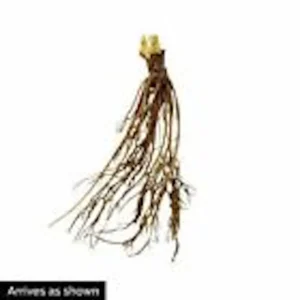
Bring home a red currant bush live plant, a fast-growing and cold-hardy fruit producer. This well-rooted bush grows 6-14 inches tall, ready to bear delicious red currant berries within its first year. Ideal for USDA zones 3-7, it thrives in full sun, perfect for backyard orchards or edible landscapes.
From Original price was: $51.98.$25.99Current price is: $25.99.

With our Alive & Thrive Guarantee, we’ve got your back for the first 30 days! If you have any concerns about your plants, just reach out to us. Our team is here to help answer your questions and guide you in selecting the best plants for your garden, climate, and unique preferences. We're excited to help you create the garden of your dreams!
Estimated arrival
Apr 09
Apr 14 - Apr 16
Apr 19 - Apr 23
Product Details
-
USDA Hardiness Zone
USDA zones 3-7 -
Soil type
Well-draining, slightly acidic to neutral soil -
Sunlight Exposure
Full Sun -
Expected Planting Period
Winter (dormant period for planting) / Year-round (established)
Overview
Cultivate your own bountiful harvest with this vibrant red currant bush live plant. Known for its quick growth and generous yields, this fruit bush is an excellent addition to any home garden or orchard. The plant arrives well-rooted, typically standing 6-14 inches tall, and is eager to establish itself in your landscape. Red currants (Ribes rubrum) are celebrated for their tart, juicy berries, which are not only delicious fresh but also perfect for making jams, jellies, pies, and other baked goods. This particular variety is selected for its robust nature and ability to produce fruit quickly, often within the first year of planting. Enjoy the beauty of its foliage and the rewarding experience of harvesting your own sweet and tangy red currant berries right from your backyard.
This hardy fruit bush is designed to thrive in a range of climates, making it a reliable choice for many gardeners. Its compact size makes it suitable for various garden layouts, from dedicated fruit patches to mixed edible landscapes. Prepare to enjoy fresh, organic fruit with minimal effort thanks to the inherent vigor of this red currant bush live plant.
Key Benefits
Adding a red currant bush to your garden offers numerous advantages, from fresh fruit to enhancing your outdoor space.
- Fast Fruit Production: This red currant bush live plant is known for its rapid maturity, often producing ripe, delicious berries within the first year of planting, allowing you to enjoy your harvest sooner.
- Abundant Yields: Once established, these bushes are highly productive, providing a generous supply of red currant berries that can be used for fresh eating, baking, or preserving.
- Cold Hardy Nature: Thriving in colder climates (USDA zones 3-7), this bush is an excellent choice for gardeners in regions with significant winter chill, ensuring robust growth and fruit set.
- Versatile Culinary Uses: The tangy and sweet flavor of red currants makes them incredibly versatile in the kitchen, perfect for jams, jellies, sauces, pies, tarts, and refreshing drinks.
- Attractive Garden Addition: Beyond its fruit, the bush offers ornamental value with its lush green foliage and clusters of bright red berries, adding visual interest to your garden throughout the season.
- Well-Rooted for Easy Establishment: Each plant is shipped well-rooted, promoting quicker establishment and a healthier start in your garden.
- Supports Local Ecosystems: Growing fruit bushes contributes to local biodiversity, attracting pollinators and providing a food source for birds, while you also enjoy fresh, homegrown fruit.
Plant Care & Growing Tips
Caring for your red currant bush live plant is straightforward, ensuring a healthy and productive shrub for years to come. Red currants prefer a location with full sun exposure, meaning at least 6-8 hours of direct sunlight daily. While they can tolerate partial shade, full sun promotes the best fruit production and overall plant health. Ensure the planting site has well-drained soil; currants do not like soggy roots. A slightly acidic to neutral soil (pH 6.0-7.0) is ideal. Amending heavy clay soils with organic matter like compost can improve drainage and fertility.
Moderate watering is essential, especially during dry spells and when the fruit is developing. Keep the soil consistently moist but never waterlogged. Young plants will require more consistent watering to help establish their root systems. This bush is cold hardy, thriving in USDA zones 3-7, and will enter a dormant stage in winter, which is completely normal. Fertilize in early spring with a balanced slow-release fertilizer or compost to support vigorous growth and fruit development. Pruning is crucial for maintaining bush health and maximizing yield. Annually remove any dead, diseased, or crossing branches, and thin out older, less productive stems to encourage new growth. For a thriving currant plant care routine, regular observation for pests and diseases is also recommended.
Size & Details
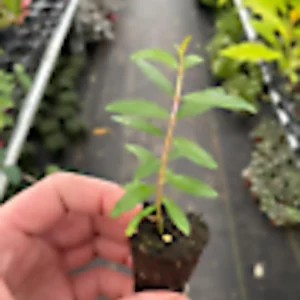
This offering is for one red currant bush live plant, typically ranging from 6 to 14 inches in height upon arrival. Each plant is well-rooted, ensuring it’s ready for immediate planting and robust growth. These bushes are fast-growing and are expected to begin bearing fruit within the first year of planting, providing a quick return on your gardening efforts. The mature size of a red currant bush can vary but generally reaches 3-5 feet in height and spread, forming a compact, rounded shrub. They are shipped in a dormant state during colder months, which is optimal for transplanting and reduces transplant shock. The plant’s dimensions allow for easy handling and planting, whether you’re starting a new bed or adding to an existing landscape. Expect a healthy, vigorous plant that will quickly settle into its new home and begin its journey to producing delicious red currant berries.
Frequently Asked Questions
- Q: What size is the red currant bush upon arrival? A: The red currant bush live plant typically arrives well-rooted and stands between 6 to 14 inches tall, ready for planting. Its height can vary slightly based on the growth stage and time of year.
- Q: Is this an indoor or outdoor plant? A: This is an outdoor fruit bush, best suited for garden planting. It requires full sun and thrives in the varied conditions of outdoor environments, especially in USDA zones 3-7.
- Q: How much sunlight does a red currant bush need? A: For optimal growth and fruit production, your red currant bush live plant needs full sun exposure, which means at least 6-8 hours of direct sunlight per day.
- Q: Is this plant easy to care for? A: Yes, red currant bushes are considered relatively easy to care for, making them suitable for both experienced and novice gardeners. Basic currant plant care involves proper watering, sunlight, and occasional pruning.
- Q: When is the best time to plant a red currant bush? A: The best time to plant is typically in early spring or fall when the plant is dormant or semi-dormant. This allows the roots to establish before extreme weather conditions.
- Q: How long until it blooms and produces fruit? A: This fast-growing variety is known to produce fruit quickly, often within the first year of planting, with a more substantial harvest in subsequent years.
- Q: Will it survive winter in my zone? A: This is a cold-hardy fruit bush, thriving in USDA zones 3-7. It is designed to withstand cold winters and will enter dormancy during these months, resuming growth in spring.
- Q: What condition will the plant arrive in? A: The plant will arrive well-rooted and carefully packaged to ensure its health during transit. If shipped during winter, it will be in a dormant state, which is normal for fruit bushes.
- Q: What kind of soil does a red currant bush prefer? A: Red currants prefer well-draining soil with a slightly acidic to neutral pH (6.0-7.0). Good drainage is crucial to prevent root rot.
- Q: Can I use the red currant berries for cooking? A: Absolutely! Red currant berries are excellent for culinary uses, including making jams, jellies, pies, tarts, sauces, and are also delicious eaten fresh.
| Color | Blue, Random, Red |
|---|
Related products
-10%
Original price was: $48.99.$44.09Current price is: $44.09.
-20%
Original price was: $34.00.$27.20Current price is: $27.20.
-10%
Original price was: $158.00.$142.20Current price is: $142.20.
-10%
Original price was: $89.99.$80.99Current price is: $80.99.
-20%
Original price was: $36.00.$28.80Current price is: $28.80.
-20%
Original price was: $34.00.$27.20Current price is: $27.20.
PLANTING & CARE

Growing Glencoe Raspberry: A Complete Guide for Gardeners
If you’re looking to add something unique to your garden, look no further than the
31
Mar
Mar

The Comprehensive Guide to Growing Bay Leaf Plants for a Flavorful Garden
Imagine stepping into your garden, greeted by the earthy aroma of fresh bay leaves, their
09
Feb
Feb

How to Make Comfrey Tea: The Ultimate Organic Plant Food
Growing an organic garden can be surprisingly expensive, especially when most store-bought fertilizers come in
02
Feb
Feb

True Comfrey: 7 Essential Tips Before You Plant This Herb
A staple in permaculture practices across the US, True Comfrey easily earns its reputation as
27
Jan
Jan

7 Heart-Shaped Plants for a Lasting Valentine’s Gift
If you’ve ever bought a bouquet of roses for Valentine’s Day, you know they are
26
Jan
Jan

Best Types of Ivy Plant for Houses: How to Choose the Perfect Ones for Your Home
Are you a garden lover looking to introduce some greenery into your home? Maybe you’ve
14
Nov
Nov

When to Harvest Garlic (Especially Fall-Planted Garlic)
TIMING IS EVERYTHING, they say – and for garlic, that truth hits with surprising accuracy.
13
Nov
Nov

11 of the Best Sweet Potato Varieties to Grow for Your Garden
If you’ve ever tried growing sweet potatoes, you know that picking the right variety can
12
Nov
Nov