Red Dragon Fruit Live Plant – Sweet Pitaya Fruit, 6-12 inches tall
-50%

Red Dragon Fruit Live Plant – Sweet Pitaya Fruit, 6-12 inches tall
Bring the tropics to your home with a vibrant red dragon fruit plant. This easy-to-grow cactus produces stunning flowers and delicious red pitaya fruit, perfect for fresh eating or smoothies. Ideal for sunny patios or indoor cultivation in colder climates.
From Original price was: $8.00.$4.00Current price is: $4.00.

With our Alive & Thrive Guarantee, we’ve got your back for the first 30 days! If you have any concerns about your plants, just reach out to us. Our team is here to help answer your questions and guide you in selecting the best plants for your garden, climate, and unique preferences. We're excited to help you create the garden of your dreams!
Estimated arrival
Jan 31
Feb 05 - Feb 07
Feb 10 - Feb 14
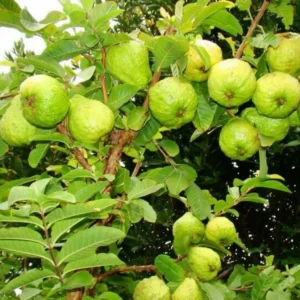
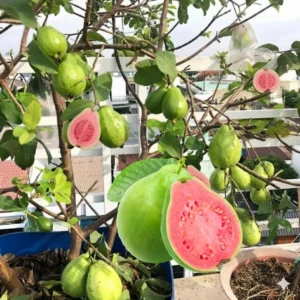

Product Details
-
USDA Hardiness Zone
USDA zones 9-11 (outdoors); container plant for colder zones -
Soil type
Well-draining, slightly acidic to neutral potting mix -
Sunlight Exposure
Full sun (at least 6 hours daily) -
Expected Planting Period
Year-round indoors; spring to summer outdoors
Overview
Embark on an exciting horticultural journey by growing your very own red dragon fruit plant. Also known as Pitaya, this exotic fruit-bearing cactus (Hylocereus costaricensis or Hylocereus polyrhizus) is renowned for its striking appearance and delicious, sweet fruit. Originating from Central and South America, the red dragon fruit plant is a vining cactus that can be grown in warm climates outdoors or as a container plant indoors, making it accessible to a wide range of gardeners. Its unique, often neon-pink skin and speckled white or red flesh make it a showstopper both visually and gastronomically. Beyond its aesthetic appeal, growing your own dragon fruit offers the satisfaction of harvesting fresh, healthy produce right from your garden or patio.
The red dragon fruit plant is relatively low-maintenance once established, adapting well to various growing conditions as long as its basic needs for sun and drainage are met. It’s a fantastic choice for those looking to add a touch of the tropics and an abundance of nutrient-rich fruit to their lifestyle. Whether you’re an experienced gardener or a curious beginner, cultivating a dragon fruit live plant is a rewarding experience that yields both beauty and bounty.
Key Benefits
Growing a red dragon fruit plant offers a multitude of benefits, from its stunning visual appeal to the healthy, delicious fruit it produces. This unique plant is more than just a novelty; it’s a valuable addition to any home garden or plant collection.
- Exotic Fruit Production: Enjoy the unparalleled taste of fresh, sweet red pitaya fruit directly from your own plant. Homegrown dragon fruit often tastes superior to store-bought varieties, offering a richer flavor and perfect ripeness.
- Stunning Ornamental Value: The vining cactus structure and large, nocturnal, fragrant white flowers (often called ‘moonflowers’) provide incredible aesthetic appeal. These blooms are a spectacle in themselves, making the plant a captivating focal point.
- Nutrient-Rich Harvest: Dragon fruit is packed with vitamins, minerals, and antioxidants, contributing to a healthy diet. It’s a great source of fiber and vitamin C, making it a superfood you can grow at home.
- Adaptable Growth: While preferring warm climates, this dragon fruit live plant can thrive in containers, allowing it to be moved indoors during colder months. This adaptability means gardeners in diverse regions can successfully cultivate it.
- Relatively Low Maintenance: Once established, dragon fruit plants are quite resilient and drought-tolerant. They require minimal fuss compared to many other fruit-bearing plants, making them suitable for busy gardeners.
- Supports Pollinators: The large, fragrant flowers attract nocturnal pollinators like moths and bats, contributing to local biodiversity, especially if grown outdoors.
- Unique Culinary Ingredient: The vibrant flesh of the red pitaya fruit is perfect for smoothies, fruit salads, desserts, or simply enjoyed fresh. Its mild, sweet flavor and unique texture add an exotic touch to any dish.
Plant Care & Growing Tips
To ensure your red dragon fruit plant thrives and produces abundant fruit, understanding its specific care requirements is key. As a tropical cactus, it has distinct needs for sunlight, water, and soil. Providing the right environment will lead to robust growth and delicious harvests.
Sunlight Requirements: Dragon fruit plants need plenty of sun. Ideally, they should receive at least 6 hours of full sun per day. In very hot climates, a little afternoon shade can prevent scorching, but generally, more sun equals more fruit. If growing indoors, place your dragon fruit live plant in your brightest south-facing window or use a grow light to supplement. Insufficient light will result in leggy growth and poor fruiting.
Watering Schedule & Soil Moisture: While a cactus, dragon fruit is not as drought-tolerant as desert cacti. It prefers consistently moist, but not waterlogged, soil. Water deeply when the top 1-2 inches of soil feel dry to the touch. Reduce watering during cooler, dormant months. Good drainage is crucial to prevent root rot. Overwatering is a common mistake, so always check soil moisture before watering again.
Soil Type & Drainage: The ideal soil for red dragon fruit plant is well-draining, slightly acidic to neutral (pH 6-7), and rich in organic matter. A good mix would be a succulent or cactus potting mix amended with compost. For container growing, ensure the pot has ample drainage holes. Excellent drainage is paramount to prevent waterlogging, which can quickly lead to fungal issues and root damage.
Temperature Range & USDA Hardiness Zone: Dragon fruit thrives in warm, humid conditions. It prefers temperatures between 65°F and 85°F (18°C-30°C). It is generally suitable for USDA zones 9-11 outdoors. In colder zones, it must be grown in containers and brought indoors when temperatures drop below 40°F (4°C). Protect from frost, as it can severely damage or kill the plant.
Fertilization: Fertilize your red dragon fruit plant during its active growing season (spring and summer) with a balanced, slow-release fertilizer or a liquid fertilizer high in phosphorus and potassium to encourage flowering and fruiting. Fertilize every 2-3 months or as per product instructions. Avoid over-fertilizing, especially with high nitrogen, which can promote foliage growth at the expense of fruit.
Common Problems & Solutions: Watch out for common pests like aphids, mealybugs, and scale, which can be treated with insecticidal soap. Fungal issues, often caused by overwatering or poor air circulation, can be managed by improving drainage and reducing humidity. Yellowing stems can indicate overwatering or nutrient deficiencies. Pruning is also important to maintain plant shape and encourage fruit production, as fruit often forms on older stems.
Size & Details
This offering is for a healthy red dragon fruit plant, typically shipped as a well-rooted cutting or young plant, ranging from 6 to 12 inches tall. The plant will arrive ready for transplanting into a larger pot or directly into your garden, depending on your climate. Dragon fruit is a fast-growing vining cactus that requires a sturdy support structure, such as a trellis or post, to climb as it matures. With proper care, it can reach impressive lengths of 10-20 feet. It begins to produce fruit typically within 1-3 years from planting, with flowering occurring in late spring to fall, followed by fruit development. The fruit usually ripens 30-50 days after flowering. Each dragon fruit live plant is carefully selected to ensure vigorous growth and strong potential for fruit production.
Frequently Asked Questions
- Q: How big does this plant get? A: A red dragon fruit plant can become quite large, with vines reaching 10 to 20 feet in length. It requires a strong support structure to climb and spread, such as a sturdy trellis, pole, or arbor.
- Q: Is this an indoor or outdoor plant? A: This plant can be grown both indoors and outdoors. It thrives outdoors in USDA zones 9-11. In colder climates, it’s best grown in a container and brought indoors during winter months to protect it from frost.
- Q: How much sunlight does it need? A: Your red dragon fruit plant needs at least 6 hours of full sun daily for optimal growth and fruit production. If growing indoors, place it in the sunniest window available, ideally south-facing.
- Q: Is this plant easy to care for? A: Yes, once established, dragon fruit plants are relatively low-maintenance. They are drought-tolerant and resilient, making them a good choice for both experienced and novice gardeners looking to grow red dragon fruit.
- Q: What condition will it arrive in? A: Your dragon fruit live plant will arrive as a healthy, well-rooted cutting or young plant, carefully packaged to ensure its safety during transit. It will be ready for immediate planting upon arrival.
- Q: Can I use red pitaya fruit in cooking? A: Absolutely! The sweet and vibrant red pitaya fruit is delicious fresh, in smoothies, fruit salads, salsas, and even as a garnish for cocktails. Its unique flavor and texture make it a versatile culinary ingredient.
- Q: How long until it blooms and fruits? A: A young red dragon fruit plant typically starts flowering and fruiting within 1 to 3 years after planting, given optimal growing conditions. Flowering usually occurs from late spring through fall, with fruit ripening a month or two later.
- Q: What’s the best way to support the climbing vines? A: Dragon fruit is a vining cactus and requires a robust support system. A sturdy wooden post (4×4 or larger) with a cross-arm or a heavy-duty trellis is ideal to help the plant climb and then cascade, encouraging flowering and fruiting.
- Q: What type of soil is best for grow red dragon fruit? A: Use a well-draining soil mix; a cactus or succulent mix amended with compost works well. Good drainage is crucial to prevent root rot.
- Q: Is the red dragon fruit plant self-pollinating? A: Many red varieties of dragon fruit are self-pollinating, but cross-pollination with another variety can often lead to better fruit set and larger fruits. Hand-pollination of the nocturnal flowers can also increase success.
| Seeds | 1000+, 14,000+, 25,000+, 3500+, 7000+ |
|---|
Related products
-20%
Original price was: $56.00.$44.80Current price is: $44.80.
-10%
Original price was: $89.99.$80.99Current price is: $80.99.
-10%
Original price was: $28.99.$26.09Current price is: $26.09.
-50%
Original price was: $39.98.$19.99Current price is: $19.99.
-20%
Original price was: $50.00.$40.00Current price is: $40.00.
-49%
Original price was: $59.38.$29.99Current price is: $29.99.
-20%
Original price was: $60.00.$48.00Current price is: $48.00.
PLANTING & CARE

True Comfrey: 7 Essential Tips Before You Plant This Herb
A staple in permaculture practices across the US, True Comfrey easily earns its reputation as
27
Jan
Jan

7 Heart-Shaped Plants for a Lasting Valentine’s Gift
If you’ve ever bought a bouquet of roses for Valentine’s Day, you know they are
26
Jan
Jan

Best Types of Ivy Plant for Houses: How to Choose the Perfect Ones for Your Home
Are you a garden lover looking to introduce some greenery into your home? Maybe you’ve
14
Nov
Nov

When to Harvest Garlic (Especially Fall-Planted Garlic)
TIMING IS EVERYTHING, they say – and for garlic, that truth hits with surprising accuracy.
13
Nov
Nov

11 of the Best Sweet Potato Varieties to Grow for Your Garden
If you’ve ever tried growing sweet potatoes, you know that picking the right variety can
12
Nov
Nov

The Comprehensive Guide to Growing Bay Leaf Plants for a Flavorful Garden
Imagine stepping into your garden, greeted by the earthy aroma of fresh bay leaves, their
10
Nov
Nov

Pruning Bougainvillea for Winter
Bougainvillea vines are known for their dazzling display of magenta, orange, and fuchsia bracts that
05
Nov
Nov
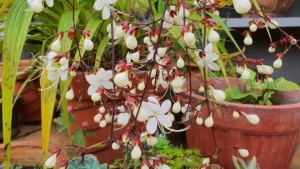
The Comprehensive Guide to Growing Clerodendrum Wallichii for a Stunning Garden
Imagine walking into a garden where delicate white flowers hang from graceful branches, their petals
03
Nov
Nov