Red Easter Cactus Live Plant – Rhipsalidopsis Gaertneri – 5-7″ Tall – Indoor Succulent
-40%
Red Easter Cactus Live Plant – Rhipsalidopsis Gaertneri – 5-7″ Tall – Indoor Succulent
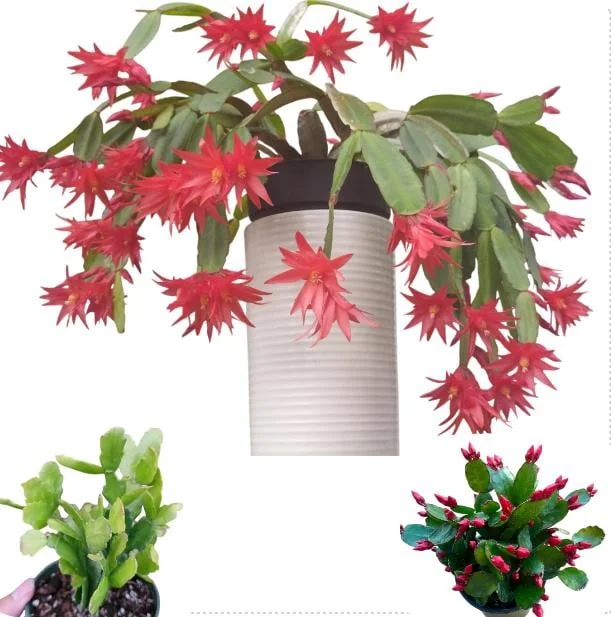
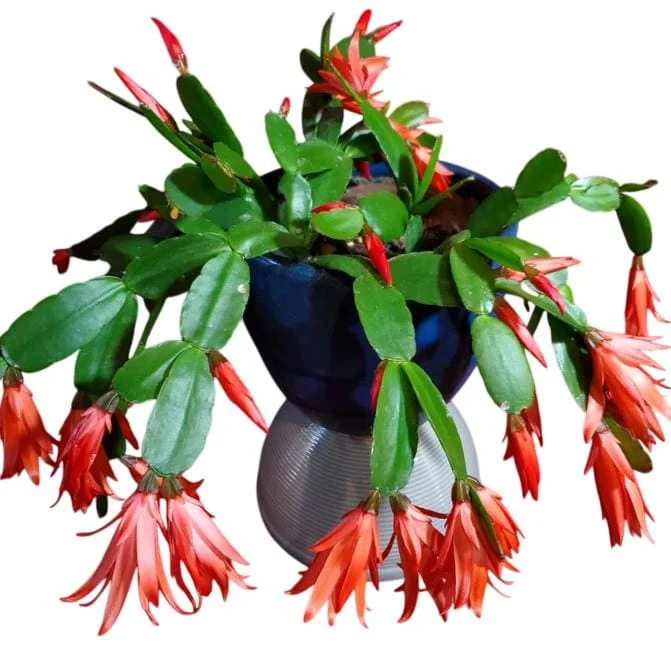
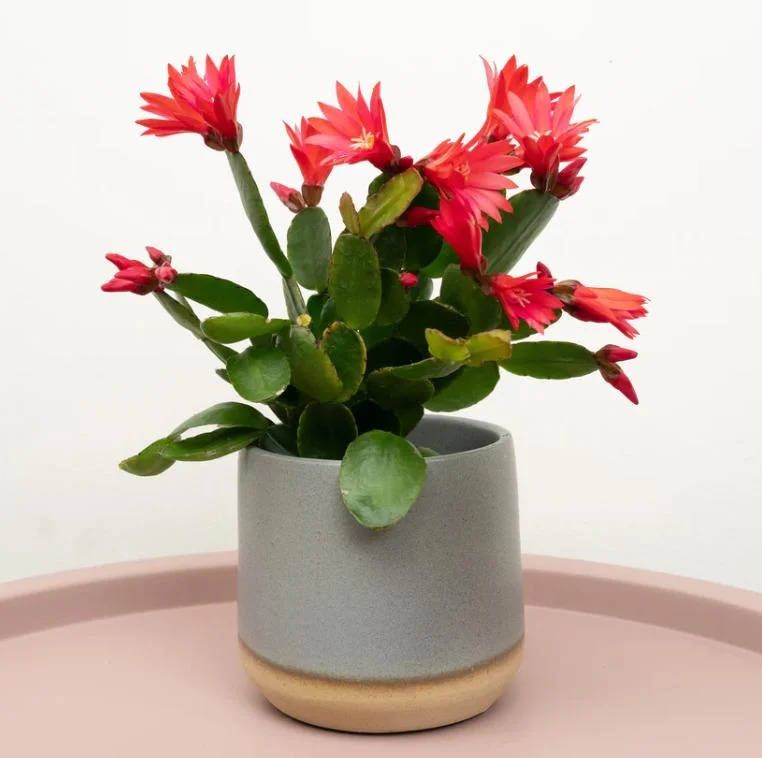
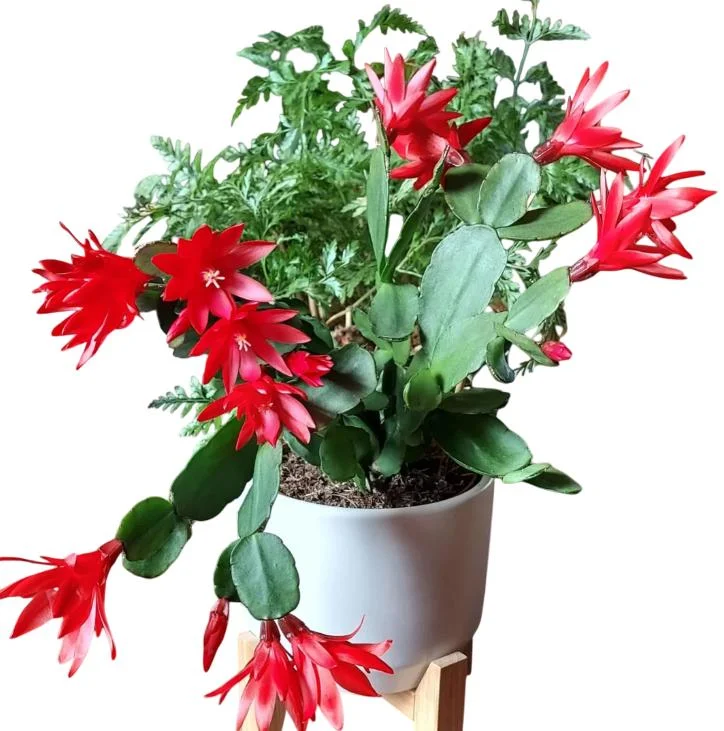
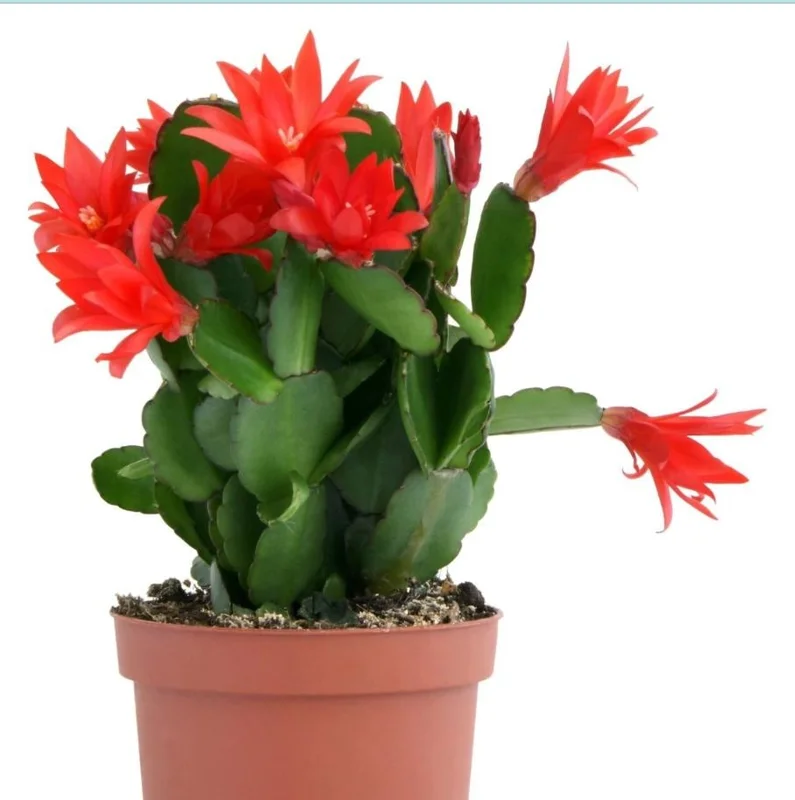
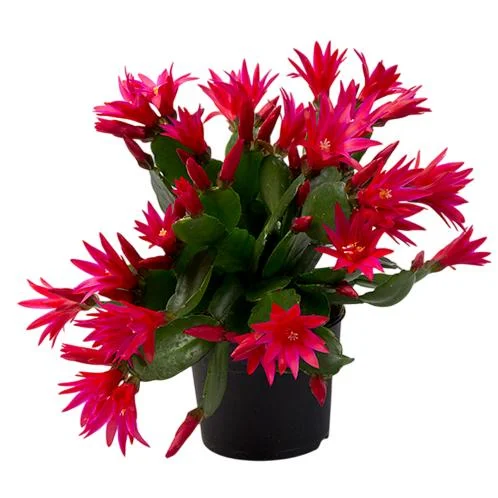
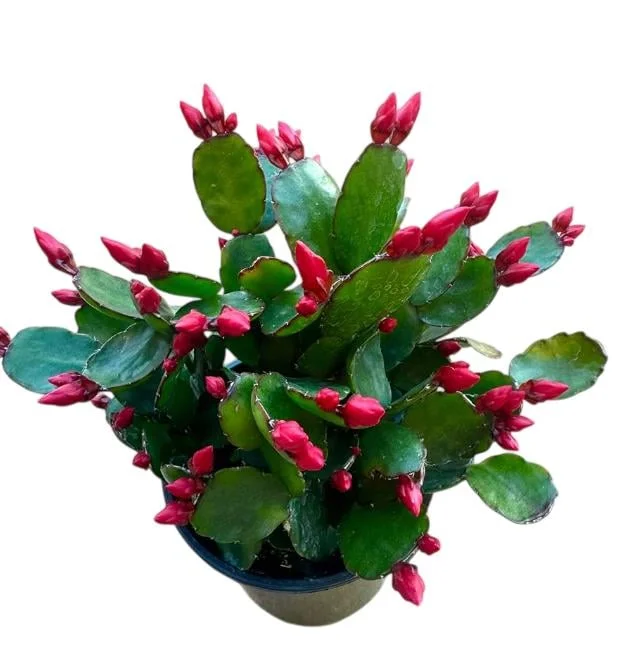
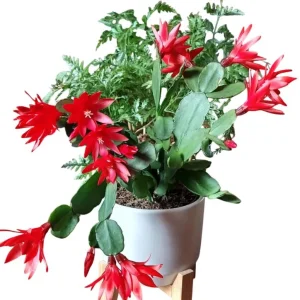
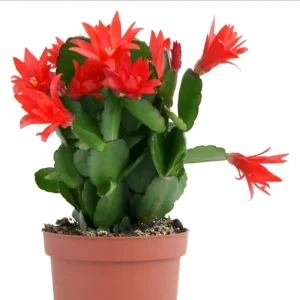
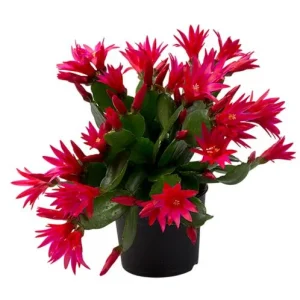
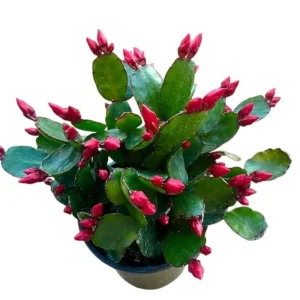
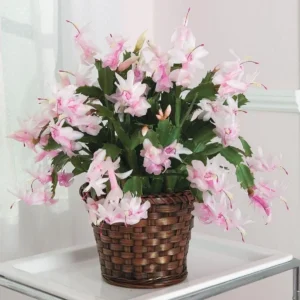
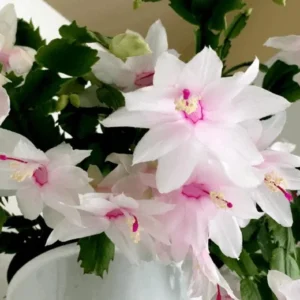
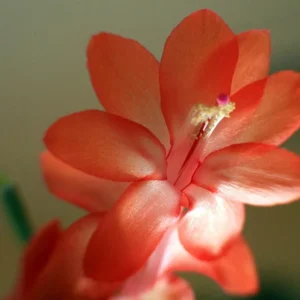
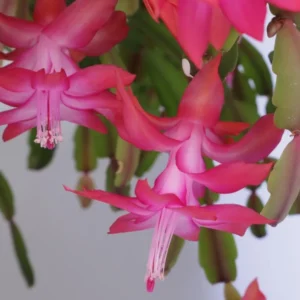
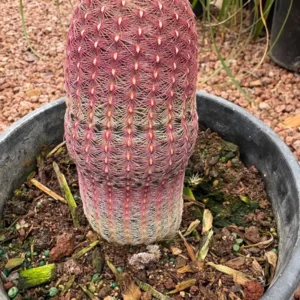
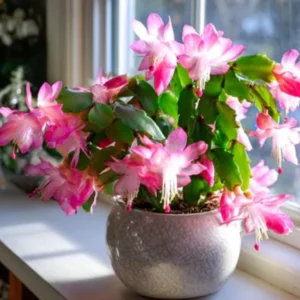
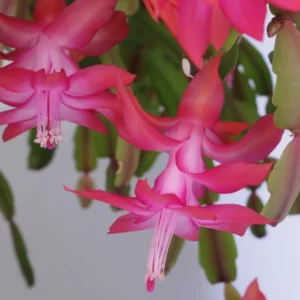
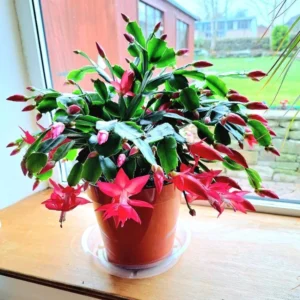
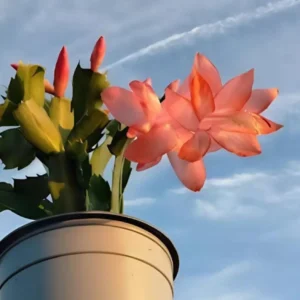
Introduce a splash of vibrant color with this red Easter cactus live plant (Rhipsalidopsis gaertneri). This 5-7 inch tall holiday cactus succulent is well-rooted, easy to care for, and perfect for indoor displays, offering spectacular spring bloom cactus flowers.
Original price was: $49.99.$29.99Current price is: $29.99.

With our Alive & Thrive Guarantee, we’ve got your back for the first 30 days! If you have any concerns about your plants, just reach out to us. Our team is here to help answer your questions and guide you in selecting the best plants for your garden, climate, and unique preferences. We're excited to help you create the garden of your dreams!
Estimated arrival
Apr 09
Apr 14 - Apr 16
Apr 19 - Apr 23
Product Details
-
USDA Hardiness Zone
Indoor plant (not frost-hardy) -
Soil type
Well-draining potting mix for cacti/succulents -
Sunlight Exposure
Bright, indirect light -
Expected Planting Period
Year-round indoors
Overview
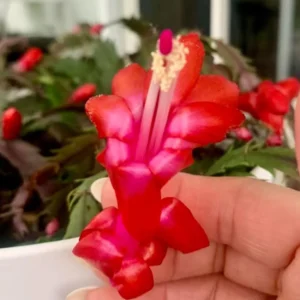
Introduce a splash of vibrant color and unique charm to your indoor garden with the red Easter cactus live plant (Rhipsalidopsis gaertneri). Often known as the holiday cactus, this stunning epiphytic succulent is celebrated for its prolific, star-shaped flowers that typically burst into bloom in the spring, coinciding with the Easter season. Unlike desert cacti, the Easter cactus hails from the rainforests of Brazil, thriving in dappled light and high humidity. Its segmented stems create an appealing cascading effect, making it a perfect choice for hanging baskets or elevated displays where its beautiful red flowers can be admired. This particular offering provides a well-rooted starter plant, ready to grow and flourish in your home, promising years of seasonal beauty and a touch of tropical elegance. The red Easter cactus live plant is a wonderful choice for both seasoned plant enthusiasts and beginners alike, offering relatively easy care for such a spectacular display.
The Rhipsalidopsis gaertneri, also known by its synonyms Schlumbergera gaertneri and Hatiora gaertneri, belongs to the tribe Rhipsalideae. This tropical cactus is distinct from its desert counterparts, preferring a more humid environment and indirect light. Its common name, Easter cactus, aptly describes its blooming period, which brings a welcome burst of color after the winter months. The vibrant red flowers are a true spectacle, transforming the plant into a living centerpiece. This holiday cactus succulent is a conversation starter and a joyful reminder of spring’s arrival.
Key Benefits
Bringing a red Easter cactus live plant into your home offers numerous advantages beyond its undeniable beauty:
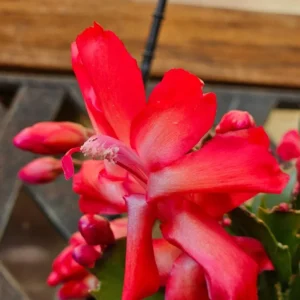
- Stunning Seasonal Blooms: The primary appeal of this plant is its spectacular display of star-shaped red flowers that typically appear around Easter. These vibrant blooms provide a unique and cheerful decorative element, brightening any indoor space during the spring. The prolific flowering habit ensures a truly breathtaking show, making your red Easter cactus live plant a focal point.
- Easy to Care For: Despite its exotic appearance, the Easter cactus is surprisingly low-maintenance. It thrives with basic care routines, making it suitable for both experienced gardeners and those new to houseplants. Following simple guidelines for light, water, and humidity will ensure its longevity and abundant blooms.
- Unique Epiphytic Growth: As an epiphytic cactus, it naturally grows on other plants in its native habitat, giving it a distinctive growth habit. This allows it to be displayed in various creative ways, such as in hanging baskets where its stems can gracefully trail. This characteristic contributes to excellent epiphytic cactus growing tips.
- Long-Lived Houseplant: With proper care, a red Easter cactus live plant can live for many years, becoming a cherished part of your home decor. Its resilience and ability to re-bloom annually make it a rewarding plant to cultivate.
- Air Purifying Qualities: Like many houseplants, the Easter cactus contributes to a healthier indoor environment by helping to filter airborne toxins and improve air quality, creating a fresher living space.
- Compact and Versatile: Its moderate size and trailing habit make it adaptable to various spaces, from windowsills to shelves or hanging planters. It doesn’t require extensive space, making it ideal for smaller homes or apartments.
- Conversation Starter: The beautiful and unique appearance of the holiday cactus succulent, especially when in bloom, is sure to draw attention and admiration from guests, sparking interesting conversations about its origins and care.
Plant Care & Growing Tips
Caring for your red Easter cactus live plant is straightforward, especially when you understand its tropical origins. Unlike desert cacti, it prefers more humidity and less direct sun. Place your Easter cactus in a spot with dappled sunlight or bright, indirect light; an east-facing window is often ideal. Avoid harsh, direct afternoon sun, which can scorch its delicate segments. During its active growing and blooming phases (spring and summer), it appreciates more light, but always filtered. In its dormant period (late fall to early winter), slightly reduced light can encourage bud formation.
For watering, the key is balance. Allow the top inch or two of soil to dry out fully between waterings, then water thoroughly until water drains from the bottom of the pot. Never let the plant sit in standing water, as this can lead to root rot. Well-draining soil is crucial; use a potting mix formulated for cacti and succulents, or create your own by mixing regular potting soil with perlite or orchid bark to enhance drainage. This tropical succulent thrives in humidity, so consider misting regularly, especially during dry indoor conditions, or placing the pot on a pebble tray with water. This helps mimic its native rainforest environment, which is vital for robust growth and vibrant spring bloom cactus production. Mastering Rhipsalidopsis Gaertneri care is simple with these guidelines.
Fertilize your Easter cactus regularly during its active growing season (spring through summer) with a balanced liquid fertilizer diluted to half strength. Reduce or cease fertilization during its dormant period. Ideal temperatures range from 65-80°F (18-27°C) during the day and slightly cooler at night. To encourage prolific blooming, a cool period (around 50-55°F or 10-13°C) and reduced watering for 6-8 weeks in late fall/early winter can be beneficial. Watch out for common pests like mealybugs or spider mites; treat with insecticidal soap if spotted. Understanding these specific needs will help you master Rhipsalidopsis Gaertneri care and enjoy a healthy, blooming plant for years.
Size & Details
Each order includes one well-rooted red Easter cactus live plant, typically measuring 5-7 inches tall from the base of the plant to the tip of its tallest segment. These are starter plants, shipped without a pot to ensure safe transit and reduce shipping costs. Upon arrival, you will need to plant it in a suitable container with well-draining soil. The plant’s growth rate is moderate, and with proper care, it will gradually expand its segmented stems, eventually developing a beautiful trailing or bushy form. Expect your plant to produce its characteristic star-shaped blooms in the spring, usually around the Easter holiday, once it has established itself in its new environment. While the initial size is compact, these plants have the potential to grow into impressive specimens over time, offering a continuous display of vibrant red flowers. The mature size can vary depending on growing conditions and pot size, but they generally remain manageable as houseplants. These epiphytic cactus growing tips ensure a rewarding experience.
This epiphytic cactus growing tips section emphasizes that while it arrives as a starter plant, its potential for growth and bloom is significant. It’s a fantastic opportunity to cultivate a beautiful and unique succulent from a young age, observing its development and enjoying its seasonal transformation. The 5-7 inch height refers to the plant structure itself, providing a healthy foundation for robust future growth and abundant flowering.
Frequently Asked Questions
- Q: How big does this red Easter cactus live plant get? A: This starter plant is 5-7 inches tall upon arrival. With proper care, it can grow into a larger, trailing plant, often reaching lengths of 12-18 inches or more, creating a beautiful cascading effect. Its size can be managed with occasional pruning.
- Q: Is this an indoor or outdoor plant? A: The Easter cactus is primarily grown as an indoor houseplant in most climates. It can be moved outdoors to a shaded or partly shaded location during warm summer months, but it must be brought inside before temperatures drop below 50°F (10°C).
- Q: How much sunlight does it need? A: This plant thrives in bright, indirect light or dappled sunlight. Avoid direct, harsh afternoon sun, which can burn its foliage. An east-facing window is often ideal, providing gentle morning sun for your holiday cactus succulent.
- Q: Is this plant easy to care for? Is it good for beginners? A: Yes, the Easter cactus is considered relatively easy to care for and is a good choice for beginners. Its needs for watering and light are straightforward, and it’s quite forgiving if its basic requirements are met. Mastering Rhipsalidopsis Gaertneri care is achievable for all skill levels.
- Q: What condition will it arrive in? Is it shipped in soil? A: Your red Easter cactus live plant will arrive as a well-rooted starter plant, typically shipped bare-root (without a pot or soil) to ensure its health and minimize shipping stress. You will need to pot it in fresh, well-draining soil upon arrival.
- Q: How long until it blooms? When is the best time to plant? A: These starter plants are well-rooted and, with proper care, should be ready to bloom in the spring, typically around the Easter holiday. The best time to plant is upon arrival, allowing it to establish itself before its blooming season for a beautiful spring bloom cactus display.
- Q: What is the optimal soil type for this holiday cactus succulent? A: The Easter cactus prefers well-draining, slightly acidic soil. A good quality potting mix designed for cacti and succulents, or a mix of regular potting soil with perlite or orchid bark for added drainage, works well.
- Q: Will it survive winter in my zone? What’s the minimum temperature? A: As a tropical plant, it is not frost-hardy. It requires indoor protection in most regions. The minimum temperature it can tolerate is around 50°F (10°C). Ideally, keep it in temperatures above 60°F (15°C) for optimal health, though a cool period can encourage blooming.
- Q: How do I encourage a good spring bloom cactus display? A: To encourage abundant blooms, provide a cool, dry rest period in late fall/early winter (around 50-55°F or 10-13°C) for 6-8 weeks, with reduced watering and light. Resume normal watering and light conditions after this period, and fertilize in early spring.
- Q: What are some general epiphytic cactus growing tips? A: Focus on indirect light, consistent humidity (misting or pebble tray), well-draining soil, and allowing the soil to dry slightly between waterings. Protect from extreme temperatures and provide a cool rest period for best flowering.
Related products
-30%
Original price was: $79.98.$55.98Current price is: $55.98.
-30%
Original price was: $49.98.$34.98Current price is: $34.98.
-30%
Original price was: $129.98.$90.98Current price is: $90.98.
-97%
Original price was: $316.80.$9.92Current price is: $9.92.
-30%
Original price was: $79.98.$55.98Current price is: $55.98.
-30%
Original price was: $79.98.$55.98Current price is: $55.98.
PLANTING & CARE
Growing Glencoe Raspberry: A Complete Guide for Gardeners
If you’re looking to add something unique to your garden, look no further than the
31
Mar
Mar

The Comprehensive Guide to Growing Bay Leaf Plants for a Flavorful Garden
Imagine stepping into your garden, greeted by the earthy aroma of fresh bay leaves, their
09
Feb
Feb

How to Make Comfrey Tea: The Ultimate Organic Plant Food
Growing an organic garden can be surprisingly expensive, especially when most store-bought fertilizers come in
02
Feb
Feb

True Comfrey: 7 Essential Tips Before You Plant This Herb
A staple in permaculture practices across the US, True Comfrey easily earns its reputation as
27
Jan
Jan

7 Heart-Shaped Plants for a Lasting Valentine’s Gift
If you’ve ever bought a bouquet of roses for Valentine’s Day, you know they are
26
Jan
Jan

Best Types of Ivy Plant for Houses: How to Choose the Perfect Ones for Your Home
Are you a garden lover looking to introduce some greenery into your home? Maybe you’ve
14
Nov
Nov

When to Harvest Garlic (Especially Fall-Planted Garlic)
TIMING IS EVERYTHING, they say – and for garlic, that truth hits with surprising accuracy.
13
Nov
Nov

11 of the Best Sweet Potato Varieties to Grow for Your Garden
If you’ve ever tried growing sweet potatoes, you know that picking the right variety can
12
Nov
Nov