Red Lingonberry Live Plant – Starter Bush – 4 to 6 Inch Tall – Outdoor
-50%
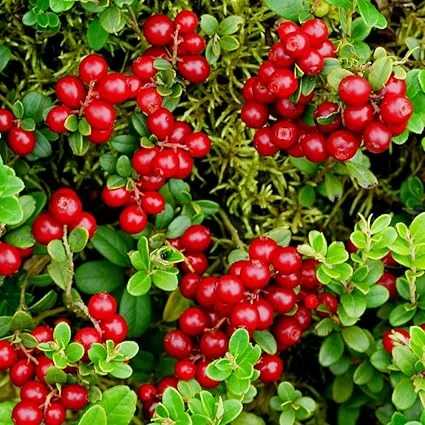
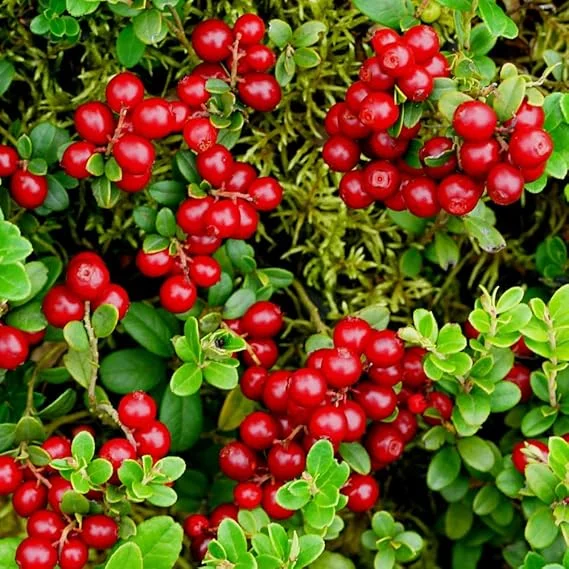
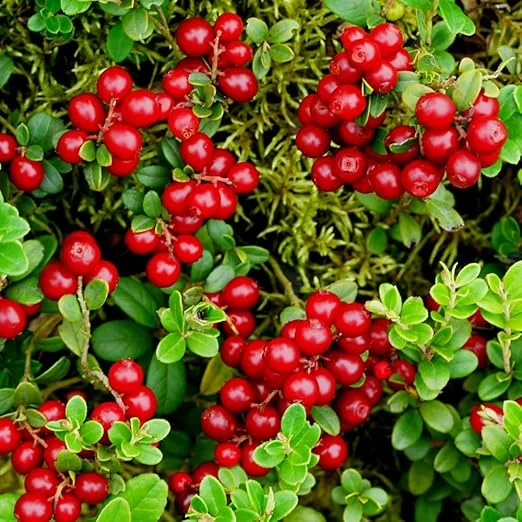
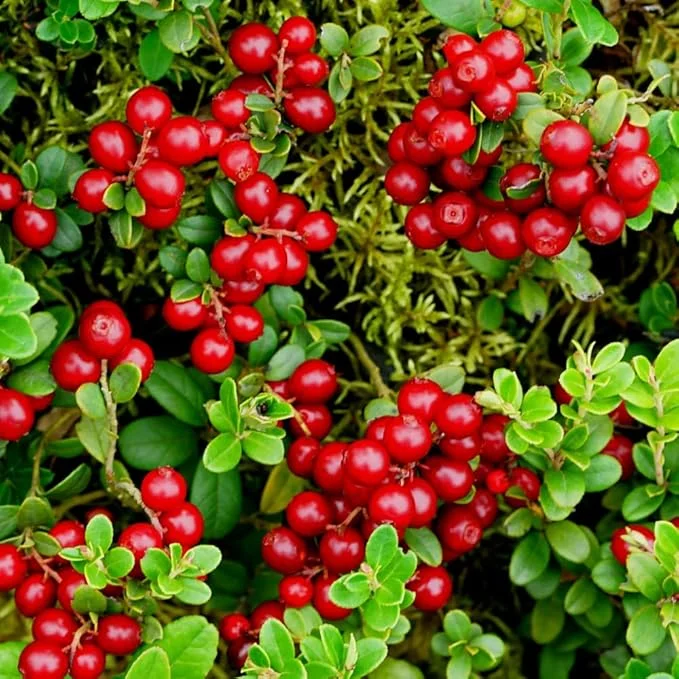
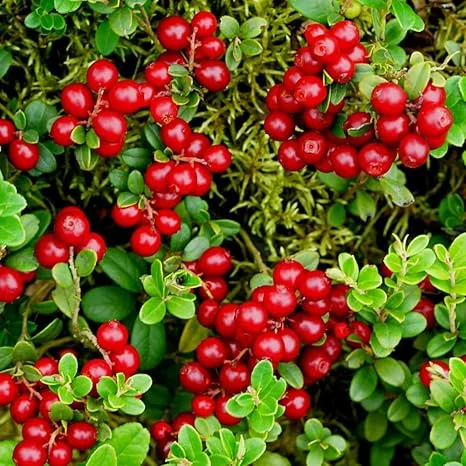
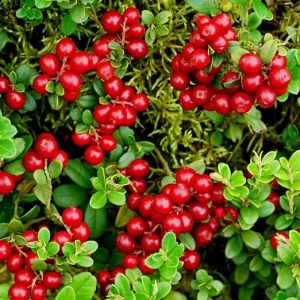
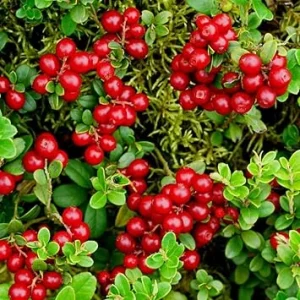
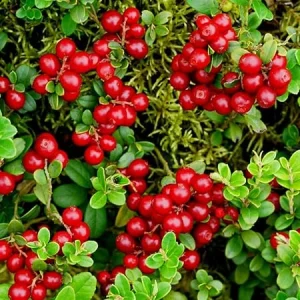
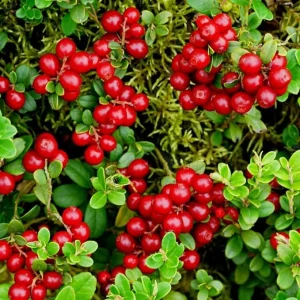
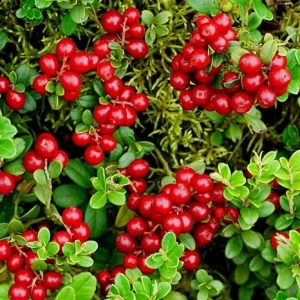
Red Lingonberry Live Plant – Starter Bush – 4 to 6 Inch Tall – Outdoor
Cultivate your own delicious berries with this red lingonberry live plant. A hardy, low-maintenance bush, perfect for outdoor gardens. Produces sweet-tart berries, ideal for jams, sauces, and fresh eating.
Original price was: $71.98.$35.99Current price is: $35.99.

With our Alive & Thrive Guarantee, we’ve got your back for the first 30 days! If you have any concerns about your plants, just reach out to us. Our team is here to help answer your questions and guide you in selecting the best plants for your garden, climate, and unique preferences. We're excited to help you create the garden of your dreams!
Estimated arrival
Apr 09
Apr 14 - Apr 16
Apr 19 - Apr 23
Product Details
-
USDA Hardiness Zone
USDA Zones 2-7 -
Soil type
Well-drained, acidic soil (pH 4.0-5.5) -
Sunlight Exposure
Full Sun -
Expected Planting Period
Spring or Fall
Overview
Bring the taste of the Nordic forests to your garden with this vibrant red lingonberry live plant. Known for its tart, flavorful berries and attractive evergreen foliage, the lingonberry (Vaccinium vitis-idaea) is a fantastic addition to any edible landscape or ornamental garden. This live starter plant arrives ready for planting, offering a robust foundation for a thriving berry bush. Lingonberries are celebrated not only for their delicious fruit but also for their ornamental value, providing year-round interest with their glossy green leaves and small, bell-shaped flowers. Growing your own edible berry bush allows you to enjoy fresh, organic fruit right from your backyard, perfect for a variety of culinary uses or simply as a healthy snack. This particular variety is well-suited for outdoor cultivation, flourishing in temperate climates and offering a rewarding gardening experience.
The lingonberry is a resilient plant, often found in cooler regions, making it a great choice for gardeners looking for a hardy and productive berry. As a compact shrub, it fits well into various garden designs, from ground covers to container planting. Its ability to thrive in acidic soils and partial shade conditions makes it a versatile option for many garden settings. You’ll find that caring for this plant is relatively straightforward, providing a bountiful harvest with minimal fuss. Enjoy the process of nurturing this beautiful plant and anticipating the arrival of its bright red berries, a true delight for any home gardener.
Key Benefits
The red lingonberry live plant offers a multitude of benefits for both the gardener and the home. From its aesthetic appeal to its delicious yield, this plant is a valuable asset to your outdoor space.
- Delicious Edible Berries: Enjoy a consistent harvest of small, tart, and flavorful red berries. These berries are excellent for making jams, jellies, sauces, pies, and can be enjoyed fresh, offering a unique taste profile similar to cranberries but with a distinct sweetness.
- Attractive Evergreen Foliage: The plant boasts small, glossy, dark green leaves that remain vibrant throughout the year, providing continuous visual interest even in winter. This makes it an excellent choice for ground cover or as a low-growing hedge in your garden.
- Low Maintenance & Hardy: Lingonberries are known for their resilience and require minimal care once established. They are naturally resistant to many pests and diseases, making them a worry-free addition to your garden and simplifying your lingonberry plant care routine.
- Compact Growth Habit: As a dwarf shrub, the lingonberry maintains a compact size, making it suitable for smaller gardens, rockeries, or even container planting on patios and balconies. This allows gardeners with limited space to still enjoy fresh berries.
- Ornamental Value: Beyond its fruit, the plant produces delicate white to pink bell-shaped flowers in spring and summer, adding to its charm. The bright red berries contrasting against the dark green foliage create a beautiful display.
- Health Benefits: Lingonberries are packed with antioxidants, vitamins, and fiber, contributing to a healthy diet. Growing your own ensures you have access to fresh, nutrient-rich fruit without pesticides.
- Pollinator Friendly: The flowers attract beneficial pollinators like bees, contributing to the biodiversity and health of your garden ecosystem. This supports not only your lingonberry plant but also other flowering plants in the vicinity.
Plant Care & Growing Tips
Successful cultivation of your red lingonberry live plant depends on providing the right conditions and consistent care. Lingonberries thrive in environments that mimic their native acidic woodland habitats. When planting, ensure your chosen site has well-drained soil with a pH between 4.0 and 5.5. Incorporating peat moss or elemental sulfur into the soil can help achieve the necessary acidity. Dig a hole twice as wide as the root ball and just as deep, gently placing the plant and backfilling with your amended soil. Water thoroughly after planting to settle the soil around the roots.
These plants prefer ‘Full Sun’ exposure, meaning at least 6 hours of direct sunlight per day. However, in hotter climates, some afternoon shade can be beneficial to prevent leaf scorch. Moderate watering is key; the soil should be kept consistently moist but never waterlogged. Check the soil moisture regularly, especially during dry spells and the fruiting period. Overwatering can lead to root rot, so ensure good drainage. Fertilize sparingly with an acid-loving plant fertilizer, such as one formulated for blueberries or azaleas, typically once in early spring. Avoid fertilizers high in nitrogen, which can harm lingonberries. Pruning is generally minimal; remove any dead or damaged branches in late winter or early spring to maintain plant health and shape. Understanding how to grow lingonberries successfully means paying attention to these specific needs.
Lingonberries are cold-hardy, typically thriving in USDA zones 2-7, but can struggle in very hot, humid climates. Protect young plants from extreme winter winds. Mulching around the base of the plant with pine needles or bark chips can help retain soil moisture, suppress weeds, and maintain soil acidity. While generally disease-resistant, watch out for common berry plant issues like powdery mildew or fungal spots, addressing them with appropriate organic or chemical treatments if necessary. With proper care, your dwarf lingonberry will reward you with years of delicious fruit.
Size & Details
This red lingonberry live plant is a starter bush, typically arriving 4 to 6 inches tall. This size is ideal for establishing quickly in your garden, allowing you to watch it grow and mature into a productive berry producer. Lingonberries are known for their compact growth habit, generally reaching a mature height of 6 to 18 inches and spreading up to 2 feet wide, forming an attractive, low-growing ground cover. These plants are shipped as live, potted specimens to ensure their health and vitality upon arrival, ready for immediate transplanting into your garden or a larger container.
Once planted, expect a moderate growth rate. While some berries may appear in the first year, a substantial harvest usually begins in the second or third year after planting. Lingonberries are long-lived plants, providing fruit for many seasons with proper care. They typically bloom from spring to summer, with berries ripening from late summer into fall. The exact timing can vary based on your local climate and specific growing conditions. This small but mighty edible berry bush is a fantastic investment for any gardener looking for a resilient and rewarding fruiting plant.
Frequently Asked Questions
- Q: How big does this plant get? A: This red lingonberry live plant arrives as a starter, typically 4 to 6 inches tall. At maturity, it generally reaches a height of 6 to 18 inches and spreads up to 2 feet wide, forming a compact, low-growing bush.
- Q: Is this an indoor or outdoor plant? A: Lingonberry plants are primarily outdoor plants. They require specific chilling periods and light conditions best met outdoors. While they can be grown in containers, they need to be placed outside for optimal growth and fruit production.
- Q: How much sunlight does it need? A: Lingonberries thrive in full sun, meaning at least 6 hours of direct sunlight per day. In very hot climates, providing some afternoon shade can prevent stress and protect the foliage from scorching.
- Q: Is this plant easy to care for? A: Yes, lingonberries are considered low-maintenance once established. They require specific soil conditions (acidic and well-drained) but are generally hardy and resistant to many pests and diseases, simplifying your lingonberry plant care routine.
- Q: What condition will it arrive in? A: Your red lingonberry live plant will arrive as a healthy, live starter plant, carefully packaged in a nursery pot to ensure its vitality during transit. It will be ready for immediate planting upon arrival.
- Q: When is the best time to plant? A: The best time to plant lingonberries is typically in spring or early fall. This allows the plant to establish its root system before extreme summer heat or winter cold sets in.
- Q: Will it survive winter in my zone? A: Lingonberries are very cold-hardy and generally thrive in USDA Zones 2-7. They are well-adapted to cold climates and will typically survive winter in these regions without extensive protection.
- Q: How long until it produces berries? A: While you might see a few berries in the first year, a significant harvest from your edible berry bush typically begins in the second or third year after planting, once the plant is more established.
- Q: What type of soil does it need? A: Lingonberries require highly acidic, well-draining soil with a pH between 4.0 and 5.5. Amending your soil with peat moss or pine bark can help achieve the ideal conditions for your dwarf lingonberry.
- Q: Can I grow this in a container? A: Yes, lingonberries can be successfully grown in containers, provided the container is large enough (at least 1-2 gallons) and filled with an acidic, well-draining potting mix. Ensure consistent moisture.
Related products
-20%
Original price was: $50.00.$40.00Current price is: $40.00.
-20%
Original price was: $32.00.$25.60Current price is: $25.60.
-20%
Original price was: $56.00.$44.80Current price is: $44.80.
-10%
Original price was: $28.99.$26.09Current price is: $26.09.
-20%
Original price was: $60.00.$48.00Current price is: $48.00.
-10%
Original price was: $23.99.$21.59Current price is: $21.59.
-10%
Original price was: $89.99.$80.99Current price is: $80.99.
-20%
Original price was: $32.00.$25.60Current price is: $25.60.
PLANTING & CARE
Growing Glencoe Raspberry: A Complete Guide for Gardeners
If you’re looking to add something unique to your garden, look no further than the
31
Mar
Mar

The Comprehensive Guide to Growing Bay Leaf Plants for a Flavorful Garden
Imagine stepping into your garden, greeted by the earthy aroma of fresh bay leaves, their
09
Feb
Feb

How to Make Comfrey Tea: The Ultimate Organic Plant Food
Growing an organic garden can be surprisingly expensive, especially when most store-bought fertilizers come in
02
Feb
Feb

True Comfrey: 7 Essential Tips Before You Plant This Herb
A staple in permaculture practices across the US, True Comfrey easily earns its reputation as
27
Jan
Jan

7 Heart-Shaped Plants for a Lasting Valentine’s Gift
If you’ve ever bought a bouquet of roses for Valentine’s Day, you know they are
26
Jan
Jan

Best Types of Ivy Plant for Houses: How to Choose the Perfect Ones for Your Home
Are you a garden lover looking to introduce some greenery into your home? Maybe you’ve
14
Nov
Nov

When to Harvest Garlic (Especially Fall-Planted Garlic)
TIMING IS EVERYTHING, they say – and for garlic, that truth hits with surprising accuracy.
13
Nov
Nov

11 of the Best Sweet Potato Varieties to Grow for Your Garden
If you’ve ever tried growing sweet potatoes, you know that picking the right variety can
12
Nov
Nov