Red Malabar Spinach Seeds – 15 Count – Fast Growing Vine Vegetable
-50%


Red Malabar Spinach Seeds – 15 Count – Fast Growing Vine Vegetable
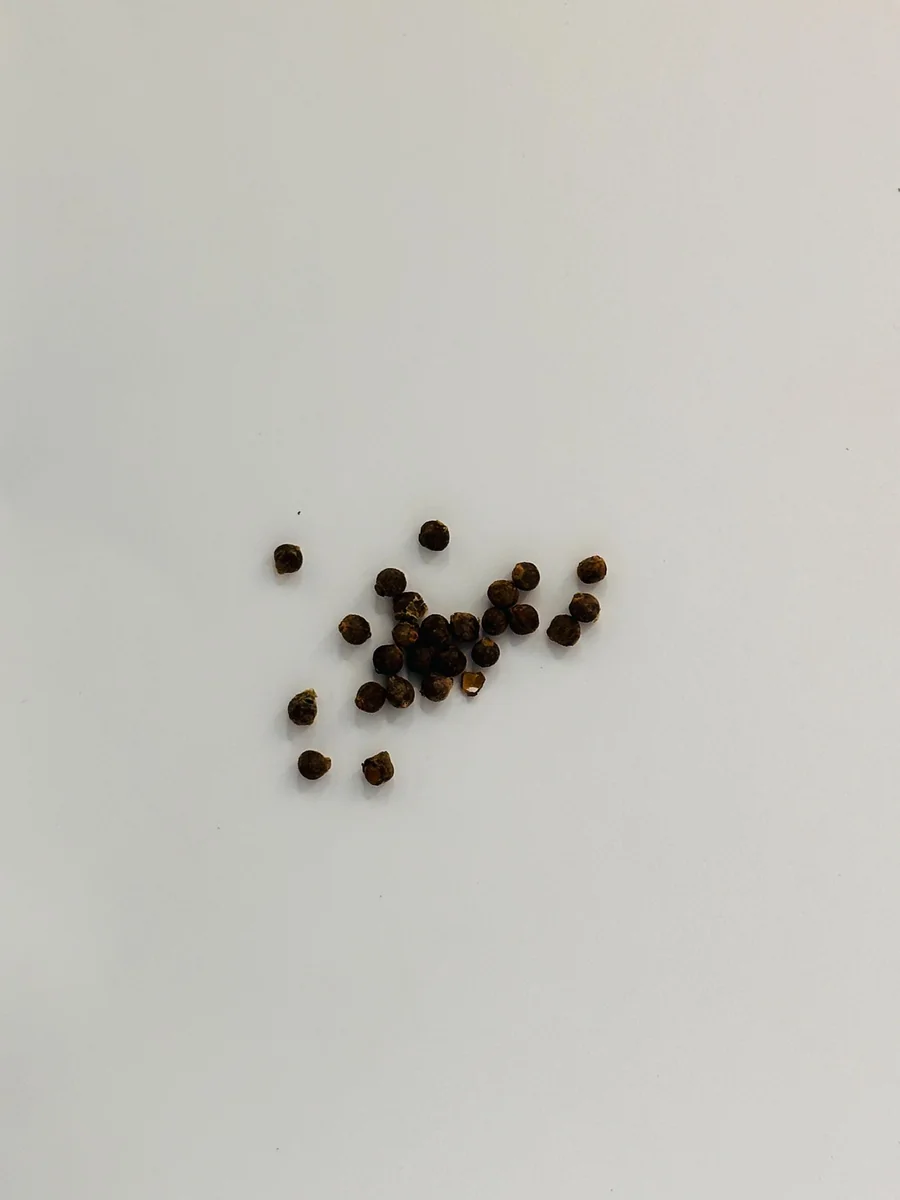
Cultivate your own healthy and vibrant Red Malabar Spinach seeds at home. This pack contains 15 seeds of the unique vining plant, perfect for warm-weather gardens. Enjoy fresh, nutritious leaves with a mild flavor, ideal for salads or cooking.
Original price was: $32.00.$16.00Current price is: $16.00.

With our Alive & Thrive Guarantee, we’ve got your back for the first 30 days! If you have any concerns about your plants, just reach out to us. Our team is here to help answer your questions and guide you in selecting the best plants for your garden, climate, and unique preferences. We're excited to help you create the garden of your dreams!
Estimated arrival
Mar 31
Apr 05 - Apr 07
Apr 10 - Apr 14

Product Details
-
USDA Hardiness Zone
USDA zones 9-11 (perennial), typically grown as annual elsewhere -
Soil type
Well-draining, fertile soil rich in organic matter -
Sunlight Exposure
Full sun (6-8 hours direct light) -
Expected Planting Period
Spring to early summer (after last frost)
Overview
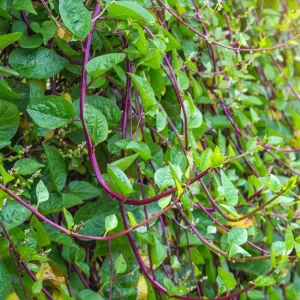
Discover the joy of growing your own nutritious greens with these premium Red Malabar Spinach seeds. Unlike traditional spinach, Malabar spinach (Basella alba) thrives in warm, humid conditions, making it an excellent choice for summer gardens where other leafy greens might bolt. This vining plant produces succulent, slightly mucilaginous leaves and stems, offering a mild, earthy flavor that’s perfect for a variety of culinary uses. The ‘Red’ variety adds a beautiful splash of color with its reddish-purple stems, making it an attractive addition to your garden beyond its edible qualities. Each packet contains 15 high-quality seeds, ready to transform your garden into a vibrant source of fresh, healthy produce. Whether you’re an experienced gardener or just starting, Red Malabar Spinach seeds are a rewarding and easy-to-grow option for a continuous harvest.
Often referred to as tropical spinach, climbing spinach, or Indian spinach, Basella alba is a perennial vine in tropical regions and typically grown as an annual in temperate climates. Its robust growth habit makes it suitable for trellises, fences, or as a groundcover, providing an abundant yield throughout the growing season. If you’re looking to expand your edible garden with something unique and heat-tolerant, learning about Malabar spinach growing is a fantastic step. These seeds promise vigorous plants that are both beautiful and delicious, ensuring a consistent supply of fresh leaves for your kitchen.
Key Benefits
Growing Red Malabar Spinach seeds offers a multitude of advantages for home gardeners and health-conscious individuals. This versatile plant provides continuous harvests and thrives in conditions that challenge many other greens, ensuring a fresh supply of vegetables.
- Heat-Tolerant & Vigorous Growth: Unlike traditional spinach, Malabar spinach flourishes in hot and humid weather, making it an ideal summer green. Its vigorous vining habit ensures a prolific yield, providing a continuous supply of fresh leaves from late spring until frost. This means you can enjoy fresh greens when other varieties are struggling.
- Nutrient-Rich & Healthy: These leaves are packed with vitamins A and C, iron, and calcium, contributing to a healthy diet. Incorporating Red Malabar Spinach seeds into your garden means you’ll have easy access to nutrient-dense produce that supports overall well-being.
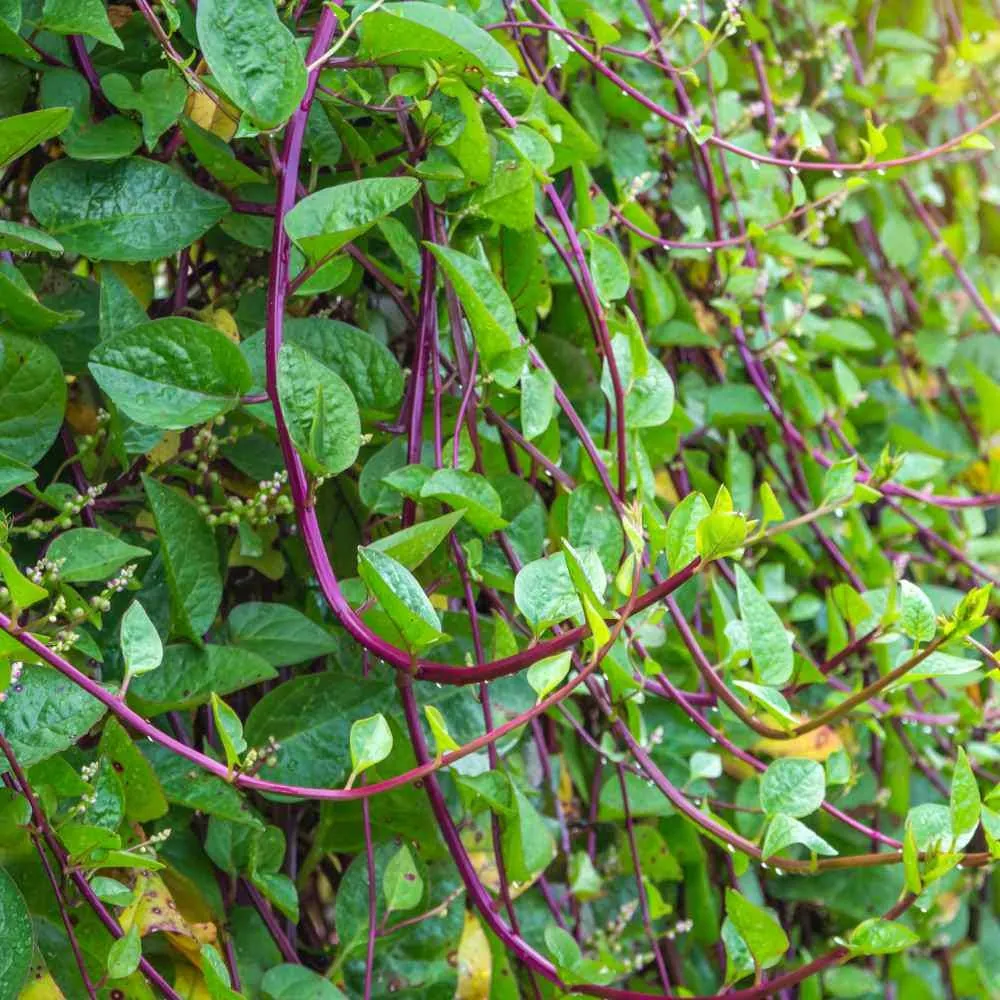
- Beautiful Ornamental Appeal: The ‘Red’ variety features striking reddish-purple stems that create an attractive visual contrast against its vibrant green leaves. This makes it not only a productive edible plant but also a beautiful ornamental addition to your garden, especially when grown on a trellis or as a decorative edible fence.
- Versatile Culinary Uses: The mild, slightly peppery flavor of Malabar spinach makes it incredibly versatile in the kitchen. It can be used raw in salads, stir-fried, added to soups and stews, or even blended into smoothies. Its unique texture adds a delightful element to many dishes, allowing for creative culinary exploration.
- Easy to Grow & Low Maintenance: Malabar spinach growing is generally straightforward and requires minimal fuss. Once established, it is quite resilient and doesn’t demand constant attention, making it suitable for both beginner and experienced gardeners. It’s relatively pest-resistant, reducing the need for chemical interventions.
- Space-Efficient Vertical Gardening: As a vining plant, Malabar spinach can be trained to grow vertically, maximizing garden space. This is particularly beneficial for small gardens or urban settings where ground space is limited, allowing you to grow more food in less area.
- Sustainable & Regenerative: By growing your own Basella alba, you reduce your carbon footprint associated with food transportation and packaging. This sustainable practice promotes self-sufficiency and a deeper connection to your food source.
Plant Care & Growing Tips
Successful Malabar spinach growing begins with proper planting and attentive care. These Basella alba seeds are best started indoors 6-8 weeks before the last frost date or directly sown outdoors once soil temperatures consistently reach above 65°F (18°C). Malabar spinach thrives in full sun, requiring at least 6-8 hours of direct sunlight per day, though it can tolerate partial shade in the hottest climates, which may slow growth slightly. Prepare a well-draining, fertile soil rich in organic matter. A pH between 6.5 and 7.0 is ideal. Consider adding compost or aged manure to your soil before planting to provide essential nutrients and improve soil structure.
Watering is crucial for vigorous growth. Malabar spinach prefers consistently moist soil but not waterlogged conditions. Water deeply and regularly, especially during dry spells and hot weather. Mulching around the base of the plants can help retain soil moisture and suppress weeds. As a vining plant, it benefits greatly from support. Provide a sturdy trellis, fence, or stakes for the vines to climb. This not only keeps the foliage off the ground, reducing the risk of disease, but also makes harvesting easier. Fertilize every 3-4 weeks with a balanced organic fertilizer or a liquid feed, especially once the plant starts producing leaves consistently. Pinch back the growing tips regularly to encourage bushier growth and more tender leaves, preventing the plant from becoming too leggy.
While generally robust, keep an eye out for common garden pests like aphids or spider mites, especially during dry periods. A strong spray of water or an application of insecticidal soap can usually manage these issues. Disease problems are rare if good air circulation and proper watering practices are maintained. In USDA zones 9-11, Malabar spinach can often overwinter as a perennial, returning from its roots in spring. In colder zones, you can save seeds for the next season if you allow some flowers to mature. This ensures you’ll always have a supply for how to grow Malabar spinach year after year.
Size & Details
This product includes a packet containing 15 Red Malabar Spinach seeds, providing a generous quantity for starting your home garden. Each seed has the potential to grow into a robust, vining plant capable of reaching lengths of 6 to 10 feet (1.8 to 3 meters) when provided with adequate support. The leaves typically grow 2 to 4 inches (5 to 10 cm) long, offering a substantial harvest. Plants will ship as dormant seeds, ensuring viability and ease of transport. The germination period is typically 7-21 days under optimal conditions. Expect to begin harvesting young, tender leaves approximately 60-70 days after planting, with continuous production throughout the warm growing season. These seeds are ideal for cultivating a continuous supply of fresh, nutritious greens, making them a valuable addition to any edible landscape.
Frequently Asked Questions
- Q: How big does this plant get? A: Red Malabar Spinach is a vigorous vining plant that can reach lengths of 6 to 10 feet (1.8 to 3 meters) if given proper support like a trellis or fence. Its spread can be managed by regular harvesting and pinching.
- Q: Is this an indoor or outdoor plant? A: While it thrives outdoors in warm weather, Malabar spinach growing can also be successful indoors in a large container with plenty of sunlight. It’s predominantly grown as an outdoor annual or perennial in tropical climates.
- Q: How much sunlight does it need? A: It prefers full sun, meaning at least 6-8 hours of direct sunlight per day. In very hot climates, it can tolerate partial shade, which might help prevent the leaves from scorching but could reduce overall vigor.
- Q: Is this plant easy to care for? A: Yes, Basella alba seeds are relatively easy to grow. Once established, Malabar spinach is quite low-maintenance, requiring consistent watering and a trellis for support. It’s also fairly resistant to pests and diseases.
- Q: What condition will it arrive in? A: Your order will arrive as a packet of 15 Red Malabar Spinach seeds, carefully packaged to ensure their viability and readiness for planting. These are dormant seeds, not live plants.
- Q: When is the best time to plant? A: For outdoor planting, sow seeds directly after all danger of frost has passed and soil temperatures are consistently warm (above 65°F or 18°C). For an earlier start, you can begin seeds indoors 6-8 weeks before the last expected frost.
- Q: Will it survive winter in my zone? A: Malabar spinach is a tender perennial, meaning it can overwinter in USDA zones 9-11. In colder climates, it is typically grown as an annual and will die back with the first hard frost. Seeds can be saved for the next season.
- Q: What is the ideal soil for Malabar spinach? A: It prefers well-draining, fertile soil that is rich in organic matter. A slightly acidic to neutral pH (6.5-7.0) is optimal for good growth. Incorporating compost will greatly benefit your Malabar spinach growing efforts.
- Q: Can I eat the red stems? A: Yes, the reddish-purple stems of Red Malabar Spinach are edible and can be harvested along with the leaves. They have a similar flavor and texture, though they might be slightly crunchier.
- Q: What are some good uses for Malabar spinach? A: This tropical spinach is incredibly versatile! Use it raw in salads, sauté it like regular spinach, add it to stir-fries, soups, curries, or even blend it into green smoothies. Its slightly mucilaginous texture also makes it a good thickener for dishes.
Related products
-48%
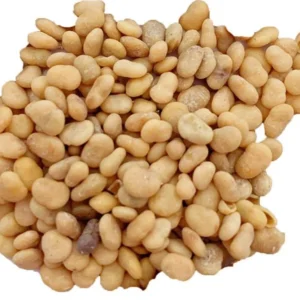
Original price was: $28.99.$14.99Current price is: $14.99.
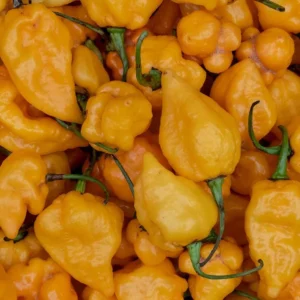
-50%


Original price was: $15.00.$7.50Current price is: $7.50.
-50%
Original price was: $181.98.$90.99Current price is: $90.99.
-50%
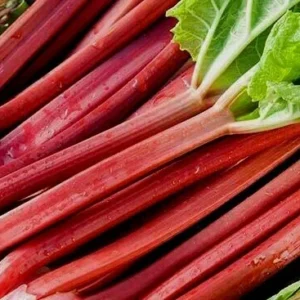

Original price was: $11.00.$5.50Current price is: $5.50.
-48%
Original price was: $28.99.$14.99Current price is: $14.99.
-48%
Original price was: $28.99.$14.99Current price is: $14.99.
-48%
Original price was: $28.99.$14.99Current price is: $14.99.
PLANTING & CARE

Growing Glencoe Raspberry: A Complete Guide for Gardeners
If you’re looking to add something unique to your garden, look no further than the
31
Mar
Mar

The Comprehensive Guide to Growing Bay Leaf Plants for a Flavorful Garden
Imagine stepping into your garden, greeted by the earthy aroma of fresh bay leaves, their
09
Feb
Feb

How to Make Comfrey Tea: The Ultimate Organic Plant Food
Growing an organic garden can be surprisingly expensive, especially when most store-bought fertilizers come in
02
Feb
Feb

True Comfrey: 7 Essential Tips Before You Plant This Herb
A staple in permaculture practices across the US, True Comfrey easily earns its reputation as
27
Jan
Jan

7 Heart-Shaped Plants for a Lasting Valentine’s Gift
If you’ve ever bought a bouquet of roses for Valentine’s Day, you know they are
26
Jan
Jan

Best Types of Ivy Plant for Houses: How to Choose the Perfect Ones for Your Home
Are you a garden lover looking to introduce some greenery into your home? Maybe you’ve
14
Nov
Nov

When to Harvest Garlic (Especially Fall-Planted Garlic)
TIMING IS EVERYTHING, they say – and for garlic, that truth hits with surprising accuracy.
13
Nov
Nov

11 of the Best Sweet Potato Varieties to Grow for Your Garden
If you’ve ever tried growing sweet potatoes, you know that picking the right variety can
12
Nov
Nov