Red Malabar Spinach Seeds – Basella Rubra – Open Pollinated Heirloom Non-GMO
-50%


Red Malabar Spinach Seeds – Basella Rubra – Open Pollinated Heirloom Non-GMO
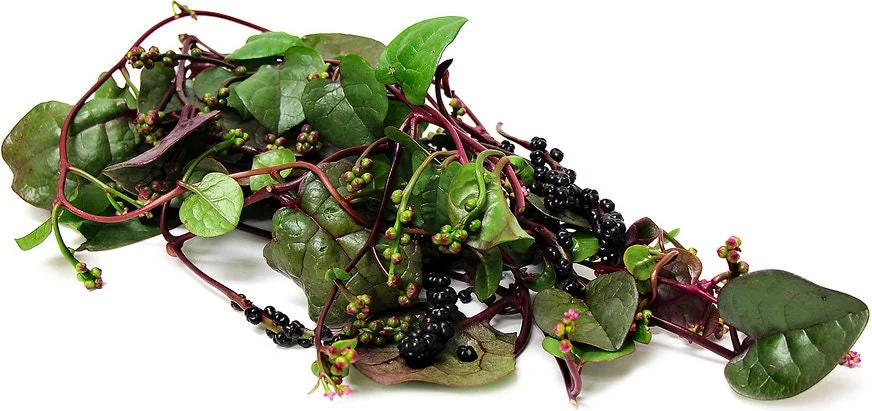
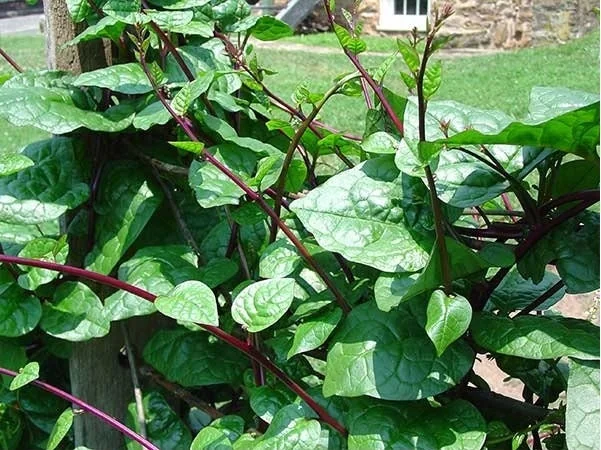
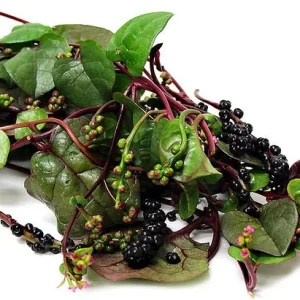
Cultivate your own vibrant red malabar spinach seeds. These heirloom malabar spinach seeds produce vigorous vines with stunning red stems and lush green leaves, perfect for edible gardens or ornamental displays. Enjoy fresh, mild-flavored greens from this easy-to-grow, non-GMO variety.
From Original price was: $14.00.$7.00Current price is: $7.00.

With our Alive & Thrive Guarantee, we’ve got your back for the first 30 days! If you have any concerns about your plants, just reach out to us. Our team is here to help answer your questions and guide you in selecting the best plants for your garden, climate, and unique preferences. We're excited to help you create the garden of your dreams!
Estimated arrival
Apr 03
Apr 08 - Apr 10
Apr 13 - Apr 17

Product Details
-
USDA Hardiness Zone
Annual in most USA, Perennial in Zone 10 -
Soil type
Rich, well-draining soil -
Sunlight Exposure
Full sun -
Expected Planting Period
Late spring to early summer
Overview
Discover the joy of growing your own nutritious and visually striking greens with our premium red malabar spinach seeds. Also known by its botanical name, Basella rubra, this vigorous vine is a fantastic addition to any garden, offering both edible leaves and ornamental appeal. Unlike true spinach, Malabar spinach thrives in warm climates, making it an excellent choice for summer gardens when traditional spinach bolts. Our open-pollinated, heirloom seeds ensure you’re planting a time-tested variety that can be saved and replanted year after year. These seeds will grow into lush vines that can reach lengths of over 10 feet, adorned with bright green leaves and captivating red/purple stems. While primarily grown for its edible leaves, its vibrant appearance often leads it to be used as an ornamental plant as well. Experience the satisfaction of harvesting fresh, mild-flavored greens directly from your garden.
This unique vegetable is known by many names, including Red Stem Malabar, Vietnamese Spinach, Red Vine Spinach, Phooi Leaf, Indian Spinach, Alugbati, and Ceylon Spinach. Regardless of the name, the quality remains the same: a resilient and productive plant that offers a continuous harvest throughout the warmer months. Our red malabar spinach seeds are non-GMO, ensuring you’re planting a natural and wholesome product. Expect your first harvest in approximately 70 days, providing a quick turnaround from seed to plate.
Key Benefits
Growing red malabar spinach seeds offers a multitude of advantages for both gardeners and home cooks. This versatile plant is not only easy to cultivate but also provides a continuous supply of healthy greens. Its robust nature and aesthetic appeal make it a standout choice for various garden settings.
- Vibrant Ornamental Appeal: With its striking red/purple stems and glossy green leaves, this plant adds a beautiful, tropical touch to trellises, fences, or hanging baskets, making it a functional edible ornamental.
- Nutrient-Rich Greens: The leaves are packed with vitamins A and C, iron, and calcium, contributing to a healthy diet. They offer a mild, slightly peppery flavor that’s excellent in salads or cooked dishes.
- Heat-Tolerant & Vigorous Growth: Unlike traditional spinach, basella rubra seeds thrive in hot, humid conditions, continuing to produce abundantly when other greens wilt. Its vigorous vining habit ensures a generous yield.
- Heirloom & Non-GMO: Our seeds are open-pollinated and non-genetically modified, preserving genetic diversity and allowing you to save seeds for future plantings, promoting sustainable gardening practices.
- Versatile Culinary Use: The leaves have a fairly bland flavor, making them a great addition to stir-fries, soups, stews, or eaten fresh in salads. They can also be used as a thickener in dishes due to their slightly mucilaginous texture.
- Long Harvest Season: Once established, these vines will produce leaves continuously throughout the warm season, providing a steady supply of fresh greens until the first frost.
- Easy to Grow: Requiring minimal maintenance, how to grow malabar spinach is straightforward, making it suitable for both experienced gardeners and beginners looking for a rewarding crop.
Plant Care & Growing Tips
Successfully growing red malabar spinach seeds begins with understanding its specific needs, particularly its preference for warm conditions. This plant is perennial in USDA Zone 10 and warmer, but it is typically grown as an annual in most of the USA. For best results, sow seeds directly into the garden after all danger of frost has passed and soil temperatures are consistently above 65°F (18°C). You can also start seeds indoors 4-6 weeks before the last frost. Soak seeds in warm water for 24 hours prior to planting to improve germination rates. Plant seeds about 1/2 inch deep and 6 inches apart, thinning to 12 inches apart once seedlings are established. Provide a sturdy trellis or support system early, as these vines grow quickly and can reach impressive lengths.
Sunlight requirements: Red Malabar Spinach thrives in full sun, meaning at least 6-8 hours of direct sunlight per day. While it can tolerate partial shade, too little sun may result in less vigorous growth and fewer leaves. Watering schedule: Keep the soil consistently moist, especially during dry spells and hot weather. Aim for about 1 inch of water per week, either from rainfall or irrigation. Avoid letting the soil dry out completely between waterings. Soil type and drainage: This plant prefers rich, well-draining soil with a pH between 6.5 and 7.0. Amending your garden soil with compost or well-rotted manure before planting will provide essential nutrients and improve soil structure. Fertilization: Fertilize every 3-4 weeks with a balanced organic fertilizer, particularly during its active growing season, to support continuous leaf production. Pest and disease control: Malabar spinach is relatively pest-free, but keep an eye out for common garden pests like aphids or spider mites. A strong spray of water can often dislodge them. Ensure good air circulation to prevent fungal issues. Understanding how to grow malabar spinach successfully will reward you with an abundant harvest.
Size & Details
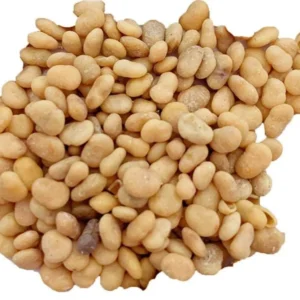
These red malabar spinach seeds are open-pollinated and heirloom, guaranteeing a true-to-type plant with excellent vigor. Each packet contains a generous quantity of seeds, ready for planting. The resulting vines are known for their impressive growth, capable of extending over 10 feet in length, making them ideal for vertical gardening or covering arbors. The vibrant green leaves are complemented by striking red/purple stems, adding a unique aesthetic to your garden. This variety matures in approximately 70 days from seeding to first harvest, providing a relatively quick turnaround for fresh greens.
Malabar spinach is typically grown as an annual in most temperate regions but can be perennial in warmer climates (USDA Zone 10). It prefers warm growing conditions, performing best in temperatures above 70°F (21°C). The seeds ship in a protective packet, ensuring their viability upon arrival. Plant these vine spinach seeds to enjoy a continuous harvest of mild-flavored leaves throughout the summer and early fall.
Frequently Asked Questions
- Q: How big does this plant get? A: These red malabar spinach seeds will grow into vigorous vines that can easily reach lengths of over 10 feet when provided with adequate support. They are ideal for trellises, fences, or arbors.
- Q: Is this an indoor or outdoor plant? A: While primarily an outdoor plant that thrives in warm, sunny conditions, Malabar spinach can be grown in large containers indoors if given sufficient light and warmth. It is generally grown as an annual in most US climates.
- Q: How much sunlight does it need? A: For optimal growth and leaf production, Malabar spinach prefers full sun, meaning at least 6-8 hours of direct sunlight per day. It can tolerate partial shade, but growth may be less vigorous.
- Q: Is this plant easy to care for? A: Yes, Malabar spinach is considered an easy-to-grow plant, making it suitable for beginners. It requires consistent watering, warm temperatures, and a sturdy support structure for its vining habit.
- Q: What condition will it arrive in? A: You will receive premium quality red malabar spinach seeds in a protective packet, ensuring their viability and readiness for planting upon arrival.
- Q: Can I use Malabar spinach in cooking? A: Absolutely! The leaves have a mild, slightly bland flavor, making them versatile for culinary use. They are excellent in stir-fries, soups, curries, and can be used fresh in salads.
- Q: When is the best time to plant these seeds? A: The best time to plant basella rubra seeds is after the last danger of frost has passed and soil temperatures are consistently warm, typically in late spring or early summer.
- Q: Will it survive winter in my zone? A: Malabar spinach is perennial in USDA Zone 10 and warmer climates. In most of the USA, it is grown as an annual and will not survive winter frosts.
- Q: Are these seeds heirloom and non-GMO? A: Yes, our heirloom malabar spinach seeds are open-pollinated and non-genetically modified, ensuring a natural and authentic growing experience.
- Q: What are the benefits of growing vine spinach seeds? A: Growing vine spinach seeds offers the benefits of continuous harvest, heat tolerance, nutritional value, and ornamental beauty, making it a highly rewarding plant for any garden.
| Package | 100+ Seeds, 250+ Seeds, 50+ Seeds, 500+ Seeds |
|---|
Related products
-50%

Original price was: $15.96.$7.98Current price is: $7.98.
-50%
Original price was: $17.00.$8.50Current price is: $8.50.
-50%
Original price was: $15.96.$7.98Current price is: $7.98.
-48%
Original price was: $28.99.$14.99Current price is: $14.99.
-50%

Original price was: $15.00.$7.50Current price is: $7.50.
-50%
Original price was: $19.00.$9.50Current price is: $9.50.
-50%
Original price was: $181.98.$90.99Current price is: $90.99.
-48%
Original price was: $28.99.$14.99Current price is: $14.99.
PLANTING & CARE

Growing Glencoe Raspberry: A Complete Guide for Gardeners
If you’re looking to add something unique to your garden, look no further than the
31
Mar
Mar

The Comprehensive Guide to Growing Bay Leaf Plants for a Flavorful Garden
Imagine stepping into your garden, greeted by the earthy aroma of fresh bay leaves, their
09
Feb
Feb

How to Make Comfrey Tea: The Ultimate Organic Plant Food
Growing an organic garden can be surprisingly expensive, especially when most store-bought fertilizers come in
02
Feb
Feb

True Comfrey: 7 Essential Tips Before You Plant This Herb
A staple in permaculture practices across the US, True Comfrey easily earns its reputation as
27
Jan
Jan

7 Heart-Shaped Plants for a Lasting Valentine’s Gift
If you’ve ever bought a bouquet of roses for Valentine’s Day, you know they are
26
Jan
Jan

Best Types of Ivy Plant for Houses: How to Choose the Perfect Ones for Your Home
Are you a garden lover looking to introduce some greenery into your home? Maybe you’ve
14
Nov
Nov

When to Harvest Garlic (Especially Fall-Planted Garlic)
TIMING IS EVERYTHING, they say – and for garlic, that truth hits with surprising accuracy.
13
Nov
Nov

11 of the Best Sweet Potato Varieties to Grow for Your Garden
If you’ve ever tried growing sweet potatoes, you know that picking the right variety can
12
Nov
Nov