 1 Alachua Muscadine Grape Starter Plug - Vitis rotundifolia - Self-Fertile Vine
 Red Milkweed Live Starter Plants – Set of 2, 4-8″ Tall, Perennial, Attracts Monarch Butterflies
-67%
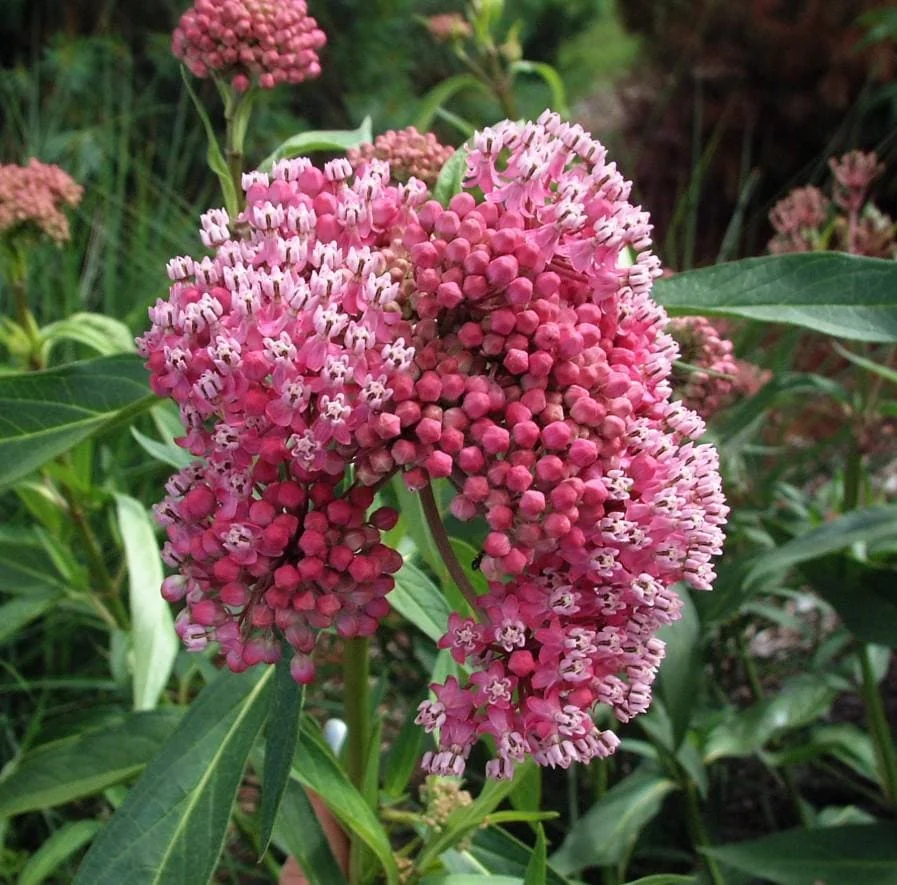
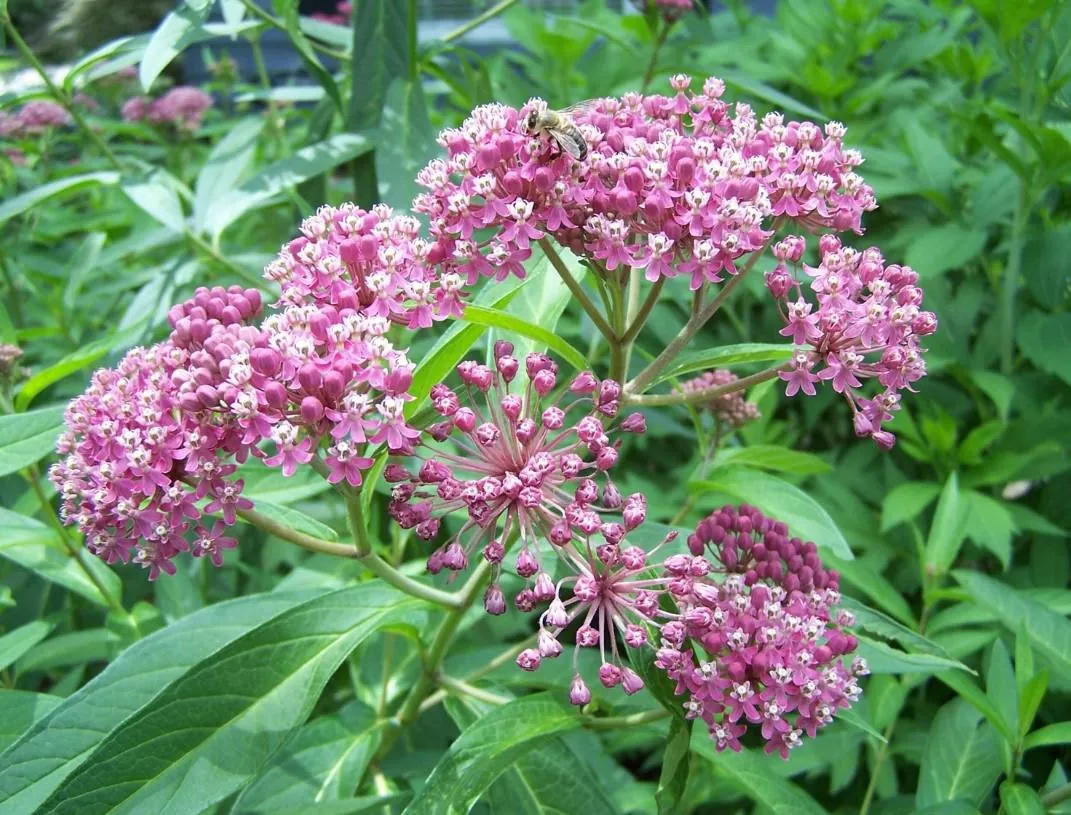
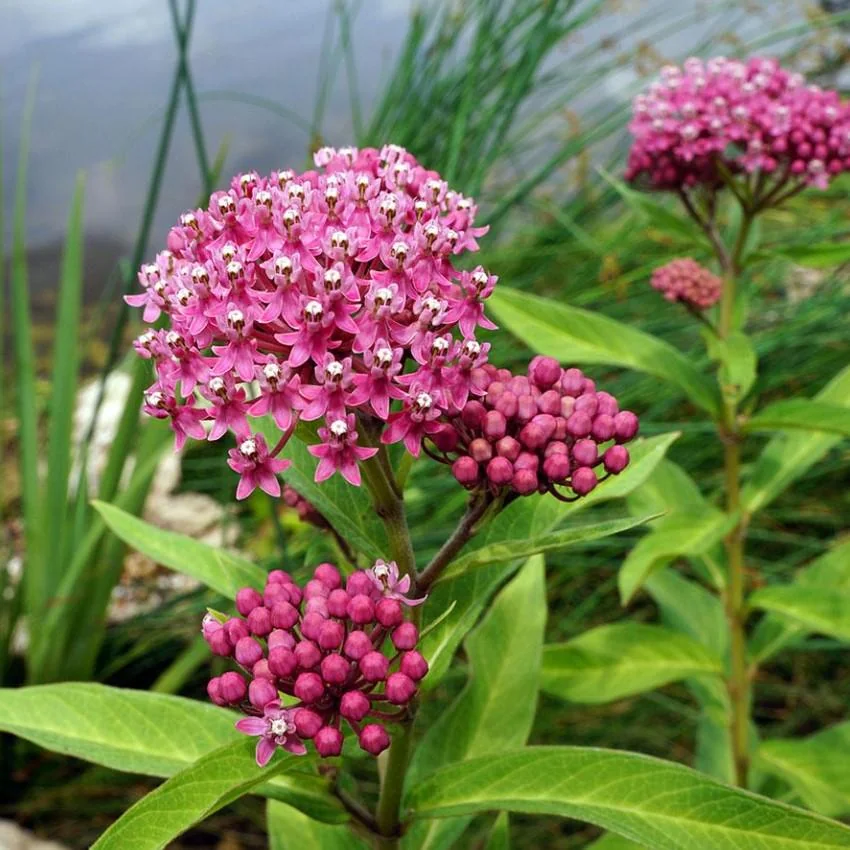
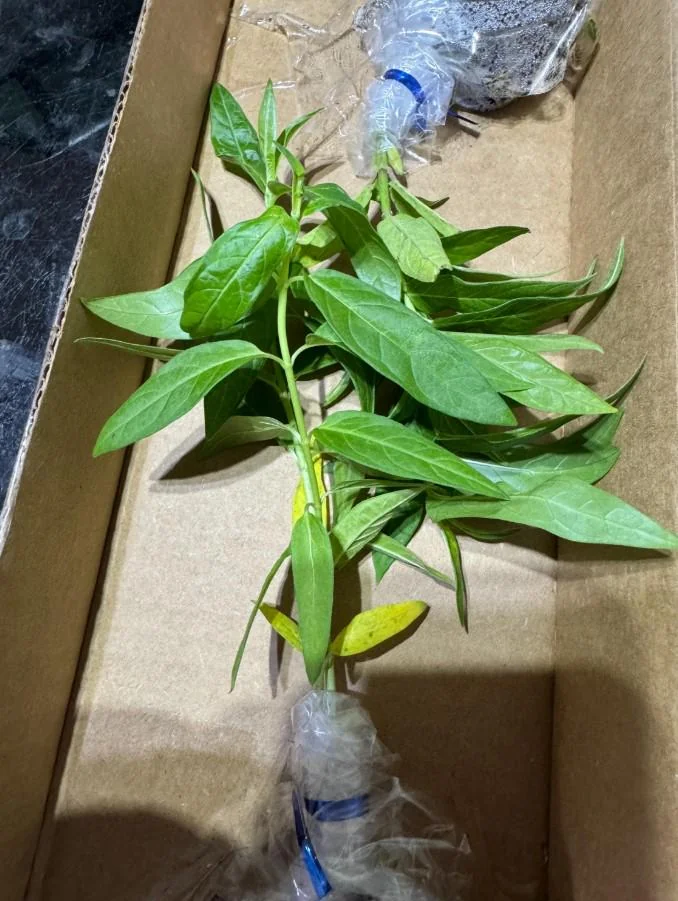
Red Milkweed Live Starter Plants – Set of 2, 4-8″ Tall, Perennial, Attracts Monarch Butterflies
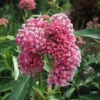
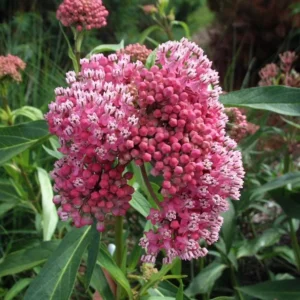
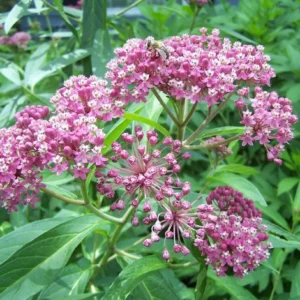
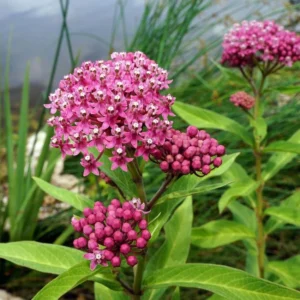
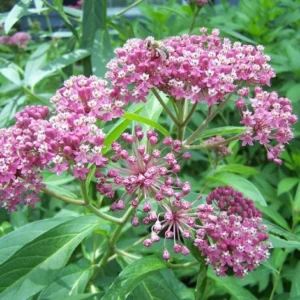
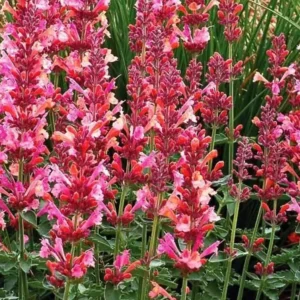
Bring life and color to your garden with this set of 2 red milkweed live plant starters, standing 4-8 inches tall. These perennial plants feature beautiful red blooms and are essential for attracting monarch butterflies, making them perfect for pollinator gardens.
Original price was: $59.97.$19.99Current price is: $19.99.

With our Alive & Thrive Guarantee, we’ve got your back for the first 30 days! If you have any concerns about your plants, just reach out to us. Our team is here to help answer your questions and guide you in selecting the best plants for your garden, climate, and unique preferences. We're excited to help you create the garden of your dreams!
Estimated arrival
Apr 01
Apr 06 - Apr 08
Apr 11 - Apr 15
Product Details
-
USDA Hardiness Zone
USDA zones 3–9 -
Soil type
Well-drained soil; tolerates sandy, loamy, or clay types -
Sunlight Exposure
Full sun (at least 6–8 hours daily) -
Expected Planting Period
Fall or early spring
Overview
Attract majestic monarch butterflies to your garden with this vibrant set of 2 red milkweed live plant starters. Also known as swamp milkweed plant, these robust perennials are an absolute must-have for any pollinator garden or native plant landscape. Each order includes two healthy starter plants, typically 4-8 inches tall, ready to be transplanted and establish themselves in your outdoor space. Milkweed, belonging to the genus Asclepias, is famed for its critical role as the sole host plant for monarch butterfly caterpillars, providing them with essential nourishment and a safe haven. Beyond their ecological importance, these plants boast striking red blooms that add a splash of color to your garden throughout the growing season. They are hardy, relatively low-maintenance, and thrive in a variety of conditions, making them an excellent choice for both experienced gardeners and beginners looking to support local wildlife.
These particular milkweed varieties are known for their beautiful red flowers, which are not only visually appealing but also a rich source of nectar for various pollinators. The unique seed pods that follow the blooms add further interest to the plant, and their milky sap is a characteristic feature of the genus. By planting red milkweed live plant, you are directly contributing to the conservation efforts of monarch butterflies, whose populations have faced significant challenges. This starter set provides a convenient way to introduce these vital plants into your garden, allowing you to witness the fascinating life cycle of the monarch butterfly firsthand.
Key Benefits
Cultivating red milkweed live plant offers a multitude of advantages for your garden and local ecosystem. These plants are easy to grow and provide significant ecological benefits. Here are some key reasons to add them to your landscape:
- Monarch Butterfly Host Plant: Milkweed is the only plant monarch butterfly caterpillars can eat. By planting these, you provide essential food and habitat, directly supporting the monarch life cycle and contributing to their conservation. Witnessing the transformation from caterpillar to chrysalis to butterfly is a truly rewarding experience.
- Attracts Pollinators: Beyond monarchs, the nectar-rich perennial red blooms are a magnet for various other pollinators, including bees, hummingbirds, and other beneficial insects. This promotes a healthier, more diverse ecosystem in your garden, improving overall plant health and fruit production for nearby plants.
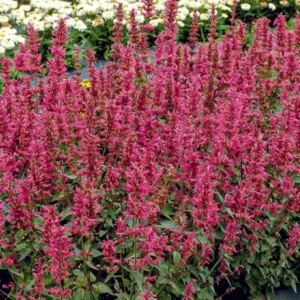
- Vibrant Red Blooms: Enjoy a season of beautiful, eye-catching red flowers that add a bold splash of color to your garden beds, borders, or naturalized areas. The unique flower clusters create a striking visual impact and can complement a wide array of garden designs.
- Low Maintenance & Hardy: Once established, swamp milkweed plant varieties are remarkably resilient, requiring minimal care. They are cold-hardy, drought-tolerant, and generally resistant to pests and diseases, making them an ideal choice for busy gardeners or those new to gardening.
- Native Plant: As a North American native, red milkweed is well-adapted to local climates and soils, meaning it often performs better than non-native alternatives. Planting natives helps preserve biodiversity and supports the natural food web.
- Educational Value: These plants offer a fantastic educational opportunity for children and adults to learn about the importance of pollinators and the intricate relationships within nature. Observing the monarch life cycle is a captivating lesson in biology and ecology.
- Ecological Restoration: By incorporating monarch butterfly plants like red milkweed into your garden, you are participating in vital ecological restoration efforts, helping to create stepping stones for wildlife in urban and suburban environments.
Plant Care & Growing Tips
Caring for your red milkweed live plant starters is relatively straightforward, ensuring they establish well and provide years of beauty and ecological benefit. These plants are quite adaptable, but providing optimal conditions will lead to the most vigorous growth and abundant blooms. They generally thrive in USDA zones 3–9, depending on the specific cultivar, showing excellent cold hardiness once established.
For sunlight, swamp milkweed plant prefers full sun, meaning at least 6–8 hours of direct sunlight daily. While some species can tolerate partial shade, full sun promotes the strongest stems and most prolific flowering. When it comes to soil, they are not overly picky, preferring well-drained soil but tolerating sandy, loamy, or even clay types. An ideal pH range is slightly acidic to neutral (6.0–7.0). Regular watering is crucial until the plants are well-established, typically for the first growing season. After that, they become quite drought-tolerant, especially varieties like Asclepias tuberosa, and can handle drier conditions, though consistent moisture will encourage better growth. Fertilization is usually not necessary in good garden soil, but a balanced, slow-release fertilizer can be applied in spring if your soil is poor.
Planting time is best in fall or early spring. If you are starting from seeds, cold stratification can significantly improve germination rates. Space your plants 18–24 inches apart to allow for mature spread and good airflow, which helps prevent fungal issues. Monitor for common garden pests, though milkweed is generally quite resilient. Aphids can sometimes be an issue, but they rarely cause significant damage and can often be managed with a strong spray of water or natural predators. Remember that the sap can be irritating, so it’s wise to wear gloves when handling the plants, especially during pruning. With these simple care guidelines, your perennial red blooms will flourish, making your garden a haven for monarch butterflies and other pollinators.
Size & Details
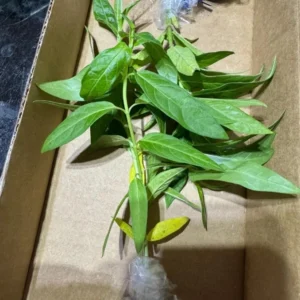
This offering includes two individual red milkweed live plant starters, each measuring approximately 4–8 inches in height upon arrival. These are young plants, shipped in a small pot or with a well-developed root ball, ready for transplanting into your garden or a larger container. The mature size of red milkweed can vary by cultivar; typically, they grow to be about 3–5 feet tall and spread 1–3 feet wide, forming an attractive clump. They are known for a moderate to fast growth rate, especially once established in suitable conditions. You can expect these plants to begin producing their characteristic perennial red blooms in their first or second year, attracting monarch butterflies and other pollinators.
The plants are carefully packaged to ensure they arrive in excellent condition, ready for their new home. While they are starter plants, they possess a robust root system designed to take hold quickly. They are suitable for container gardening if provided with a large enough pot, but truly thrive when planted directly in the ground, allowing their roots to spread. Depending on your climate and growing conditions, you can expect a continuous display of flowers from mid-summer through early fall. These monarch butterfly plants are a long-term investment in your garden’s biodiversity and beauty.
Frequently Asked Questions
- Q: How big will my red milkweed live plant get? A: Your red milkweed live plant starters will arrive 4-8 inches tall. Once established, these plants typically grow to a mature height of 3-5 feet and can spread 1-3 feet wide, forming a nice clump in your garden.
- Q: Is this an indoor or outdoor plant? How much sunlight does it need? A: Red milkweed is primarily an outdoor perennial plant. It thrives best in full sun, requiring at least 6-8 hours of direct sunlight per day to produce the most vibrant perennial red blooms and robust growth.
- Q: Is this plant easy to care for? Is it good for beginners? A: Yes, swamp milkweed plant is considered relatively easy to care for, especially once established. It’s an excellent choice for beginners as it’s hardy, drought-tolerant, and generally low-maintenance. Providing good sun and well-drained soil is key.
- Q: What condition will the plants arrive in? Is it shipped in soil? A: Your plants will arrive as healthy live starter plants, carefully packed to ensure their safety during transit. They will have a developed root system, often in a small pot or with their roots protected, ready for immediate planting.
- Q: Can I use this plant to attract monarch butterflies? A: Absolutely! This red milkweed live plant is specifically known as a crucial host plant for monarch butterfly caterpillars. Planting it is one of the best ways to attract and support monarch butterflies in your garden.
- Q: How long until it blooms? When is the best time to plant? A: Your starter plants may bloom in their first or second year, depending on planting time and growing conditions. The best time to plant is in the fall or early spring to allow for good establishment before summer heat.
- Q: Will it survive winter in my zone? What’s the minimum temperature? A: Red milkweed is cold-hardy and thrives in USDA zones 3–9. This means it will typically survive winters in these zones, with the foliage dying back and new growth emerging in spring. It can tolerate significant cold once dormant.
- Q: What type of soil does red milkweed prefer? A: Monarch butterfly plants like red milkweed prefer well-drained soil but are quite adaptable. They can tolerate sandy, loamy, or even clay soils, with a slight preference for a neutral to slightly acidic pH.
- Q: How often should I water my red milkweed plant? A: Water regularly until the plants are established, which usually takes one growing season. Once established, they become quite drought-tolerant, but consistent moisture can promote better growth and more blooms, especially during dry spells.
- Q: Are these plants beneficial for other pollinators besides monarchs? A: Yes, the vibrant red flowers of the red milkweed live plant are a significant nectar source for a variety of other pollinators, including bees, hummingbirds, and other beneficial insects, making your garden a lively ecosystem.
Related products
-30%
Original price was: $63.98.$44.78Current price is: $44.78.
-30%
Original price was: $63.98.$44.78Current price is: $44.78.
-10%
Original price was: $23.99.$21.59Current price is: $21.59.
-67%
Original price was: $59.97.$19.99Current price is: $19.99.
-67%
Original price was: $41.97.$13.99Current price is: $13.99.
-30%
Original price was: $63.98.$44.78Current price is: $44.78.
-20%
Original price was: $27.98.$22.38Current price is: $22.38.
PLANTING & CARE
Growing Glencoe Raspberry: A Complete Guide for Gardeners
If you’re looking to add something unique to your garden, look no further than the
31
Mar
Mar

The Comprehensive Guide to Growing Bay Leaf Plants for a Flavorful Garden
Imagine stepping into your garden, greeted by the earthy aroma of fresh bay leaves, their
09
Feb
Feb

How to Make Comfrey Tea: The Ultimate Organic Plant Food
Growing an organic garden can be surprisingly expensive, especially when most store-bought fertilizers come in
02
Feb
Feb

True Comfrey: 7 Essential Tips Before You Plant This Herb
A staple in permaculture practices across the US, True Comfrey easily earns its reputation as
27
Jan
Jan

7 Heart-Shaped Plants for a Lasting Valentine’s Gift
If you’ve ever bought a bouquet of roses for Valentine’s Day, you know they are
26
Jan
Jan

Best Types of Ivy Plant for Houses: How to Choose the Perfect Ones for Your Home
Are you a garden lover looking to introduce some greenery into your home? Maybe you’ve
14
Nov
Nov

When to Harvest Garlic (Especially Fall-Planted Garlic)
TIMING IS EVERYTHING, they say – and for garlic, that truth hits with surprising accuracy.
13
Nov
Nov

11 of the Best Sweet Potato Varieties to Grow for Your Garden
If you’ve ever tried growing sweet potatoes, you know that picking the right variety can
12
Nov
Nov