Red Mulberry Tree Live Plant – Morus rubra – Bare Root – 12-24in Tall
-20%
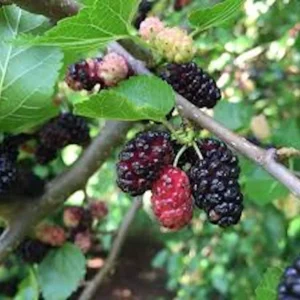
Red Mulberry Tree Live Plant – Morus rubra – Bare Root – 12-24in Tall
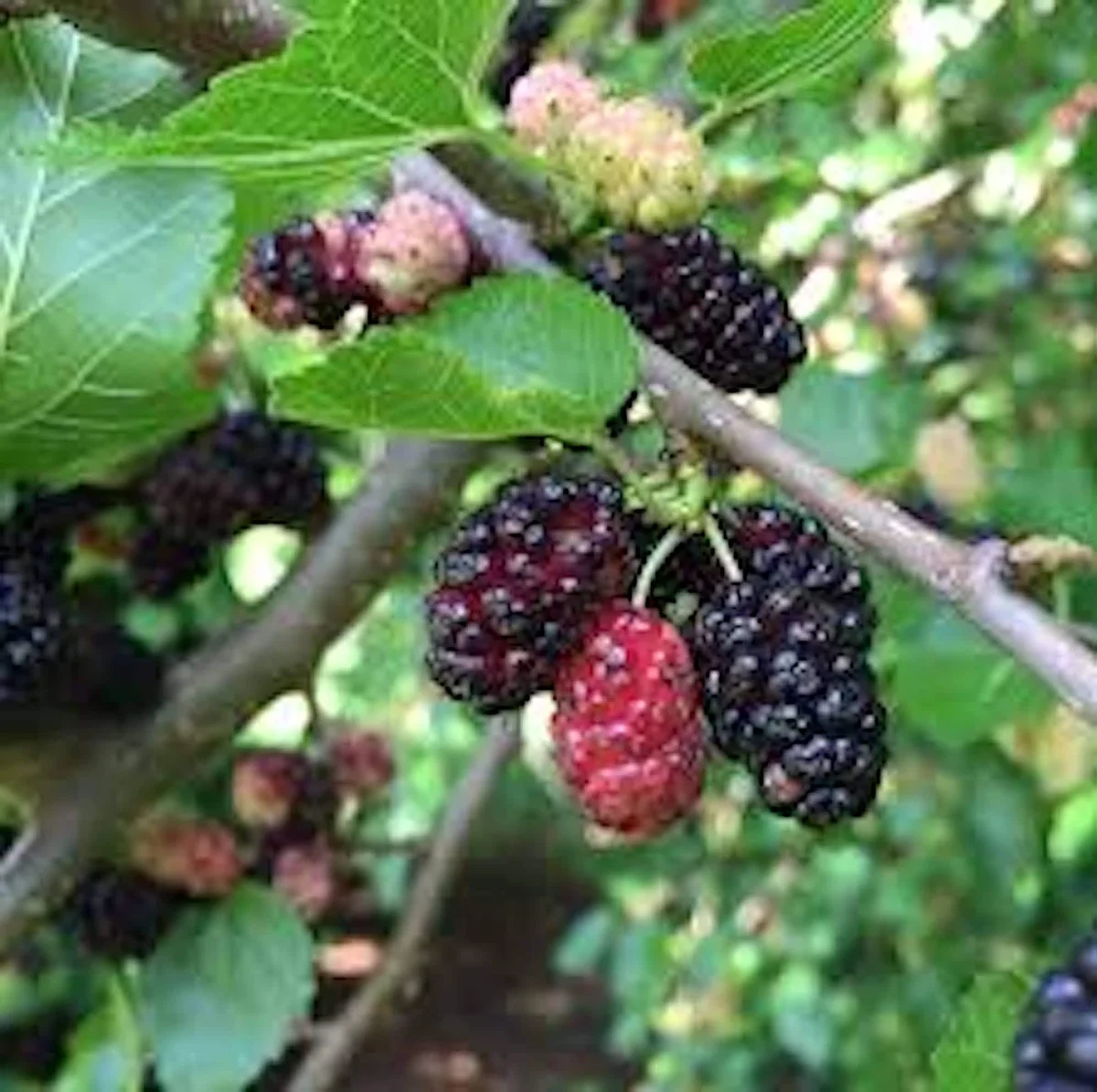
Cultivate your own delicious fruit with this red mulberry tree live plant. The morus rubra fruit tree is a robust, native species for USDA Zones 4-8, offering sweet berries and substantial shade. This red mulberry bare root specimen ships 12-24 inches tall.
Original price was: $66.00.$52.80Current price is: $52.80.

With our Alive & Thrive Guarantee, we’ve got your back for the first 30 days! If you have any concerns about your plants, just reach out to us. Our team is here to help answer your questions and guide you in selecting the best plants for your garden, climate, and unique preferences. We're excited to help you create the garden of your dreams!
Estimated arrival
Apr 12
Apr 17 - Apr 19
Apr 22 - Apr 26

Product Details
-
USDA Hardiness Zone
4-8 -
Soil type
Moist, well-draining soil -
Sunlight Exposure
Full sun -
Expected Planting Period
Early spring
Overview
Introduce a classic North American native to your landscape with the red mulberry tree live plant (Morus rubra). Known for its delicious, sweet berries and impressive stature, this deciduous fruit tree is a fantastic addition to any garden or homestead. The red mulberry tree live plant is a resilient and adaptable species, thriving in a variety of conditions across USDA Zones 4-8. As a significant food source for wildlife and a provider of ample shade, the Morus rubra is not only a productive fruit tree but also an ecological asset. This offering provides healthy, vigorous specimens ready to establish in your garden, promising years of succulent fruit production.
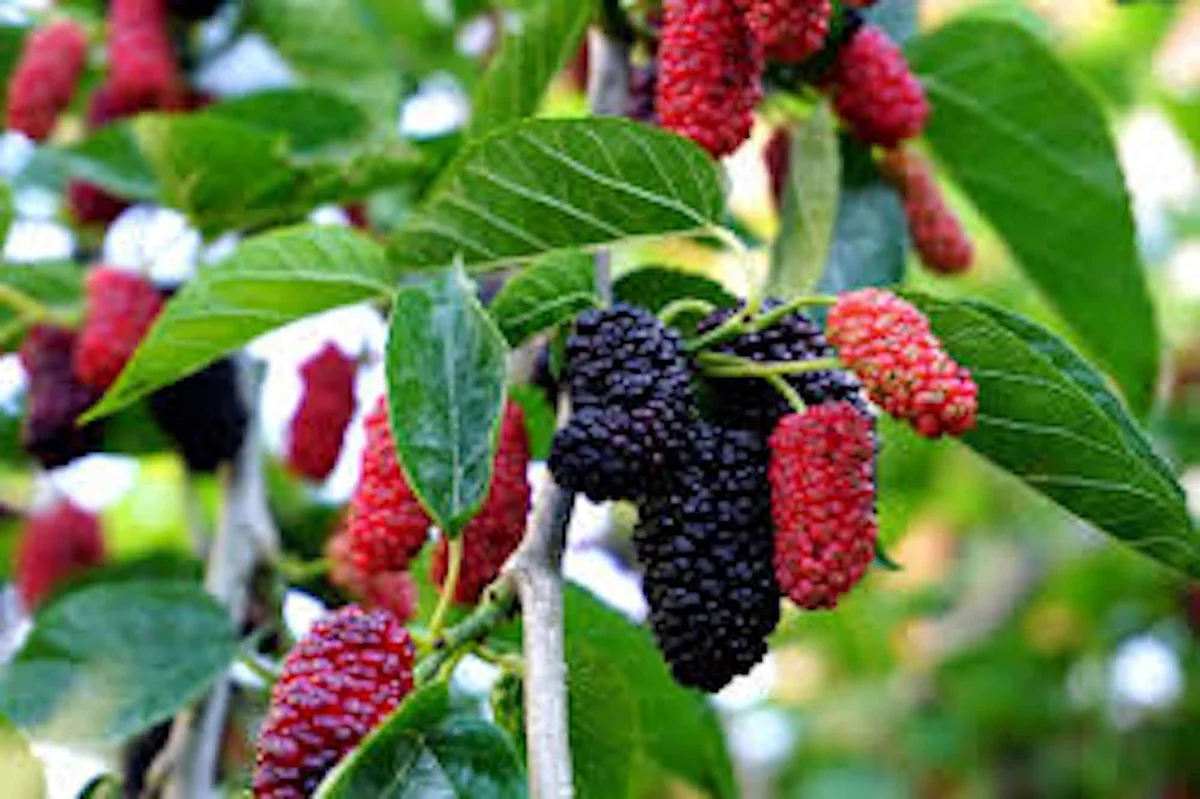
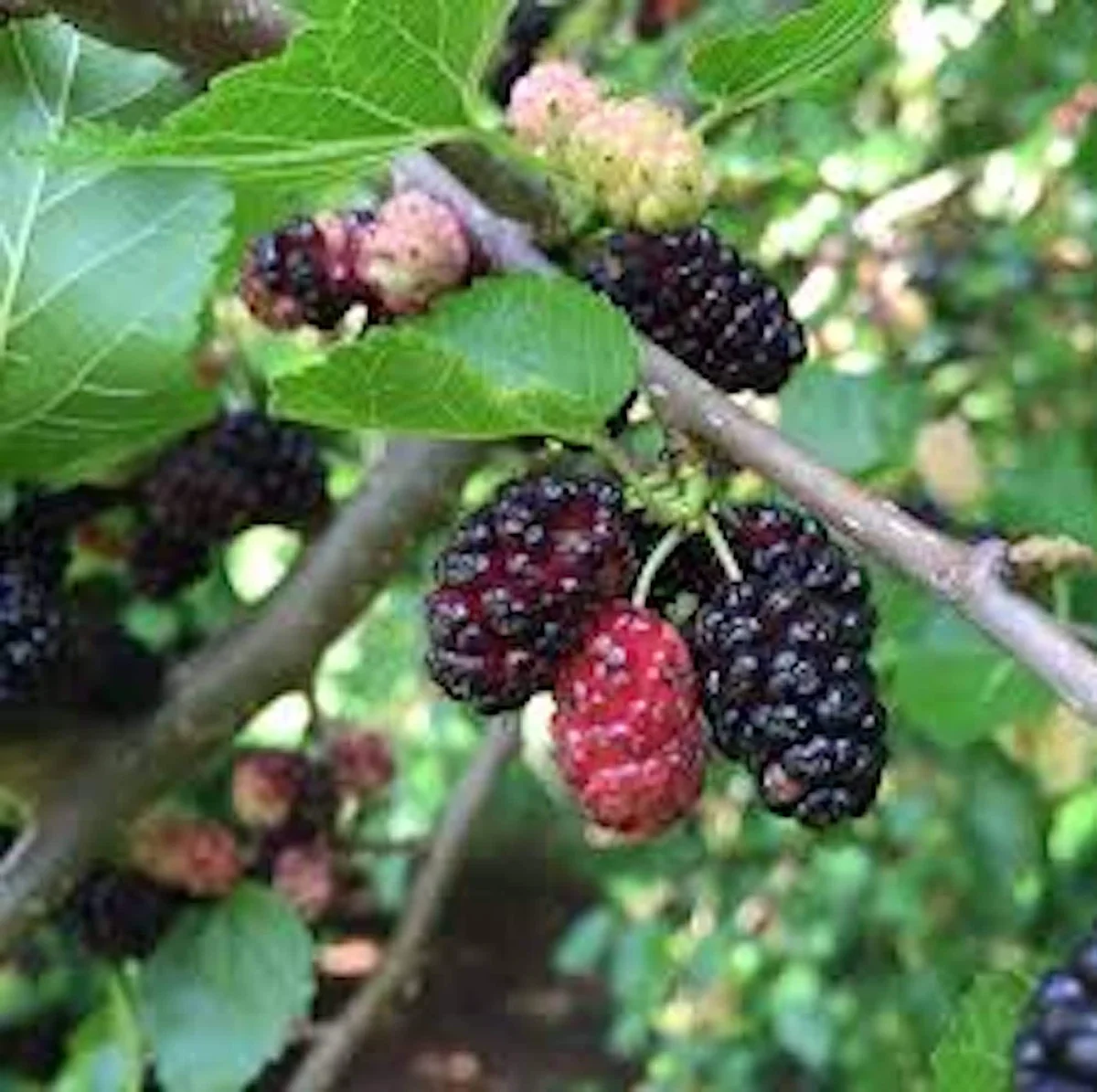
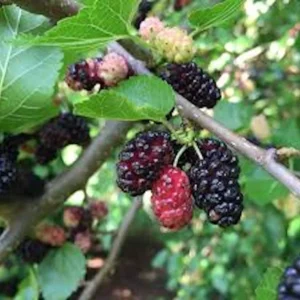
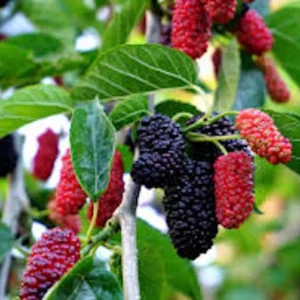
The morus rubra fruit tree is indigenous to Eastern North America and is celebrated for its rapid growth and rich, dark red to black mulberries that ripen in late spring to early summer. These berries are not only a treat for humans but also attract a diverse range of birds and other wildlife, making your garden a lively ecosystem. Our red mulberry bare root trees are carefully selected to ensure strong root development, giving them the best possible start in their new environment. Experience the joy of harvesting fresh, homegrown mulberries directly from your own backyard with this easy-to-grow and rewarding tree.
Key Benefits
Planting a red mulberry tree live plant offers a multitude of advantages for both the gardener and the environment. Its natural resilience and bounty make it a standout choice for sustainable landscaping.
- Abundant Fruit Production: Enjoy a generous harvest of sweet, juicy mulberries each year, perfect for fresh eating, jams, pies, or preserves. The morus rubra fruit tree is a prolific producer once established.
- Wildlife Attraction: The berries are a favorite food source for many bird species and other wildlife, enhancing biodiversity in your garden and providing natural entertainment.
- Fast Growing Shade Tree: With its potential to reach heights of 30-60 feet, the Red Mulberry provides excellent shade, reducing cooling costs and creating comfortable outdoor spaces.
- Low Maintenance & Adaptable: This native tree is remarkably hardy and tolerant of various soil types and environmental conditions, making it an ideal choice for gardeners seeking a low-effort, high-reward plant.
- Erosion Control: Its extensive root system helps stabilize soil, making it beneficial for erosion control, especially on slopes or along waterways.
- Ecological Value: As a native species, it supports local ecosystems and contributes to the health of regional flora and fauna, making it a responsible choice for your landscape.
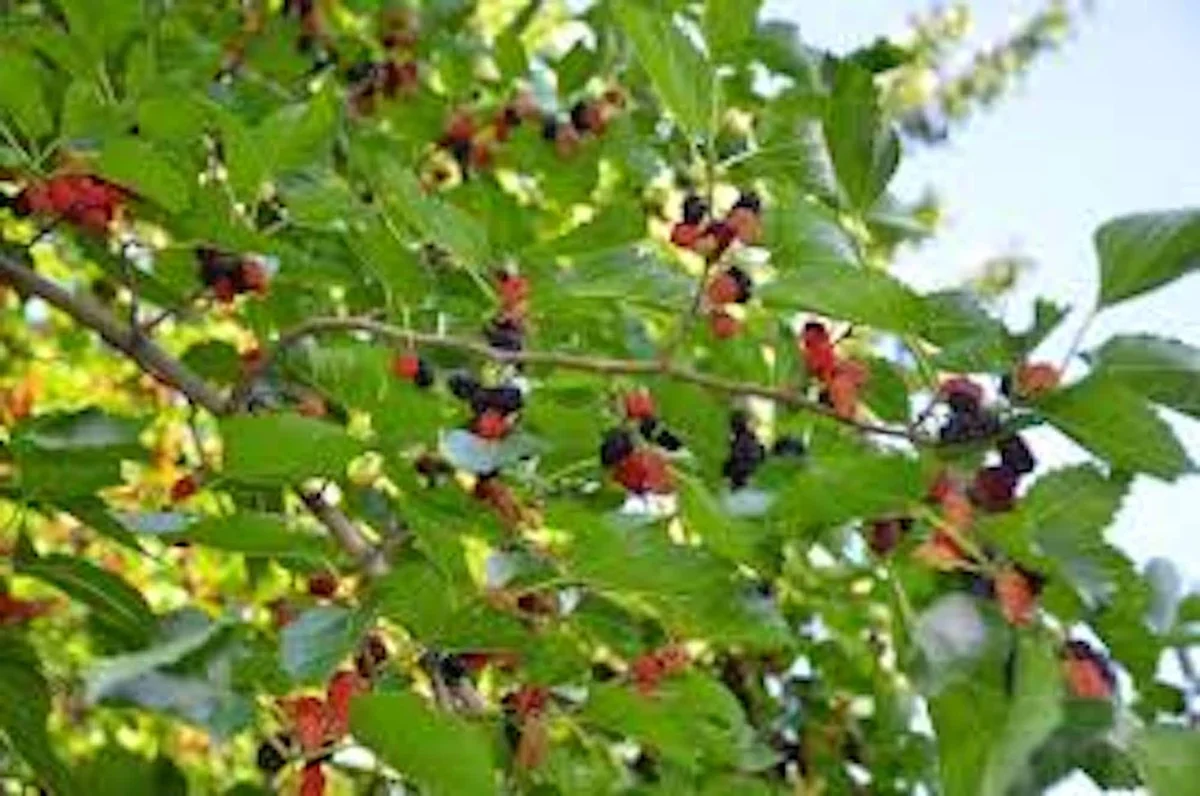
- Beautiful Foliage: The lush green leaves provide a beautiful backdrop throughout the growing season, turning to a pleasant yellow in the fall.
Plant Care & Growing Tips
Caring for your red mulberry tree live plant is straightforward, especially given its native hardiness. These trees are quite forgiving, but providing optimal conditions will ensure the best growth and fruit production. The morus rubra fruit tree prefers a location that receives full sun, meaning at least 6-8 hours of direct sunlight per day. While it can tolerate some partial shade, full sun exposure maximizes fruit yield and overall tree health. Ensure the planting site has well-drained soil, as mulberries do not like consistently soggy roots. They are adaptable to a range of soil types, from sandy to clay, but thrive best in moist, fertile loam.
When planting your red mulberry bare root specimen, dig a hole wide enough to accommodate the roots spread out naturally, and deep enough so that the root collar is level with the ground. Backfill with native soil, gently tamping down to remove air pockets, and water thoroughly. Consistent watering is crucial during the first year of establishment, especially during dry spells. Once established, the tree is quite drought-tolerant but will benefit from occasional deep watering during prolonged dry periods. Fertilization is not usually necessary in rich soils, but a balanced, slow-release fertilizer can be applied in early spring if growth appears sluggish. Pruning should be done in late winter or early spring to remove dead, damaged, or crossing branches, and to maintain a desirable shape and size. Monitor for pests and diseases, though mulberries are generally robust and resistant to most common issues. Understanding growing mulberry trees is key to a successful harvest.
Size & Details
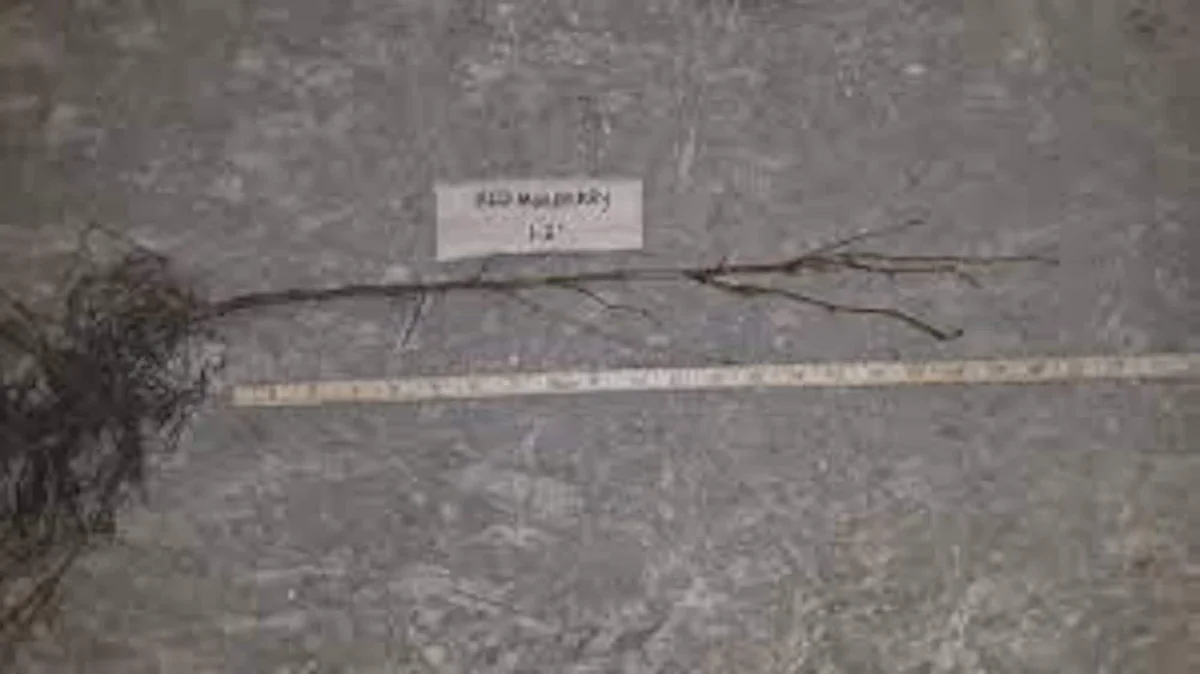
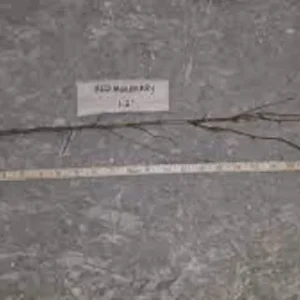
This offering includes red mulberry tree live plant specimens that are 12-24 inches tall. These bare root trees are carefully harvested and packaged to ensure they arrive in excellent condition, ready for planting. Bare root trees are shipped without soil around their roots, which allows for easier transport and often leads to faster establishment once planted, as they quickly adapt to their new soil environment. The Red Mulberry is a medium to large deciduous tree, typically reaching a mature height of 30-60 feet (9-18 meters) with a spread of 20-40 feet. Its growth rate is considered moderate to fast, meaning you can expect noticeable development in just a few years. These trees will begin producing fruit within 2-5 years of planting, with yields increasing as the tree matures. The form of the tree is typically rounded to spreading, providing excellent canopy cover. This makes it an ideal choice for those interested in growing mulberry trees for both fruit and shade.
Frequently Asked Questions
- Q: How big does this red mulberry tree live plant get? A: The Red Mulberry (Morus rubra) typically reaches a mature height of 30-60 feet (9-18 meters) with a spread of 20-40 feet, providing substantial shade and fruit.
- Q: Is this an indoor or outdoor plant? A: The morus rubra fruit tree is an outdoor tree, well-suited for landscaping in USDA Hardiness Zones 4-8. It requires ample space to grow and thrive.
- Q: How much sunlight does a red mulberry tree live plant need? A: Red Mulberry trees thrive in full sun, requiring at least 6-8 hours of direct sunlight daily for optimal growth and fruit production. They can tolerate partial shade but may produce less fruit.
- Q: Is this plant easy to care for? A: Yes, the Red Mulberry is known for being relatively easy to care for, especially once established. It’s a hardy native tree that tolerates a range of conditions and is a great option for those interested in growing mulberry trees.
- Q: What condition will the red mulberry bare root tree arrive in? A: The trees will ship bare root, meaning they will arrive without soil around their roots. This is a common and effective method for shipping dormant deciduous trees, ensuring a healthy start.
- Q: When is the best time to plant a Red Mulberry Tree? A: The best time to plant bare root Red Mulberry trees is in early spring, after the last frost, but before new growth fully emerges. This allows the roots to establish before the stress of summer heat.
- Q: Will a morus rubra fruit tree survive winter in my zone? A: The Red Mulberry is hardy in USDA Zones 4-8. If your zone falls within this range, the tree should successfully overwinter with proper care and establishment.
- Q: How long until this red mulberry tree live plant produces fruit? A: You can typically expect your Red Mulberry tree to begin producing fruit within 2-5 years after planting, with production increasing significantly as the tree matures.
- Q: What kind of soil does a morus rubra fruit tree prefer? A: While adaptable to various soil types, the Red Mulberry thrives best in moist, well-drained loamy soils. It’s important to avoid consistently waterlogged conditions.
- Q: Are there different varieties of growing mulberry trees? A: Yes, besides Red Mulberry (Morus rubra), there are also White Mulberry (Morus alba) and Black Mulberry (Morus nigra), each with slightly different characteristics and fruit flavors.
Related products
-10%
Original price was: $23.99.$21.59Current price is: $21.59.
-10%
Original price was: $36.99.$33.29Current price is: $33.29.
-10%
Original price was: $80.99.$72.89Current price is: $72.89.
PLANTING & CARE

Growing Glencoe Raspberry: A Complete Guide for Gardeners
If you’re looking to add something unique to your garden, look no further than the
31
Mar
Mar

The Comprehensive Guide to Growing Bay Leaf Plants for a Flavorful Garden
Imagine stepping into your garden, greeted by the earthy aroma of fresh bay leaves, their
09
Feb
Feb

How to Make Comfrey Tea: The Ultimate Organic Plant Food
Growing an organic garden can be surprisingly expensive, especially when most store-bought fertilizers come in
02
Feb
Feb

True Comfrey: 7 Essential Tips Before You Plant This Herb
A staple in permaculture practices across the US, True Comfrey easily earns its reputation as
27
Jan
Jan

7 Heart-Shaped Plants for a Lasting Valentine’s Gift
If you’ve ever bought a bouquet of roses for Valentine’s Day, you know they are
26
Jan
Jan

Best Types of Ivy Plant for Houses: How to Choose the Perfect Ones for Your Home
Are you a garden lover looking to introduce some greenery into your home? Maybe you’ve
14
Nov
Nov

When to Harvest Garlic (Especially Fall-Planted Garlic)
TIMING IS EVERYTHING, they say – and for garlic, that truth hits with surprising accuracy.
13
Nov
Nov

11 of the Best Sweet Potato Varieties to Grow for Your Garden
If you’ve ever tried growing sweet potatoes, you know that picking the right variety can
12
Nov
Nov