Red Pontiac Seed Potatoes – Certified Non-GMO Tuber Spuds – 1-10 Lbs.
Red Pontiac Seed Potatoes – Certified Non-GMO Tuber Spuds – 1-10 Lbs.
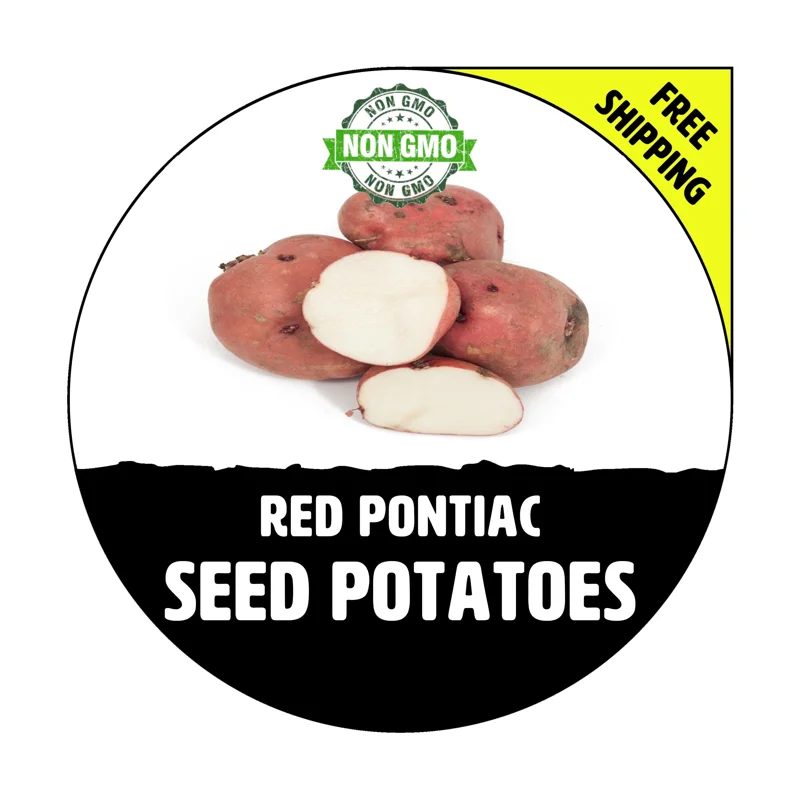
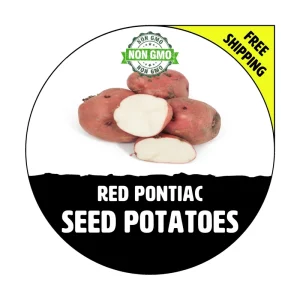
Plant Red Pontiac seed potatoes for a robust harvest of delicious, red-skinned, white-fleshed tubers. These certified seed potato tubers are specially checked for disease, ensuring a healthy start for your garden. Ideal for spring and summer planting.

With our Alive & Thrive Guarantee, we’ve got your back for the first 30 days! If you have any concerns about your plants, just reach out to us. Our team is here to help answer your questions and guide you in selecting the best plants for your garden, climate, and unique preferences. We're excited to help you create the garden of your dreams!
Estimated arrival
Mar 31
Apr 05 - Apr 07
Apr 10 - Apr 14





Product Details
-
USDA Hardiness Zone
unknown -
Soil type
loose, well-draining, rich in organic matter -
Sunlight Exposure
full sun -
Expected Planting Period
spring to early summer
Overview
Cultivate a bountiful harvest with our premium Red Pontiac seed potatoes. These certified tubers are an excellent choice for gardeners seeking a reliable, high-yielding potato variety. Originating in the U.S., the Red Pontiac is an early main crop potato known for its distinctive red skin and white, waxy flesh. Unlike store-bought potatoes, these are specially grown and checked for disease, providing you with healthy, vigorous planting stock. Perfect for spring and summer planting, these planting potato tubers promise a delicious addition to your home-grown produce. The Red Pontiac is a widely appreciated variety, offering both culinary versatility and ease of cultivation for home gardeners.
Our Red Pontiac seed potatoes are certified seed potato stock, meaning they meet stringent quality standards to ensure they are free from common potato diseases. This certification is crucial for a successful potato crop, as non-certified potatoes can introduce harmful pathogens to your soil. By choosing these high-quality tubers, you are investing in a healthy and productive garden. The robust nature of the Red Pontiac makes it suitable for various climates, and its consistent performance has made it a favorite among gardeners for generations.
Key Benefits
Planting Red Pontiac seed potatoes offers numerous advantages for the home gardener, ensuring a rewarding and delicious harvest:
-
Superior Quality: Our certified seed potato tubers are rigorously inspected to be disease-free, promoting healthy plant growth and a higher yield. This ensures you start with the best possible material for your potato patch.
-
Excellent Flavor Profile: The Red Pontiac potato is celebrated for its delicious white, waxy flesh, which holds up well in a variety of culinary applications, from boiling and baking to frying.
-
Vigorous Growth: These tubers produce large, spreading plants with angled stems and attractive light purple flowers, indicating a strong and healthy potato plant.
-
Adaptable & Resilient: Originally bred for its robust nature, the Red Pontiac adapts well to different growing conditions, making it a dependable choice for many regions.
-
Early Main Crop: Enjoy an earlier harvest compared to many other potato varieties, allowing you to get fresh potatoes from your garden sooner.
-
Versatile Use: The firm, white flesh of the white flesh red skin potato is excellent for mashing, roasting, and salads, making it a versatile staple in any kitchen.
-
Reliable Yield: With proper care, these disease-free seed potatoes are known for producing a generous crop of round, deep-eyed tubers.
Plant Care & Growing Tips
Successful cultivation of Red Pontiac seed potatoes begins with proper site selection and soil preparation. Choose a location that receives full sun, ideally 6-8 hours of direct sunlight per day. The soil should be loose, well-draining, and rich in organic matter. A slightly acidic to neutral pH (5.0-7.0) is ideal. Before planting, amend heavy clay soils with compost or well-rotted manure to improve drainage and fertility. Avoid planting in areas where potatoes or other nightshades (tomatoes, peppers, eggplant) have grown in the past two to three years to prevent disease buildup.
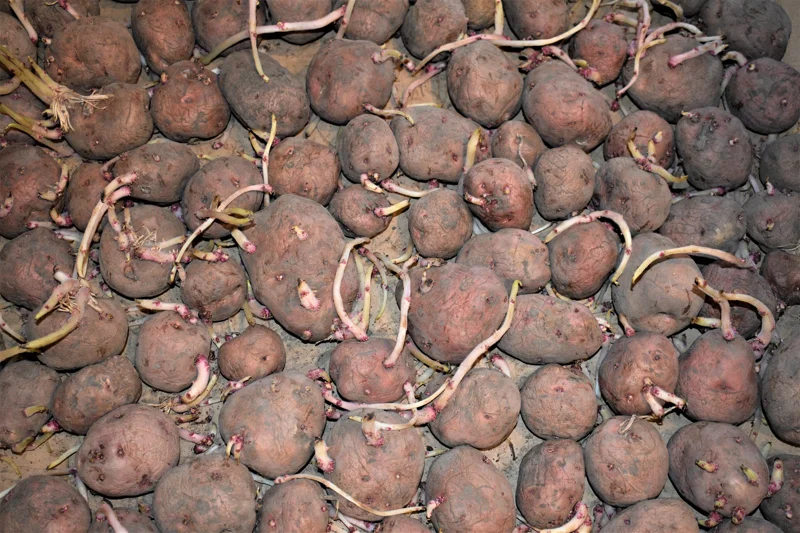
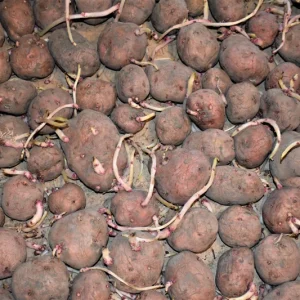
When preparing your planting potato tubers, you can cut larger tubers into pieces, ensuring each piece has at least one or two ‘eyes’ and is about 1.5 to 2 ounces in weight. Allow cut pieces to ‘cure’ for a day or two in a warm, humid environment to form a protective layer, which helps prevent rot. Plant tubers about 4-6 inches deep and 12-15 inches apart in rows that are 3 feet apart. As the plants grow, ‘hill’ them by mounding soil around the stems, which protects developing tubers from sunlight and greening. Water consistently, especially during flowering and tuber development, aiming for about 1-2 inches of water per week, either from rain or irrigation. Uneven soil moisture can lead to knobbly potatoes.
The Red Pontiac is an early main crop variety, typically ready for harvest in approximately 70-90 days after planting. Fertilize with a balanced fertilizer, or one slightly higher in phosphorus and potassium, before planting and again when the plants begin to flower. Monitor for common potato pests like Colorado potato beetles and diseases. Our disease-free seed potatoes provide a strong start, but good garden hygiene and observation are still important. The plants are large and spreading, so ensure adequate space for optimal growth. The skin color of the white flesh red skin potato can fade if exposed to too much sun, so hilling is crucial.
Size & Details
Our Red Pontiac seed potatoes are offered in quantities ranging from 1 to 10 lbs, providing flexibility for various garden sizes. These are certified seed potato tubers, ensuring high quality and disease resistance. Each tuber is carefully selected to ensure viability and robust growth. The Red Pontiac variety produces deep-eyed and round potatoes with a dark red skin and white waxy flesh. Plants are large and spreading, typically growing to 2-3 feet tall and wide, forming angled stems and large light purple flowers. The potatoes are ready for harvest as an early main crop, generally within 70-90 days of planting. These planting potato tubers are ideal for gardeners looking for a reliable and productive potato type.
The mature potatoes can be knobbly if soil moisture is inconsistent during their growth, highlighting the importance of regular watering. While the skin is distinctly dark red, it can fade significantly, sometimes leaving only the eyes with their original red hue. These tubers are specifically for planting and are not store-bought, having undergone special checks for disease to ensure you receive disease-free seed potatoes. They offer an excellent option for spring and summer planting, allowing you to enjoy fresh, home-grown white flesh red skin potato.
Frequently Asked Questions
-
Q: How many Red Pontiac seed potatoes should I plant? A: The quantity depends on your garden size and desired yield. Our Red Pontiac seed potatoes are sold in 1-10 lb increments, with 1 lb typically yielding about 10-15 seed pieces, enough for a small garden patch.
-
Q: Is this a certified seed potato? A: Yes, these are certified seed potato tubers, meaning they have been inspected and verified to be free from common potato diseases, ensuring a healthy start for your crop.
-
Q: What is the best time to plant Red Pontiac potatoes? A: These are ideal for spring and summer planting. Generally, plant after the last frost date in your area when soil temperatures have warmed sufficiently.
-
Q: How much sunlight do Red Pontiac plants need? A: For optimal growth and yield, Red Pontiac seed potatoes require a location with full sun, meaning at least 6-8 hours of direct sunlight per day.
-
Q: What kind of soil is best for planting potato tubers? A: They thrive in loose, well-draining soil rich in organic matter. A slightly acidic to neutral pH is preferred. Avoid heavy clay or waterlogged soils.
-
Q: How long does it take for Red Pontiac potatoes to grow? A: The Red Pontiac is an early main crop variety, typically ready for harvest in about 70-90 days after planting, depending on growing conditions.
-
Q: Why should I use disease-free seed potatoes? A: Using disease-free seed potatoes prevents the introduction of harmful pathogens into your garden, ensuring healthier plants, better yields, and protecting your soil’s long-term health.
-
Q: Can I plant grocery store potatoes? A: It is strongly advised not to plant grocery store potatoes, even if labeled organic, as they are not certified and can carry diseases that will harm your garden. Always use certified seed potato stock.
-
Q: What is the texture and color of the potato flesh? A: The white flesh red skin potato variety is known for its firm, white, waxy flesh, making it excellent for various cooking methods.
-
Q: How tall do the Red Pontiac potato plants grow? A: The plants are large and spreading, typically reaching a height of 2-3 feet with robust foliage and light purple flowers.
| Weight | 1 Lb., 10 Lbs., 2 Lbs., 5 Lbs. |
|---|
Related products
-20%
Original price was: $28.00.$22.40Current price is: $22.40.
-54%
From Original price was: $20.99.$10.49Current price is: $10.49.
-20%
Original price was: $84.00.$67.20Current price is: $67.20.
-50%
Original price was: $37.99.$18.99Current price is: $18.99.
-50%
Original price was: $59.96.$29.98Current price is: $29.98.
-20%
Original price was: $35.00.$28.00Current price is: $28.00.
-20%
Original price was: $36.00.$28.80Current price is: $28.80.
-10%
Original price was: $29.99.$26.99Current price is: $26.99.
PLANTING & CARE

Growing Glencoe Raspberry: A Complete Guide for Gardeners
If you’re looking to add something unique to your garden, look no further than the
31
Mar
Mar

The Comprehensive Guide to Growing Bay Leaf Plants for a Flavorful Garden
Imagine stepping into your garden, greeted by the earthy aroma of fresh bay leaves, their
09
Feb
Feb

How to Make Comfrey Tea: The Ultimate Organic Plant Food
Growing an organic garden can be surprisingly expensive, especially when most store-bought fertilizers come in
02
Feb
Feb

True Comfrey: 7 Essential Tips Before You Plant This Herb
A staple in permaculture practices across the US, True Comfrey easily earns its reputation as
27
Jan
Jan

7 Heart-Shaped Plants for a Lasting Valentine’s Gift
If you’ve ever bought a bouquet of roses for Valentine’s Day, you know they are
26
Jan
Jan

Best Types of Ivy Plant for Houses: How to Choose the Perfect Ones for Your Home
Are you a garden lover looking to introduce some greenery into your home? Maybe you’ve
14
Nov
Nov

When to Harvest Garlic (Especially Fall-Planted Garlic)
TIMING IS EVERYTHING, they say – and for garlic, that truth hits with surprising accuracy.
13
Nov
Nov

11 of the Best Sweet Potato Varieties to Grow for Your Garden
If you’ve ever tried growing sweet potatoes, you know that picking the right variety can
12
Nov
Nov