Rhubarb Live Roots for Planting – 2 Pack, 3-5 Inches Tall, Perennial Vegetable
Rhubarb Live Roots for Planting – 2 Pack, 3-5 Inches Tall, Perennial Vegetable
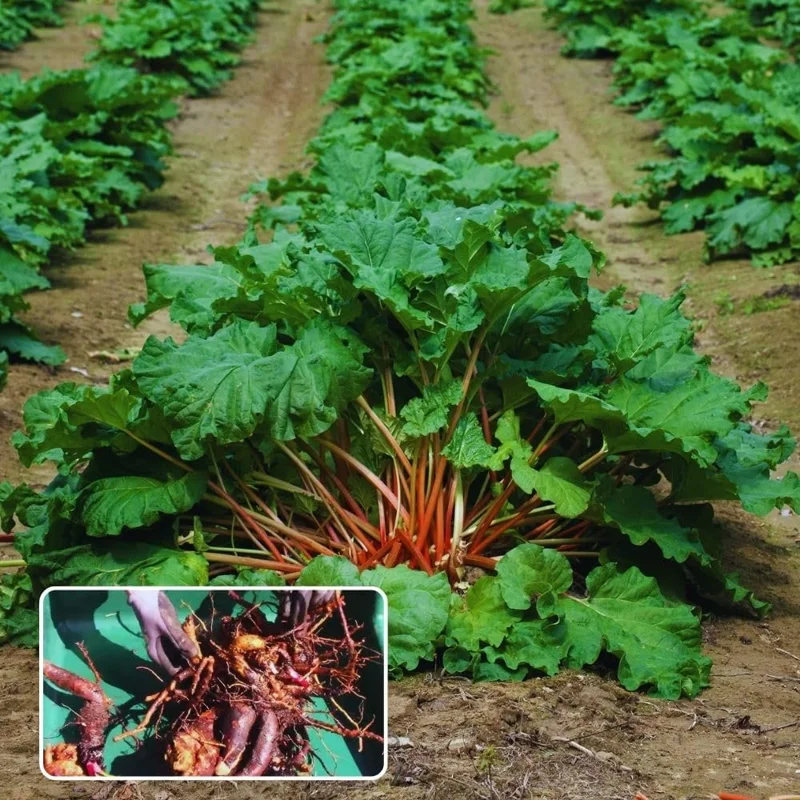
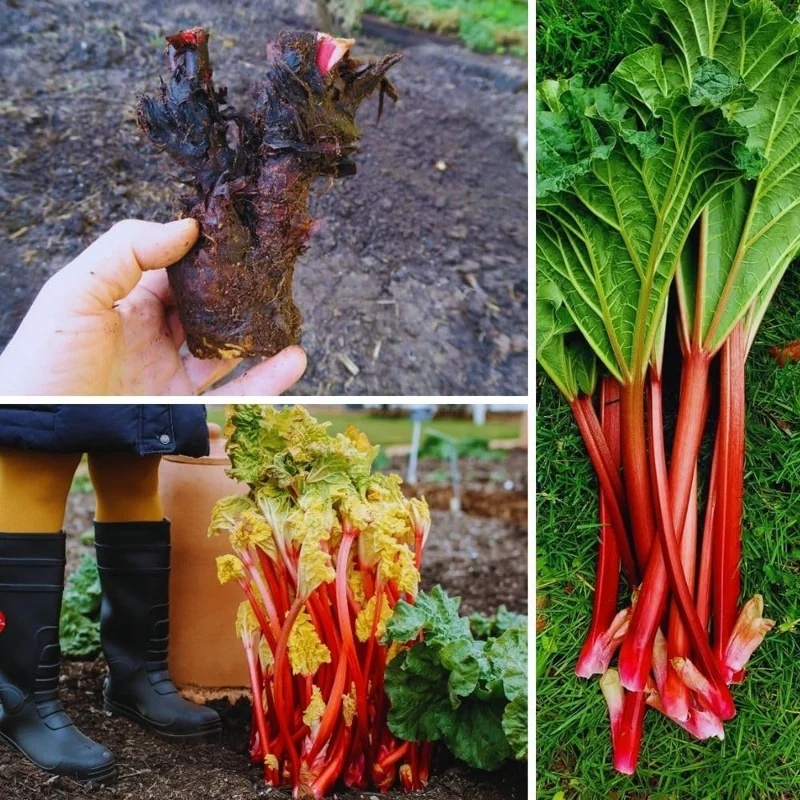
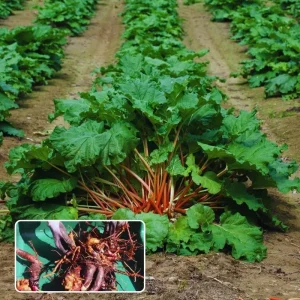
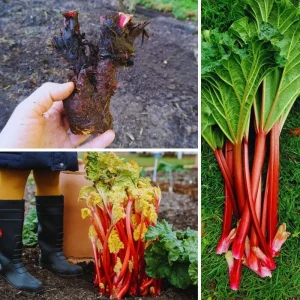
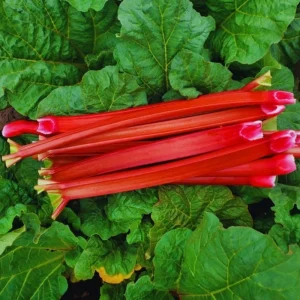
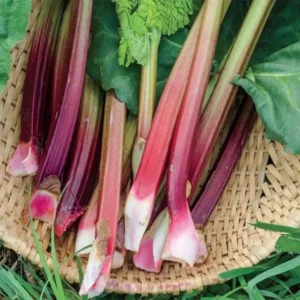
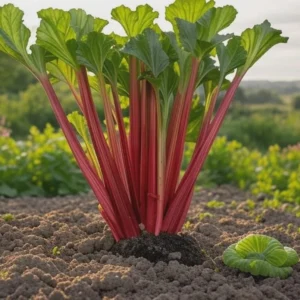
Cultivate delicious rhubarb right in your own garden with these rhubarb live roots. Each pack contains two healthy, 3-5 inch tall roots, ready for planting. Perfect for home gardens and vegetable patches, these perennial rhubarb plant roots will provide bountiful harvests for years to come.
$23.99

With our Alive & Thrive Guarantee, we’ve got your back for the first 30 days! If you have any concerns about your plants, just reach out to us. Our team is here to help answer your questions and guide you in selecting the best plants for your garden, climate, and unique preferences. We're excited to help you create the garden of your dreams!
Estimated arrival
Mar 31
Apr 05 - Apr 07
Apr 10 - Apr 14
Product Details
-
USDA Hardiness Zone
9-11 -
Soil type
Well-draining, rich in organic matter -
Sunlight Exposure
Full sun to partial shade -
Expected Planting Period
Early spring or fall
Overview
Transform your backyard into a productive edible landscape with these premium rhubarb live roots. Each order includes two robust roots, approximately 3 to 5 inches tall, ready to be planted and establish themselves in your garden. Rhubarb, scientifically known as Rheum rhabarbarum, is a highly cherished perennial vegetable, celebrated for its tart, edible stalks that are perfect for pies, crumbles, sauces, and jams. These bare roots offer an excellent starting point for both novice and experienced gardeners looking to cultivate their own fresh produce. Planting these rhubarb live roots ensures a strong foundation for vigorous growth and abundant yields in the seasons ahead.
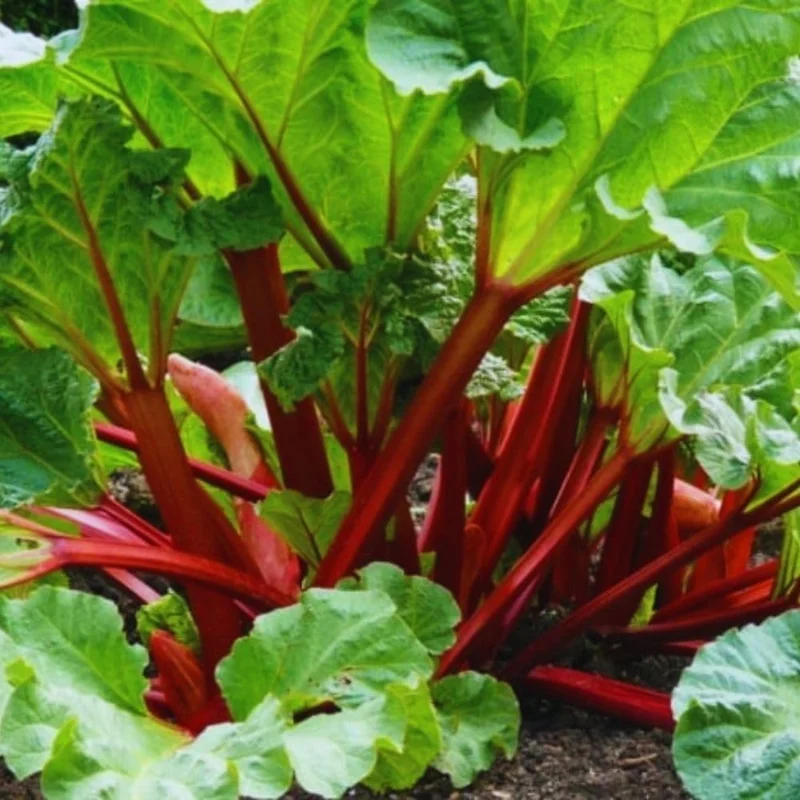
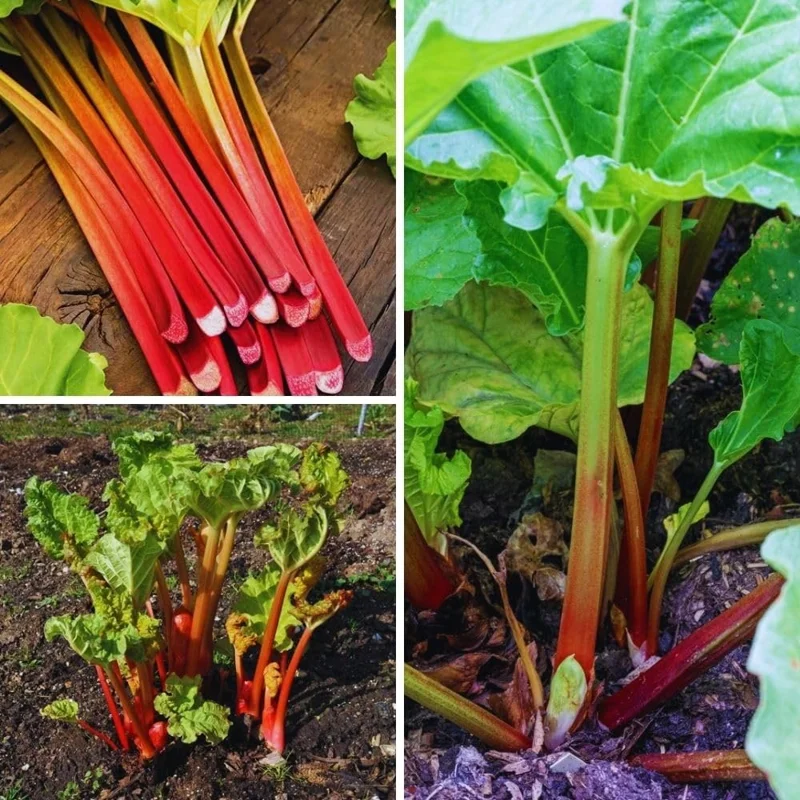
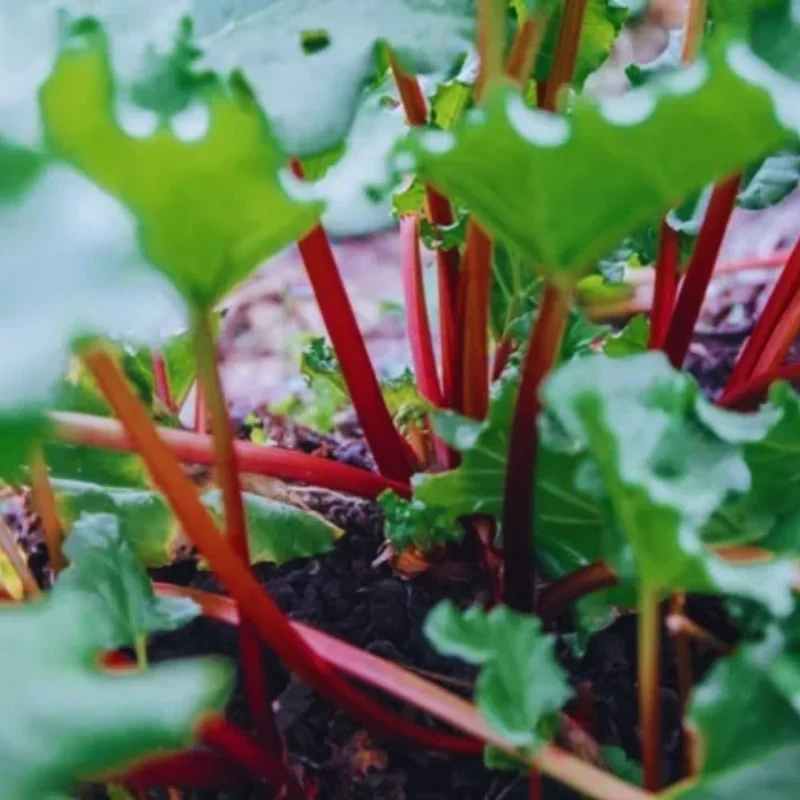
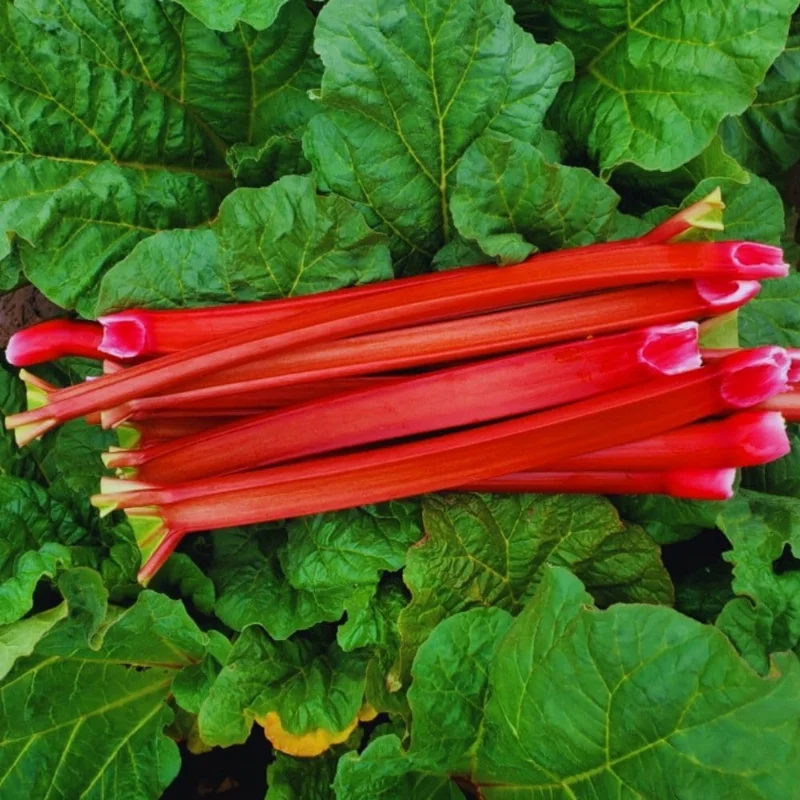
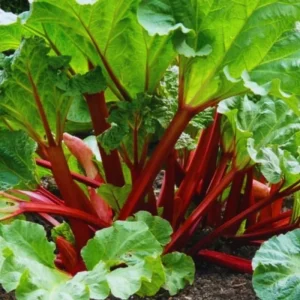
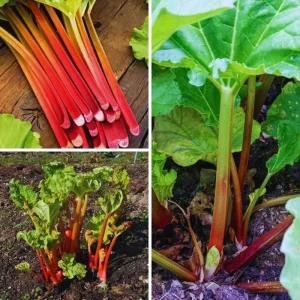
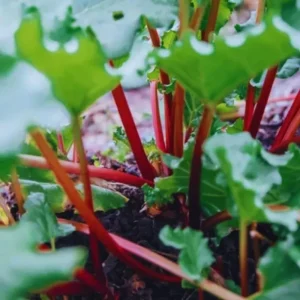
Rhubarb is not only a culinary delight but also a visually appealing addition to any garden bed or vegetable patch. Its large, lush leaves and striking red or green stalks add texture and interest. By choosing these live roots, you are investing in a long-term source of this versatile vegetable, avoiding the fuss of seeds and getting a head start on the growing season. Prepare to enjoy the satisfaction of harvesting your own homegrown rhubarb with minimal effort.
Key Benefits
Planting rhubarb live roots offers numerous advantages for the home gardener, providing both culinary rewards and ease of cultivation. These benefits make rhubarb an excellent choice for a productive and beautiful garden:
- Reliable Perennial Harvest: As a perennial rhubarb plant, once established, your rhubarb patch will return year after year, providing continuous harvests for decades with proper care. This eliminates the need for annual replanting, saving time and effort.
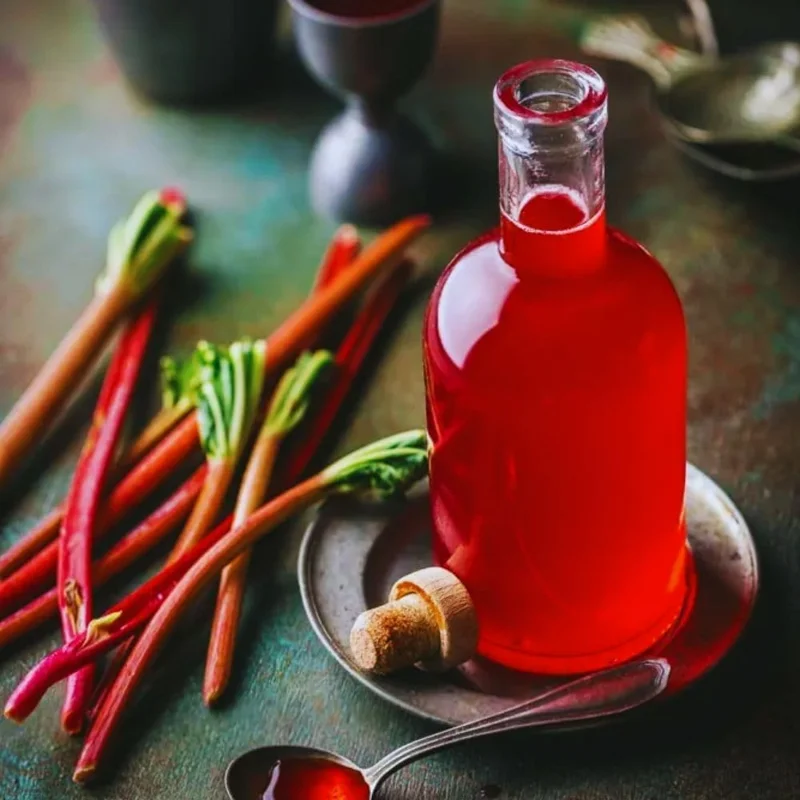
- Culinary Versatility: The tart stalks of rhubarb are incredibly versatile in the kitchen. They can be used in a wide array of sweet and savory dishes, from classic pies and tarts to unique sauces and jams.
- Easy to Grow: Rhubarb is known for its hardiness and straightforward care requirements, making it an ideal choice for gardeners of all skill levels. It tolerates a range of conditions once established.
- Vigorous Growth: Starting with healthy rhubarb live roots ensures a strong beginning, leading to robust plants that quickly establish themselves and produce generous yields.
- Attractive Garden Addition: With its large, architectural leaves and colorful stalks, rhubarb adds a dramatic and ornamental element to vegetable gardens, raised beds, or even mixed borders.
- Extended Growing Season: Rhubarb is one of the first plants to emerge in spring, offering fresh produce early in the growing season and continuing to produce into summer. This extends the period you can enjoy fresh, homegrown vegetables.
- Sustainable Gardening: Cultivating your own rhubarb reduces reliance on store-bought produce, contributing to a more sustainable and self-sufficient lifestyle.
Plant Care & Growing Tips
Successful planting rhubarb begins with understanding its basic needs. Rhubarb thrives in a location that receives full sun to partial shade, ideally with at least 6 hours of direct sunlight per day. While it can tolerate some shade, more sun generally leads to larger, more productive stalks. Prepare your planting site by amending the soil with plenty of organic matter, such as compost or well-rotted manure, to ensure good drainage and fertility. Rhubarb prefers a rich, well-draining soil with a slightly acidic to neutral pH (6.0-6.8). Avoid heavy clay soils that retain too much moisture, as this can lead to root rot.
When planting your rhubarb live roots, dig a hole large enough to accommodate the root system comfortably. Place the root in the hole so that the crown (where the buds emerge) is about 1-2 inches below the soil surface. Space plants 3-4 feet apart to allow for their mature size. Water thoroughly after planting. Rhubarb has moderate moisture needs; keep the soil consistently moist, especially during dry spells, but avoid overwatering. Fertilize annually in early spring with a balanced organic fertilizer or a side dressing of compost. These plants are hardy in USDA Zones 9-11, preferring cooler climates, but can be grown as perennials in these zones if provided adequate moisture and some afternoon shade in hotter regions. Protect young plants from pests and diseases, though rhubarb is generally quite resilient. Avoid harvesting stalks in the first year to allow the plant to establish a strong root system, then begin harvesting lightly in the second year.
To ensure a strong and productive perennial rhubarb plant, it’s crucial to practice proper harvesting techniques. Only harvest the stalks, leaving the leaves and crown intact. Pull, rather than cut, the stalks from the base of the plant to encourage new growth. Never eat the leaves, as they contain oxalic acid and are toxic. Regular weeding around the plants will prevent competition for nutrients and moisture. With good care, your rhubarb will provide delicious harvests for many years.
Size & Details
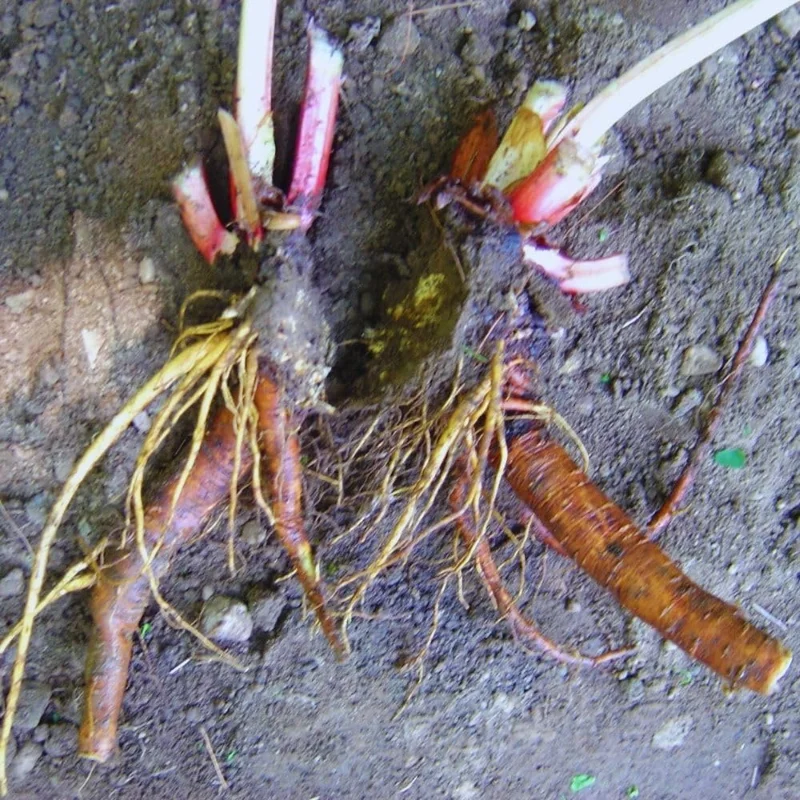
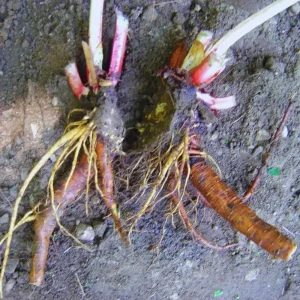
This offering includes two individual rhubarb live roots, each measuring approximately 3 to 5 inches in height. These bare roots are carefully selected for their vigor and readiness for planting, ensuring a strong start in your garden. Rhubarb is a fast-growing perennial, and while the initial roots are compact, they quickly develop into substantial plants. A mature rhubarb plant care will result in a plant that can reach up to 2-3 feet tall and equally wide, with large, impressive leaves and thick, edible stalks. The roots are shipped without soil or foliage, ready for immediate planting upon arrival.
Expected blooming period for rhubarb is typically from spring to summer, though the flowers are generally removed to encourage energy toward stalk production. With proper planting and care, you can expect your first light harvest in the second year, with full production commencing in the third year and continuing for many seasons. The plants prefer full sun to partial shade and well-drained soil, making them suitable for a variety of garden settings in USDA Hardiness Zones 9-11.
Frequently Asked Questions
- Q: How big will these rhubarb live roots get once planted? A: Each live root will develop into a mature plant that can reach up to 2-3 feet tall and equally wide. The roots themselves are 3-5 inches upon arrival, but they establish quickly.
- Q: Is this an indoor or outdoor plant? A: Rhubarb is primarily an outdoor plant, best suited for garden beds, vegetable patches, or large containers where it can receive full sun to partial shade. It is not typically grown as an indoor houseplant.
- Q: How much sunlight does a perennial rhubarb plant need? A: Rhubarb thrives in full sun, ideally receiving at least 6 hours of direct sunlight per day. It can tolerate partial shade, especially in hotter climates, but full sun generally leads to the best stalk production.
- Q: Is this plant easy to care for? A: Yes, rhubarb is considered a very easy-to-care-for plant. Once established, it requires minimal maintenance beyond consistent watering, annual fertilization, and occasional weeding, making it great for beginners looking to grow rhubarb.
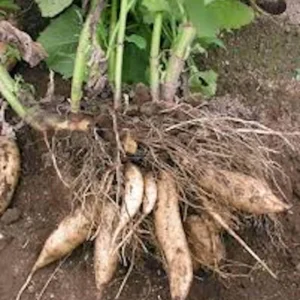
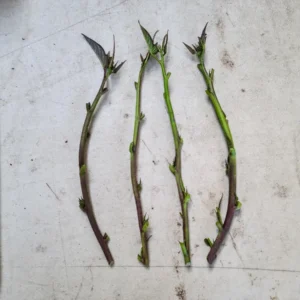
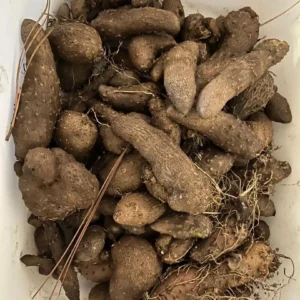
- Q: What condition will the rhubarb live roots arrive in? A: The roots will arrive as bare roots, meaning they are shipped without soil or foliage, ready for you to plant directly into your garden. They are carefully packaged to ensure freshness upon delivery.
- Q: When is the best time to plant these rhubarb roots? A: The best time for planting rhubarb is typically in early spring, as soon as the soil can be worked, or in the fall before the first hard frost. This allows the roots to establish before extreme temperatures.
- Q: What’s the minimum temperature these plants can tolerate? A: Rhubarb is very cold hardy and can tolerate temperatures well below freezing. It is perennial in USDA Hardiness Zones 9-11, but can also thrive in colder zones as it requires a period of cold dormancy.
- Q: Can I harvest rhubarb in the first year? A: It is generally recommended to avoid harvesting rhubarb stalks in the first year after planting. This allows the plant to put all its energy into developing a strong root system, which will lead to more robust harvests in subsequent years.
- Q: What kind of soil is best for planting rhubarb? A: Rhubarb prefers rich, well-draining soil that is high in organic matter. A slightly acidic to neutral pH (6.0-6.8) is ideal. Amending your soil with compost before planting is highly beneficial.
- Q: How can I ensure proper rhubarb plant care for a long-lasting crop? A: To ensure a long-lasting crop, provide consistent moisture, annual fertilization with compost, and avoid overharvesting, especially in the first two years. Also, remove flower stalks to redirect energy to the edible stems.
Related products
-20%
Original price was: $48.00.$38.40Current price is: $38.40.
-10%
Original price was: $19.99.$17.99Current price is: $17.99.
-20%
Original price was: $48.00.$38.40Current price is: $38.40.
-50%

Original price was: $59.96.$29.98Current price is: $29.98.
-22%
Original price was: $160.99.$125.99Current price is: $125.99.
-20%
Original price was: $36.00.$28.80Current price is: $28.80.
-20%
Original price was: $84.00.$67.20Current price is: $67.20.
PLANTING & CARE

The Comprehensive Guide to Growing Bay Leaf Plants for a Flavorful Garden
Imagine stepping into your garden, greeted by the earthy aroma of fresh bay leaves, their
09
Feb
Feb

How to Make Comfrey Tea: The Ultimate Organic Plant Food
Growing an organic garden can be surprisingly expensive, especially when most store-bought fertilizers come in
02
Feb
Feb

True Comfrey: 7 Essential Tips Before You Plant This Herb
A staple in permaculture practices across the US, True Comfrey easily earns its reputation as
27
Jan
Jan

7 Heart-Shaped Plants for a Lasting Valentine’s Gift
If you’ve ever bought a bouquet of roses for Valentine’s Day, you know they are
26
Jan
Jan

Best Types of Ivy Plant for Houses: How to Choose the Perfect Ones for Your Home
Are you a garden lover looking to introduce some greenery into your home? Maybe you’ve
14
Nov
Nov

When to Harvest Garlic (Especially Fall-Planted Garlic)
TIMING IS EVERYTHING, they say – and for garlic, that truth hits with surprising accuracy.
13
Nov
Nov

11 of the Best Sweet Potato Varieties to Grow for Your Garden
If you’ve ever tried growing sweet potatoes, you know that picking the right variety can
12
Nov
Nov
Pruning Bougainvillea for Winter
Bougainvillea vines are known for their dazzling display of magenta, orange, and fuchsia bracts that
05
Nov
Nov