Rhubarb Seeds – 75 Organic Heirloom Seeds for Large Red Stalks, Easy Grow
-50%
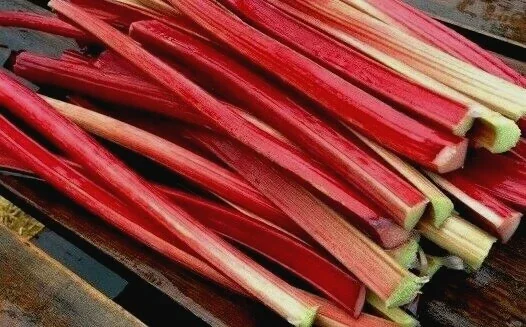
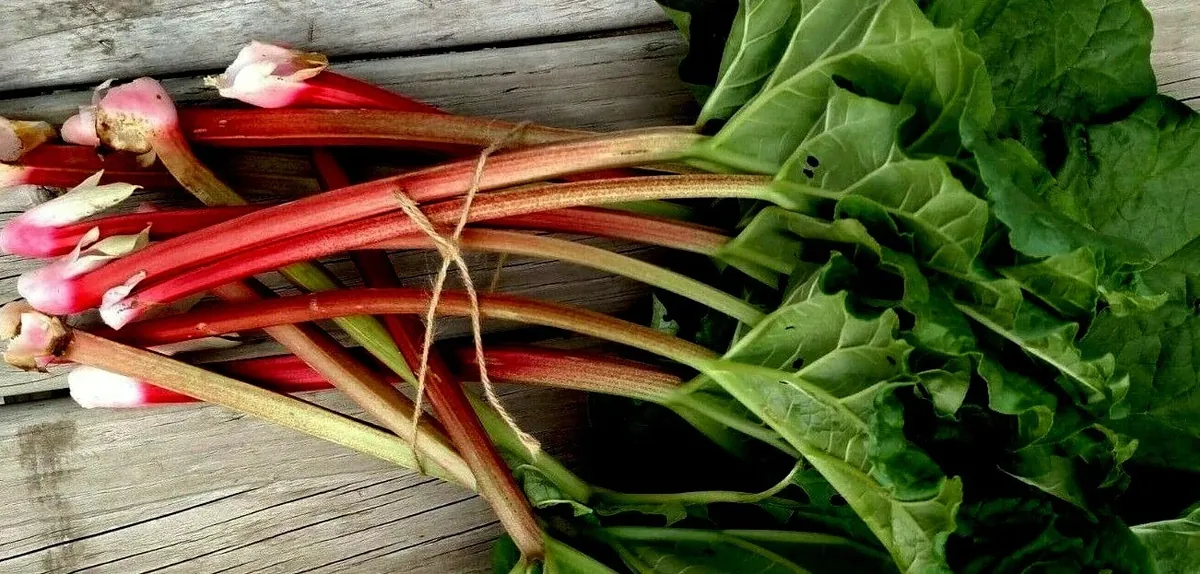
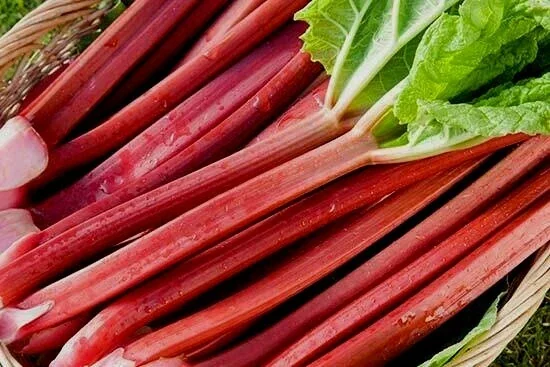
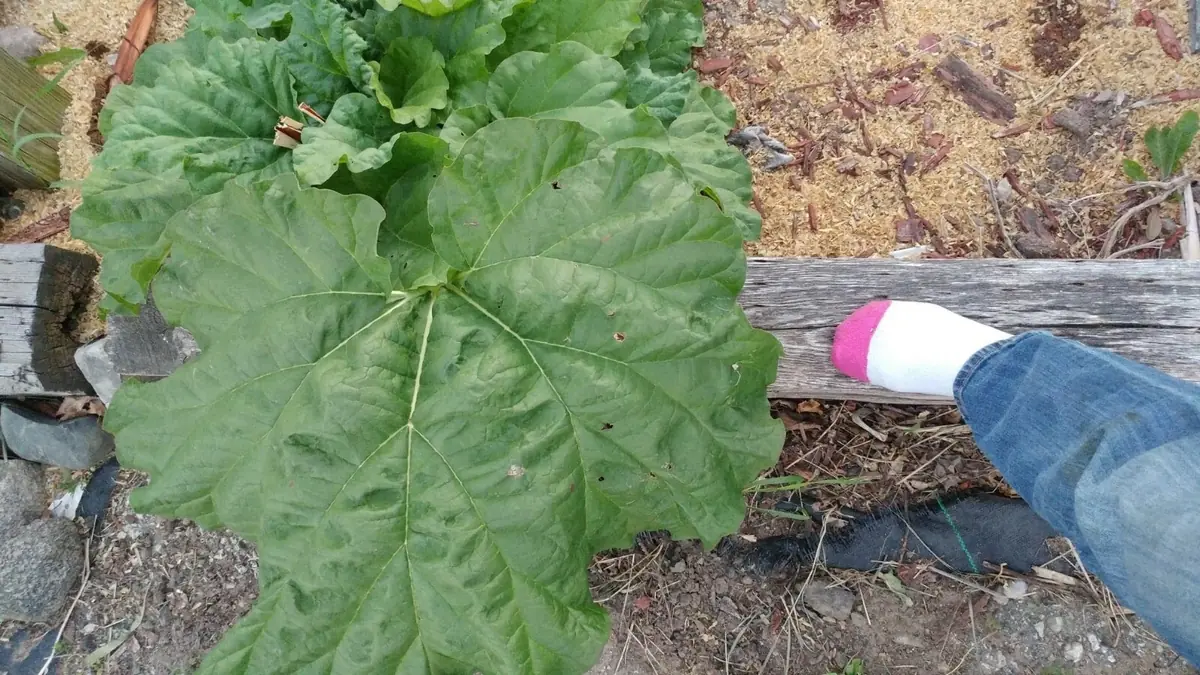
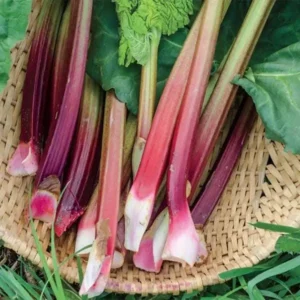
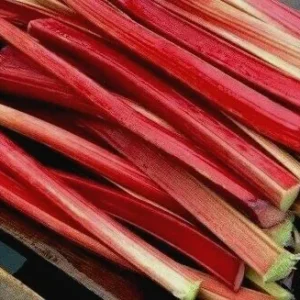
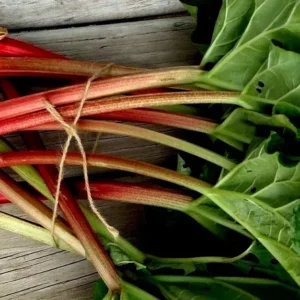
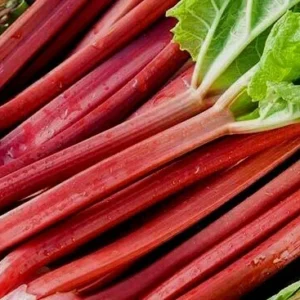
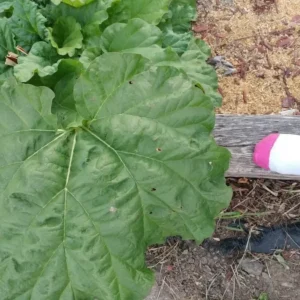
Rhubarb Seeds – 75 Organic Heirloom Seeds for Large Red Stalks, Easy Grow
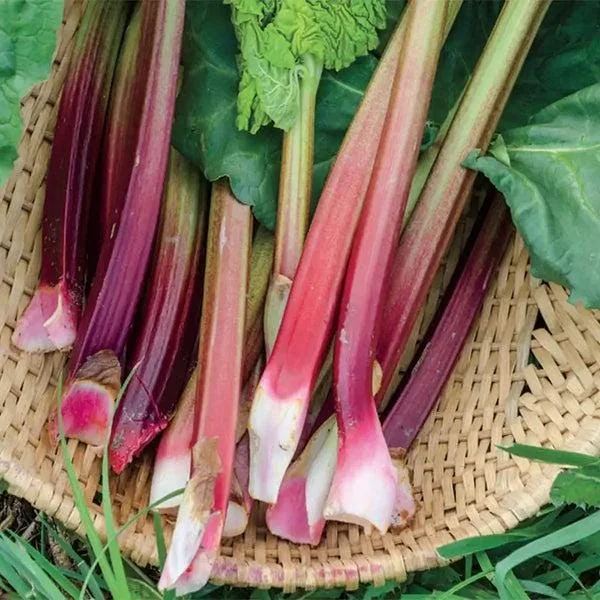
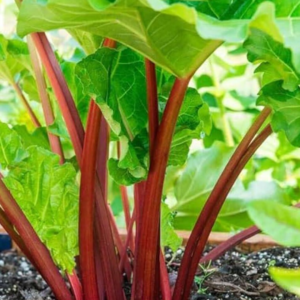
Cultivate your own delicious rhubarb with this packet of 75 organic heirloom rhubarb seeds. These seeds promise large, vibrant red stalks, perfect for making pies, jams, and other delightful desserts. An easy-to-grow perennial vegetable, ideal for any home garden.
Original price was: $19.00.$9.50Current price is: $9.50.

With our Alive & Thrive Guarantee, we’ve got your back for the first 30 days! If you have any concerns about your plants, just reach out to us. Our team is here to help answer your questions and guide you in selecting the best plants for your garden, climate, and unique preferences. We're excited to help you create the garden of your dreams!
Estimated arrival
Mar 31
Apr 05 - Apr 07
Apr 10 - Apr 14



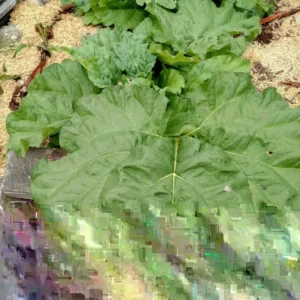
Product Details
-
USDA Hardiness Zone
USDA Zones 3-8 -
Soil type
Rich, well-draining soil with organic matter -
Sunlight Exposure
Full sun to partial shade -
Expected Planting Period
Spring
Overview
Embark on a rewarding gardening journey with these premium rhubarb seeds. Each packet contains 75 organic heirloom rhubarb seeds, carefully selected to ensure vigorous growth and abundant yields of classic, large red stalks. Rhubarb (Rheum rhabarbarum) is a beloved perennial vegetable, renowned for its tart flavor and versatility in culinary applications. This heirloom variety has been passed down through generations, ensuring genetic purity and robust performance in your garden. Whether you’re a seasoned gardener or just starting, these easy-to-grow seeds will provide you with a bountiful harvest, perfect for creating homemade pies, flavorful jams, and a variety of desserts.
Growing your own organic rhubarb seeds offers the satisfaction of fresh, healthy produce right from your backyard. This particular strain is known for its impressive stalk size and rich red coloration, which not only adds visual appeal to your garden but also signifies a higher concentration of beneficial compounds. Plant these seeds in the spring and look forward to years of delicious harvests from this hardy perennial.
Key Benefits
Rhubarb seeds offer numerous advantages for the home gardener, transforming your outdoor space into a productive and beautiful culinary resource. Enjoy the satisfaction of sustainable gardening and fresh, homegrown ingredients.
- Abundant Harvests: Each packet of 75 organic heirloom rhubarb seeds is designed to produce a generous yield of thick, succulent stalks, ensuring you have plenty for all your cooking and preserving needs.
- Exceptional Flavor & Color: This heirloom variety is prized for its vibrant red rhubarb stalks and distinct tart flavor, making it a cornerstone for traditional rhubarb recipes like pies, crumbles, and sauces.
- Perennial Longevity: Once established, rhubarb plants are incredibly long-lived, returning year after year to provide harvests with minimal effort, making them a sustainable choice for your garden.
- Easy to Grow: Known for its resilience, rhubarb is an excellent choice for gardeners of all skill levels. These seeds are easy to sow and require straightforward care, leading to successful growth.
- Versatile Culinary Use: The tart stalks are perfect for a wide array of sweet and savory dishes. Beyond pies and jams, experiment with rhubarb in chutneys, tarts, and even savory glazes.
- Organic & Healthy: Sourced as organic heirloom seeds, you can be confident you’re growing rhubarb free from synthetic pesticides and chemicals, providing a healthier option for your family.
- Cold Hardy & Drought Resistant: Rhubarb is remarkably tough, tolerating cold climates and exhibiting good drought resistance once established, ensuring reliable performance across various regions.
Plant Care & Growing Tips
Successfully growing rhubarb starts with proper planting and attentive care. Rhubarb thrives in full sun but can tolerate partial shade, especially in hotter climates where some afternoon protection can prevent scorching. Aim for at least 6 hours of direct sunlight daily for optimal growth and color development in your red rhubarb stalks. When planting your rhubarb seeds, choose a location with well-draining soil that is rich in organic matter. Rhubarb is a heavy feeder, so amending the soil with compost or well-rotted manure before planting will provide a strong start.
Water newly planted seeds regularly to keep the soil consistently moist until germination occurs. Once established, rhubarb plants prefer consistent moisture but do not like soggy roots, which can lead to rot. Water deeply during dry spells, especially in the first year. Rhubarb is cold-hardy, typically thriving in USDA Zones 3-8, and will go dormant in winter, emerging with renewed vigor in spring. Fertilize in early spring with a balanced organic fertilizer or a side dressing of compost to support robust growth. Keep the area free of weeds, as rhubarb doesn’t compete well, especially when young. Avoid harvesting in the first year to allow the plant to establish a strong root system, then enjoy bountiful harvests in subsequent years.
Size & Details
This offering includes 75 organic heirloom rhubarb seeds, providing ample opportunity to establish a thriving rhubarb patch. Each seed is carefully selected for viability, ensuring a high germination rate under optimal conditions. Rhubarb plants typically grow to a mature height of 2-3 feet and spread about 2-4 feet wide, forming a substantial clump of broad, attractive foliage and succulent stalks. The plants will produce their characteristic thick, red rhubarb stalks, which are the edible part of the plant. These perennial plants are long-lived, often producing for 10-20 years or more from a single planting of these high-quality rhubarb seeds, making them a valuable long-term addition to your garden. Expect to see initial growth within a few weeks of planting, with the first significant harvest ready in the second year after establishment.
Frequently Asked Questions
- Q: How big do these rhubarb plants get? A: Once mature, rhubarb plants typically reach a height of 2-3 feet and spread about 2-4 feet wide, showcasing impressive foliage and thick, edible stalks.
- Q: What size pot should I use for growing rhubarb? A: While best grown directly in the garden, if container planting, use a very large pot, at least 15-20 gallons (or 24 inches in diameter), to accommodate its extensive root system.
- Q: Is this an indoor or outdoor plant? A: Rhubarb is primarily an outdoor plant, thriving in garden beds where it can establish its perennial root system and enjoy seasonal dormancy.
- Q: How much sunlight do these rhubarb seeds need? A: Rhubarb prefers full sun, meaning at least 6 hours of direct sunlight per day, but can tolerate partial shade, especially in regions with hot summers.
- Q: Is this plant easy to care for? A: Yes, rhubarb is considered an easy-to-grow perennial, making it suitable for gardeners of all experience levels. It requires minimal maintenance once established.
- Q: What condition will the seeds arrive in? A: Your 75 organic heirloom rhubarb seeds will arrive fresh and carefully packaged to ensure their viability and readiness for planting.
- Q: Can I use these for making pies and jams? A: Absolutely! These heirloom rhubarb seeds are specifically selected for producing large, tart red rhubarb stalks that are ideal for all your favorite pie, jam, and dessert recipes.
- Q: How long until I can harvest the rhubarb? A: It is recommended to wait until the second year after planting your rhubarb seeds to begin harvesting, allowing the plant to fully establish its robust root system.
- Q: Will these rhubarb plants survive winter in my zone? A: This rhubarb variety is very cold-hardy, typically thriving in USDA Zones 3-8, and will go dormant in winter, returning vigorously in spring.
- Q: What is the best soil type for growing rhubarb? A: Rhubarb prefers rich, well-draining soil with plenty of organic matter. A slightly acidic to neutral pH (6.0-7.0) is ideal.
Related products
-50%
Original price was: $59.96.$29.98Current price is: $29.98.
-48%
Original price was: $28.99.$14.99Current price is: $14.99.
-50%
Original price was: $15.96.$7.98Current price is: $7.98.
-50%
Original price was: $15.00.$7.50Current price is: $7.50.
-48%
Original price was: $28.99.$14.99Current price is: $14.99.
-50%
Original price was: $17.00.$8.50Current price is: $8.50.
-50%

Original price was: $15.96.$7.98Current price is: $7.98.
PLANTING & CARE
Growing Glencoe Raspberry: A Complete Guide for Gardeners
If you’re looking to add something unique to your garden, look no further than the
31
Mar
Mar

The Comprehensive Guide to Growing Bay Leaf Plants for a Flavorful Garden
Imagine stepping into your garden, greeted by the earthy aroma of fresh bay leaves, their
09
Feb
Feb

How to Make Comfrey Tea: The Ultimate Organic Plant Food
Growing an organic garden can be surprisingly expensive, especially when most store-bought fertilizers come in
02
Feb
Feb

True Comfrey: 7 Essential Tips Before You Plant This Herb
A staple in permaculture practices across the US, True Comfrey easily earns its reputation as
27
Jan
Jan

7 Heart-Shaped Plants for a Lasting Valentine’s Gift
If you’ve ever bought a bouquet of roses for Valentine’s Day, you know they are
26
Jan
Jan

Best Types of Ivy Plant for Houses: How to Choose the Perfect Ones for Your Home
Are you a garden lover looking to introduce some greenery into your home? Maybe you’ve
14
Nov
Nov

When to Harvest Garlic (Especially Fall-Planted Garlic)
TIMING IS EVERYTHING, they say – and for garlic, that truth hits with surprising accuracy.
13
Nov
Nov

11 of the Best Sweet Potato Varieties to Grow for Your Garden
If you’ve ever tried growing sweet potatoes, you know that picking the right variety can
12
Nov
Nov