Rosemary Seeds – 50+ Non-GMO Heirloom Anthos Herb Seeds for Outdoor Planting
-50%
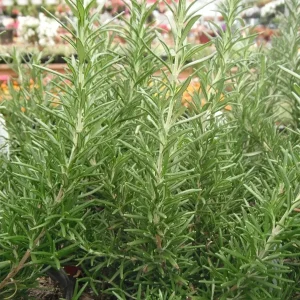
Rosemary Seeds – 50+ Non-GMO Heirloom Anthos Herb Seeds for Outdoor Planting
Cultivate fresh, aromatic rosemary with this pack of rosemary seeds. These non-gmo rosemary seeds are heirloom quality, perfect for starting your own herb garden. Enjoy the versatile culinary and fragrant benefits of this classic herb.
Original price was: $9.16.$4.58Current price is: $4.58.

With our Alive & Thrive Guarantee, we’ve got your back for the first 30 days! If you have any concerns about your plants, just reach out to us. Our team is here to help answer your questions and guide you in selecting the best plants for your garden, climate, and unique preferences. We're excited to help you create the garden of your dreams!
Estimated arrival
Apr 04
Apr 09 - Apr 11
Apr 14 - Apr 18


Product Details
-
USDA Hardiness Zone
Zones 5-10 -
Soil type
Loam, Sand (well-draining) -
Sunlight Exposure
Full Sun -
Expected Planting Period
Year-round indoors; Spring to early summer outdoors
Overview
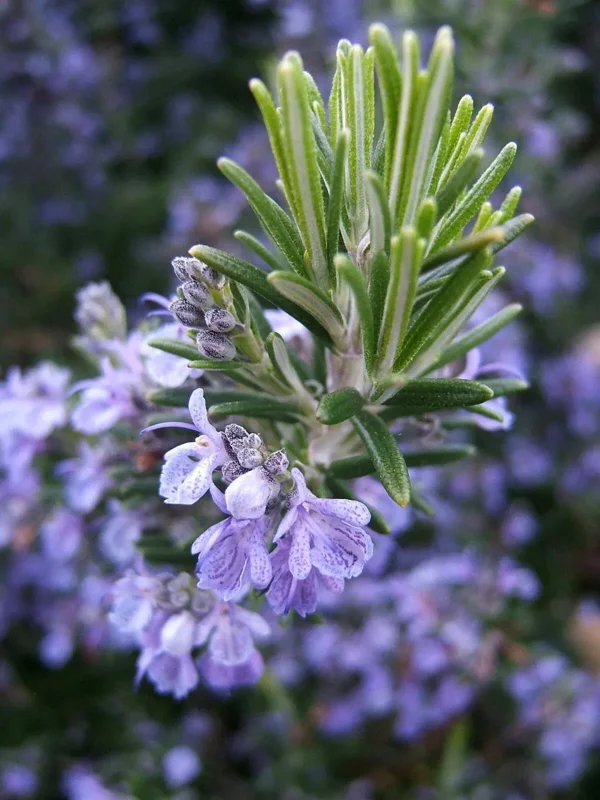
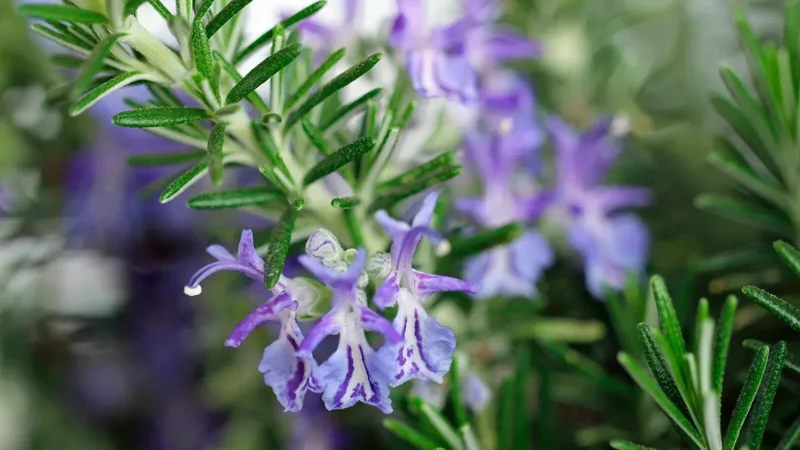
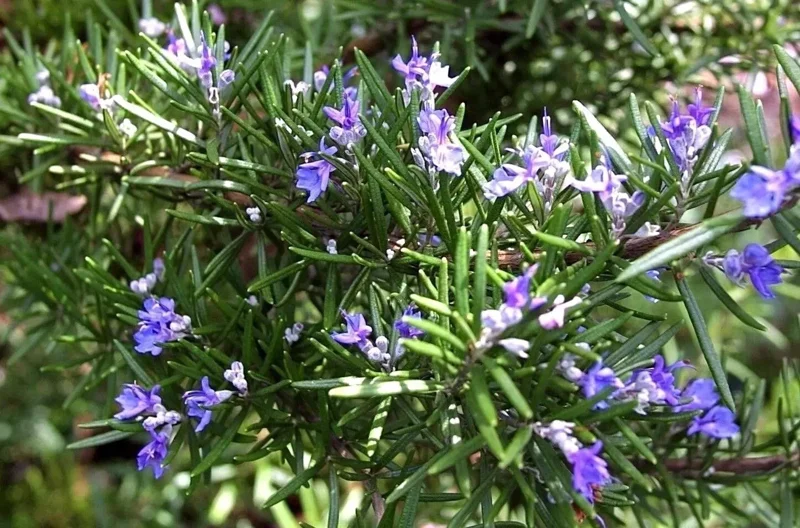
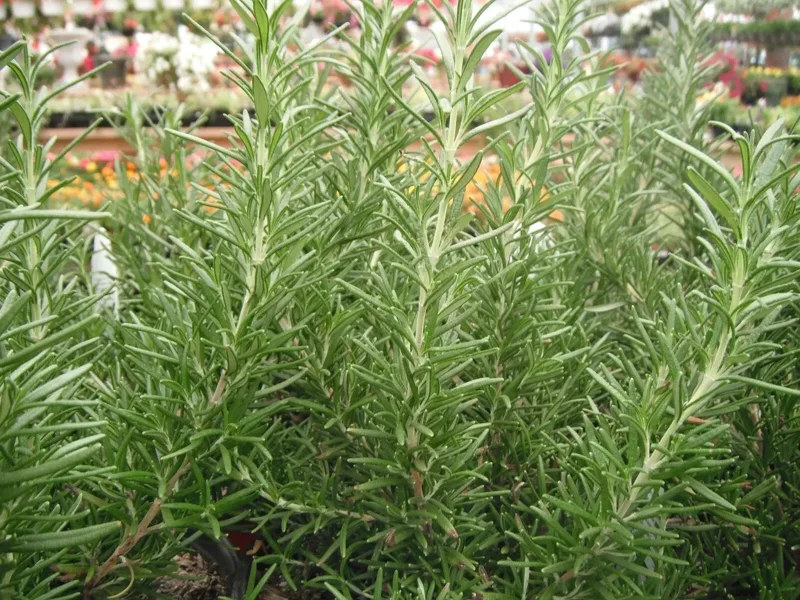
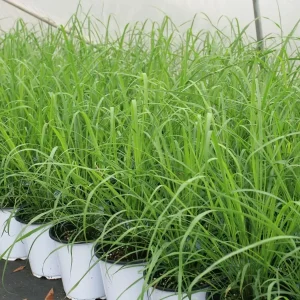
Embark on a rewarding gardening journey with our premium rosemary seeds. This offering provides 50+ non-GMO heirloom seeds of Rosmarinus officinalis, commonly known as Rosemary Herb or Sea Dew. These high-quality seeds are perfect for gardeners looking to cultivate their own aromatic and versatile herb. Rosemary is cherished for its distinct fragrance, culinary applications, and beautiful evergreen foliage. Growing rosemary from seed allows you to experience the full lifecycle of this remarkable plant, from a tiny sprout to a robust, clumping shrub. Our non-gmo rosemary seeds ensure a natural and healthy start for your garden, free from genetic modification, providing peace of mind for both you and your plants.
Known for its robust growth and delightful piney scent, rosemary is a Mediterranean native that thrives in various climates. These heirloom rosemary seeds promise plants with strong genetic traits, ensuring vigorous growth and a rich aroma. Whether you’re an experienced horticulturist or a budding gardener, these seeds offer a fulfilling project that culminates in a bountiful harvest of fresh rosemary. Its adaptability makes it a fantastic choice for many outdoor garden settings, providing year-round interest and utility.
Key Benefits
Cultivating rosemary from seed offers a multitude of advantages, enhancing your garden and culinary endeavors. These rosemary seeds are chosen for their quality and potential to produce healthy, vibrant plants that can be enjoyed for years.
- Aromatic Enhancement: The strong, pleasant scent of rosemary can invigorate your garden space, acting as a natural air freshener and even deterring some pests.
- Culinary Versatility: Fresh rosemary is an indispensable herb in countless dishes, from roasted meats and vegetables to breads and infused oils, adding a distinctive flavor.
- Medicinal and Wellness Properties: Historically, rosemary has been used for its potential health benefits, including supporting memory and improving digestion.
- Low Maintenance: Once established, rosemary plants are relatively drought-tolerant and require minimal care, making them ideal for busy gardeners.
- Perennial Growth: As a perennial herb, your rosemary plants will return year after year, providing a continuous supply of fresh leaves.
- Attractive Landscape Plant: With its evergreen foliage and clumping growth habit, rosemary makes an excellent addition to herb gardens, rock gardens, and borders.
- Supports Pollinators: When in bloom, rosemary flowers attract bees and other beneficial pollinators, contributing to a healthy ecosystem.
Plant Care & Growing Tips
Successfully growing rosemary seeds requires attention to a few key environmental factors. Rosemary thrives in conditions that mimic its native Mediterranean habitat. For optimal germination, sow seeds indoors 8-10 weeks before the last frost. Lightly cover the seeds with soil, as they require light to germinate. Maintain a consistent soil temperature of 70-80°F (21-27°C) and keep the soil moist but not waterlogged. Germination can be slow and erratic, sometimes taking up to 3 weeks or more, so patience is key when you grow rosemary.
Once seedlings are established and the danger of frost has passed, transplant them outdoors to a location that receives full sun, ideally 6-8 hours of direct sunlight per day. Rosemary prefers well-draining soil with a pH between 5.5 and 7.0. Sandy or loamy soil types are ideal. Avoid heavy clay soils, which can retain too much moisture and lead to root rot. Water moderately, allowing the soil to dry out between waterings. Overwatering is a common mistake. These plants are quite resilient to drought once mature. For best growth, consider a light application of balanced fertilizer once in the spring. Rosemary is a perennial and can withstand cold climates down to USDA Hardiness Zone 5, but in colder regions, it may benefit from winter protection or being brought indoors.
Pruning is essential for maintaining a healthy and bushy plant. Regular harvesting of the leaves for culinary use also encourages new growth. Watch out for common pests like aphids or spider mites, though rosemary is generally pest-resistant due to its strong aroma. Ensuring good air circulation and proper watering helps prevent fungal diseases. With proper care, your rosemary herb seeds will flourish into robust, aromatic plants.
Size & Details
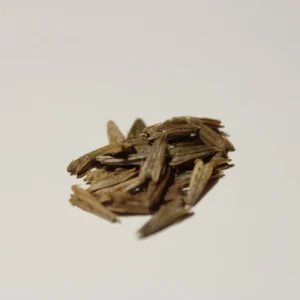
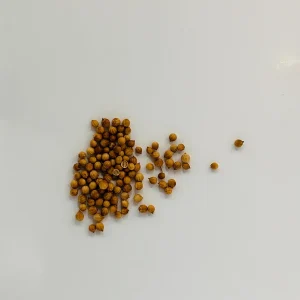
This offering includes 50+ high-quality rosemary seeds (Rosmarinus officinalis). These are heirloom variety seeds, meaning they will produce plants that are true to type and can be saved for future planting. Rosemary plants typically exhibit a clumping growth habit and can reach heights of 2-5 feet and similar widths when mature, depending on the variety and growing conditions. The seeds are suitable for outdoor cultivation in USDA Hardiness Zones 5-10, making them adaptable to a wide range of climates. Expected time to maturity for harvesting leaves is generally 3-6 months from germination, though plants will continue to grow and produce for many years as perennials. The seeds are provided in a protective packet, ensuring their viability upon arrival, ready for you to grow rosemary.
Frequently Asked Questions
- Q: How big does this rosemary plant get? A: Rosemary plants grown from these seeds typically reach a mature height of 2-5 feet and can spread equally wide, forming a dense, clumping shrub. Its size can be managed with regular pruning.
- Q: Is this an indoor or outdoor plant? A: Rosemary is primarily an outdoor plant, thriving in full sun. However, in colder climates (below USDA Zone 7), it can be successfully grown in containers and brought indoors during winter.
- Q: How much sunlight does it need? A: Rosemary requires at least 6-8 hours of direct sunlight per day to flourish. Full sun exposure is crucial for the best growth and aromatic oil production of these rosemary seeds.
- Q: What condition will the seeds arrive in? A: The non-gmo rosemary seeds will arrive in a sealed packet, protected from moisture and light, ensuring their viability for planting. They are ready to be sown upon receipt.
- Q: Can I use rosemary in cooking? A: Absolutely! Rosemary is a fantastic culinary herb, excellent for seasoning poultry, lamb, potatoes, and various Mediterranean dishes. These rosemary herb seeds will provide a fresh supply for your kitchen.
- Q: When is the best time to plant these rosemary seeds? A: For best results, start the seeds indoors 8-10 weeks before the last expected frost date in your area. This gives them a head start before transplanting outdoors in spring.
- Q: Will it survive winter in my zone? A: Rosemary is perennial and hardy in USDA Zones 5-10. In Zone 5-6, it may need winter protection or should be grown in pots and moved indoors to survive the coldest months.
- Q: Is this plant easy to care for? A: Once established, rosemary is considered a relatively low-maintenance herb. It requires well-draining soil and plenty of sun, and is quite drought-tolerant, making it suitable for gardeners of varying experience levels.
- Q: What type of soil is best for growing rosemary? A: Rosemary prefers well-draining, slightly acidic to neutral soil (pH 5.5-7.0). Sandy or loamy soil mixes are ideal, as they prevent waterlogging which can be detrimental to the plant.
- Q: Are these truly heirloom rosemary seeds? A: Yes, these are heirloom rosemary seeds, meaning they are open-pollinated and will produce plants that are consistent in characteristics, allowing you to save seeds from your harvest for future planting.
Related products

PLANTING & CARE

Growing Glencoe Raspberry: A Complete Guide for Gardeners
If you’re looking to add something unique to your garden, look no further than the
31
Mar
Mar

The Comprehensive Guide to Growing Bay Leaf Plants for a Flavorful Garden
Imagine stepping into your garden, greeted by the earthy aroma of fresh bay leaves, their
09
Feb
Feb

How to Make Comfrey Tea: The Ultimate Organic Plant Food
Growing an organic garden can be surprisingly expensive, especially when most store-bought fertilizers come in
02
Feb
Feb

True Comfrey: 7 Essential Tips Before You Plant This Herb
A staple in permaculture practices across the US, True Comfrey easily earns its reputation as
27
Jan
Jan

7 Heart-Shaped Plants for a Lasting Valentine’s Gift
If you’ve ever bought a bouquet of roses for Valentine’s Day, you know they are
26
Jan
Jan

Best Types of Ivy Plant for Houses: How to Choose the Perfect Ones for Your Home
Are you a garden lover looking to introduce some greenery into your home? Maybe you’ve
14
Nov
Nov

When to Harvest Garlic (Especially Fall-Planted Garlic)
TIMING IS EVERYTHING, they say – and for garlic, that truth hits with surprising accuracy.
13
Nov
Nov

11 of the Best Sweet Potato Varieties to Grow for Your Garden
If you’ve ever tried growing sweet potatoes, you know that picking the right variety can
12
Nov
Nov