Rosemary Seeds Non-GMO Heirloom – 50+ Seeds for Aromatic Herb Garden
-50%
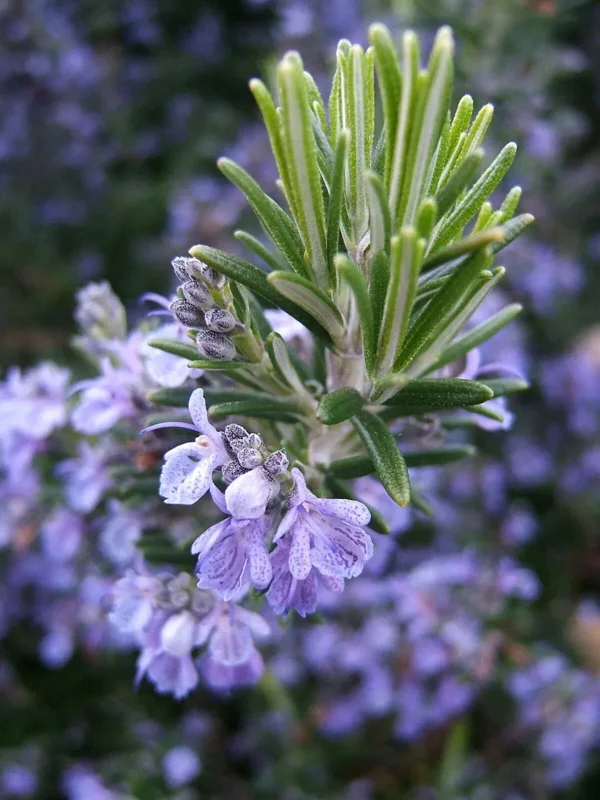
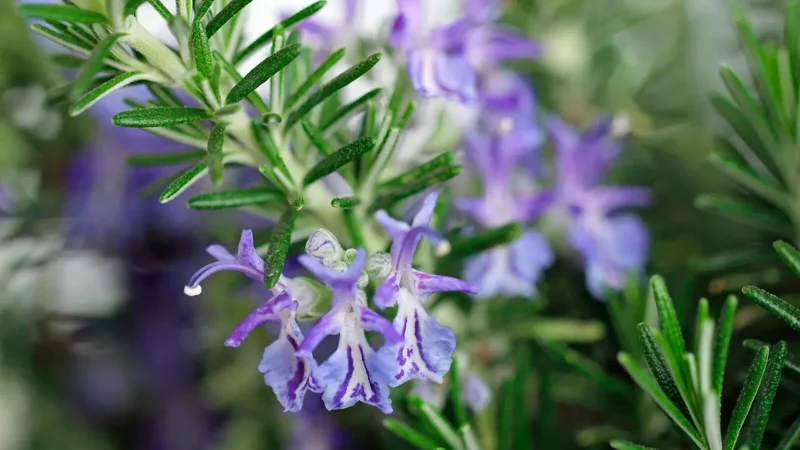
Rosemary Seeds Non-GMO Heirloom – 50+ Seeds for Aromatic Herb Garden
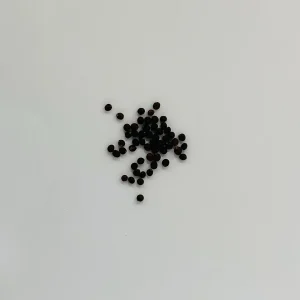
Cultivate your own fragrant herb garden with our premium rosemary seeds. This pack contains 50+ non-gmo heirloom seeds, perfect for growing robust rosemary plants. Enjoy fresh herbs for cooking and a beautiful, aromatic addition to your outdoor space.
Original price was: $9.16.$4.58Current price is: $4.58.

With our Alive & Thrive Guarantee, we’ve got your back for the first 30 days! If you have any concerns about your plants, just reach out to us. Our team is here to help answer your questions and guide you in selecting the best plants for your garden, climate, and unique preferences. We're excited to help you create the garden of your dreams!
Estimated arrival
Apr 03
Apr 08 - Apr 10
Apr 13 - Apr 17

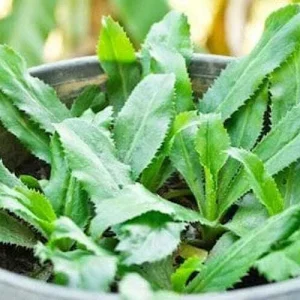
Product Details
-
USDA Hardiness Zone
Zones 5-10 -
Soil type
Loam, Sand -
Sunlight Exposure
Full Sun -
Expected Planting Period
Spring to early summer (indoors 8-10 weeks before last frost)
Overview
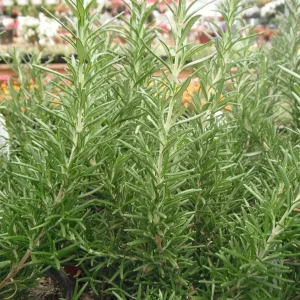
Embark on a rewarding gardening journey with our high-quality rosemary seeds. Each packet contains 50+ non-GMO heirloom seeds, offering a generous supply to start your very own aromatic herb patch. Rosemary, scientifically known as Rosmarinus officinalis, is a beloved perennial herb celebrated for its distinctive fragrance and culinary versatility. These seeds are perfect for gardeners looking to cultivate a robust and healthy crop of this essential herb, known for its culinary, medicinal, and ornamental uses. Growing your own rosemary from seed allows you to experience the full life cycle of this remarkable plant, from germination to harvest, ensuring you have fresh, organic rosemary at your fingertips.
Key Benefits
Growing your own rosemary plants from seed provides numerous advantages, enriching both your garden and your lifestyle. These benefits make cultivating rosemary seeds a truly rewarding endeavor:
-
Culinary Excellence: Fresh rosemary is an indispensable ingredient in many cuisines, enhancing the flavor of meats, vegetables, and breads. Having a steady supply means you can always add that fresh, pungent aroma to your dishes.
-
Aromatic Appeal: Rosemary plants release a delightful, pine-like fragrance that can invigorate your garden or patio space. This natural aroma is a treat for the senses and can even deter some garden pests.
-
Heirloom Quality: Our heirloom rosemary seeds are open-pollinated, meaning they will produce plants that are true to type, and you can save seeds from your harvest for future planting, preserving genetic diversity.
-
Non-GMO Assurance: These non-gmo seeds provide peace of mind, ensuring you are growing plants free from genetic modification, aligning with natural and organic gardening practices.
-
Medicinal Properties: Rosemary has a long history of use in traditional medicine, valued for its antioxidant and anti-inflammatory properties. It’s often used in essential oils and herbal remedies.
-
Drought Tolerance: Once established, rosemary is a remarkably hardy and drought-tolerant plant, making it a low-maintenance choice for many garden settings, especially in warmer climates.
-
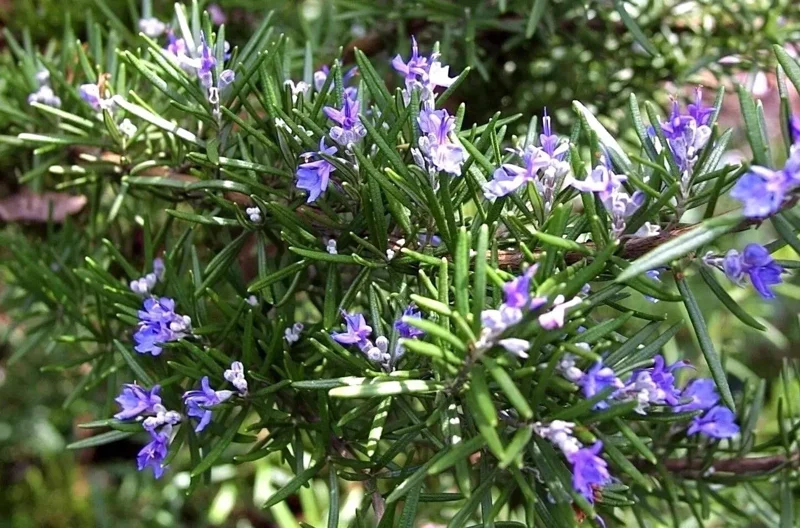
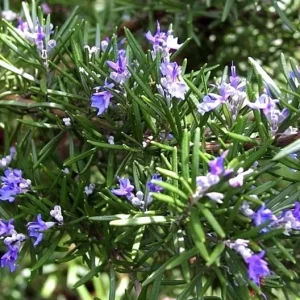
Attracts Pollinators: The small, delicate blue flowers of rosemary are attractive to bees and other beneficial pollinators, contributing to the biodiversity and health of your garden ecosystem.
Plant Care & Growing Tips
Successfully growing rosemary seeds requires attention to a few key conditions to ensure healthy germination and robust plant growth. Rosemary thrives in conditions that mimic its native Mediterranean climate. Start your seeds indoors 8-10 weeks before the last frost date. Sow seeds thinly on the surface of a well-draining seed starting mix and lightly cover with a thin layer of soil or vermiculite. Maintain a consistent temperature of 70-80°F for optimal germination, which can take up to 2-3 weeks. Keep the soil consistently moist but not waterlogged during this period.
Once seedlings have developed a few sets of true leaves, they can be transplanted into individual pots. Gradually harden off young plants for about a week before transplanting them outdoors. Choose a location with full sun, meaning at least 6-8 hours of direct sunlight per day. Rosemary prefers well-draining soil with a pH between 5.5 and 7.0; a sandy loam is ideal. Avoid heavy clay soils that retain too much moisture. Water established plants moderately, allowing the soil to dry out between waterings. Overwatering is a common cause of rosemary plant failure. Fertilize sparingly, as rosemary is not a heavy feeder. A balanced liquid fertilizer diluted to half strength can be applied every 4-6 weeks during the growing season. Protect plants from harsh winter conditions in colder climates (USDA Zones 5-10) by mulching heavily or bringing potted plants indoors. Regular pruning will encourage bushier growth and provide plenty of fresh sprigs for harvest. If you’re looking to grow rosemary successfully, these tips are crucial.
Size & Details
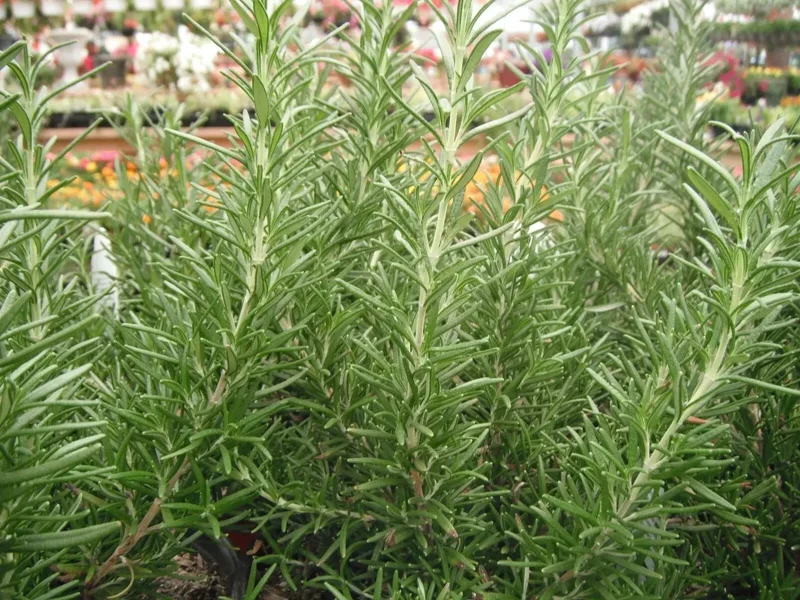
This offering includes 50+ premium rosemary seeds, ensuring you have ample opportunity to cultivate a thriving herb garden. These seeds are suitable for growing rosemary plants that typically reach a mature height of 2-4 feet and a similar spread, depending on growing conditions and pruning. As a perennial, rosemary will return year after year in suitable climates, offering a long-term supply of fragrant foliage. Expect your plants to establish within the first growing season, with significant growth and harvest opportunities in subsequent years. The seeds are ideal for starting plants in 4-inch nursery pots before transplanting to their final outdoor location or larger containers. This particular variety of aromatic herb seeds provides robust growth and excellent flavor.
Frequently Asked Questions
-
Q: How many rosemary seeds are included in this packet? A: Each packet contains 50+ premium rosemary seeds, providing a generous quantity for your planting needs. This allows for multiple plantings or sharing with fellow gardeners.
-
Q: Is this an heirloom rosemary variety? A: Yes, these are heirloom seeds, meaning they are open-pollinated and will produce plants that are true to type. You can save seeds from your mature plants to grow more next season.
-
Q: Are these non-gmo seeds? A: Absolutely. These rosemary seeds are certified non-GMO, ensuring you are growing natural and wholesome plants free from genetic modification.
-
Q: What are the ideal growing conditions to grow rosemary successfully? A: Rosemary thrives in full sun (6-8 hours daily) and well-draining soil. It prefers a slightly acidic to neutral pH (5.5-7.0) and moderate watering, allowing the soil to dry out between applications.
-
Q: Is rosemary an indoor or outdoor plant? A: Rosemary can be grown both indoors and outdoors. It typically thrives outdoors in USDA Zones 5-10. In colder climates, it can be grown as an annual or brought indoors during winter.
-
Q: How long does it take for rosemary seeds to germinate? A: Germination can take anywhere from 14 to 21 days, sometimes longer. Patience is key, and maintaining consistent warmth and moisture will aid the process.
-
Q: Can I use the rosemary from these plants for cooking? A: Yes, absolutely! These aromatic herb seeds will produce plants perfect for culinary use, adding a fresh, distinctive flavor to your favorite dishes.
-
Q: What USDA Hardiness Zones are suitable for growing rosemary? A: Rosemary is generally hardy in USDA Zones 5-10. In zones 5-7, it may require winter protection or be grown in containers that can be moved indoors.
-
Q: What kind of soil is best for rosemary? A: Rosemary prefers a well-draining, sandy loam soil. It does not tolerate heavy, waterlogged soils, which can lead to root rot.
-
Q: How often should I water my rosemary plant? A: Water moderately, allowing the top inch or two of soil to dry out completely between waterings. Established plants are quite drought-tolerant.
Related products

-50%
From Original price was: $64.00.$32.00Current price is: $32.00.
-50%
Original price was: $32.00.$16.00Current price is: $16.00.
-50%
Original price was: $32.00.$16.00Current price is: $16.00.
-50%
Original price was: $32.00.$16.00Current price is: $16.00.
PLANTING & CARE

Growing Glencoe Raspberry: A Complete Guide for Gardeners
If you’re looking to add something unique to your garden, look no further than the
31
Mar
Mar

The Comprehensive Guide to Growing Bay Leaf Plants for a Flavorful Garden
Imagine stepping into your garden, greeted by the earthy aroma of fresh bay leaves, their
09
Feb
Feb

How to Make Comfrey Tea: The Ultimate Organic Plant Food
Growing an organic garden can be surprisingly expensive, especially when most store-bought fertilizers come in
02
Feb
Feb

True Comfrey: 7 Essential Tips Before You Plant This Herb
A staple in permaculture practices across the US, True Comfrey easily earns its reputation as
27
Jan
Jan

7 Heart-Shaped Plants for a Lasting Valentine’s Gift
If you’ve ever bought a bouquet of roses for Valentine’s Day, you know they are
26
Jan
Jan

Best Types of Ivy Plant for Houses: How to Choose the Perfect Ones for Your Home
Are you a garden lover looking to introduce some greenery into your home? Maybe you’ve
14
Nov
Nov

When to Harvest Garlic (Especially Fall-Planted Garlic)
TIMING IS EVERYTHING, they say – and for garlic, that truth hits with surprising accuracy.
13
Nov
Nov

11 of the Best Sweet Potato Varieties to Grow for Your Garden
If you’ve ever tried growing sweet potatoes, you know that picking the right variety can
12
Nov
Nov