Royal Fern (Osmunda Regalis) Bare-root Plant – Deciduous Wetland Fern
-50%
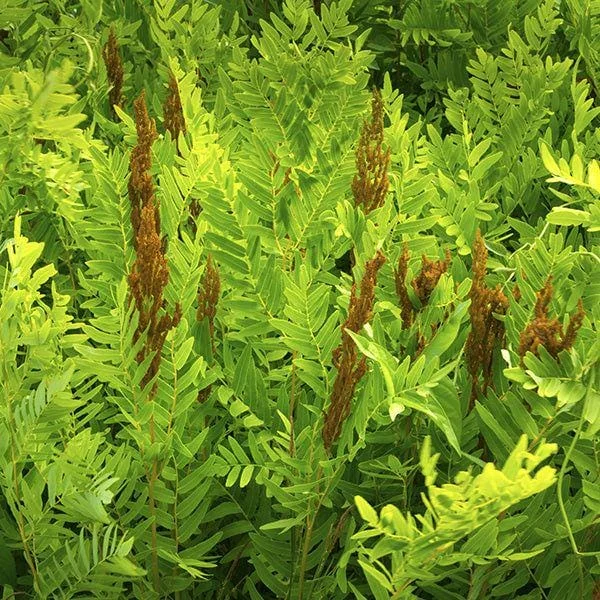
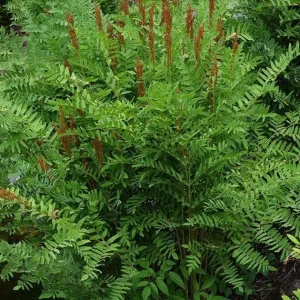
Royal Fern (Osmunda Regalis) Bare-root Plant – Deciduous Wetland Fern
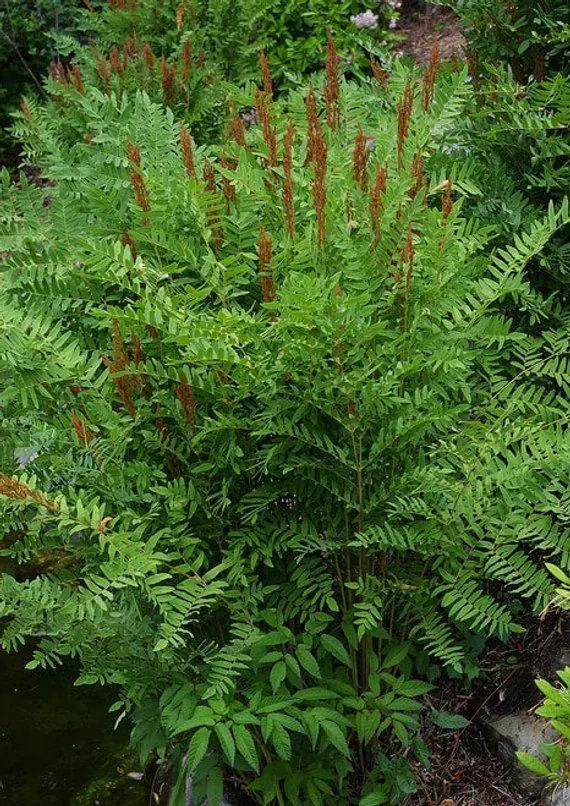
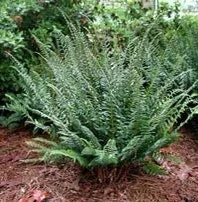
Bring regal beauty to your garden with the royal fern bare-root (Osmunda regalis). This stunning deciduous fern, also known as regal fern for sale, thrives in moist, wetland environments, offering unique texture and rusty-colored spores. Perfect for bog gardens or stream banks, it’s an excellent choice for a naturalized landscape.
From Original price was: $79.60.$39.80Current price is: $39.80.

With our Alive & Thrive Guarantee, we’ve got your back for the first 30 days! If you have any concerns about your plants, just reach out to us. Our team is here to help answer your questions and guide you in selecting the best plants for your garden, climate, and unique preferences. We're excited to help you create the garden of your dreams!
Estimated arrival
Apr 05
Apr 10 - Apr 12
Apr 15 - Apr 19
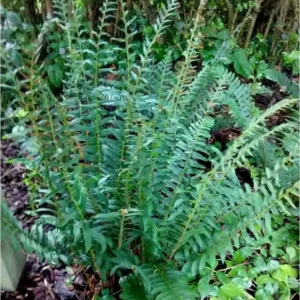


Product Details
-
USDA Hardiness Zone
USDA Zones 3-9 -
Soil type
Moist, rich, organic, slightly acidic to neutral soil -
Sunlight Exposure
Partial to Full Shade -
Expected Planting Period
Early spring or early fall
Overview
Introduce a touch of natural elegance to your landscape with the royal fern bare-root plant. Also known by its botanical name, Osmunda regalis, this majestic fern is a tall, deciduous variety celebrated for its striking appearance and resilience in moist environments. The Royal Fern, or osmunda regalis plant, is particularly noted for its fertile fronds that culminate in distinctive clusters of rusty-colored spores, often likened to a ‘crown,’ giving rise to its common name. This bare-root specimen offers an economical and effective way to establish this beautiful plant in your garden, ready to unfurl its grand fronds and add a lush, prehistoric feel to your outdoor space. Ideal for boggy areas, stream banks, and other wetlands, the Royal Fern is a true spectacle of nature.
The family name, Osmundaceae, has a fascinating, albeit unclear, origin, with one popular theory linking it to Osmunder, the Saxon name for the Norse god Thor. The species name ‘regalis’ is derived from Latin, meaning “royal” or “regal,” perfectly encapsulating the plant’s stately presence. Other common names for this impressive fern include Flowering Fern, American Royal Fern, and King Fern, all hinting at its magnificent stature and unique characteristics. As a deciduous fern, it offers seasonal interest, dying back in winter and re-emerging with fresh, vibrant growth in spring.
Key Benefits
The royal fern bare-root offers a multitude of benefits for the discerning gardener, especially those with wetland areas or a desire for dramatic foliage. Its unique characteristics make it a standout addition to various landscape designs. This osmunda regalis plant is not just visually appealing; it’s also a robust and adaptable species.
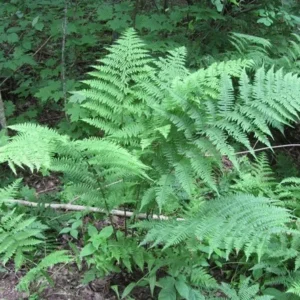
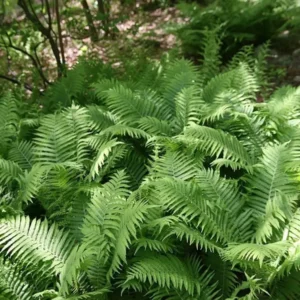
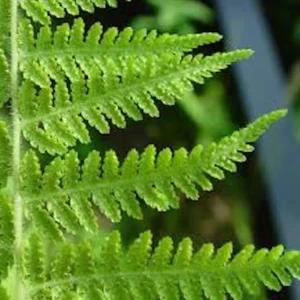
- Dramatic Foliage & Texture: The Royal Fern boasts large, bipinnate fronds that can reach impressive heights, providing a lush, architectural element to the garden. Its rich green color and unique texture add depth and visual interest, especially in shaded or semi-shaded areas.
- Unique Reproductive Structures: One of its most distinctive features is the fertile fronds topped with rusty-colored spore clusters, resembling a “flower” or a crown. This characteristic sets it apart from many other ferns and contributes to its regal name.
- Adaptable to Moist Environments: Thriving in wet conditions, this fern is perfect for areas with poor drainage, such as alongside ponds, streams, or in bog gardens. It’s an excellent choice for naturalizing wetland landscapes where other plants might struggle.
- Low Maintenance Once Established: Once settled in a suitable location, the wetland fern care requirements are minimal. It generally requires consistent moisture and a bit of shade, making it a relatively easy-care plant for specific garden types.
- Naturalizes Beautifully: The Royal Fern has a tendency to spread gently in ideal conditions, creating impressive colonies over time. This makes it a fantastic plant for creating a natural, woodland feel or for erosion control in damp areas.
- Historical and Botanical Interest: With its ancient lineage and fascinating etymology, planting an osmunda regalis plant connects your garden to a rich botanical history, offering a conversation starter and a deeper appreciation for plant life.
- Wildlife Attraction: While not a primary food source, the dense foliage can offer shelter for small wildlife and insects, contributing to the biodiversity of your garden environment.
Plant Care & Growing Tips
Proper wetland fern care is crucial for establishing a healthy and thriving royal fern bare-root. These magnificent ferns prefer consistently moist to wet conditions, mimicking their natural habitat along stream banks, in swamps, and fens. When planting your osmunda regalis plant, choose a location that receives partial to full shade. While they can tolerate some morning sun, intense afternoon sun can scorch their fronds, especially in warmer climates. Dappled shade under deciduous trees is often ideal, providing protection from the harshest rays while allowing some light to filter through.
The key to successful growth for this deciduous fern lies in consistent moisture. The soil should never be allowed to dry out completely. If your garden doesn’t naturally have boggy conditions, you may need to amend the soil with plenty of organic matter, such as compost or peat moss, to improve its water-holding capacity. Good drainage is also important to prevent waterlogging, so ensure the site allows water to move through slowly rather than sitting stagnant. A slightly acidic to neutral soil pH is preferred. Fertilization is generally not heavily required; a light application of a balanced, slow-release granular fertilizer in early spring can be beneficial, but over-fertilizing can harm the plant. Monitor for common garden pests, though Royal Ferns are generally quite resistant.
Regarding temperature, the Royal Fern is quite hardy, typically thriving in USDA Zones 3-9. It is a deciduous fern, meaning its fronds will die back to the ground in colder months, only to re-emerge with renewed vigor in spring. Mulching around the base in late fall can help protect the crown during harsh winters and retain soil moisture in summer. Ensure that the bare-root plant is kept moist from the moment it arrives until it is planted. Dig a hole wide enough to accommodate the roots spread out, and deep enough so that the crown (where the roots meet the stem) is level with the soil surface. Water thoroughly after planting to settle the soil around the roots.
Size & Details
The royal fern bare-root is supplied as a dormant, live plant, ready for planting to establish itself in your garden. When mature, the osmunda regalis plant can reach impressive dimensions, typically growing between 2 to 6 feet tall and spreading 2 to 3 feet wide, making it a significant presence in the landscape. Its growth rate is moderate, gradually expanding to form a lush clump. The bare-root form allows for robust establishment as the plant focuses its energy on developing a strong root system upon planting. Expect to see initial growth within a few weeks of planting, with the fronds gradually unfurling to their full glory. This wetland fern care is essential to ensure it reaches its full potential.
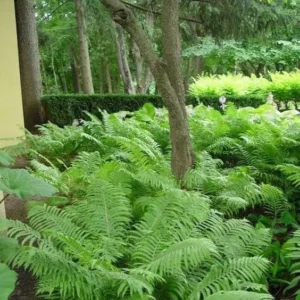
This deciduous fern will provide seasonal interest, with vibrant green fronds emerging in spring and often developing lovely golden-brown hues in the fall before dying back for winter. The distinct fertile fronds, crowned with their rusty spore clusters, appear in late spring to early summer. It is an ideal specimen for creating a naturalized look in a woodland garden, beside a water feature, or in a dedicated bog garden. The bare-root method of shipping ensures a healthy start, allowing the plant to acclimate quickly to its new environment. For those seeking a stately and resilient fern, the regal fern for sale is an excellent choice.
Frequently Asked Questions
- Q: How big does this plant get? A: The royal fern bare-root typically grows to an impressive height of 2 to 6 feet and can spread 2 to 3 feet wide at maturity, creating a significant presence in your garden. Its size makes it a focal point in appropriate settings.
- Q: Is this an indoor or outdoor plant? A: The Royal Fern (osmunda regalis plant) is an outdoor plant that thrives in wetland environments. It is not suitable for indoor cultivation due to its specific light, humidity, and moisture requirements.
- Q: How much sunlight does it need? A: This deciduous fern prefers partial to full shade. While it can tolerate some morning sun, it should be protected from harsh afternoon sun to prevent scorching of its fronds.
- Q: Is this plant easy to care for? A: Once established in a suitable, consistently moist location, the Royal Fern is relatively low-maintenance. Its primary requirement is consistent moisture, making wetland fern care straightforward for the right garden conditions.
- Q: What condition will it arrive in? A: Your Royal Fern will arrive as a dormant bare-root plant. This means it will not have soil or foliage, but a healthy root system ready to be planted and begin new growth.
- Q: When is the best time to plant a bare-root royal fern? A: The ideal time to plant a regal fern for sale bare-root is in early spring, after the last frost, or in early fall. This allows the plant to establish its root system before extreme temperatures.
- Q: Will it survive winter in my zone? A: The Royal Fern is quite hardy and is generally suitable for USDA Zones 3-9. As a deciduous fern, its fronds will die back in winter, but the crown will survive and send up new growth in spring.
- Q: What type of soil does it prefer? A: This fern thrives in consistently moist to wet, rich, organic soil. It prefers slightly acidic to neutral pH and can tolerate boggy conditions, making it an excellent wetland fern care choice.
- Q: How long until it shows new growth after planting? A: With proper planting and consistent moisture, you can typically expect to see new fronds emerging from your royal fern bare-root within a few weeks to a month after planting in spring.
- Q: Can I divide my Royal Fern? A: Yes, mature clumps of osmunda regalis plant can be divided in early spring before new growth appears. This is a good way to propagate the fern and manage its spread in your garden.
| Royal fern | 10, 3, 5 |
|---|
Related products
-20%
Original price was: $37.98.$30.38Current price is: $30.38.
-20%
Original price was: $76.00.$60.80Current price is: $60.80.
-20%
Original price was: $24.98.$19.98Current price is: $19.98.
-50%
From Original price was: $87.60.$43.80Current price is: $43.80.
-50%
Original price was: $65.98.$32.99Current price is: $32.99.
-20%
Original price was: $19.98.$15.98Current price is: $15.98.
-20%
Original price was: $45.98.$36.78Current price is: $36.78.
-50%

From Original price was: $87.60.$43.80Current price is: $43.80.
PLANTING & CARE

Growing Glencoe Raspberry: A Complete Guide for Gardeners
If you’re looking to add something unique to your garden, look no further than the
31
Mar
Mar

The Comprehensive Guide to Growing Bay Leaf Plants for a Flavorful Garden
Imagine stepping into your garden, greeted by the earthy aroma of fresh bay leaves, their
09
Feb
Feb

How to Make Comfrey Tea: The Ultimate Organic Plant Food
Growing an organic garden can be surprisingly expensive, especially when most store-bought fertilizers come in
02
Feb
Feb

True Comfrey: 7 Essential Tips Before You Plant This Herb
A staple in permaculture practices across the US, True Comfrey easily earns its reputation as
27
Jan
Jan

7 Heart-Shaped Plants for a Lasting Valentine’s Gift
If you’ve ever bought a bouquet of roses for Valentine’s Day, you know they are
26
Jan
Jan

Best Types of Ivy Plant for Houses: How to Choose the Perfect Ones for Your Home
Are you a garden lover looking to introduce some greenery into your home? Maybe you’ve
14
Nov
Nov

When to Harvest Garlic (Especially Fall-Planted Garlic)
TIMING IS EVERYTHING, they say – and for garlic, that truth hits with surprising accuracy.
13
Nov
Nov

11 of the Best Sweet Potato Varieties to Grow for Your Garden
If you’ve ever tried growing sweet potatoes, you know that picking the right variety can
12
Nov
Nov