Russell Lupine Flower Seeds – 50+ Mixed Colors Perennial – Outdoor Garden
-50%



Russell Lupine Flower Seeds – 50+ Mixed Colors Perennial – Outdoor Garden
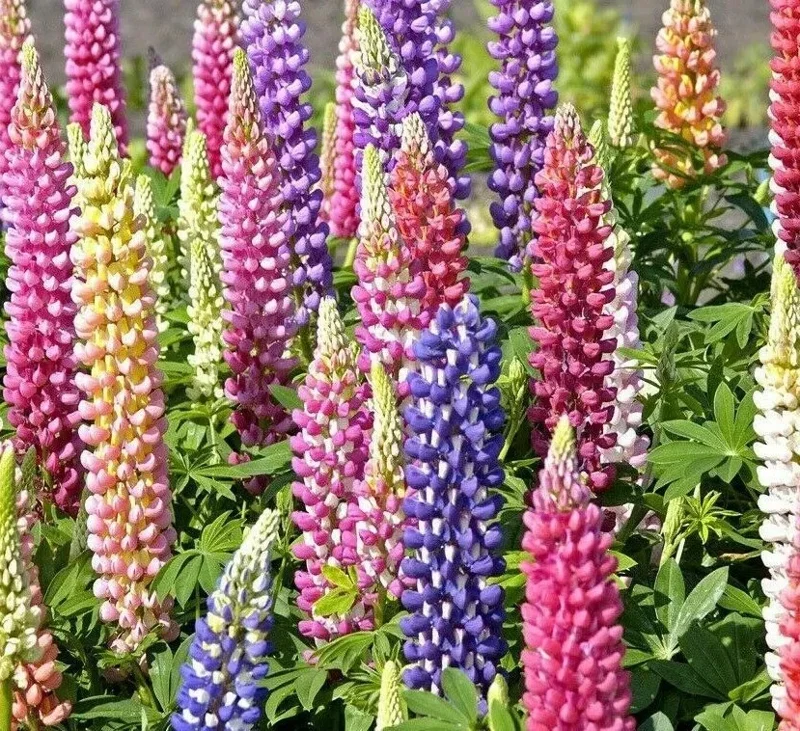
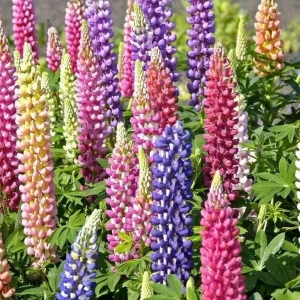
Cultivate a stunning display with these Russell Lupine seeds, offering 50+ mixed colors for a vibrant perennial garden. These lupinus flower seeds are easy to grow and ideal for adding dramatic spires of color to outdoor landscapes, attracting pollinators and enhancing curb appeal.
Original price was: $8.60.$4.30Current price is: $4.30.

With our Alive & Thrive Guarantee, we’ve got your back for the first 30 days! If you have any concerns about your plants, just reach out to us. Our team is here to help answer your questions and guide you in selecting the best plants for your garden, climate, and unique preferences. We're excited to help you create the garden of your dreams!
Estimated arrival
Apr 04
Apr 09 - Apr 11
Apr 14 - Apr 18


Product Details
-
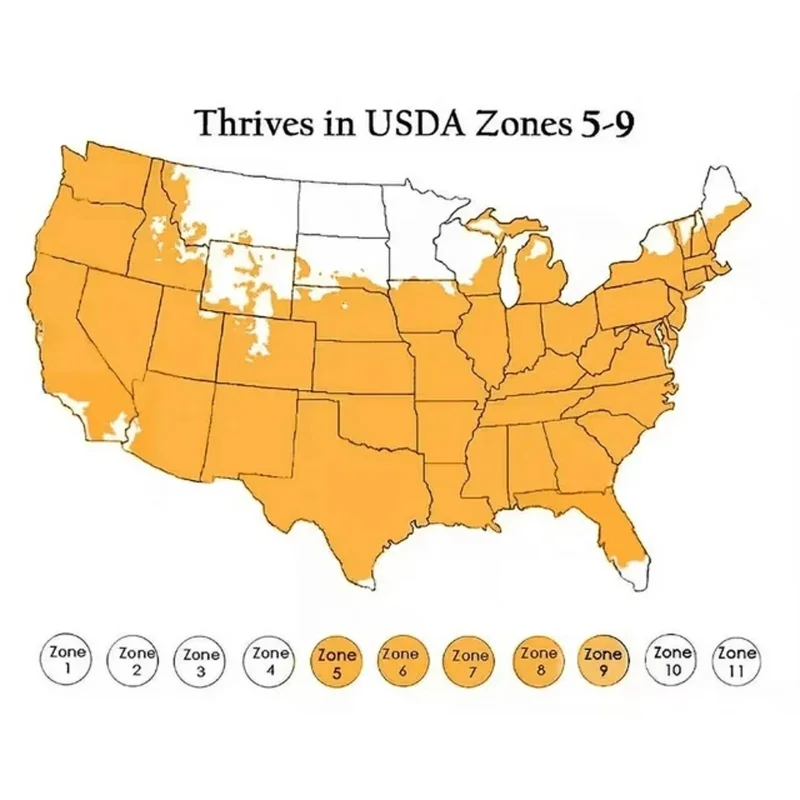
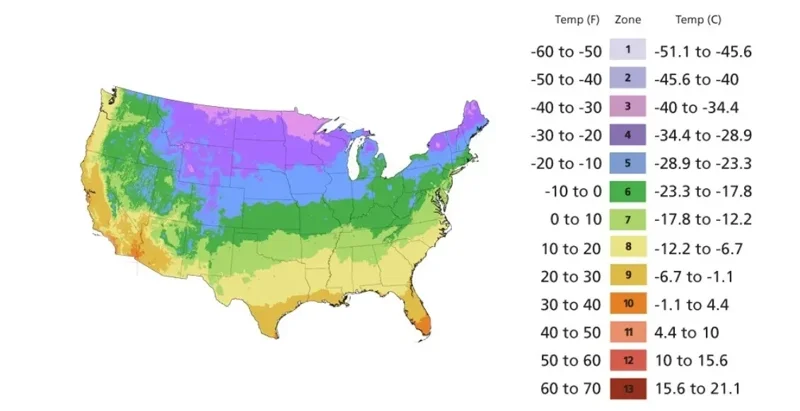
USDA Hardiness Zone
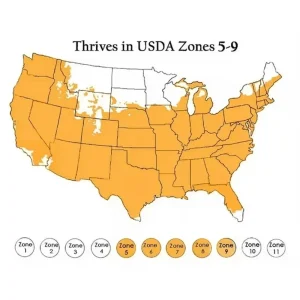
USDA zones 4-8 -
Soil type
Well-draining, neutral to slightly acidic soil -
Sunlight Exposure
Full Sun, Medium Sun -
Expected Planting Period
Early spring or late fall
Overview
Introduce a kaleidoscope of color to your garden with our premium Russell Lupine seeds. This offering provides 50+ seeds of mixed colors, ensuring a diverse and breathtaking display of these beloved perennial flowers. Known for their striking, towering spires of densely packed blooms, Russell Lupines are a classic choice for cottage gardens, borders, and naturalized areas. Each seed promises to grow into a robust plant, producing flowers in a delightful array of shades, from soft pastels to bold, vibrant tones. These lupinus flower seeds are an excellent addition for gardeners seeking both beauty and ease of cultivation, making them a popular choice for both novices and experienced green thumbs. Their distinctive appearance and long blooming season make them a focal point in any outdoor setting.
Key Benefits
Planting these Russell Lupine seeds offers numerous advantages, transforming your garden into a haven of natural beauty and ecological activity. Enjoy the visual spectacle and the positive impact these delightful perennials bring.
- Vibrant Mixed Colors: Each packet contains 50+ seeds promising a stunning variety of hues, creating a dynamic and colorful garden display. This mix ensures a unique and captivating visual experience as each plant unfurls its distinct shades.
- Attracts Pollinators: The nectar-rich flowers of the perennial lupine are a magnet for bees, butterflies, and hummingbirds, contributing to a healthy garden ecosystem and supporting local wildlife. This makes your garden a lively and buzzing space.
- Dramatic Vertical Interest: With their tall, stately flower spikes, Russell Lupines add significant vertical dimension and structure to garden beds and borders, creating an impressive backdrop or focal point. Their height makes them stand out beautifully.
- Perennial Durability: As a perennial, these lupines return year after year, providing continuous beauty with minimal effort once established. This long-lasting nature means less replanting and more enjoyment for seasons to come.
- Easy to Grow: Known for being a relatively easy plant to cultivate from seed, they are suitable for gardeners of all experience levels. Simple instructions help ensure successful germination and growth, making it a rewarding endeavor to learn how to grow lupine.
- Excellent Cut Flowers: The elegant flower spikes make beautiful additions to floral arrangements, bringing the charm of your garden indoors. They have a good vase life, allowing you to enjoy their beauty longer.
- Soil Improvement: As members of the legume family, lupines fix nitrogen in the soil, naturally improving its fertility over time. This makes them beneficial companions for other plants in your garden.
Plant Care & Growing Tips
Successful cultivation of your Russell Lupine seeds begins with proper planting and ongoing care. These resilient perennials thrive in specific conditions, and understanding their needs will ensure a bountiful and beautiful bloom season. For optimal growth, sow lupinus flower seeds in well-draining soil, as they are susceptible to root rot in waterlogged conditions. A neutral to slightly acidic soil pH is ideal. Prior to planting, consider scarifying the seeds (gently nicking the seed coat) and soaking them in warm water for 24 hours to improve germination rates. Plant seeds about 1/4 inch deep and 6-12 inches apart.
Russell Lupines prefer a location with full sun to medium sun exposure, meaning at least 6 hours of direct sunlight per day. While they can tolerate some partial shade, especially in hotter climates, too much shade can lead to leggy growth and fewer blooms. Once established, these perennial lupine plants are relatively drought-tolerant, but consistent medium watering is crucial during dry spells, especially when the plants are young or flowering. Avoid overhead watering to prevent fungal diseases. Fertilize sparingly; due to their nitrogen-fixing abilities, excessive nitrogen can lead to lush foliage at the expense of flowers. A balanced, low-nitrogen fertilizer can be applied in early spring if needed. Deadheading spent flower stalks can encourage a second flush of blooms and prevent self-seeding. These plants are generally hardy in USDA zones 4-8. They are clumping in growth habit and can be divided every few years in early spring or fall to maintain vigor. Learning how to grow lupine successfully means providing these key environmental factors.
Size & Details
Each packet contains 50+ mixed color lupine seeds, providing ample opportunity to cultivate a vibrant and diverse patch of these stunning perennials. When mature, Russell Lupine plants typically reach a height of 2 to 3 feet and a spread of about 1 to 2 feet, forming attractive clumps. The impressive flower spikes can add significant vertical interest to your garden design. These seeds are harvested fresh for the 2025 season, ensuring high viability and vigorous growth. They are suitable for outdoor planting and will establish themselves as a long-lasting feature in your garden. The seeds are shipped in a protective packet, ready for planting upon arrival. Expect germination within 10-20 days under optimal conditions, with flowering typically occurring in late spring to early summer in their second year of growth. These plants are known for their easy cultivation, making them a rewarding choice for gardeners of all skill levels.
Frequently Asked Questions
- Q: How big do Russell Lupines get? A: Mature Russell Lupine plants typically grow to be about 2 to 3 feet tall and spread 1 to 2 feet wide, forming an attractive clumping habit. Their flower spikes add significant vertical drama to the garden.
- Q: Is this an indoor or outdoor plant? A: These Russell Lupine seeds are intended for outdoor cultivation. They thrive in garden beds, borders, and naturalized areas, preferring open spaces with good air circulation.
- Q: How much sunlight does a perennial lupine need? A: Russell Lupines perform best in full sun to medium sun, requiring at least 6 hours of direct sunlight daily for optimal flowering. They can tolerate some partial shade, especially in regions with intense summer heat.
- Q: Is this plant easy to care for? A: Yes, Russell Lupines are considered relatively easy to grow from seed, particularly if you follow basic planting and care guidelines. They require well-draining soil and consistent moisture during establishment.
- Q: What condition will the seeds arrive in? A: The seeds will arrive in a protective packet, ensuring their freshness and viability. They are ready for planting as soon as conditions are suitable.
- Q: How long until lupines bloom from seed? A: While germination typically occurs within 10-20 days, Russell Lupines usually bloom in their second year of growth when grown from seed. They establish a strong root system in the first year.
- Q: What is the best time to plant Russell Lupine seeds? A: The ideal time to sow these seeds is in early spring after the last frost, or in late fall for germination the following spring. This allows them to establish before extreme temperatures.
- Q: What kind of soil do lupines prefer? A: Lupines prefer well-draining soil that is neutral to slightly acidic. They do not tolerate heavy, waterlogged soils, which can lead to root rot.
- Q: Do these mixed color lupine flowers attract pollinators? A: Absolutely! Russell Lupines are excellent for attracting a variety of pollinators, including bees, butterflies, and hummingbirds, due to their abundant, nectar-rich flowers.
- Q: Can I save seeds from my lupine plants? A: Yes, you can collect seeds from your lupine plants once the pods have dried and turned brown. However, be aware that future generations of mixed color lupine may not come true to the parent plant due to cross-pollination.
Related products
-50%
Original price was: $23.96.$11.98Current price is: $11.98.
-50%

Original price was: $7.98.$3.98Current price is: $3.98.
-15%
From Original price was: $16.00.$13.60Current price is: $13.60.
-15%
From Original price was: $28.00.$23.80Current price is: $23.80.
-50%


Original price was: $19.16.$9.58Current price is: $9.58.
-50%

Original price was: $23.96.$11.98Current price is: $11.98.
-50%
Original price was: $23.96.$11.98Current price is: $11.98.
-50%
Original price was: $23.96.$11.98Current price is: $11.98.
PLANTING & CARE

Growing Glencoe Raspberry: A Complete Guide for Gardeners
If you’re looking to add something unique to your garden, look no further than the
31
Mar
Mar

The Comprehensive Guide to Growing Bay Leaf Plants for a Flavorful Garden
Imagine stepping into your garden, greeted by the earthy aroma of fresh bay leaves, their
09
Feb
Feb

How to Make Comfrey Tea: The Ultimate Organic Plant Food
Growing an organic garden can be surprisingly expensive, especially when most store-bought fertilizers come in
02
Feb
Feb

True Comfrey: 7 Essential Tips Before You Plant This Herb
A staple in permaculture practices across the US, True Comfrey easily earns its reputation as
27
Jan
Jan

7 Heart-Shaped Plants for a Lasting Valentine’s Gift
If you’ve ever bought a bouquet of roses for Valentine’s Day, you know they are
26
Jan
Jan

Best Types of Ivy Plant for Houses: How to Choose the Perfect Ones for Your Home
Are you a garden lover looking to introduce some greenery into your home? Maybe you’ve
14
Nov
Nov

When to Harvest Garlic (Especially Fall-Planted Garlic)
TIMING IS EVERYTHING, they say – and for garlic, that truth hits with surprising accuracy.
13
Nov
Nov

11 of the Best Sweet Potato Varieties to Grow for Your Garden
If you’ve ever tried growing sweet potatoes, you know that picking the right variety can
12
Nov
Nov