Russet Potato Seeds – 70 True Heirloom Seeds, Outdoor Planting
-48%


Russet Potato Seeds – 70 True Heirloom Seeds, Outdoor Planting
Start your own delicious harvest with Russet potato seeds! This pack contains 70 true potato seeds, offering a unique and sustainable way to grow Russet potatoes outdoors. Discover genetic diversity and robust plants.
Original price was: $28.99.$14.99Current price is: $14.99.

With our Alive & Thrive Guarantee, we’ve got your back for the first 30 days! If you have any concerns about your plants, just reach out to us. Our team is here to help answer your questions and guide you in selecting the best plants for your garden, climate, and unique preferences. We're excited to help you create the garden of your dreams!
Estimated arrival
Mar 31
Apr 05 - Apr 07
Apr 10 - Apr 14


Product Details
-
USDA Hardiness Zone
unknown -
Soil type
loose, well-draining, rich in organic matter -
Sunlight Exposure
full sun -
Expected Planting Period
spring after last frost (started indoors 8-10 weeks prior)
Overview
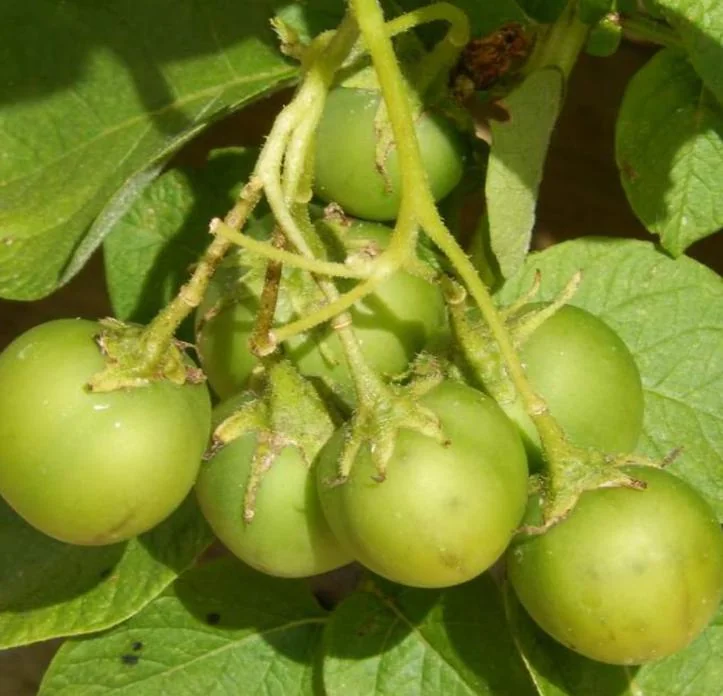
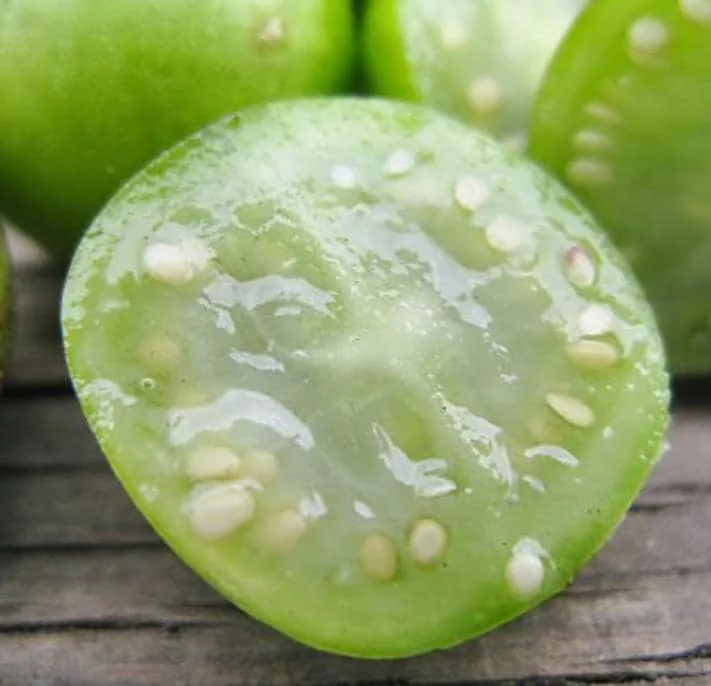
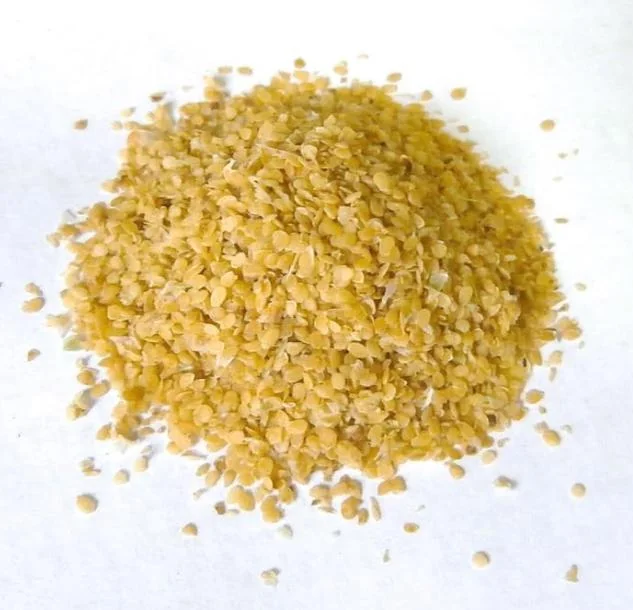
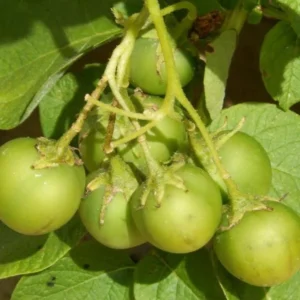
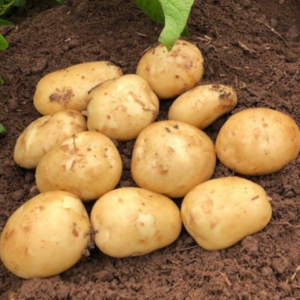
Embark on a rewarding gardening journey by cultivating your own flavorful potatoes from seed. This offering provides Russet potato seeds, specifically 70 true potato seeds, not tubers. True potato seeds (TPS) are a fascinating way to cultivate potatoes, allowing for genetic diversity and often more robust plants. Unlike planting potato pieces, growing from true seeds can lead to new and exciting varieties, offering a fresh perspective on a classic garden staple. Our heirloom potato seeds ensure you’re starting with a legacy of robust genetics, perfect for the home gardener looking for a unique and satisfying harvest. These seeds are a fantastic choice for anyone interested in the full life cycle of their favorite vegetables and offer a sustainable way to keep your garden well-stocked with delicious produce.
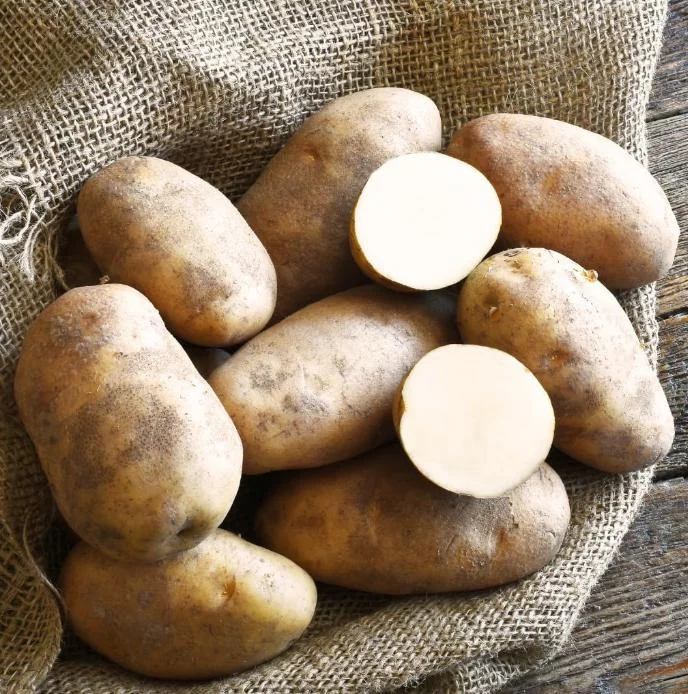
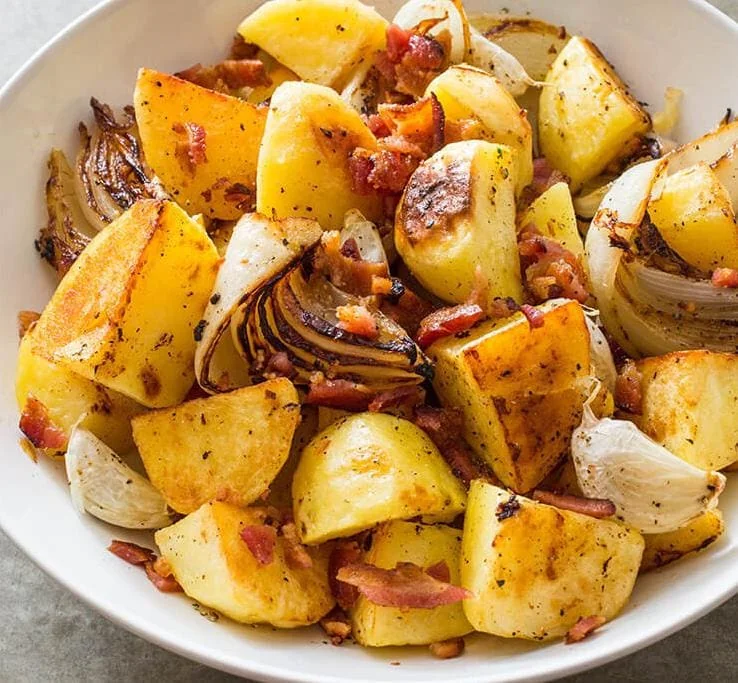
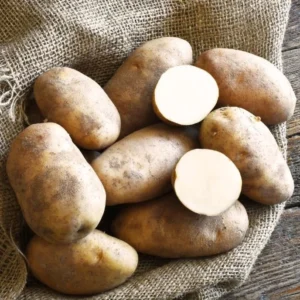
The Russet potato is renowned for its earthy flavor, floury texture, and versatility in the kitchen, making it a favorite for baking, mashing, and frying. By choosing to grow from true potato seeds, you’re not only engaging in a more fundamental form of gardening but also potentially discovering new traits within the Russet lineage. This pack of 70 seeds provides ample opportunity for experimentation and a bountiful yield, ensuring you have plenty of potatoes for your culinary adventures. Whether you’re an experienced gardener or just starting, growing Russet potatoes from seed is an engaging and educational experience that promises fresh, homegrown goodness, especially when you buy potato seeds of this quality.
Key Benefits
Discover the many advantages of planting our premium Russet potato seeds in your garden:
- Unique Growing Experience: Growing potatoes from true potato seeds is a distinctive and educational process, offering a deeper connection to your food source. It’s a different approach compared to traditional tuber planting, providing a fresh challenge for gardeners eager to grow Russet potatoes.
- Genetic Diversity: Each seed carries unique genetic information, potentially leading to new and improved Russet varieties in your garden. This can result in a wider range of flavors, textures, and growth characteristics, making your harvest truly unique.
- Disease Resistance: True potato seeds are often free from diseases that can be carried in tubers, leading to healthier, more vigorous plants from the start. This can significantly improve your harvest quality and quantity, ensuring a successful crop.
- Longer Shelf Life for Seeds: Unlike tubers which must be planted quickly, heirloom potato seeds can be stored for longer periods, offering flexibility in your planting schedule. This makes planning your garden much easier and more convenient.
- Cost-Effective: A small packet of true potato seeds can produce many plants, often more economically than purchasing seed potatoes. This makes it an efficient way to stock your pantry with homegrown produce.
- Space-Efficient Storage: Seeds take up significantly less storage space than tubers, making them ideal for gardeners with limited storage. When you buy potato seeds, you’re investing in future harvests without needing a large cool storage area.
- Sustainable Gardening: By growing from true seed, you contribute to preserving plant genetics and promoting sustainable agricultural practices. It’s an environmentally conscious choice for your garden and a rewarding way to connect with nature.
Plant Care & Growing Tips
To successfully cultivate your Russet potato seeds, proper care is essential. Begin by sowing your seeds indoors 8-10 weeks before the last expected frost date. Use a high-quality seed starting mix and sow seeds about 1/4 inch deep. Maintain a consistent soil temperature of 65-70°F (18-21°C) for optimal germination. Lightly moisten the soil, but avoid overwatering, which can lead to damping-off. Once seedlings emerge, provide plenty of bright light, ideally from grow lights, to prevent them from becoming leggy. Hardening off the young plants for a week or two before transplanting them outdoors is crucial; this means gradually exposing them to outdoor conditions.
When transplanting your young potato plants outdoors, choose a location with full sun, meaning at least 6-8 hours of direct sunlight per day. The ideal soil for growing Russet potatoes is loose, well-draining, and rich in organic matter, with a pH between 5.0 and 6.0. Amend heavy clay soils with compost or peat moss to improve drainage and aeration. Plant seedlings 12-18 inches apart in rows that are 2-3 feet apart. As the plants grow, ‘hill’ them by mounding soil around the stems, covering all but the top few inches of foliage. This encourages tuber formation along the buried stem. Consistent watering is vital, especially during flowering and tuber development; aim for about 1 inch of water per week, either from rain or irrigation.
Fertilize your potato plants with a balanced fertilizer or one slightly higher in phosphorus and potassium once they are established, and again when they begin to flower. Monitor for common potato pests like Colorado potato beetles and diseases such as early and late blight. Good air circulation and proper spacing can help prevent fungal issues. Harvest your Russet potatoes when the foliage begins to yellow and die back, typically 90-120 days after transplanting. Carefully dig around the plants to avoid damaging the tubers. Properly curing and storing your harvest in a cool, dark, and humid place will ensure they last for months. Remember, when you buy potato seeds, you’re investing in a future of delicious, homegrown potatoes.
Size & Details
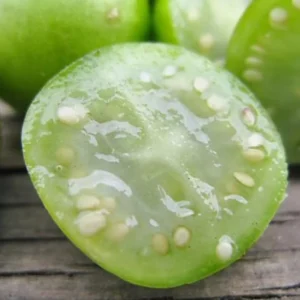
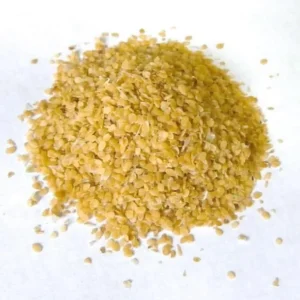
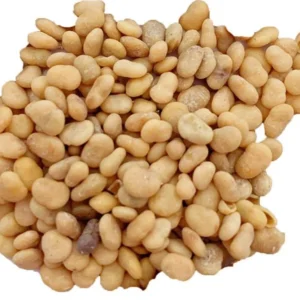
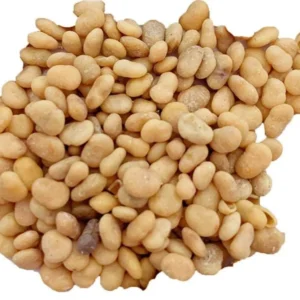
This offering includes a pack of 70 true potato seeds, specifically selected for the Russet variety. These are actual botanical seeds, not the potato pieces (tubers) typically used for planting. Each seed contains the genetic potential to grow into a full potato plant, yielding multiple tubers. The growth rate of Russet potatoes from seed can vary, but generally, plants mature and are ready for harvest approximately 90-120 days after transplanting the seedlings outdoors. Expect mature plants to reach a height of 18-30 inches, producing a generous crop of medium to large Russet potatoes. Starting with heirloom potato seeds allows for a traditional and satisfying gardening experience, leading to a rewarding harvest of your own homegrown produce.
Frequently Asked Questions
- Q: How many Russet potato plants can I expect from 70 seeds? A: While germination rates can vary, with proper care, you can expect a significant number of plants from 70 true potato seeds. Each viable seed will produce one plant, which in turn will yield several potatoes.
- Q: Is it harder to grow potatoes from true seeds than from tubers? A: Growing from true potato seeds requires a bit more initial care, similar to starting other vegetable seeds indoors. It’s a different process than planting tubers but is very rewarding for gardeners looking for a unique experience in growing Russet potatoes.
- Q: What is the best time to plant these Russet potato seeds outdoors? A: The best time to transplant your potato seedlings outdoors is after the last danger of frost has passed in your region, typically in spring. You’ll start them indoors 8-10 weeks before this date.
- Q: How much sunlight do Russet potato plants need? A: For optimal growth and tuber development, growing Russet potatoes requires a location that receives full sun, meaning at least 6-8 hours of direct sunlight daily.
- Q: Can I grow these heirloom potato seeds in containers? A: Yes, Russet potatoes can be successfully grown in large containers, grow bags, or potato towers. Ensure the container is at least 15-20 gallons to allow for adequate tuber development.
- Q: What kind of soil is best for growing Russet potatoes? A: Potatoes thrive in loose, well-draining soil that is rich in organic matter. A slightly acidic pH (5.0-6.0) is ideal. Amending with compost or aged manure is beneficial for these heirloom potato seeds.
- Q: Will the potatoes grown from these seeds be exactly like commercial Russet potatoes? A: While these are Russet potato seeds, growing from true seed can introduce some genetic variation, meaning the resulting potatoes might have slight differences from the parent plant. This is part of the exciting discovery process when you buy potato seeds.
- Q: How often should I water my potato plants? A: Consistent moisture is key, especially during flowering and tuber formation. Aim for about 1 inch of water per week, adjusting based on rainfall and soil type. Avoid letting the soil dry out completely.
- Q: What is ‘hilling’ and why is it important for potatoes? A: Hilling is the process of mounding soil around the base of the potato plant as it grows. This encourages more tubers to form along the buried stem and protects the developing tubers from sunlight, which can turn them green and inedible.
- Q: When should I harvest my Russet potatoes? A: You can harvest your Russet potatoes when the foliage begins to yellow and die back, typically 90-120 days after transplanting. For ‘new potatoes,’ you can gently dig around the plant earlier, about 60-70 days after transplanting.
Related products
-50%
Original price was: $15.96.$7.98Current price is: $7.98.
-50%

Original price was: $39.96.$19.98Current price is: $19.98.
-50%
Original price was: $15.96.$7.98Current price is: $7.98.
-50%
Original price was: $39.96.$19.98Current price is: $19.98.
-50%
Original price was: $15.00.$7.50Current price is: $7.50.
-50%
Original price was: $39.96.$19.98Current price is: $19.98.
-50%
Original price was: $181.98.$90.99Current price is: $90.99.
PLANTING & CARE

Growing Glencoe Raspberry: A Complete Guide for Gardeners
If you’re looking to add something unique to your garden, look no further than the
31
Mar
Mar

The Comprehensive Guide to Growing Bay Leaf Plants for a Flavorful Garden
Imagine stepping into your garden, greeted by the earthy aroma of fresh bay leaves, their
09
Feb
Feb

How to Make Comfrey Tea: The Ultimate Organic Plant Food
Growing an organic garden can be surprisingly expensive, especially when most store-bought fertilizers come in
02
Feb
Feb

True Comfrey: 7 Essential Tips Before You Plant This Herb
A staple in permaculture practices across the US, True Comfrey easily earns its reputation as
27
Jan
Jan

7 Heart-Shaped Plants for a Lasting Valentine’s Gift
If you’ve ever bought a bouquet of roses for Valentine’s Day, you know they are
26
Jan
Jan

Best Types of Ivy Plant for Houses: How to Choose the Perfect Ones for Your Home
Are you a garden lover looking to introduce some greenery into your home? Maybe you’ve
14
Nov
Nov

When to Harvest Garlic (Especially Fall-Planted Garlic)
TIMING IS EVERYTHING, they say – and for garlic, that truth hits with surprising accuracy.
13
Nov
Nov

11 of the Best Sweet Potato Varieties to Grow for Your Garden
If you’ve ever tried growing sweet potatoes, you know that picking the right variety can
12
Nov
Nov