Russian Comfrey Root Cuttings Bocking 14 Organic – Live Root Sections (12 or 6)
Russian Comfrey Root Cuttings Bocking 14 Organic – Live Root Sections (12 or 6)
Cultivate productive Russian comfrey root cuttings (Bocking 14) for your garden. These organic root sections are perfect for creating fertilizer tea, enhancing soil fertility, and providing excellent mulch. A sterile variety, ensuring no unwanted spread.
From $55.96

With our Alive & Thrive Guarantee, we’ve got your back for the first 30 days! If you have any concerns about your plants, just reach out to us. Our team is here to help answer your questions and guide you in selecting the best plants for your garden, climate, and unique preferences. We're excited to help you create the garden of your dreams!
Estimated arrival
Apr 03
Apr 08 - Apr 10
Apr 13 - Apr 17
Product Details
-
USDA Hardiness Zone
USDA zones 3-9 -
Soil type
Well-draining, rich loam -
Sunlight Exposure
Full sun to partial shade -
Expected Planting Period
Early spring to late fall
Overview
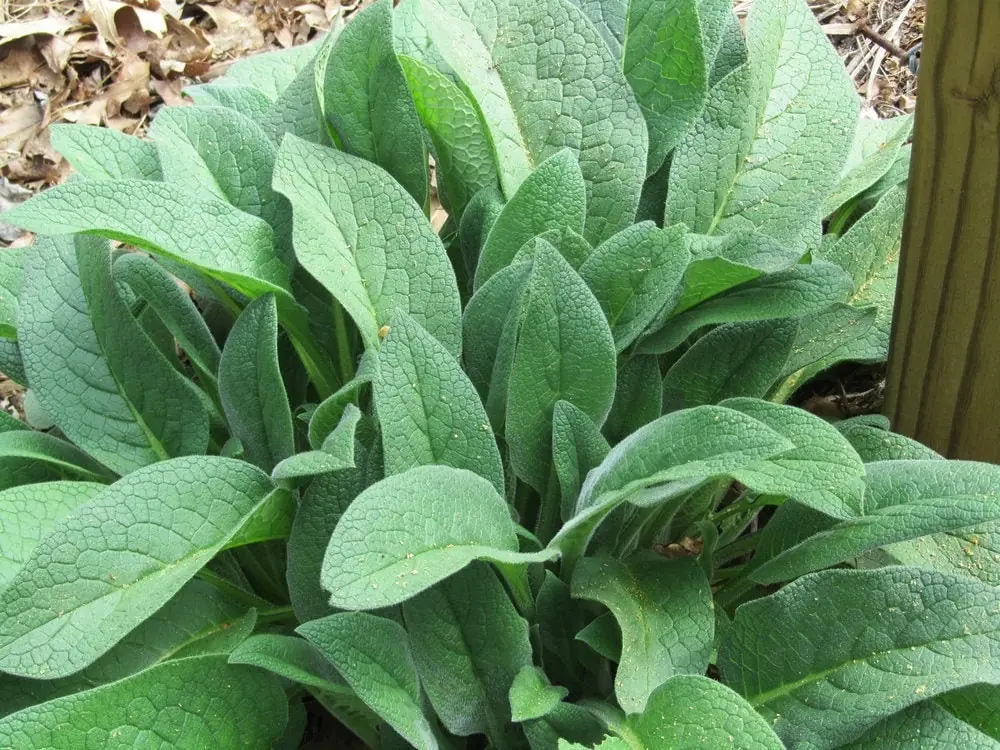
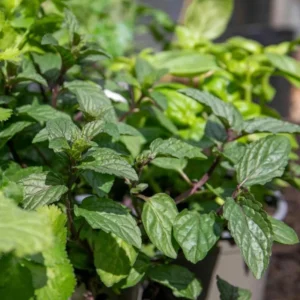
Bring the incredible benefits of Russian comfrey root cuttings (Symphytum officinale x uplandicum ‘Bocking 14’) to your garden or farm. This robust perennial plant is renowned for its deep taproots, which draw nutrients from the subsoil, making them available to other plants when used as a chop-and-drop mulch or in nutrient-rich compost teas. The Bocking 14 variety is particularly prized for its vigorous growth, producing large quantities of leafy biomass, and its sterile nature means it won’t spread aggressively through self-seeding, providing controlled growth where you want it. These live root cuttings are an economical and effective way to establish a thriving comfrey patch, offering a sustainable resource for improving soil health and supporting plant growth.
Bocking 14 comfrey is a hybrid cultivar specifically developed for its high allantoin content and superior biomass production. It’s an essential plant for permaculture systems and organic gardening, contributing significantly to fertility cycles. Establishing these root cuttings can take a few weeks, but once settled, they provide years of abundant harvests with minimal care.
Key Benefits
Integrating Russian comfrey root cuttings into your landscape offers a multitude of advantages for both gardeners and the environment. This versatile plant serves many purposes, making it an invaluable addition to any sustainable system. The Bocking 14 variety, in particular, is highly favored for its specific characteristics that enhance its utility and manageability.
- Soil Improvement: Comfrey’s deep roots break up compacted soil and bring up essential minerals from deep within the earth, enriching the topsoil when leaves are used as mulch or compost. This natural process significantly enhances overall soil structure and nutrient availability for other plants, promoting a healthier garden ecosystem.
- Fertilizer Tea Production: The nutrient-rich leaves can be steeped in water to create a potent liquid fertilizer, often called ‘comfrey tea.’ This organic feed is excellent for encouraging vigorous growth and flowering in fruiting plants, vegetables, and ornamentals, providing a balanced boost of nitrogen, phosphorus, and potassium.
- Living Mulch & Weed Suppression: Planted around fruit trees or in garden beds, comfrey acts as a living mulch. Its broad leaves shade out weeds, reducing competition for resources and minimizing the need for manual weeding. This also helps to retain soil moisture, benefiting surrounding plants.
- Livestock Fodder: Comfrey leaves are a highly nutritious feed for various livestock, including chickens, rabbits, and pigs. They are rich in protein and essential vitamins, making them a valuable supplement for animal diets, especially in a pasture-based system.
- Sterile Variety: The Bocking 14 cultivar is sterile, meaning it produces no viable seeds. This is a significant advantage for gardeners who want the benefits of comfrey without the risk of it spreading invasively throughout their garden or beyond designated areas. This characteristic ensures better control over its growth.
- Pollinator Attraction: While primarily grown for its leaves, comfrey also produces bell-shaped flowers that are attractive to bees and other beneficial pollinators, contributing to biodiversity and supporting healthy garden ecosystems.
- Medicinal & Herbal Uses: Historically, comfrey has been used in traditional medicine for its healing properties, particularly for skin ailments and bone health. While modern internal use is cautioned, external applications for salves and poultices remain popular.
Plant Care & Growing Tips
Growing Russian comfrey root cuttings is relatively straightforward, making it an excellent choice for both novice and experienced gardeners. These hardy plants are tolerant of a wide range of conditions but thrive best with proper care. Once established, your Bocking 14 comfrey will provide a continuous supply of biomass for years to come. Start by selecting a site with good drainage and ample sunlight.
Comfrey prefers full sun to partial shade, ideally receiving at least 4-6 hours of direct sunlight daily. While it can tolerate some shade, growth may be less vigorous. For watering, keep the soil consistently moist, especially during dry spells and in the initial establishment phase of your organic comfrey plants. Established plants are quite drought-tolerant due to their deep root system. The ideal soil type is a rich, well-draining loam, but comfrey is adaptable to various soil conditions. It benefits greatly from organic matter, so amending the planting area with compost will encourage robust growth. For fertilization, comfrey is a heavy feeder. Regular applications of compost or a balanced organic fertilizer will support its prolific leaf production. You can also ‘chop and drop’ its own leaves around the plant to return nutrients to the soil. Comfrey is hardy in USDA zones 3-9, tolerating cold winters and hot summers. Minimal pest and disease issues are usually observed, making it a low-maintenance plant once established. Be patient, as root cuttings can be slow to show initial signs of life, often taking several weeks. Ensure adequate moisture during this period.
Size & Details
You will receive 12 or 6 live Russian comfrey root cuttings, specifically the Bocking 14 variety (Symphytum officinale x uplandicum). These are live root sections, ready to be planted and rooted into full plants. The size of individual root cuttings may vary, but each is viable and capable of developing into a healthy comfrey plant. Comfrey is a fast-growing perennial, typically reaching heights of 2-3 feet and a similar spread once mature. It establishes itself quickly in favorable conditions, providing its first harvest of leaves within a few months of planting.
These root cuttings are shipped without soil or pots, ensuring safe and efficient transport. They are ready for immediate planting upon arrival. Expect significant leaf production within the first growing season, with plants reaching their full potential in the second year and beyond. The Bocking 14 cultivar is known for its ability to regenerate quickly after cutting, allowing for multiple harvests throughout the growing season.
Frequently Asked Questions
- Q: How big does this plant get? A: Once established, Russian comfrey root cuttings of the Bocking 14 variety typically grow to a height and spread of 2-3 feet. It forms a dense clump of large leaves, providing substantial biomass.
- Q: How much sunlight does Bocking 14 comfrey need? A: Comfrey thrives in full sun to partial shade, ideally receiving at least 4-6 hours of direct sunlight per day. More sun generally leads to more vigorous growth and leaf production.
- Q: Is this plant easy to care for? A: Yes, Bocking 14 comfrey is considered very easy to care for once established. It’s a hardy perennial that tolerates various conditions and requires minimal attention beyond initial planting and occasional harvesting.
- Q: What condition will the root cuttings arrive in? A: The Russian comfrey root cuttings will arrive as live, dormant root sections, ready for planting. They are carefully packaged to ensure viability during transit.
- Q: When is the best time to plant comfrey root cuttings? A: The best time to plant comfrey root cuttings is in early spring after the last frost, or in late fall before the ground freezes. This allows the roots to establish before extreme temperatures.
- Q: Is this a sterile variety of comfrey? A: Yes, the Bocking 14 variety of comfrey (Symphytum officinale x uplandicum) is sterile, meaning it will not produce viable seeds. This is a key benefit for gardeners who want to prevent unwanted spreading.
- Q: Can I use comfrey for permaculture applications? A: Absolutely! Comfrey for permaculture is a highly valued plant. It’s excellent for chop-and-drop mulching, dynamic accumulating, creating compost tea, and attracting beneficial insects, making it a cornerstone of regenerative gardening practices.
- Q: What type of soil does comfrey prefer? A: Comfrey prefers rich, well-draining loam but is adaptable to most soil types. Amending the soil with organic matter such as compost will significantly boost its growth and overall health.
- Q: How long until I can harvest leaves from my comfrey plants? A: You can typically expect your first harvest of comfrey leaves within 2-3 months of planting the root cuttings, once the plant has established a healthy root system and begun active growth.
- Q: Will this comfrey spread aggressively? A: While comfrey is a vigorous grower, the Bocking 14 variety is sterile and spreads only through its root system, not by seed. This makes it easier to manage than other non-sterile comfrey types.
| Number of root pieces | 12 Root Pieces, 6 Root Pieces |
|---|
Related products
-67%
Original price was: $75.72.$25.24Current price is: $25.24.
-67%
Original price was: $39.72.$13.24Current price is: $13.24.
-30%
Original price was: $99.98.$69.98Current price is: $69.98.
-20%
Original price was: $35.00.$28.00Current price is: $28.00.
-50%
Original price was: $15.96.$7.98Current price is: $7.98.
-10%
Original price was: $23.99.$21.59Current price is: $21.59.
-20%
From Original price was: $22.00.$17.60Current price is: $17.60.
-10%
Original price was: $65.00.$58.50Current price is: $58.50.
PLANTING & CARE

Growing Glencoe Raspberry: A Complete Guide for Gardeners
If you’re looking to add something unique to your garden, look no further than the
31
Mar
Mar

The Comprehensive Guide to Growing Bay Leaf Plants for a Flavorful Garden
Imagine stepping into your garden, greeted by the earthy aroma of fresh bay leaves, their
09
Feb
Feb

How to Make Comfrey Tea: The Ultimate Organic Plant Food
Growing an organic garden can be surprisingly expensive, especially when most store-bought fertilizers come in
02
Feb
Feb

True Comfrey: 7 Essential Tips Before You Plant This Herb
A staple in permaculture practices across the US, True Comfrey easily earns its reputation as
27
Jan
Jan

7 Heart-Shaped Plants for a Lasting Valentine’s Gift
If you’ve ever bought a bouquet of roses for Valentine’s Day, you know they are
26
Jan
Jan

Best Types of Ivy Plant for Houses: How to Choose the Perfect Ones for Your Home
Are you a garden lover looking to introduce some greenery into your home? Maybe you’ve
14
Nov
Nov

When to Harvest Garlic (Especially Fall-Planted Garlic)
TIMING IS EVERYTHING, they say – and for garlic, that truth hits with surprising accuracy.
13
Nov
Nov

11 of the Best Sweet Potato Varieties to Grow for Your Garden
If you’ve ever tried growing sweet potatoes, you know that picking the right variety can
12
Nov
Nov