Sage Seeds (Salvia) – Aromatic Herb Garden Seeds – 20 Count Packet
-50%


Sage Seeds (Salvia) – Aromatic Herb Garden Seeds – 20 Count Packet
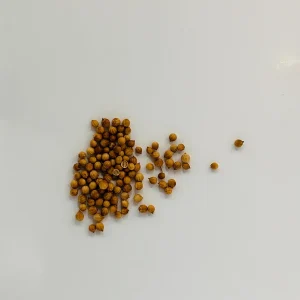
Cultivate your own fragrant and flavorful herb garden with this packet of sage seeds. Perfect for both culinary endeavors and ornamental displays, these salvia seeds are easy to grow and provide a bountiful harvest. Enjoy fresh sage directly from your garden.
Original price was: $32.00.$16.00Current price is: $16.00.

With our Alive & Thrive Guarantee, we’ve got your back for the first 30 days! If you have any concerns about your plants, just reach out to us. Our team is here to help answer your questions and guide you in selecting the best plants for your garden, climate, and unique preferences. We're excited to help you create the garden of your dreams!
Estimated arrival
Mar 31
Apr 05 - Apr 07
Apr 10 - Apr 14
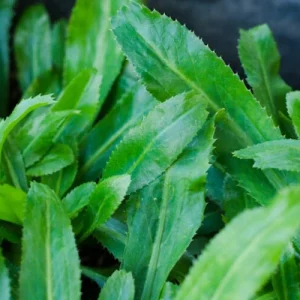
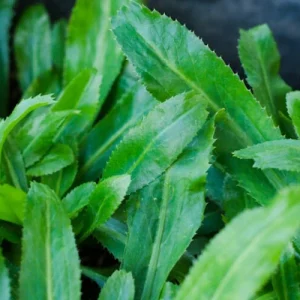
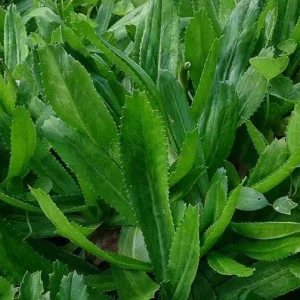
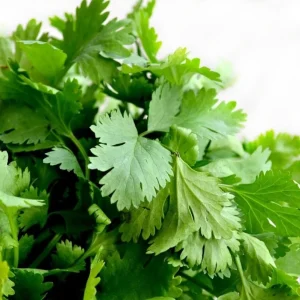

Product Details
-
USDA Hardiness Zone
USDA zones 5–9 -
Soil type
Well-draining, sandy or loamy soil -
Sunlight Exposure
Full sun -
Expected Planting Period
Spring to early summer
Overview
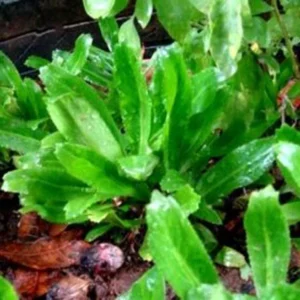
Embark on a rewarding gardening journey with our premium sage seeds. This packet contains 20 high-quality seeds of the beloved Salvia herb, renowned for its distinctive aroma and versatile applications. Whether you’re a seasoned gardener or just starting, growing sage seeds is a fulfilling experience that brings both beauty and utility to your outdoor or indoor space. Sage, scientifically known as Salvia officinalis, is a perennial evergreen shrub in the mint family Lamiaceae, native to the Mediterranean region. It’s cherished globally for its culinary, medicinal, and ornamental value.
Our salvia seeds are selected for their viability, ensuring a higher success rate for your planting efforts. These seeds will grow into robust plants, offering fragrant leaves that are indispensable in many kitchens. Imagine enhancing your roast chicken, stuffing, or pasta dishes with freshly picked sage. Beyond its culinary appeal, sage has a rich history of traditional use for its purported health benefits, making it a truly valuable addition to any home garden. Cultivating aromatic herb seeds like sage connects you directly to the source of your food and brings a touch of nature into your daily life.
Key Benefits
Our sage seeds offer numerous advantages for gardeners and home cooks alike:
- Culinary Versatility: Fresh sage leaves are a staple in Mediterranean cuisine, perfect for flavoring meats, vegetables, sauces, and dressings. Growing your own ensures a constant supply of this essential herb for all your cooking needs.
- Aromatic Fragrance: The distinctive, earthy, and slightly peppery aroma of sage is not only pleasing in dishes but also adds a wonderful fragrance to your garden or home. Rubbing the leaves releases a delightful scent.
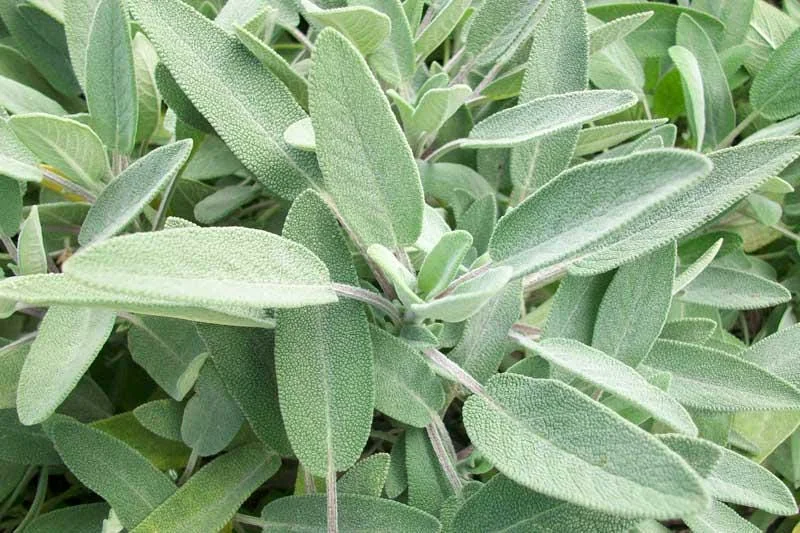
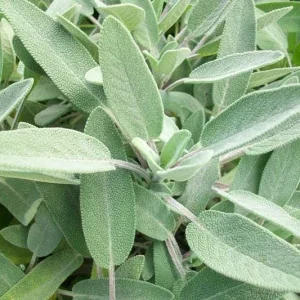
- Ornamental Appeal: With its soft, silvery-green leaves and occasional purple-blue flowers, the sage plant is an attractive addition to herb gardens, borders, or containers, offering visual interest throughout the growing season.
- Pollinator Friendly: Sage flowers are known to attract beneficial pollinators like bees and butterflies, contributing to the biodiversity and health of your garden ecosystem.
- Low Maintenance: Once established, sage is a relatively drought-tolerant and easy-to-care-for herb, making it suitable for gardeners of all experience levels. It thrives with minimal fuss, especially when planted in the right conditions.
- Traditional Uses: Historically, sage has been valued for its medicinal properties, often used in teas and remedies for various ailments. While not a substitute for medical advice, its traditional significance adds to its appeal.
- Cost-Effective: Growing your own herbs from grow sage from seed is a very economical way to ensure a fresh supply, saving you money compared to purchasing fresh herbs from the grocery store.
Plant Care & Growing Tips
Growing sage seeds is a straightforward process that yields rewarding results. To ensure optimal growth, start your seeds indoors 6-8 weeks before the last frost date in your region, or sow directly outdoors after all danger of frost has passed. Plant seeds about 1/4 inch deep and 6 inches apart, thinning to 12-18 inches once seedlings are established. Sage thrives in full sun, requiring at least 6-8 hours of direct sunlight per day to develop its best flavor and robust growth. In hotter climates, some afternoon shade can be beneficial.
The ideal soil for sage is well-draining and sandy or loamy, with a neutral to slightly alkaline pH (6.0-7.0). Avoid heavy, wet soils, as these can lead to root rot. Water new plants regularly until they are established, keeping the soil consistently moist but not waterlogged. Once mature, sage is quite drought-tolerant and prefers drier conditions, so allow the soil to dry out between waterings. Overwatering is a common mistake that can harm your sage plant. Fertilization is generally not necessary, especially if planted in fertile soil. If your soil is poor, a light application of balanced, slow-release fertilizer in spring can be beneficial. Pruning sage helps maintain its shape and encourages bushier growth; trim back about a third of the plant in spring and after flowering. This also helps to prolong the plant’s lifespan and vigor. Keeping your plants healthy is key to successfully grow sage from seed.
Size & Details
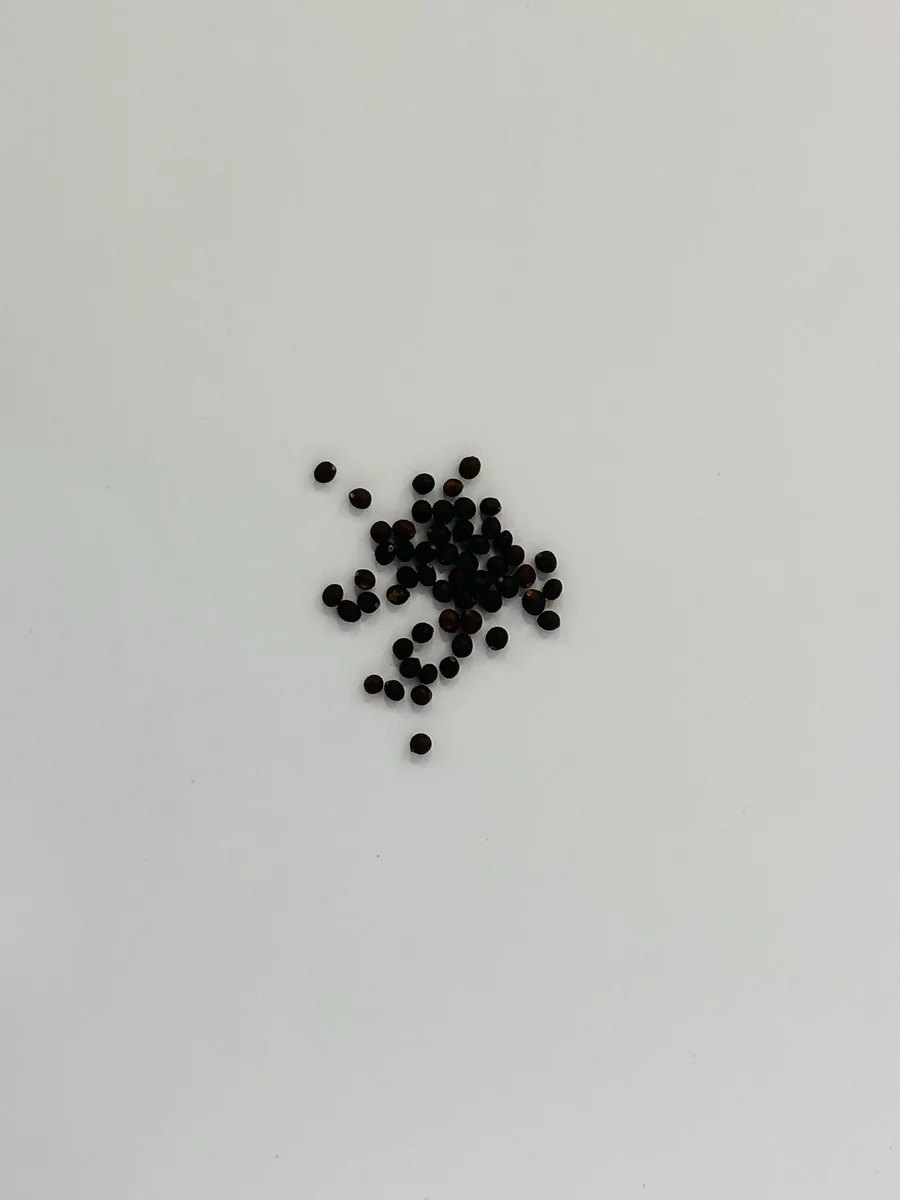
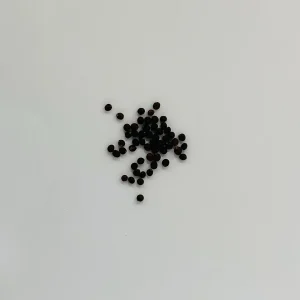
This packet contains 20 sage seeds, providing an excellent opportunity to start a small herb garden or expand an existing one. Each seed has the potential to grow into a mature sage plant, typically reaching a height of 18 to 30 inches and a spread of 12 to 24 inches, depending on growing conditions and variety. Sage plants are generally slow to moderate growers, with foliage ready for harvest within 75-90 days from seeding. They are perennial in USDA zones 5-9, meaning they will return year after year, offering continuous harvests. In colder climates, they can be grown as annuals or brought indoors for winter protection. The seeds are shipped in a protective packet, ensuring their viability upon arrival, ready for you to plant and cultivate your own fresh, culinary sage.
Frequently Asked Questions
- Q: How big does a sage plant get from these seeds? A: A mature sage plant typically reaches a height of 18 to 30 inches and can spread 12 to 24 inches wide. Growth can vary based on environmental conditions and care, but these aromatic herb seeds will produce robust plants.
- Q: Is this an indoor or outdoor plant? A: Sage can be grown both indoors and outdoors. For best results, it thrives outdoors in full sun. If growing indoors, ensure it receives at least 6 hours of bright, direct light daily, ideally near a south-facing window or under grow lights.
- Q: How much sunlight do these sage seeds need to grow? A: Sage requires full sun, which means at least 6 to 8 hours of direct sunlight per day. Adequate sunlight is crucial for developing the plant’s strong flavor and healthy growth from your sage seeds.
- Q: Is growing sage from seed difficult for beginners? A: No, growing sage from seed is relatively easy for beginners. With good quality salvia seeds and proper care regarding sunlight and drainage, you can achieve successful results.
- Q: What condition will the seeds arrive in? A: The sage seeds will arrive in a protective packet, designed to keep them dry and viable. They are ready for immediate planting upon receipt.
- Q: Can I use the sage from these plants in cooking? A: Absolutely! These are culinary sage seeds, and the leaves from the mature plants are perfect for various culinary applications, from seasoning meats to making herbal teas.
- Q: When is the best time to plant sage seeds? A: For outdoor planting, sow seeds after the last frost in spring. For a head start, you can begin germinating seeds indoors 6-8 weeks before the last expected frost.
- Q: What USDA zones are suitable for growing sage? A: Sage is a perennial in USDA Hardiness Zones 5-9. In colder zones, it can be grown as an annual or overwintered indoors.
- Q: Are these sage seeds organic? A: While specific organic certification is not guaranteed without further information, these are high-quality seeds chosen for viability, focused on helping you grow sage from seed successfully.
- Q: How long does it take for sage to germinate? A: Sage seeds typically germinate within 10 to 21 days, though this can vary depending on soil temperature and moisture.
Related products

-50%
Original price was: $32.00.$16.00Current price is: $16.00.

-50%
From Original price was: $64.00.$32.00Current price is: $32.00.
PLANTING & CARE

Growing Glencoe Raspberry: A Complete Guide for Gardeners
If you’re looking to add something unique to your garden, look no further than the
31
Mar
Mar

The Comprehensive Guide to Growing Bay Leaf Plants for a Flavorful Garden
Imagine stepping into your garden, greeted by the earthy aroma of fresh bay leaves, their
09
Feb
Feb

How to Make Comfrey Tea: The Ultimate Organic Plant Food
Growing an organic garden can be surprisingly expensive, especially when most store-bought fertilizers come in
02
Feb
Feb

True Comfrey: 7 Essential Tips Before You Plant This Herb
A staple in permaculture practices across the US, True Comfrey easily earns its reputation as
27
Jan
Jan

7 Heart-Shaped Plants for a Lasting Valentine’s Gift
If you’ve ever bought a bouquet of roses for Valentine’s Day, you know they are
26
Jan
Jan

Best Types of Ivy Plant for Houses: How to Choose the Perfect Ones for Your Home
Are you a garden lover looking to introduce some greenery into your home? Maybe you’ve
14
Nov
Nov

When to Harvest Garlic (Especially Fall-Planted Garlic)
TIMING IS EVERYTHING, they say – and for garlic, that truth hits with surprising accuracy.
13
Nov
Nov

11 of the Best Sweet Potato Varieties to Grow for Your Garden
If you’ve ever tried growing sweet potatoes, you know that picking the right variety can
12
Nov
Nov