Sapodilla Manilkara Zapota Chiku Makok Tropical Fruit Seeds – 5 to 100 Count
Sapodilla Manilkara Zapota Chiku Makok Tropical Fruit Seeds – 5 to 100 Count
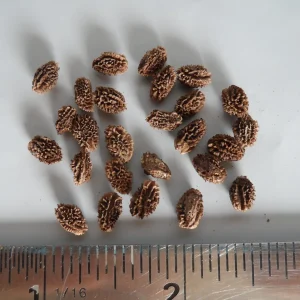
Start your own tropical fruit garden with these high-quality Sapodilla seeds. Also known as Manilkara Zapota seeds, Chiku, or Nispero, these seeds are perfect for growing delicious, sweet fruit in warm climates. Enjoy fresh, home-grown tropical produce.
From $39.96

With our Alive & Thrive Guarantee, we’ve got your back for the first 30 days! If you have any concerns about your plants, just reach out to us. Our team is here to help answer your questions and guide you in selecting the best plants for your garden, climate, and unique preferences. We're excited to help you create the garden of your dreams!
Estimated arrival
Mar 31
Apr 05 - Apr 07
Apr 10 - Apr 14


Product Details
-
USDA Hardiness Zone
9-13 -
Soil type
Well-drained, light soils -
Sunlight Exposure
Full Sun -
Expected Planting Period
Year-round in warm climates
Overview
Embark on an exciting gardening journey with these premium Sapodilla seeds. The sapodilla, scientifically known as Manilkara zapota, is a fascinating tropical fruit tree renowned for its incredibly sweet and succulent fruit. Often referred to as Chiku, Nispero, or Makok in various regions, this evergreen tree is a delightful addition to any garden in suitable climates. Our selection provides you with viable tropical fruit seeds, allowing you to cultivate your very own source of this exotic and delicious produce. Growing sapodilla from seed offers a rewarding experience, connecting you directly to the plant’s life cycle from germination to fruit-bearing maturity. These seeds are carefully sourced to ensure a high potential for successful germination, setting you on the path to enjoying fresh sapodilla fruit right from your backyard.
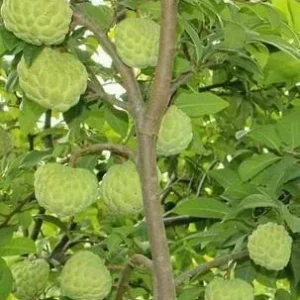
The sapodilla tree is native to southern Mexico, Central America, and the Caribbean, thriving in warm, humid conditions. Its fruit is a culinary delight, enjoyed fresh, in desserts, and beverages. The tree itself is quite ornamental, featuring attractive evergreen foliage that provides shade and beauty. With proper care and patience, you can cultivate a thriving sapodilla tree that not only produces delicious fruit but also enhances the aesthetic appeal of your landscape. Whether you are an experienced tropical gardener or a curious beginner, these Sapodilla seeds offer a fantastic opportunity to explore the world of exotic fruit cultivation.
Key Benefits
Growing sapodilla from seed offers numerous benefits, from the satisfaction of nurturing a plant to the delight of harvesting your own tropical fruit. These Manilkara Zapota seeds provide an accessible way to introduce an exotic element to your garden.
- Delicious, Home-Grown Fruit: Enjoy the rich, sweet flavor of fresh sapodilla fruit directly from your own tree. The taste is often described as a blend of pear, brown sugar, and caramel.
- Ornamental Evergreen Tree: The sapodilla tree features beautiful, dense evergreen foliage, making it an attractive addition to your landscape and providing ample shade.
- Rewarding Growing Experience: Cultivating tropical fruit from seed offers a uniquely satisfying gardening project, watching your plant grow from a tiny seed to a productive tree.
- Nutrient-Rich Produce: Sapodilla fruit is packed with vitamins, minerals, and antioxidants, contributing to a healthy diet.
- Adaptable to Sub-Tropical & Tropical Climates: These Sapodilla seeds are ideal for growing in USDA Hardiness Zones 9-13, thriving in warm, humid environments.
- Unique Culinary Ingredient: Beyond eating fresh, the fruit can be used in smoothies, ice creams, jams, and other tropical delights.
- Long-Lived and Productive: With proper care, a sapodilla tree can provide abundant fruit for many years.
Plant Care & Growing Tips
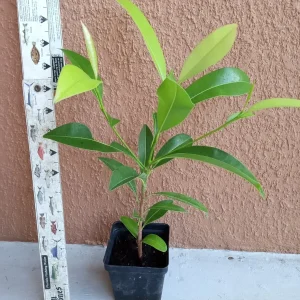
To successfully germinate and grow your Sapodilla seeds, it’s essential to provide the right conditions. Start by soaking the seeds in warm water for 24 hours to help break dormancy. Plant the pre-soaked seeds about 1 inch deep in well-draining soil. A good potting mix for young seedlings should be light and airy, allowing for adequate aeration and moisture retention. Maintain a consistent soil temperature of 70-85°F (21-29°C) for optimal germination, which can take anywhere from 2 to 6 weeks. Once germinated, provide plenty of bright, indirect light to your young sapodilla seedlings.
As your sapodilla plants grow, they will require full sun exposure, ideally 6-8 hours of direct sunlight per day, especially if grown outdoors. For indoor cultivation, a south-facing window or grow lights will be necessary. Water regularly, ensuring the soil remains consistently moist but not waterlogged. Allow the top inch or two of soil to dry out slightly between waterings. Sapodilla trees prefer well-drained, light soils with a neutral pH. Fertilize young trees with a balanced, slow-release fertilizer every 2-3 months during the growing season. Mature trees can be fertilized 3-4 times a year. Protect young plants from strong winds and cold temperatures, as they are very sensitive to frost. Growing Nispero seeds into a robust tree requires patience and attention to these environmental factors, but the reward of fresh Chiku fruit is well worth the effort. Consider your local USDA Hardiness Zone (9-13 is ideal for tropical fruit seeds) when planning outdoor planting.
Size & Details
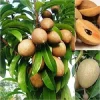
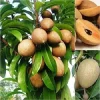
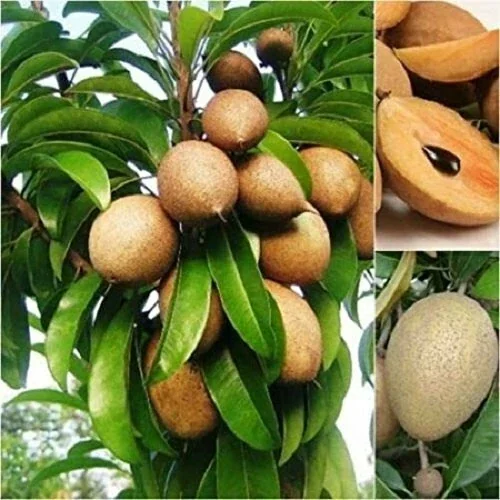
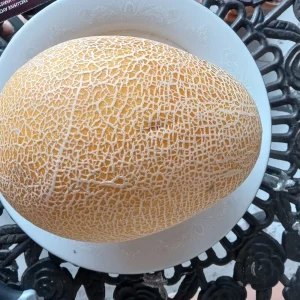
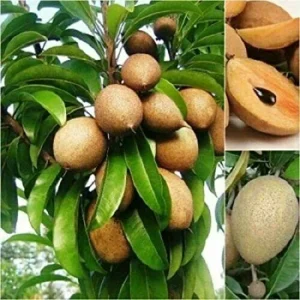
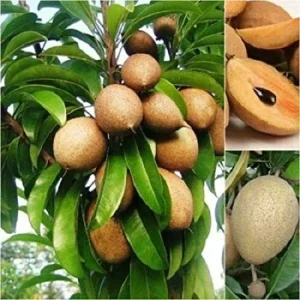
This offering includes a selection of Sapodilla seeds, with quantities ranging from 5 to 100 seeds, allowing you to choose the perfect amount for your gardening project. Each seed is capable of germinating into a sapodilla tree, which, under ideal conditions, can grow to a mature height of 20 to 60 feet, though they can be kept smaller with regular pruning. The trees are evergreen, providing year-round foliage. They typically begin bearing fruit within 5 to 8 years from seed, offering a long-term investment in your home orchard. The fruit itself is typically round to oval, about 2-4 inches in diameter, with a rough, brownish skin and sweet, granular flesh.
These Manilkara Zapota seeds are suitable for planting in USDA Hardiness Zones 9-13, thriving in tropical and sub-tropical climates with full sun exposure. The seeds are shipped as raw, viable seeds, ready for germination. While the initial growth rate may be moderate, established trees are vigorous and relatively low-maintenance once mature. Ensure sufficient space for your tree to grow, as a mature sapodilla can develop a wide canopy, providing ample shade and abundant fruit. Starting with these Chiku seeds is a commitment to cultivating a beautiful and productive tropical fruit tree.
Frequently Asked Questions
- Q: How many Sapodilla seeds are included in one order? A: You can select quantities ranging from 5 to 100 seeds per order, allowing you to choose the amount that best suits your gardening needs.
- Q: What is the best way to germinate these tropical fruit seeds? A: We recommend soaking the seeds in warm water for 24 hours before planting them about 1 inch deep in a well-draining seed-starting mix. Maintain a consistent warm temperature for optimal results.
- Q: Is the sapodilla tree an indoor or outdoor plant? A: Sapodilla trees thrive outdoors in tropical and sub-tropical climates (USDA Zones 9-13). In colder regions, they can be grown in large containers and brought indoors during winter, requiring significant light.
- Q: How much sunlight do Manilkara Zapota seeds need once they germinate? A: Once germinated, the seedlings and mature trees require full sun exposure, ideally 6-8 hours of direct sunlight daily for healthy growth and fruit production.
- Q: How long does it take for a sapodilla tree to produce fruit from seed? A: Typically, a sapodilla tree grown from seed will begin to bear fruit within 5 to 8 years, though this can vary depending on growing conditions and care.
- Q: Are these Nispero seeds difficult to grow for beginners? A: While growing tropical fruit from seed requires patience and attention to specific climate and care requirements, it is a rewarding project that can be undertaken by enthusiastic beginners.
- Q: What kind of soil is best for sapodilla trees? A: Sapodilla trees prefer well-drained, light soils with a neutral pH. A sandy loam soil enriched with organic matter is generally ideal for these Chiku seeds.
| MPN | 10 Seeds, 100+ Seeds, 20 Seeds, 50+ Seeds |
|---|
Related products
-50%
Original price was: $22.76.$11.38Current price is: $11.38.
-50%
Original price was: $28.00.$14.00Current price is: $14.00.
-50%
Original price was: $48.00.$24.00Current price is: $24.00.
-50%
Original price was: $107.96.$53.98Current price is: $53.98.
PLANTING & CARE

Growing Glencoe Raspberry: A Complete Guide for Gardeners
If you’re looking to add something unique to your garden, look no further than the
31
Mar
Mar

The Comprehensive Guide to Growing Bay Leaf Plants for a Flavorful Garden
Imagine stepping into your garden, greeted by the earthy aroma of fresh bay leaves, their
09
Feb
Feb

How to Make Comfrey Tea: The Ultimate Organic Plant Food
Growing an organic garden can be surprisingly expensive, especially when most store-bought fertilizers come in
02
Feb
Feb

True Comfrey: 7 Essential Tips Before You Plant This Herb
A staple in permaculture practices across the US, True Comfrey easily earns its reputation as
27
Jan
Jan

7 Heart-Shaped Plants for a Lasting Valentine’s Gift
If you’ve ever bought a bouquet of roses for Valentine’s Day, you know they are
26
Jan
Jan

Best Types of Ivy Plant for Houses: How to Choose the Perfect Ones for Your Home
Are you a garden lover looking to introduce some greenery into your home? Maybe you’ve
14
Nov
Nov

When to Harvest Garlic (Especially Fall-Planted Garlic)
TIMING IS EVERYTHING, they say – and for garlic, that truth hits with surprising accuracy.
13
Nov
Nov

11 of the Best Sweet Potato Varieties to Grow for Your Garden
If you’ve ever tried growing sweet potatoes, you know that picking the right variety can
12
Nov
Nov