Sapodilla (Manilkara Zapota) Tropical Fruit Seeds – Grow Your Own
Sapodilla (Manilkara Zapota) Tropical Fruit Seeds – Grow Your Own
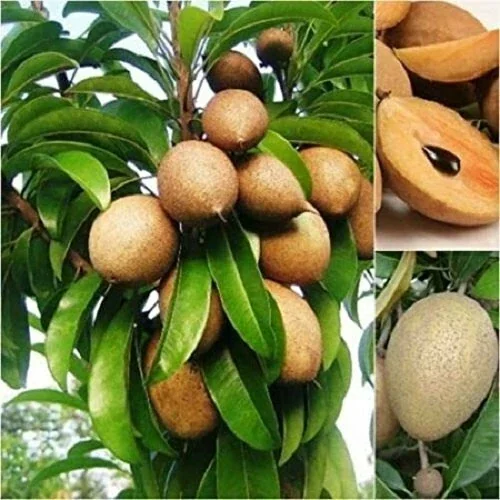
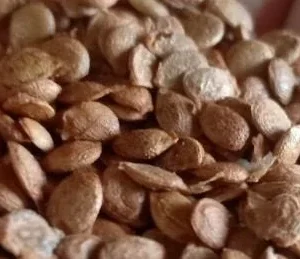
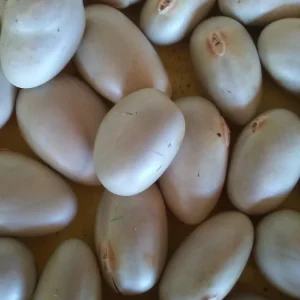
Start your own tropical fruit tree with these high-quality sapodilla seeds (Manilkara Zapota). Ideal for warm climates, these seeds offer an exciting opportunity to grow sapodilla at home. Enjoy the sweet, unique flavor of fresh chiku fruit from your own garden.
From $19.96

With our Alive & Thrive Guarantee, we’ve got your back for the first 30 days! If you have any concerns about your plants, just reach out to us. Our team is here to help answer your questions and guide you in selecting the best plants for your garden, climate, and unique preferences. We're excited to help you create the garden of your dreams!
Estimated arrival
Mar 31
Apr 05 - Apr 07
Apr 10 - Apr 14


Product Details
-
USDA Hardiness Zone
9-13 -
Soil type
Well-drained, light soils -
Sunlight Exposure
Full Sun -
Expected Planting Period
Spring to early summer
Overview
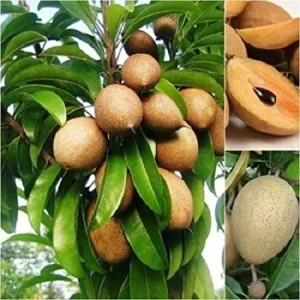
Embark on a rewarding gardening journey by cultivating your own tropical fruit trees with our premium sapodilla seeds. Also known by its common names such as Chiku, Nispero, Makok, and Manilkara Zapota, the sapodilla tree produces deliciously sweet and fragrant fruit that is highly prized in tropical regions. These seeds provide an excellent starting point for gardeners eager to grow exotic edibles, whether you’re an experienced horticulturist or a curious beginner. The sapodilla tree is not only a source of delectable fruit but also an attractive evergreen with a dense canopy, making it a beautiful addition to any suitable landscape. Growing from seed offers the unique satisfaction of nurturing a plant from its very beginning, witnessing its transformation into a fruit-bearing tree.
Key Benefits
Cultivating sapodilla seeds offers a variety of advantages for the home gardener and fruit enthusiast alike. From the joy of harvesting your own exotic fruit to the aesthetic appeal of the tree itself, the benefits are numerous:
- Fresh, Exotic Fruit: Enjoy the unique, sweet, malty flavor of fresh sapodilla fruit directly from your garden. The fruit, often described as tasting like pear, brown sugar, and cinnamon, is a delightful treat not commonly found in regular grocery stores. Growing your own ensures you have access to ripe, high-quality produce.
- Nutrient-Rich Harvest: Sapodilla fruit is packed with vitamins, minerals, and antioxidants, contributing to a healthy diet. It’s a good source of dietary fiber, vitamin C, and vitamin A, among others.
- Beautiful Evergreen Tree: The Manilkara Zapota seeds will grow into an attractive, medium-sized evergreen tree. Its dense, glossy foliage provides ample shade and adds a lush, tropical aesthetic to your landscape, enhancing the beauty of your outdoor space.
- Rewarding Gardening Experience: There’s immense satisfaction in nurturing a plant from a tiny seed to a fruit-bearing tree. This project is perfect for those who enjoy long-term gardening endeavors and wish to expand their botanical knowledge.
- Adaptable to Warm Climates: These tropical fruit seeds are perfectly suited for warmer climates, particularly USDA Zones 9-13, thriving in conditions that mimic their native environment.
- Potential for Multiple Uses: Beyond its fruit, the sapodilla tree’s wood is durable and its latex (chicle) has historical significance, though home growers primarily focus on fruit production.
- Edible & Flowering: The sapodilla tree is both edible and features subtle, attractive flowers, adding to its appeal.
Plant Care & Growing Tips
To successfully grow sapodilla from seed, providing the right environmental conditions and consistent care is crucial. These tropical trees thrive in warm, humid environments. For germination, plant your sapodilla seeds in a well-draining seed-starting mix, keeping the soil consistently moist but not waterlogged. Optimal germination temperatures are typically between 70-85°F (21-29°C).
Once seedlings emerge, they will require plenty of sunlight. Young sapodilla plants prefer full sun exposure, meaning at least 6-8 hours of direct sunlight per day. If growing indoors, place them in a south-facing window or under grow lights. The ideal soil for established trees is well-drained, light soil with a neutral pH. While sapodilla trees are somewhat drought-tolerant once mature, young plants and fruiting trees require medium watering, ensuring the top few inches of soil dry out between waterings. Protect young plants from frost, as they are sensitive to cold temperatures. Fertilize sparingly with a balanced, slow-release fertilizer during the growing season to support healthy development. Regular pruning can help maintain shape and encourage fruit production. Keep an eye out for common tropical pests and diseases, addressing any issues promptly to ensure the health of your Manilkara Zapota seeds progeny.
Size & Details
Our sapodilla seeds are sourced to ensure high viability for your gardening project. Each seed has the potential to grow into a robust sapodilla tree, which typically reaches a height of 20-40 feet (6-12 meters) in maturity, though it can be kept smaller with pruning. The growth rate is moderate, and trees grown from seed can begin to fruit in 5-8 years under ideal conditions. The foliage is evergreen, providing year-round interest. These seeds are perfect for starting your tropical fruit orchard or adding an exotic touch to a large container garden in appropriate climates. Each purchase includes a selection of viable chiku seeds, ready for planting.
Frequently Asked Questions
- Q: How long does it take for sapodilla seeds to germinate? A: Germination typically takes anywhere from 3-6 weeks, but can sometimes be longer depending on conditions and seed freshness. Patience is key when growing tropical fruit seeds.
- Q: How much sunlight does a sapodilla tree need? A: Sapodilla trees thrive in full sun, requiring at least 6-8 hours of direct sunlight daily for optimal growth and fruit production.
- Q: What USDA zones are suitable for growing sapodilla? A: Sapodilla trees are best suited for USDA Hardiness Zones 9-13, where they can enjoy a warm, frost-free climate.
- Q: Is this plant easy to care for? A: While growing sapodilla seeds requires some initial care and patience, mature trees are relatively low-maintenance once established, especially in their preferred tropical and subtropical climates.
- Q: How often should I water my young sapodilla plant? A: Young sapodilla plants require consistent moisture. Water regularly, allowing the top layer of soil to dry out slightly between waterings. Avoid overwatering to prevent root rot.
- Q: When is the best time to plant sapodilla seeds? A: The best time to plant chiku seeds is typically in spring or early summer, when temperatures are consistently warm, which aids in germination and initial growth.
- Q: Can I grow sapodilla in a pot? A: Yes, sapodilla trees can be grown in large containers, especially in cooler climates where they need to be moved indoors during winter. This can help manage their size.
- Q: What type of soil is best for sapodilla? A: Sapodilla trees prefer well-drained, light soils with a neutral to slightly acidic pH. Good drainage is crucial to prevent waterlogging.
- Q: How big do sapodilla trees get? A: In optimal conditions, a sapodilla tree can grow 20-40 feet tall. However, their size can be managed with proper pruning, especially if grown in containers.
- Q: How long until a tree grown from sapodilla seeds produces fruit? A: Trees grown from Manilkara Zapota seeds typically begin to produce fruit within 5-8 years. Grafted trees may fruit sooner.
| MPN | 10 Seeds, 100+ Seeds, 20 Seeds, 5 Seeds |
|---|
Related products
-50%
Original price was: $32.00.$16.00Current price is: $16.00.
-50%
Original price was: $28.00.$14.00Current price is: $14.00.
-50%
Original price was: $107.96.$53.98Current price is: $53.98.
-50%
From Original price was: $96.00.$48.00Current price is: $48.00.
PLANTING & CARE

Growing Glencoe Raspberry: A Complete Guide for Gardeners
If you’re looking to add something unique to your garden, look no further than the
31
Mar
Mar

The Comprehensive Guide to Growing Bay Leaf Plants for a Flavorful Garden
Imagine stepping into your garden, greeted by the earthy aroma of fresh bay leaves, their
09
Feb
Feb

How to Make Comfrey Tea: The Ultimate Organic Plant Food
Growing an organic garden can be surprisingly expensive, especially when most store-bought fertilizers come in
02
Feb
Feb

True Comfrey: 7 Essential Tips Before You Plant This Herb
A staple in permaculture practices across the US, True Comfrey easily earns its reputation as
27
Jan
Jan

7 Heart-Shaped Plants for a Lasting Valentine’s Gift
If you’ve ever bought a bouquet of roses for Valentine’s Day, you know they are
26
Jan
Jan

Best Types of Ivy Plant for Houses: How to Choose the Perfect Ones for Your Home
Are you a garden lover looking to introduce some greenery into your home? Maybe you’ve
14
Nov
Nov

When to Harvest Garlic (Especially Fall-Planted Garlic)
TIMING IS EVERYTHING, they say – and for garlic, that truth hits with surprising accuracy.
13
Nov
Nov

11 of the Best Sweet Potato Varieties to Grow for Your Garden
If you’ve ever tried growing sweet potatoes, you know that picking the right variety can
12
Nov
Nov