Scabiosa Live Plant – Pincushion Flower Starter Plugs – Perennial
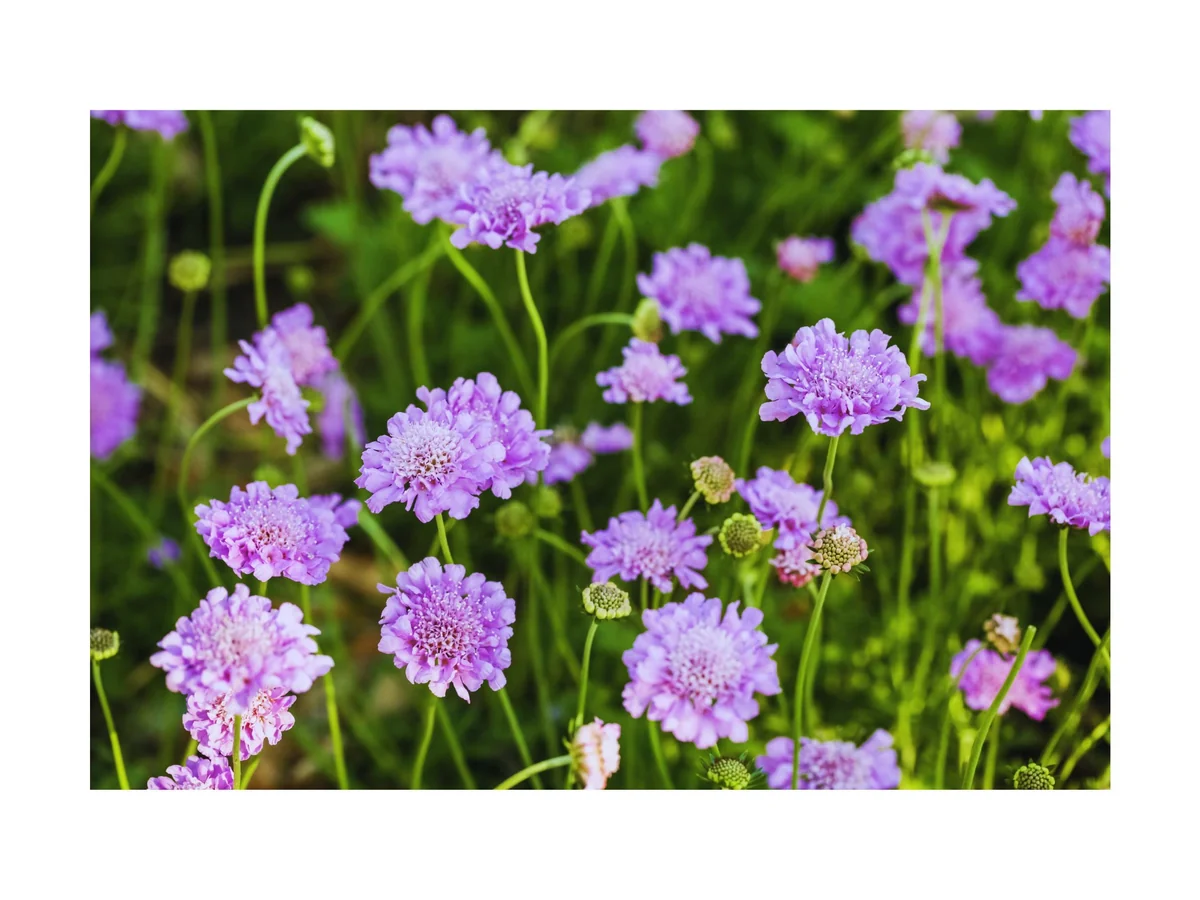


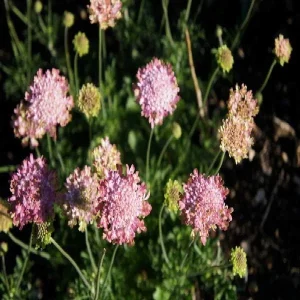
Scabiosa Live Plant – Pincushion Flower Starter Plugs – Perennial
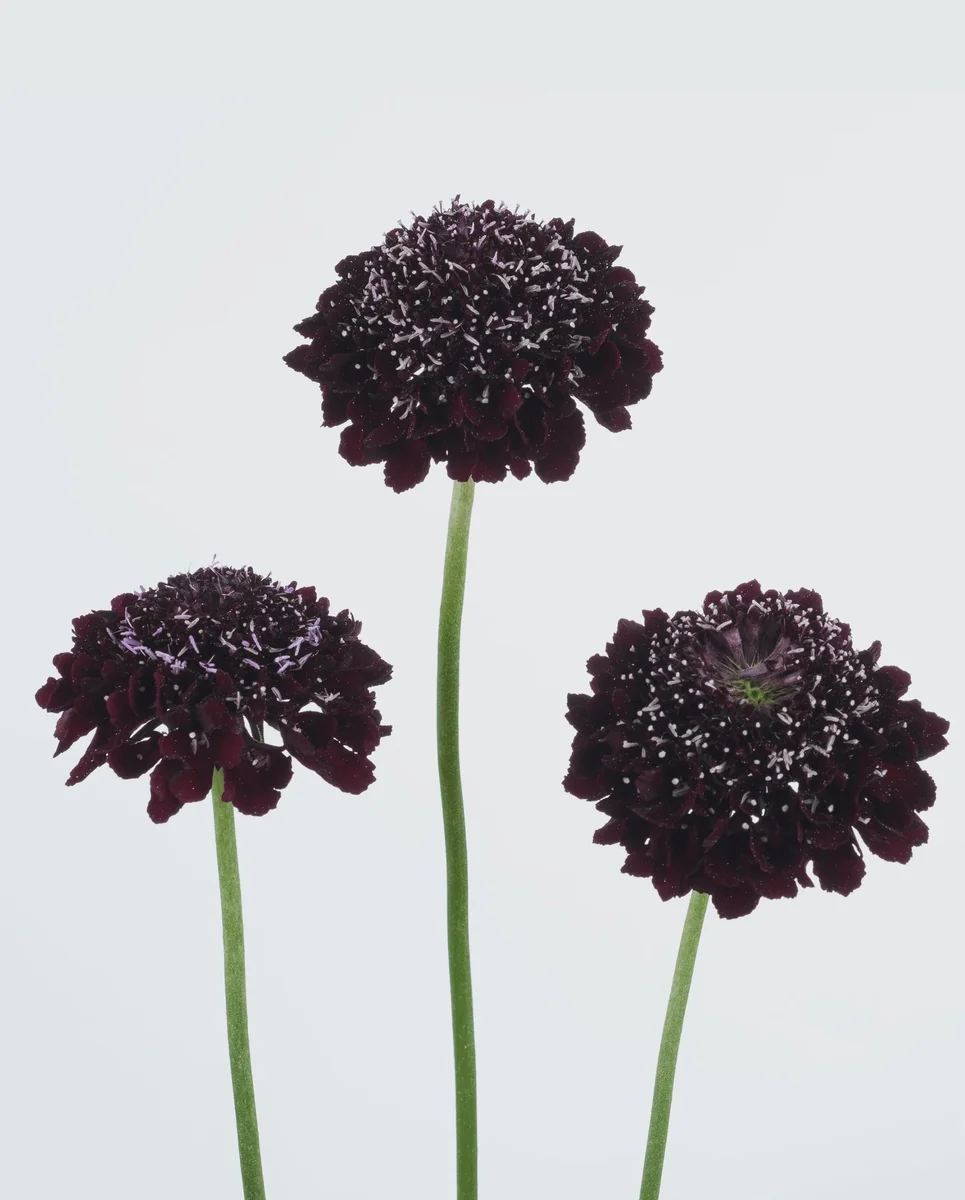
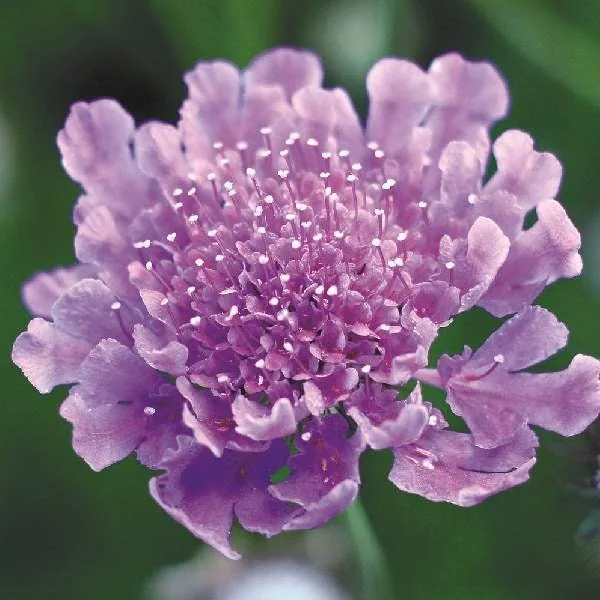
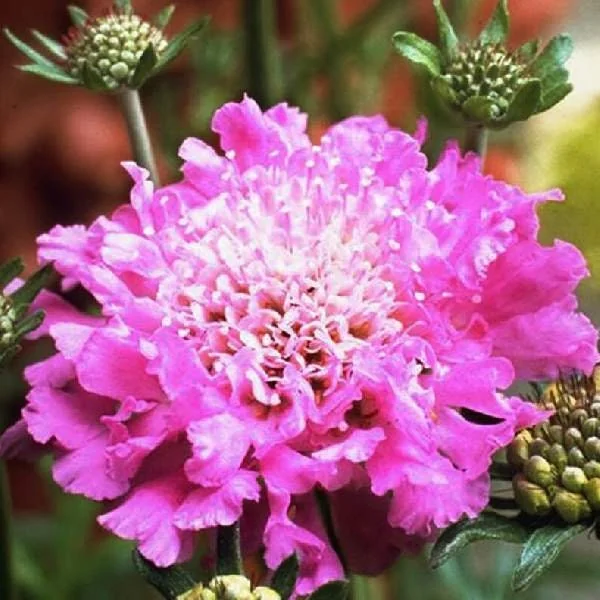
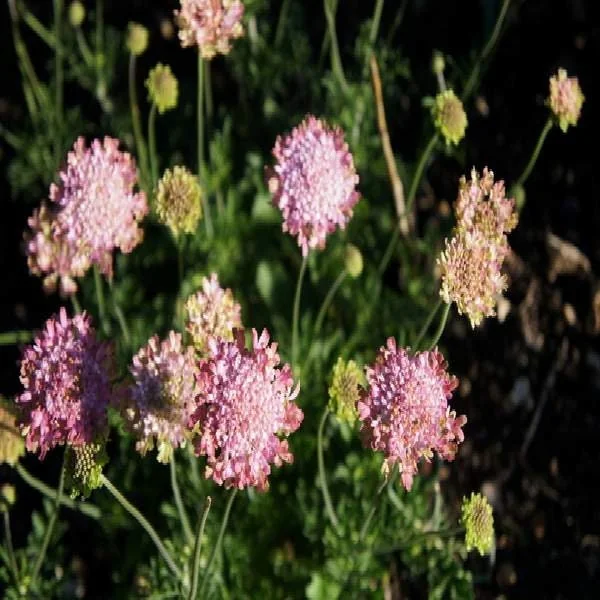
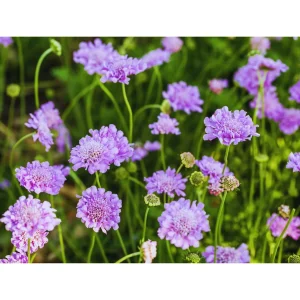
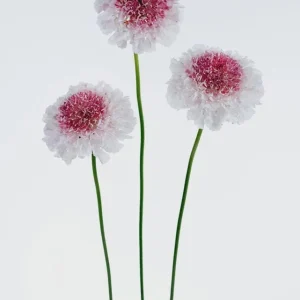
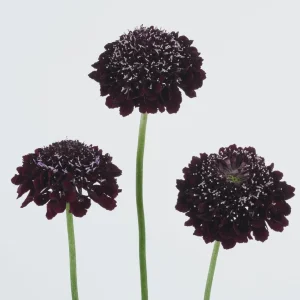
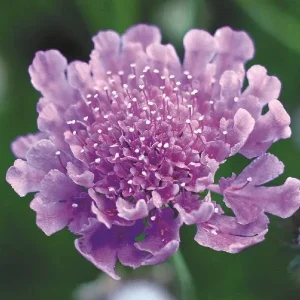
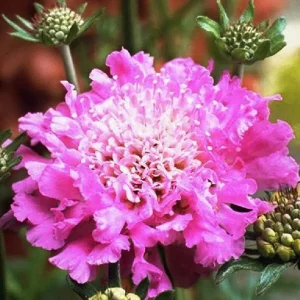
Enhance your garden with vibrant scabiosa live plant starter plugs, also known as pincushion flower plant. These well-rooted perennial plugs offer continuous blooms from spring to frost, attracting pollinators and adding charm to borders, containers, and cut flower arrangements.
$0.00

With our Alive & Thrive Guarantee, we’ve got your back for the first 30 days! If you have any concerns about your plants, just reach out to us. Our team is here to help answer your questions and guide you in selecting the best plants for your garden, climate, and unique preferences. We're excited to help you create the garden of your dreams!
Estimated arrival
Mar 28
Apr 02 - Apr 04
Apr 07 - Apr 11

Product Details
-
USDA Hardiness Zone
USDA Zones 5-7b and above (depending on variety) -
Soil type
Well-draining soil -
Sunlight Exposure
Full sun -
Expected Planting Period
Spring to early summer
Overview
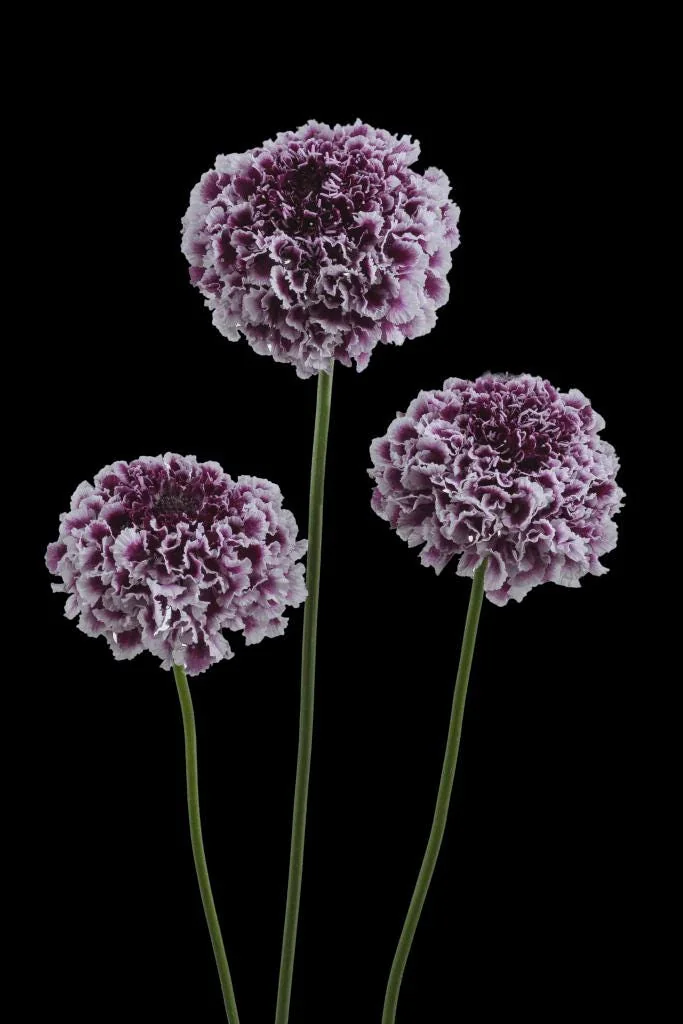
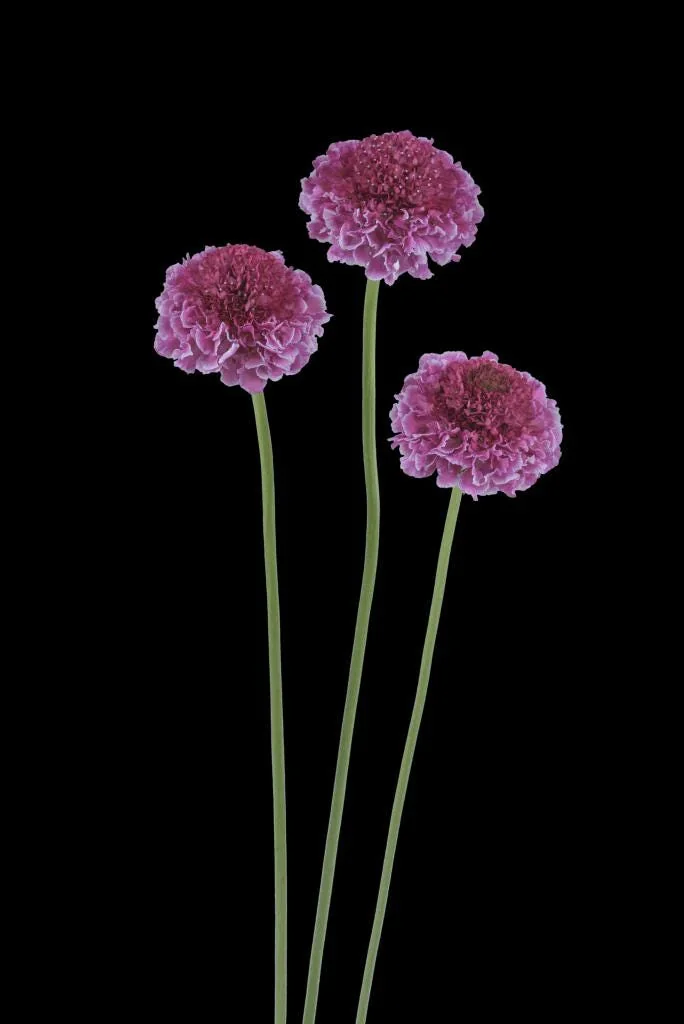
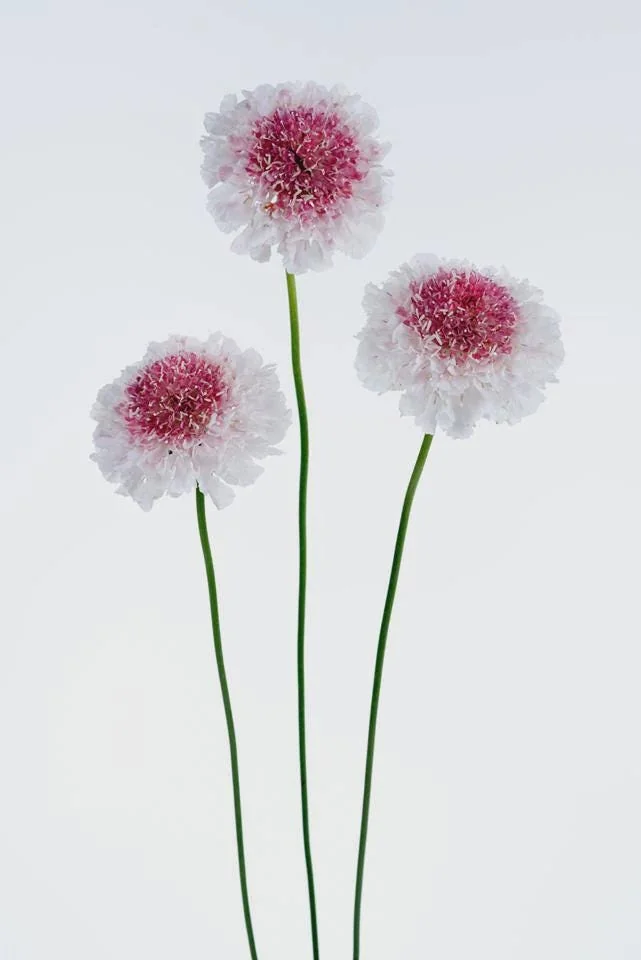
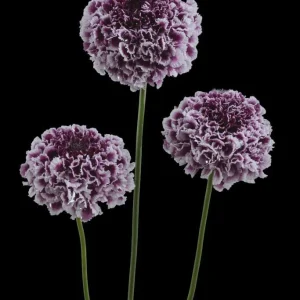
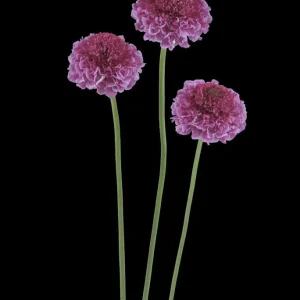
Introduce delightful charm and continuous color to your garden with our healthy scabiosa live plant starter plugs. Also known as Pincushion Flower, Scabiosa is a beloved perennial native to Europe, Asia, and Africa, celebrated for its unique, pincushion-like blooms. These robust, well-rooted starter plants are perfect for gardeners looking to establish a vibrant, low-maintenance display. Whether you’re creating a cottage garden, enhancing borders, or filling containers, pincushion flower plant varieties bring whimsical beauty and attract beneficial pollinators. Our plugs are an excellent starting point for cultivating these long-blooming flowers, promising a season full of intricate blossoms.
Key Benefits
The scabiosa live plant offers a multitude of benefits, making it a valuable addition to any garden. Its ease of growth and long blooming period ensure a spectacular display with minimal effort. These plants are not only beautiful but also contribute to a healthy ecosystem by attracting essential pollinators.
- Continuous Blooms: Enjoy a prolonged flowering season from April until the first frost, providing consistent color and interest in your garden. This makes them ideal for sustained visual appeal.
- Attracts Pollinators: The nectar-rich flowers are a magnet for bees, butterflies, and other beneficial pollinators, supporting local ecosystems and promoting biodiversity.
- Versatile Garden Use: Perfect for various landscape applications, including borders, walkways, cut flower gardens, and mixed containers. Their mounding habit makes them suitable for mid-border placement.
- Low Maintenance: Once established, these plants are relatively easy to care for, requiring minimal intervention beyond regular watering and occasional deadheading to encourage more blooms. This makes perennial scabiosa an excellent choice for busy gardeners.
- Drought & Deer Tolerant: Known for their resilience, Scabiosa plants exhibit good drought tolerance and are generally deer-resistant, offering peace of mind and reducing the need for constant protection.
- Compact Growth Habit: These dwarf varieties typically reach 10-24 inches tall and 18-24 inches wide, creating a neat and attractive mound that fits well in various garden settings without becoming unruly.
- Excellent Cut Flowers: The charming flowers make exquisite additions to fresh floral arrangements, bringing the beauty of your garden indoors.
Plant Care & Growing Tips
Caring for your scabiosa live plant is straightforward, ensuring a bountiful display of flowers with proper attention. These plants thrive in conditions that mimic their natural habitats, preferring ample sunlight and well-drained soil. Understanding their specific needs will help you cultivate healthy, vigorous plants that bloom prolifically throughout the season.
For optimal growth, plant your Scabiosa in a location that receives full sun, meaning at least 6 hours of direct sunlight per day. Well-drained soil is crucial to prevent root rot, so consider amending heavy clay soils with organic matter to improve drainage. Space plants 10-12 inches apart to allow for proper air circulation, which helps prevent fungal diseases. During the first year after planting, water regularly to help establish a strong, healthy root system. Once established, Scabiosa is quite drought-tolerant, but consistent moisture during dry spells will encourage better blooming. Deadhead spent flowers regularly to promote continuous blooming and prevent the plant from self-seeding excessively. After the first hard frost, cut back the foliage and remove any debris to prepare the plant for winter. For those looking for specific guidance, understanding scabiosa care is key to a thriving garden.
Two main types of Scabiosa are commonly available: Common Scabiosa and the Scoop series. Common Scabiosa is hardier, typically thriving in USDA Zones 5 and above, making it a robust choice for cooler climates. The Scoop series, while beautiful, is slightly less hardy, preferring USDA Zones 7b and above. Choose the appropriate variety for your local hardiness zone if you intend to grow them as perennials. These plug-size plants will arrive well-rooted and ready for transplanting. If you plan to use them in a landscape application, it’s often beneficial to establish them in a 3-4 inch pot before planting outdoors.
Size & Details
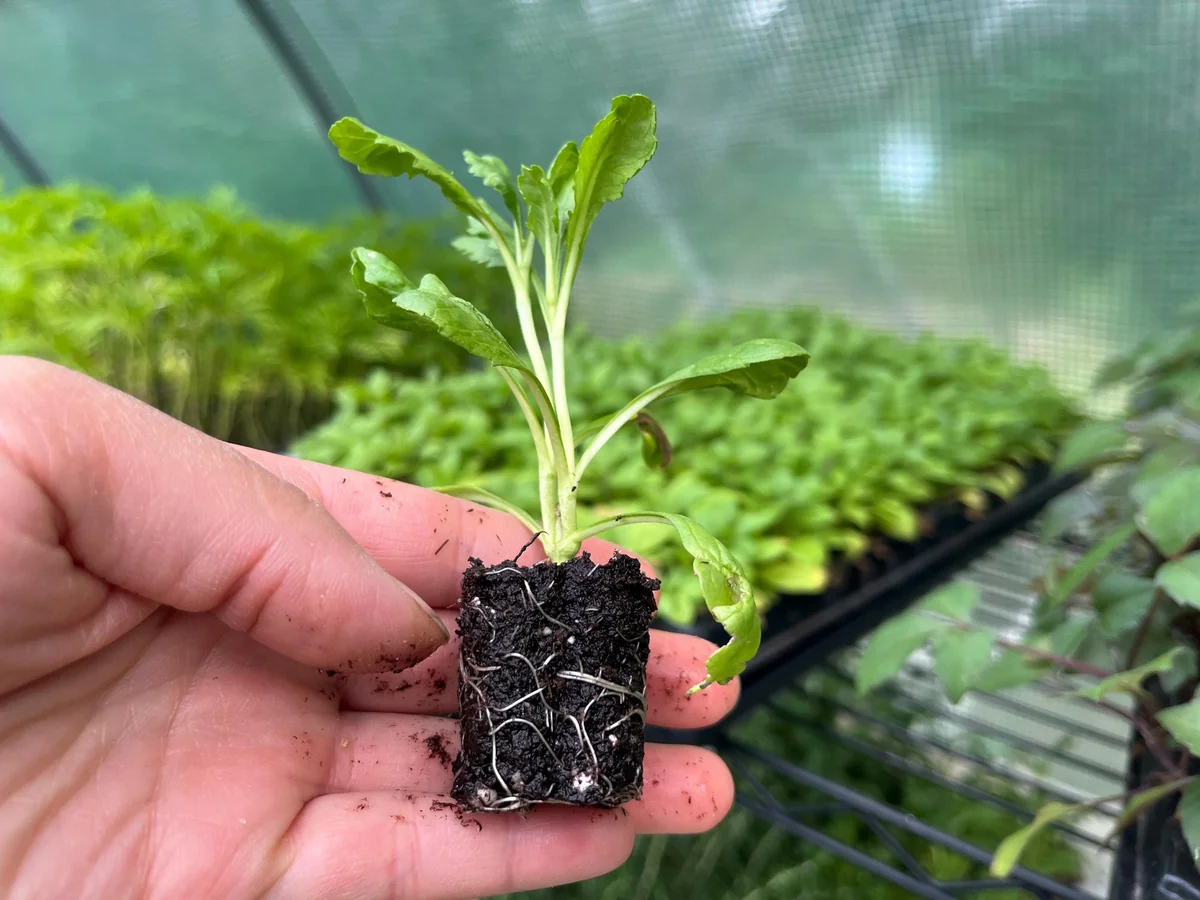
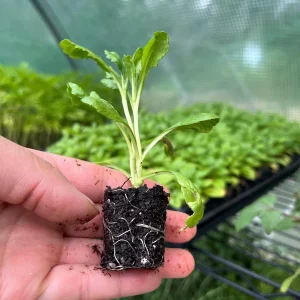
Each scabiosa live plant comes as a healthy, well-rooted starter plug, ready to be transplanted into its final growing location. These plugs are typically supplied in small containers, approximately 1″ X 1″ X 1 1/4″ in size. While plant sizes may vary slightly due to their natural growth, each plug is carefully cultivated to ensure a strong root system, which is the most critical factor for successful establishment. Mature plants of these dwarf varieties will form a mounding habit, reaching an average height of 10-24 inches and spreading 18-24 inches wide. This compact size makes them ideal for the middle of borders or as striking container specimens. Expect these plants to establish quickly and begin blooming in their first season, providing a beautiful display from spring to fall.
Frequently Asked Questions
- Q: How big does this plant get? A: This scabiosa live plant is a dwarf variety, typically growing to a height of 10-24 inches and spreading 18-24 inches wide, forming a compact, mounding habit.
- Q: What size pot does it come in? A: Each seedling comes as a small, well-rooted plug in a container approximately 1″ X 1″ X 1 1/4″. For immediate landscape planting, consider establishing them in a 3-4 inch pot first.
- Q: Is this an indoor or outdoor plant? A: Scabiosa is primarily an outdoor perennial, thriving in garden beds, borders, and outdoor containers. It requires full sun exposure to flourish.
- Q: How much sunlight does it need? A: The pincushion flower plant requires full sun, meaning at least 6 hours of direct sunlight per day, to produce the most abundant blooms.
- Q: Is this plant easy to care for? A: Yes, Scabiosa is known as an easy-grow scabiosa, especially once established. It’s relatively low-maintenance, requiring well-drained soil, full sun, and occasional deadheading.
- Q: What condition will it arrive in? A: Your plants will arrive as healthy, well-rooted plug-size seedlings, ready for transplanting. While minor foliage yellowing can occur due to transit, the strong root system ensures quick recovery and new growth.
- Q: How long until it blooms? A: Given proper care and conditions, these plants typically begin blooming in their first season, providing flowers from April until the first frost.
- Q: When is the best time to plant? A: The best time to plant these plugs is in spring or early summer, allowing them ample time to establish before the heat of summer or the cold of winter.
- Q: Will it survive winter in my zone? A: Common Scabiosa is hardy to USDA Zone 5 and above, while Scoop series Scabiosa is hardy to Zone 7b and above. Choose the type suitable for your specific hardiness zone to ensure perennial growth.
- Q: Is it drought-tolerant? A: Yes, once established, Scabiosa is known for its good drought tolerance, making it a resilient choice for various garden conditions. However, regular watering during prolonged dry spells is beneficial.
Related products
-30%
Original price was: $63.98.$44.78Current price is: $44.78.
-20%
Original price was: $31.98.$25.58Current price is: $25.58.
-10%
Original price was: $23.99.$21.59Current price is: $21.59.
-30%
Original price was: $63.98.$44.78Current price is: $44.78.
-30%
Original price was: $65.98.$46.18Current price is: $46.18.
-67%
Original price was: $41.97.$13.99Current price is: $13.99.
-20%
Original price was: $27.98.$22.38Current price is: $22.38.
PLANTING & CARE

The Comprehensive Guide to Growing Bay Leaf Plants for a Flavorful Garden
Imagine stepping into your garden, greeted by the earthy aroma of fresh bay leaves, their
09
Feb
Feb

How to Make Comfrey Tea: The Ultimate Organic Plant Food
Growing an organic garden can be surprisingly expensive, especially when most store-bought fertilizers come in
02
Feb
Feb

True Comfrey: 7 Essential Tips Before You Plant This Herb
A staple in permaculture practices across the US, True Comfrey easily earns its reputation as
27
Jan
Jan

7 Heart-Shaped Plants for a Lasting Valentine’s Gift
If you’ve ever bought a bouquet of roses for Valentine’s Day, you know they are
26
Jan
Jan

Best Types of Ivy Plant for Houses: How to Choose the Perfect Ones for Your Home
Are you a garden lover looking to introduce some greenery into your home? Maybe you’ve
14
Nov
Nov

When to Harvest Garlic (Especially Fall-Planted Garlic)
TIMING IS EVERYTHING, they say – and for garlic, that truth hits with surprising accuracy.
13
Nov
Nov

11 of the Best Sweet Potato Varieties to Grow for Your Garden
If you’ve ever tried growing sweet potatoes, you know that picking the right variety can
12
Nov
Nov
Pruning Bougainvillea for Winter
Bougainvillea vines are known for their dazzling display of magenta, orange, and fuchsia bracts that
05
Nov
Nov