Sedum Burrito Donkey’s Tail Trailing Succulent Live Plant – 2″ or 4″ Pot Indoor/Outdoor
-30%
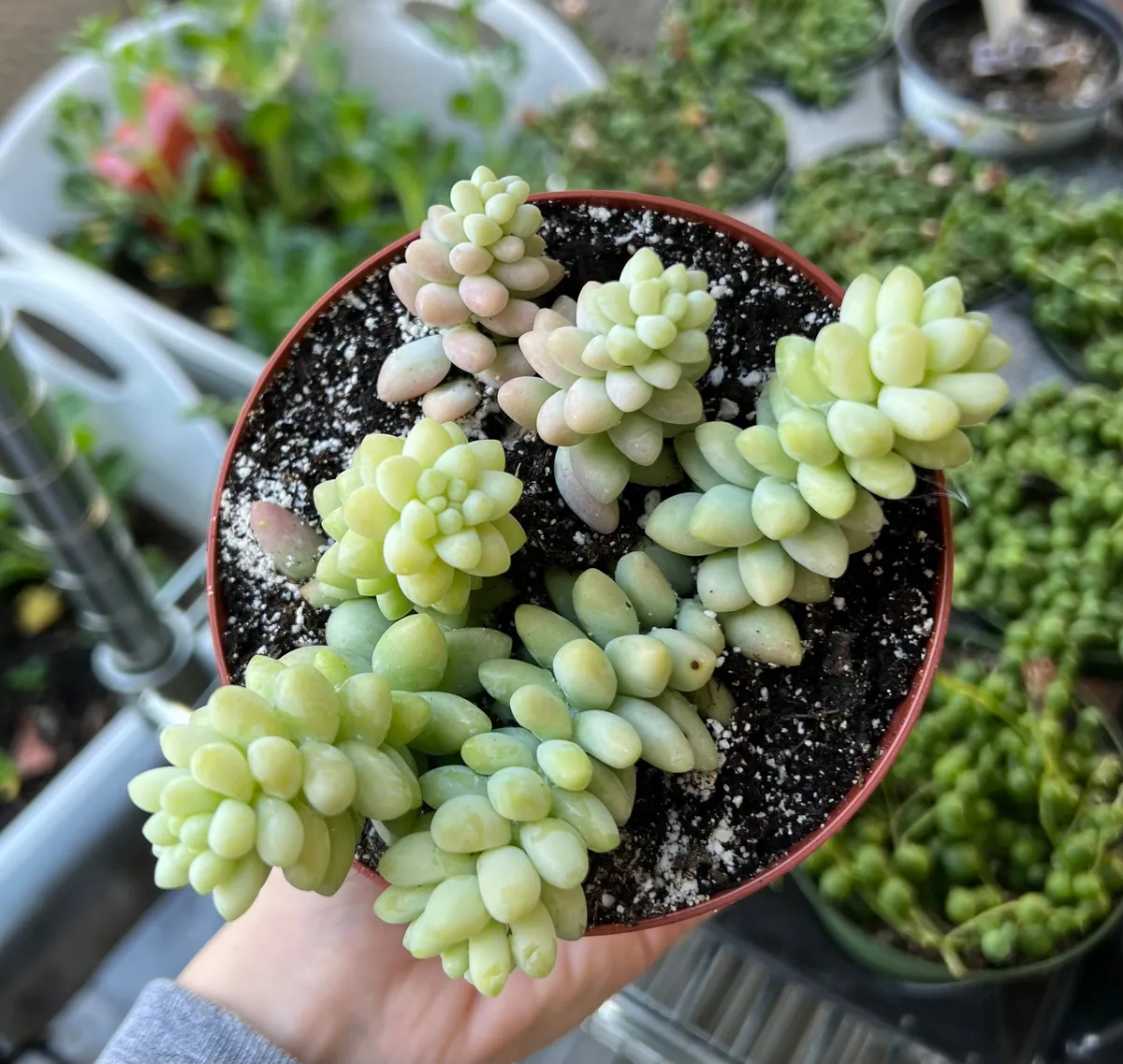
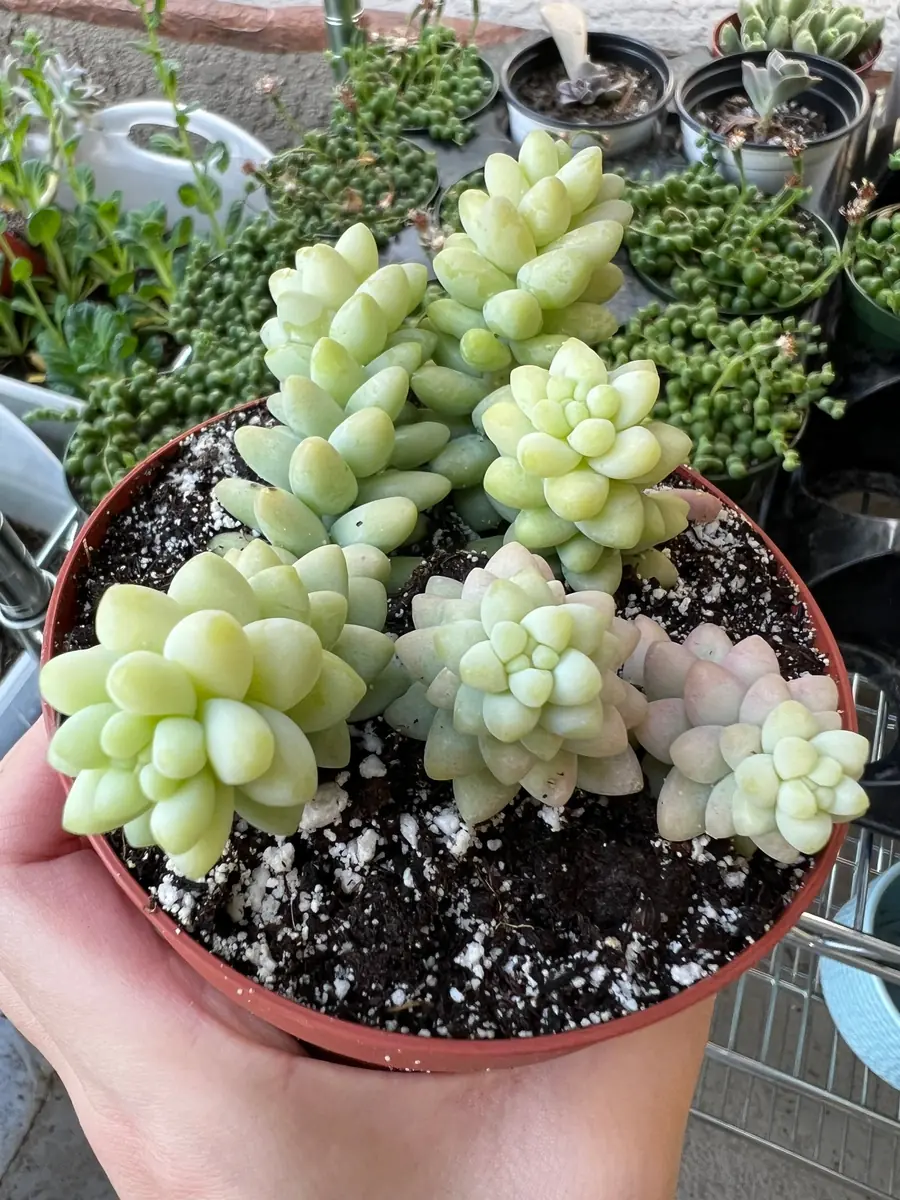
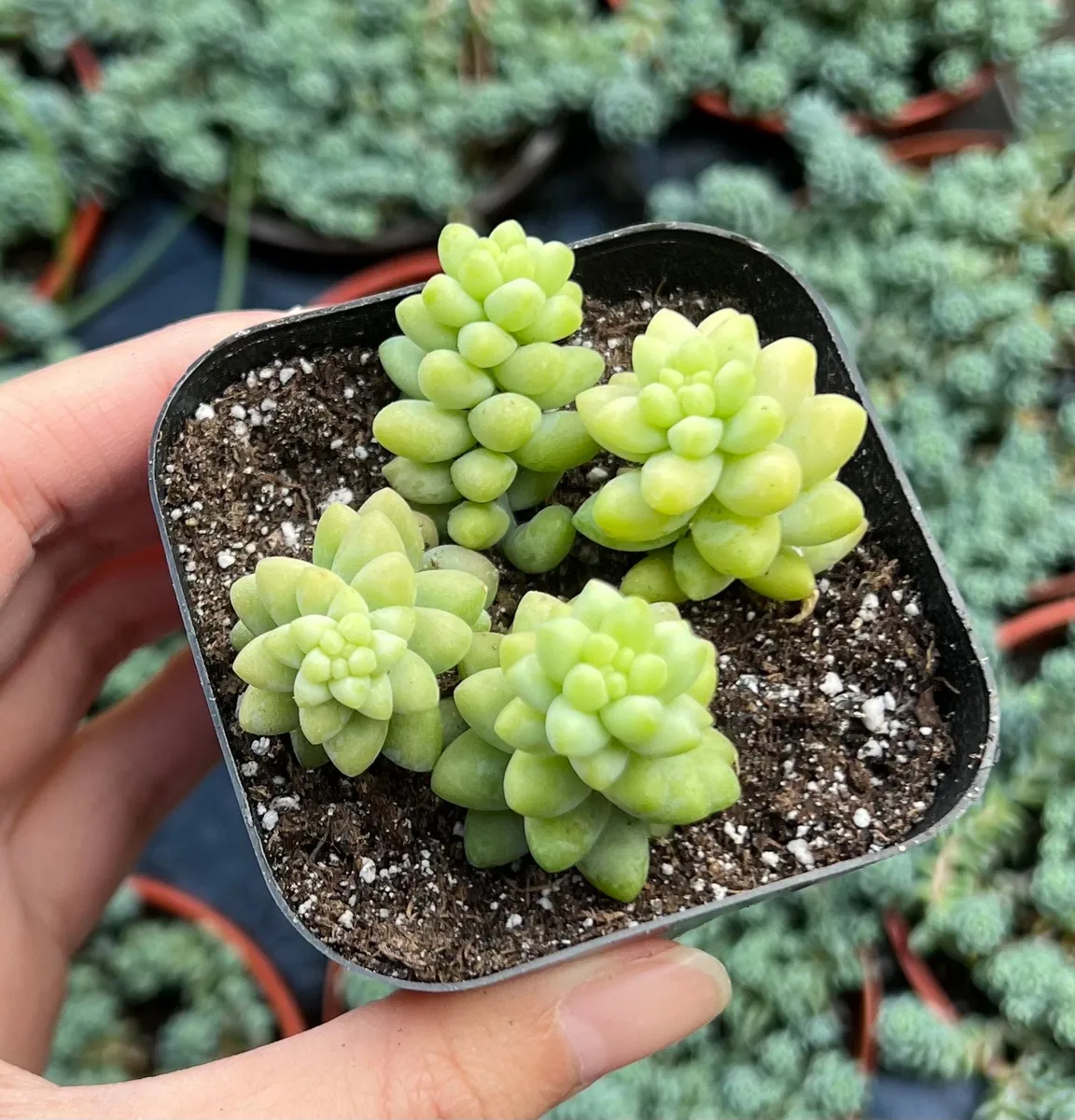
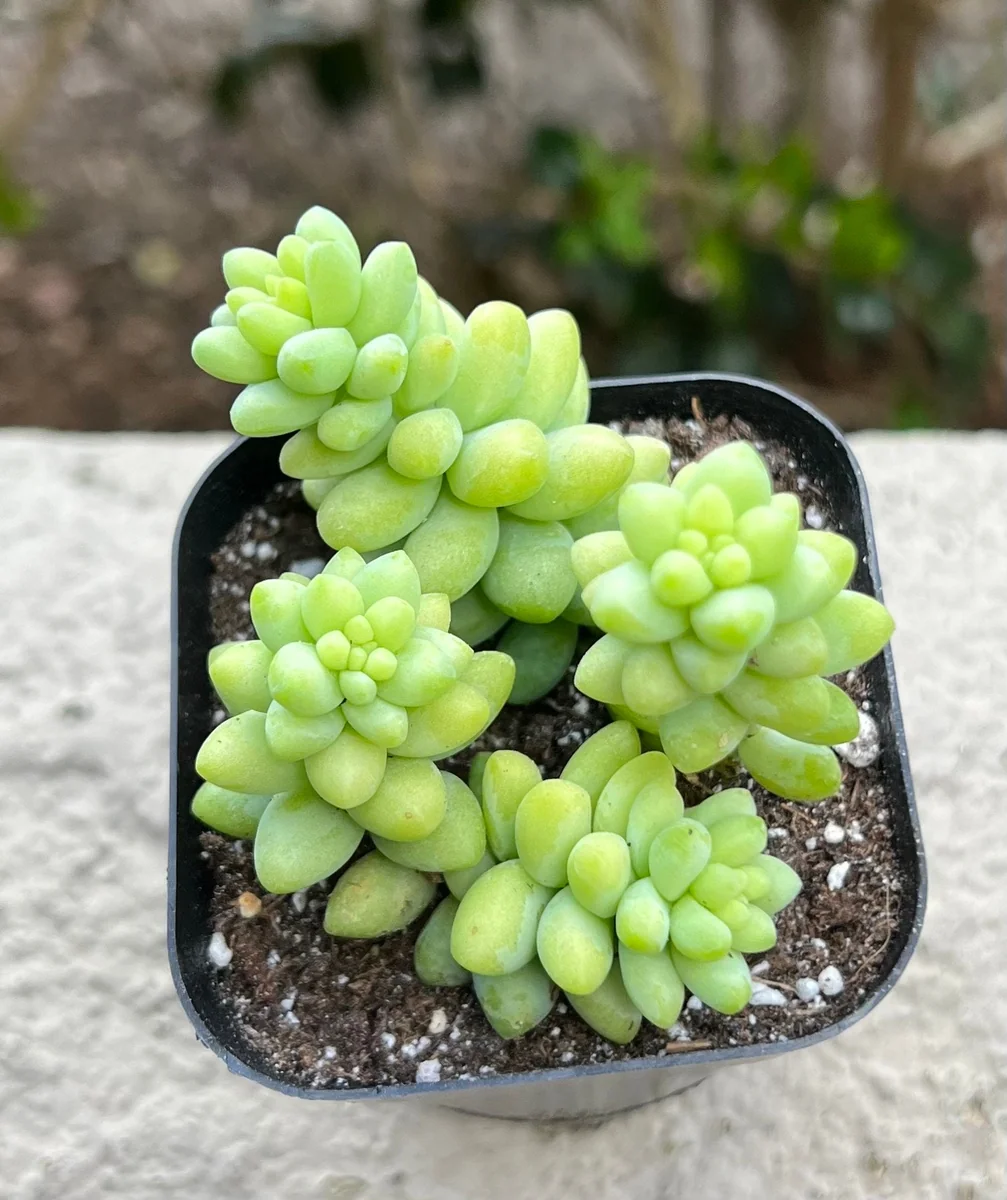
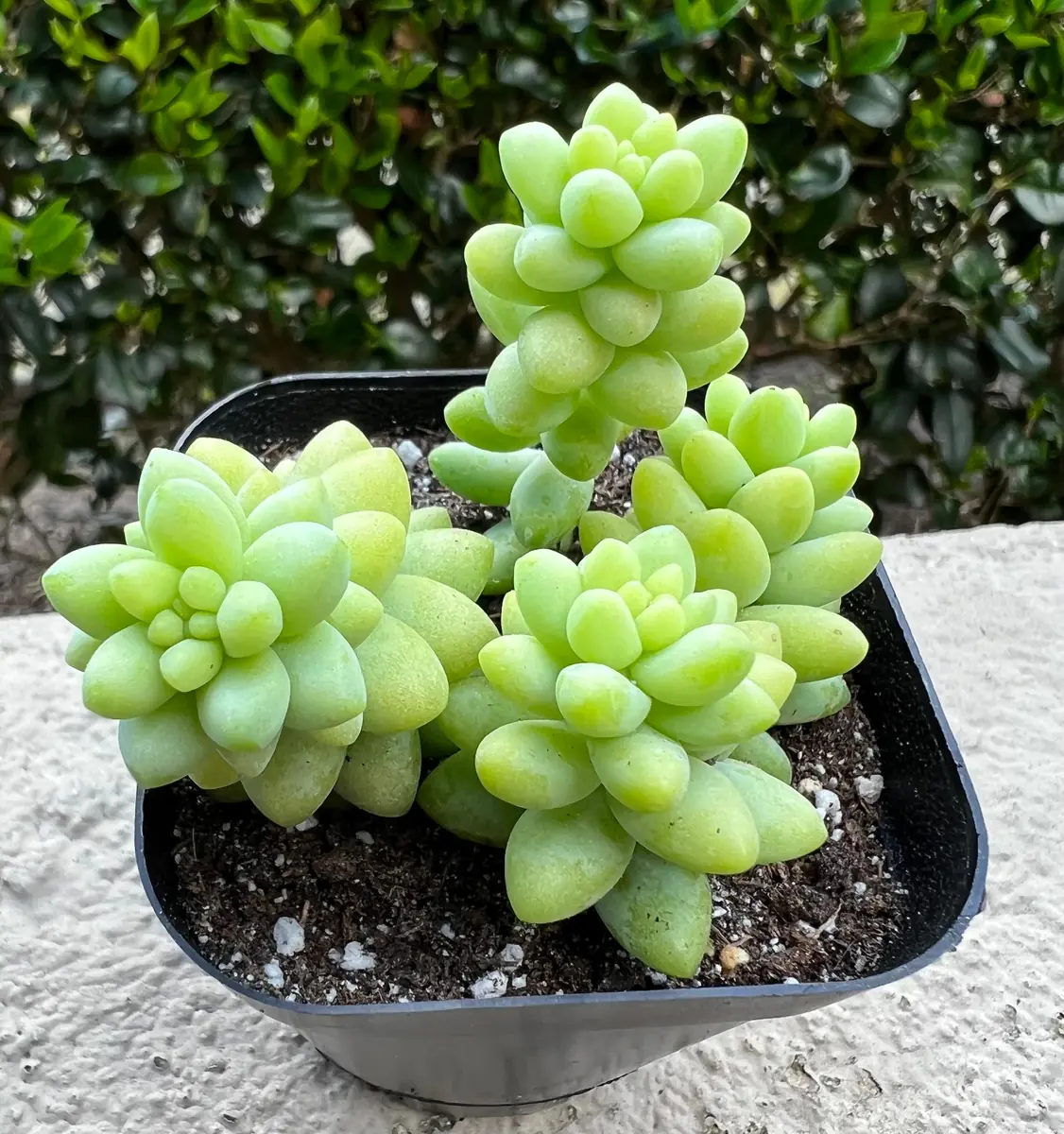
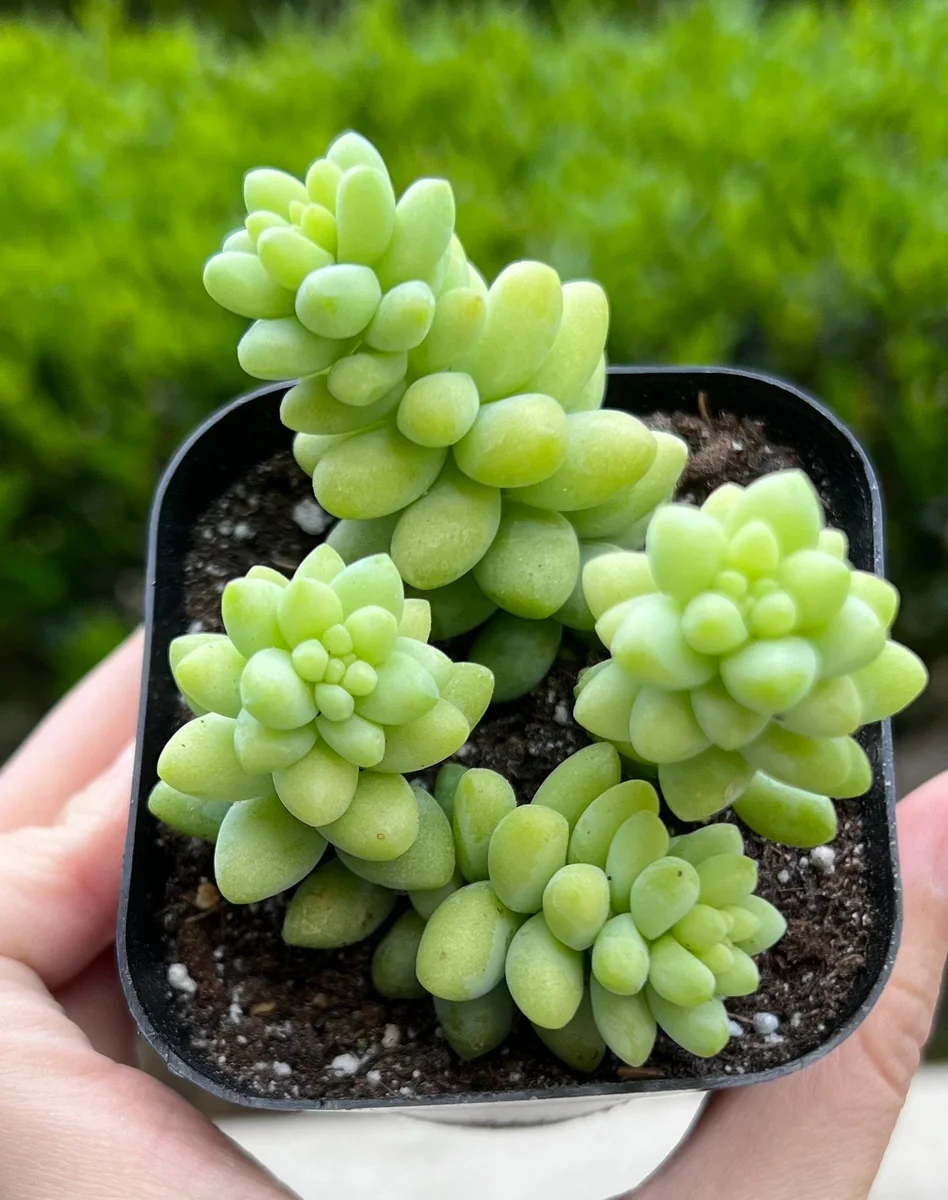
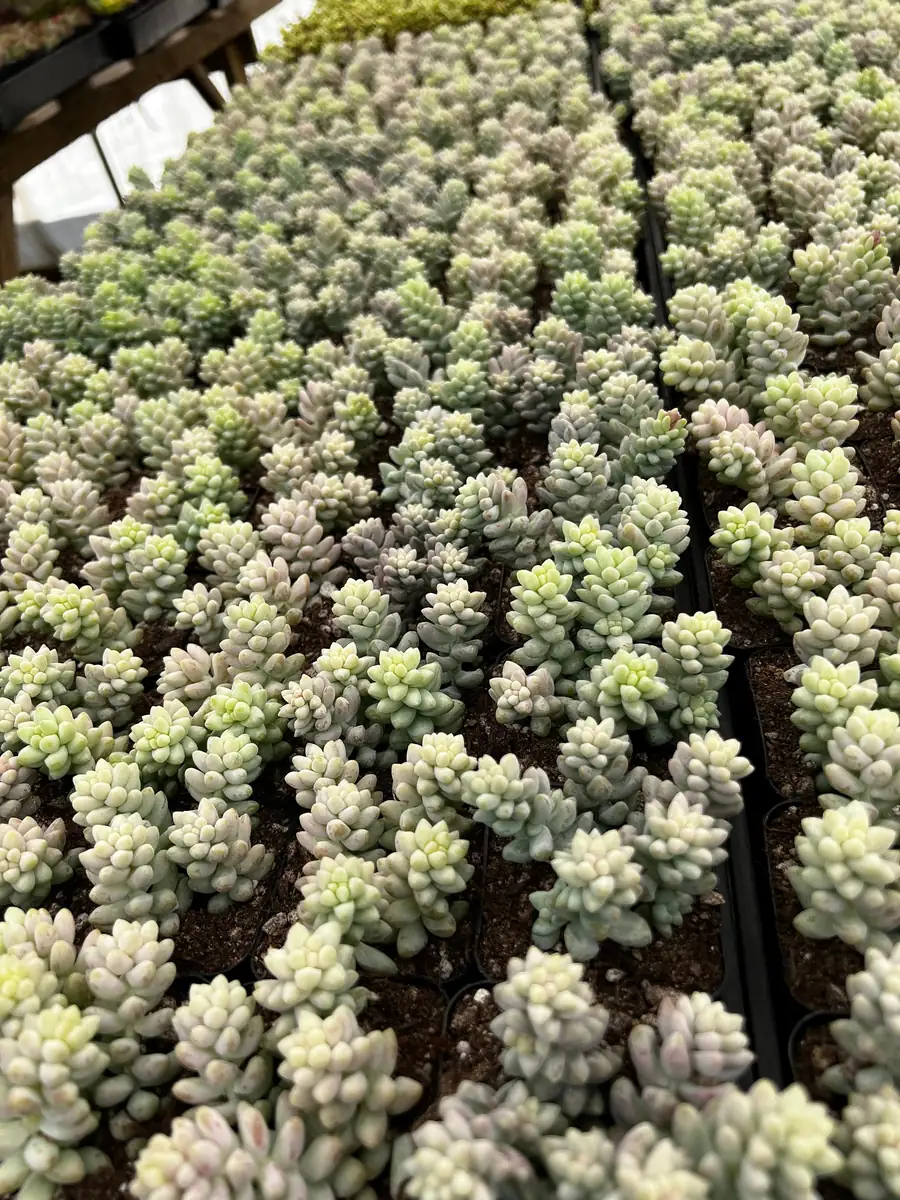
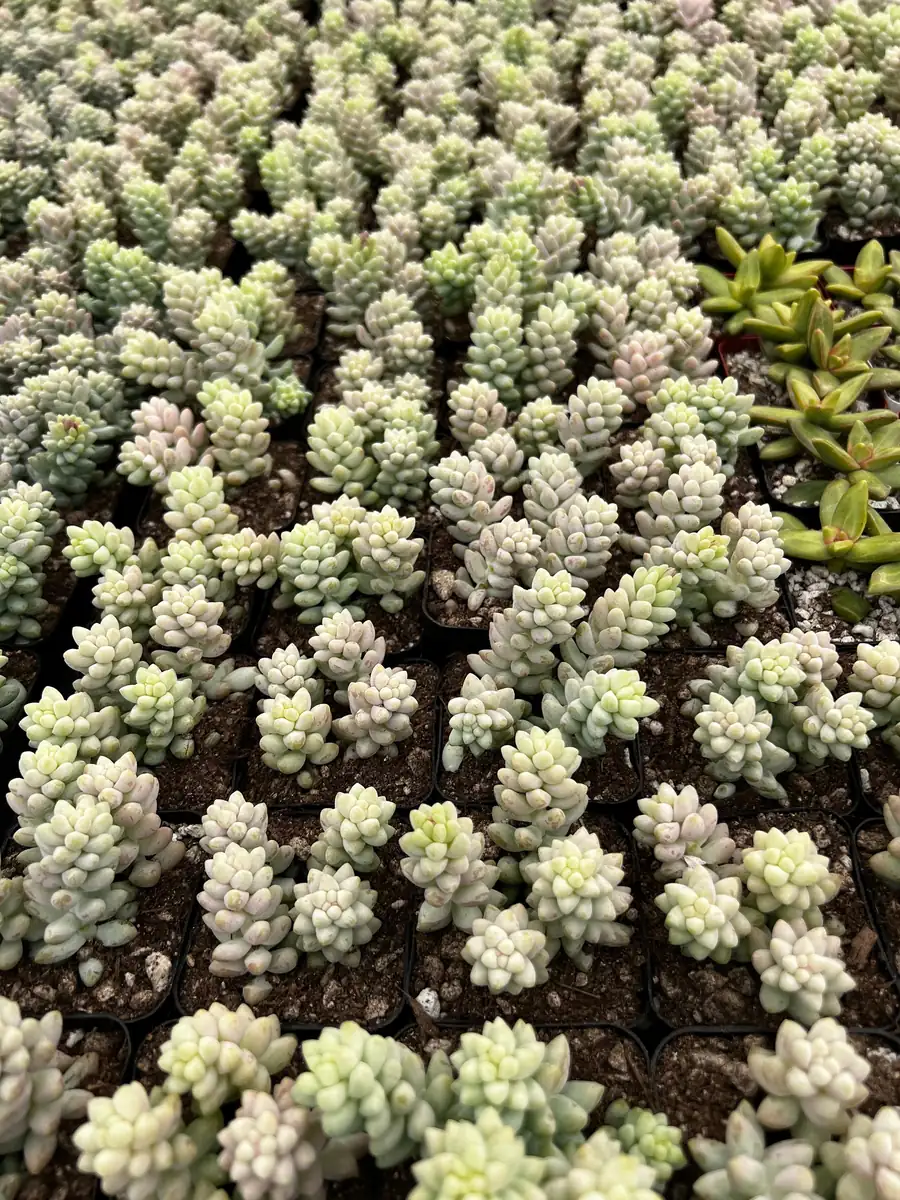
Sedum Burrito Donkey’s Tail Trailing Succulent Live Plant – 2″ or 4″ Pot Indoor/Outdoor
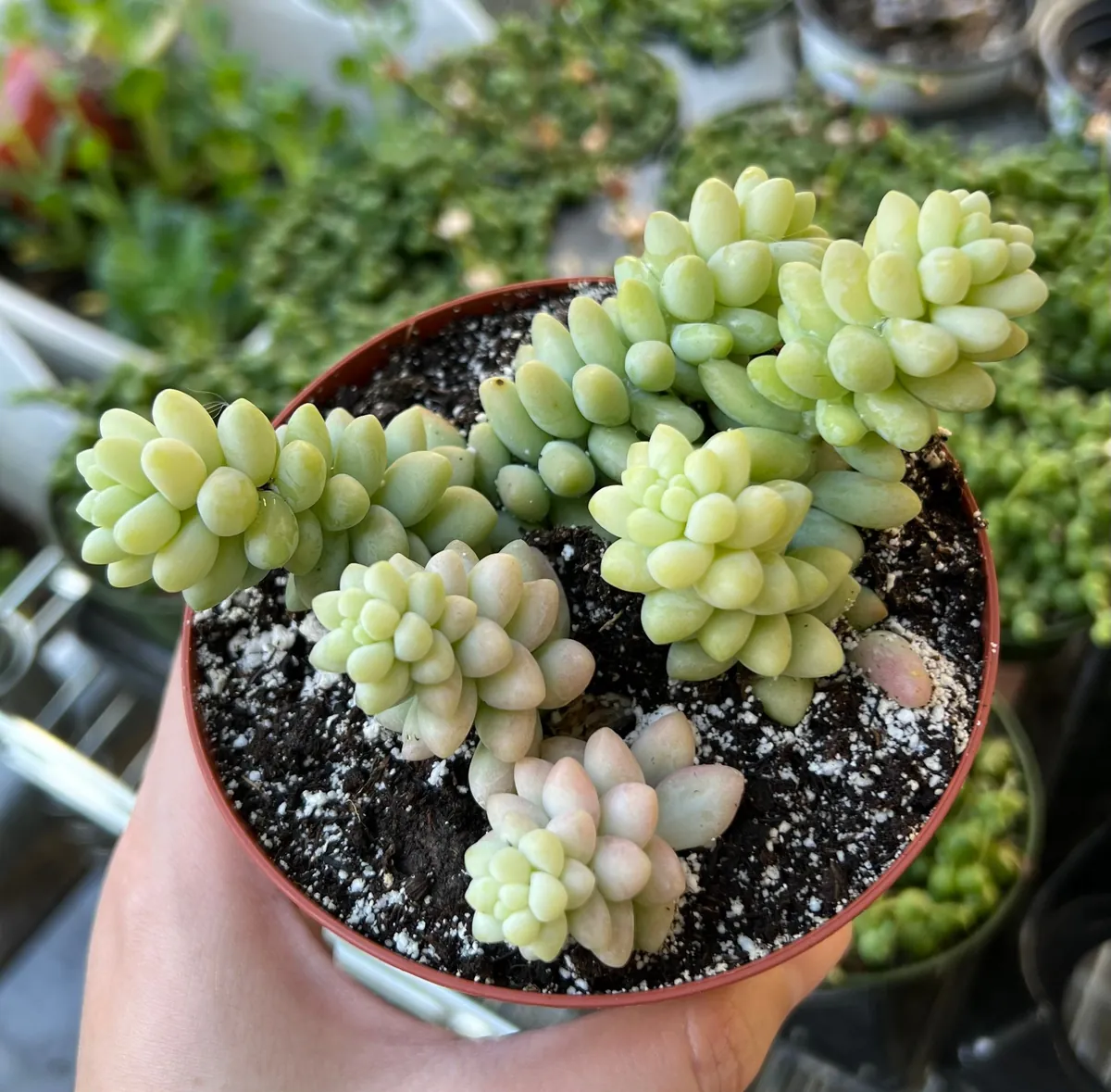
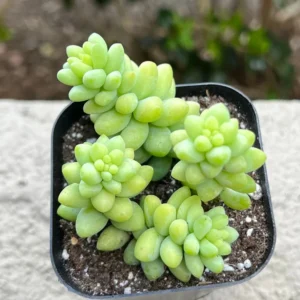
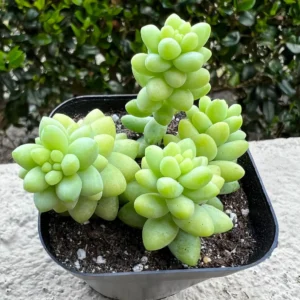
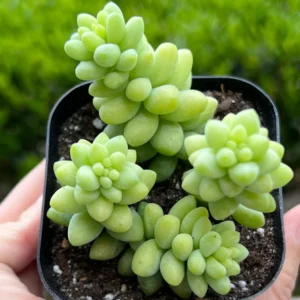
Bring home a stunning sedum burrito live plant, also known as donkey’s tail succulent. This popular trailing succulent is perfect for adding lush, cascading greenery to your indoor or outdoor space. Known for its cylindrical, pale blue-green leaves, it’s an easy-care choice for plant enthusiasts.
From Original price was: $23.96.$16.76Current price is: $16.76.

With our Alive & Thrive Guarantee, we’ve got your back for the first 30 days! If you have any concerns about your plants, just reach out to us. Our team is here to help answer your questions and guide you in selecting the best plants for your garden, climate, and unique preferences. We're excited to help you create the garden of your dreams!
Estimated arrival
Apr 05
Apr 10 - Apr 12
Apr 15 - Apr 19
Product Details
-
USDA Hardiness Zone
USDA Zones 9-11 (outdoors) or indoors year-round -
Soil type
Well-draining succulent or cactus mix -
Sunlight Exposure
Bright indirect light -
Expected Planting Period
Year-round indoors
Overview
Introducing the captivating sedum burrito live plant, a true jewel for any plant collection. Also widely known as Donkey’s Tail succulent or Burro’s Tail, this unique trailing succulent (Sedum morganianum ‘Burrito’) is celebrated for its distinctive, bead-like leaves that cascade gracefully, creating a lush and vibrant display. Native to regions of Central America, this member of the Crassulaceae family is highly valued for its striking appearance and relatively low-maintenance care requirements. Whether you’re a seasoned succulent enthusiast or a beginner looking for an eye-catching addition, the sedum burrito live plant offers unparalleled beauty and ease of growth, making it a perfect choice for hanging baskets, shelves, or as an accent plant.
The ‘Burrito’ cultivar of Sedum morganianum is characterized by its shorter, plumper leaves compared to the standard Donkey’s Tail, giving it a more compact and tightly packed appearance. Its pale blue-green leaves are covered in a fine, powdery wax (farina) that protects the plant from strong sunlight and moisture loss. As it matures, the stems can grow quite long, reaching up to 2 feet in length, forming an impressive curtain of foliage. This drought-tolerant plant thrives in bright, indirect light and requires minimal watering, making it an ideal choice for busy individuals or those seeking a resilient houseplant. Its charming aesthetic and simple care make the sedum burrito live plant a perennial favorite.
Key Benefits
The sedum burrito live plant offers a multitude of benefits, making it an excellent choice for both novice and experienced gardeners. Its unique form and easy-care nature contribute to its widespread popularity.
- Stunning Visual Appeal: The cascading stems adorned with plump, cylindrical leaves create a dramatic and beautiful display. It’s perfect for hanging baskets, elevated planters, or shelves where its trailing habit can be fully appreciated, adding a touch of natural elegance to any room.
- Low Maintenance & Drought-Tolerant: This donkey’s tail succulent is incredibly forgiving, requiring infrequent watering and thriving on a bit of neglect. Its succulent nature allows it to store water in its leaves, making it an excellent choice for those with busy schedules or who are new to plant care.
- Easy Propagation: One of the most rewarding aspects of owning a burro’s tail plant is how easily it can be propagated. Even fallen leaves can root and grow into new plants, allowing you to expand your collection or share with friends. This makes it a sustainable and cost-effective option for plant lovers.
- Versatile Placement: While primarily an indoor plant in most climates, the sedum burrito can also thrive outdoors in frost-free regions or as a seasonal accent in containers. Its adaptability to various settings makes it a flexible choice for home decor.
- Air Purification: Like many houseplants, the sedum burrito live plant contributes to a healthier indoor environment by helping to filter airborne toxins and improve air quality, creating a more pleasant living space.
- Unique Texture and Color: The distinctive pale blue-green leaves with their waxy texture offer a unique sensory experience and contrast beautifully with other plants, adding depth and interest to your plant arrangements.
Plant Care & Growing Tips
Caring for your sedum burrito live plant is straightforward, making it an ideal choice for gardeners of all skill levels. Understanding its basic needs will ensure your plant thrives and produces its characteristic lush, trailing stems.
Sunlight Requirements: This succulent prefers bright, indirect light. Indoors, place it near a south or west-facing window where it can receive several hours of bright, filtered sunlight daily. Direct, intense afternoon sun can scorch its leaves, especially in hot climates, so a sheer curtain or a slight distance from the window can be beneficial. If grown outdoors, ensure it receives morning sun and is protected from harsh afternoon rays. Adequate light is crucial for maintaining the plant’s compact form and vibrant color; insufficient light can lead to leggy growth and duller foliage.
Watering Schedule and Soil Moisture: Overwatering is the most common cause of problems for succulents. Water your donkey’s tail succulent thoroughly when the soil is completely dry to the touch, typically every 2-4 weeks during the growing season (spring and summer). In winter, reduce watering significantly, perhaps once a month or even less, as the plant enters a dormant period. Always ensure excess water drains away freely to prevent root rot. If you’re unsure, it’s better to underwater than overwater.
Soil Type and Drainage: The burro’s tail plant requires a well-draining soil mix to prevent waterlogged roots. A specialized succulent or cactus potting mix is ideal. You can also create your own by mixing regular potting soil with perlite, pumice, or coarse sand in a 1:1 ratio. The pot itself should have drainage holes to facilitate proper water runoff. Good drainage is paramount for the health of your sedum burrito propagation efforts as well.
Temperature Range and USDA Hardiness Zone: Sedum burrito thrives in average room temperatures between 65-80°F (18-27°C). It is not frost-tolerant and should be brought indoors when temperatures drop below 40°F (4°C). In USDA Zones 9-11, it can be grown outdoors year-round, provided it is protected from extreme cold. To encourage the beautiful rainbow coloration, provide warm days and cooler nights, creating temperature differences without exposing it to freezing conditions.
Fertilization: Fertilize sparingly during the active growing season (spring and summer) with a balanced, diluted liquid fertilizer formulated for succulents or cacti. Apply once every 2-4 weeks at half strength. Avoid fertilizing in fall and winter when the plant is dormant. Excessive fertilization can lead to weak, leggy growth.
Common Problems and Solutions: The most common issues are related to watering. Yellowing, mushy leaves indicate overwatering and potential root rot. Wrinkled, shriveled leaves suggest underwatering, which is easily remedied by a good soak. Stem breakage is common due to the delicate nature of the leaves; however, these can be used for sedum burrito propagation. Pests like mealybugs or aphids can occasionally appear; treat with insecticidal soap or neem oil.
Size & Details
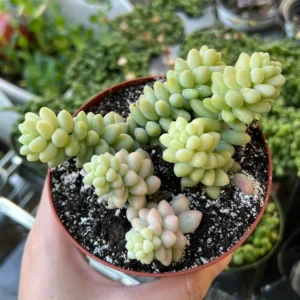
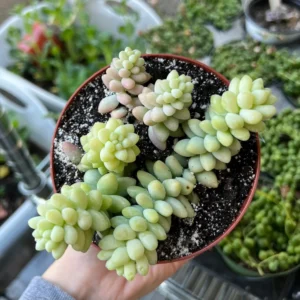
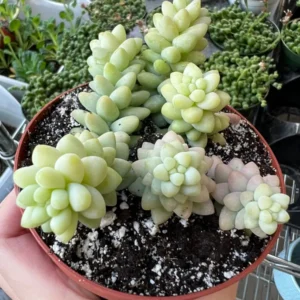
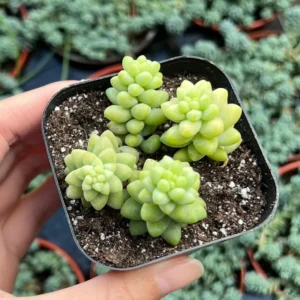
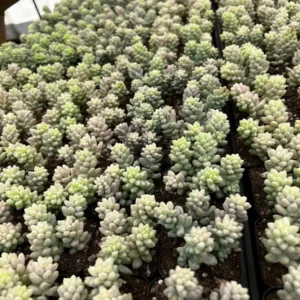
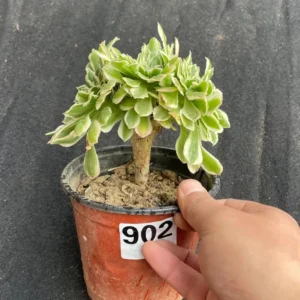
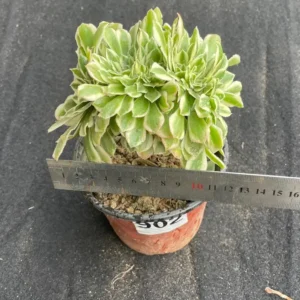
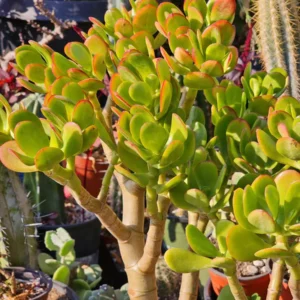
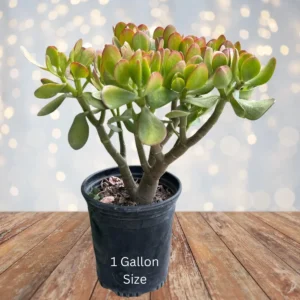
This listing offers a live sedum burrito live plant, commonly known as Donkey’s Tail, available in two popular pot sizes: 2-inch and 4-inch nursery pots. The plant you receive will be similar in size and appearance to the product images, showcasing healthy growth and vibrant foliage. The cylindrical leaves typically measure about 1-1.5 inches (3-4 cm) long. As the plant matures, its trailing stems can reach impressive lengths, often up to 24 inches (60 cm) or more, making it an ideal candidate for hanging displays where its cascading habit can be fully appreciated. The growth rate is moderate, allowing you to enjoy its development over time.
Your donkey’s tail succulent will be shipped as a bare-root plant to minimize stress and prevent stem breakage during transit. It’s normal for a few leaves to drop during shipping; these can often be used for sedum burrito propagation. Upon arrival, plant it in a well-draining succulent mix in a pot with drainage holes. With proper care, your plant will establish quickly and begin to grow, developing its characteristic lush, ‘tail-like’ appearance. Expect continuous growth and new stems once settled in its new environment. The plant may exhibit varying degrees of ‘rainbow color’ depending on its previous growing conditions; this can be stimulated with temperature differences and good sun exposure.
Frequently Asked Questions
- Q: How big does this plant get? A: The sedum burrito live plant can produce trailing stems that reach up to 24 inches (60 cm) or more in length, creating a stunning cascading effect. The plant itself will fill out the pot size you select and continue to grow longer over time with proper care.
- Q: Is this an indoor or outdoor plant? A: While it can be grown outdoors in warm, frost-free climates (USDA Zones 9-11), the donkey’s tail succulent is most commonly grown as an indoor houseplant in areas with colder winters. It thrives in bright, indirect light indoors.
- Q: How much sunlight does it need? A: The burro’s tail plant requires bright, indirect sunlight for at least 4-6 hours a day. Avoid harsh, direct afternoon sun, which can scorch its delicate leaves. A south or west-facing window with filtered light is often ideal.
- Q: Is this plant easy to care for? Is it good for beginners? A: Yes, the sedum burrito live plant is considered very easy to care for and is an excellent choice for beginners. Its drought-tolerant nature means it can handle occasional neglect, and its clear signs of thirst (wrinkled leaves) make it easy to know when to water.
- Q: What condition will it arrive in? Is it shipped in soil? A: To ensure the best health and minimize damage during transit, your plant will be shipped bare-root. It will not arrive in soil or a pot. This method helps prevent stems from breaking and reduces the risk of rot from excess moisture during shipping.
- Q: How do I propagate my Sedum Burrito? A: Sedum burrito propagation is remarkably easy! Simply place any fallen leaves or stem cuttings on dry, well-draining soil. After a week, you can lightly mist the soil. New roots and tiny plantlets will eventually emerge from the leaves.
- Q: How often should I water my Donkey’s Tail succulent? A: Water only when the soil is completely dry to the touch. This usually means every 2-4 weeks during the warmer growing months and much less frequently (monthly or bi-monthly) during winter dormancy. Always ensure good drainage to prevent root rot.
- Q: What kind of soil is best for this plant? A: A well-draining soil mix is crucial. Use a specialized succulent or cactus potting mix, or create your own by amending regular potting soil with perlite, pumice, or coarse sand to improve drainage.
- Q: Why are leaves falling off my Sedum Burrito? A: The leaves of the sedum burrito live plant are naturally delicate and can detach easily with touch or during shipping. This is normal and often a sign of a healthy plant ready to propagate. Excessive leaf drop can also indicate overwatering or underwatering stress.
- Q: Can I achieve the ‘rainbow color’ mentioned in the description? A: Yes, the ‘rainbow color’ or stress colors (pinks, reds, purples) can be stimulated by creating temperature differences (warm days, cool nights) and providing good sun exposure without burning the plant. This is a natural response to mild stress.
| Size - Ship in root ball, no pot | 2", 4", 6" |
|---|
Related products
-30%
Original price was: $47.98.$33.58Current price is: $33.58.
-30%
Original price was: $79.98.$55.98Current price is: $55.98.
-30%
Original price was: $47.98.$33.58Current price is: $33.58.
-30%
Original price was: $129.98.$90.98Current price is: $90.98.
-30%
Original price was: $85.98.$60.18Current price is: $60.18.
-40%

Original price was: $19.60.$11.76Current price is: $11.76.
PLANTING & CARE
Growing Glencoe Raspberry: A Complete Guide for Gardeners
If you’re looking to add something unique to your garden, look no further than the
31
Mar
Mar

The Comprehensive Guide to Growing Bay Leaf Plants for a Flavorful Garden
Imagine stepping into your garden, greeted by the earthy aroma of fresh bay leaves, their
09
Feb
Feb

How to Make Comfrey Tea: The Ultimate Organic Plant Food
Growing an organic garden can be surprisingly expensive, especially when most store-bought fertilizers come in
02
Feb
Feb

True Comfrey: 7 Essential Tips Before You Plant This Herb
A staple in permaculture practices across the US, True Comfrey easily earns its reputation as
27
Jan
Jan

7 Heart-Shaped Plants for a Lasting Valentine’s Gift
If you’ve ever bought a bouquet of roses for Valentine’s Day, you know they are
26
Jan
Jan

Best Types of Ivy Plant for Houses: How to Choose the Perfect Ones for Your Home
Are you a garden lover looking to introduce some greenery into your home? Maybe you’ve
14
Nov
Nov

When to Harvest Garlic (Especially Fall-Planted Garlic)
TIMING IS EVERYTHING, they say – and for garlic, that truth hits with surprising accuracy.
13
Nov
Nov

11 of the Best Sweet Potato Varieties to Grow for Your Garden
If you’ve ever tried growing sweet potatoes, you know that picking the right variety can
12
Nov
Nov