Set of 4 Lavender Live Plants, 4-6 Inches Tall, Fragrant Blue-Purple Herb Shrub for Outdoor Garden & Patio
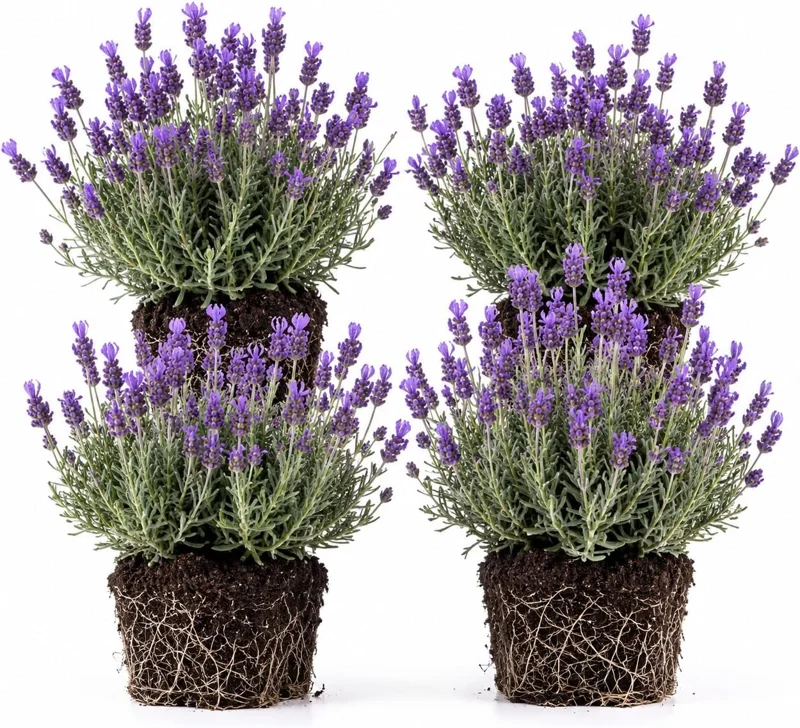
Set of 4 Lavender Live Plants, 4-6 Inches Tall, Fragrant Blue-Purple Herb Shrub for Outdoor Garden & Patio
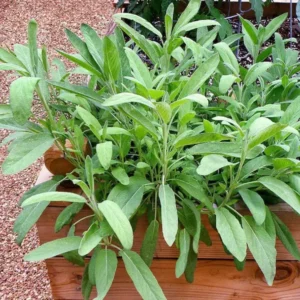
Enhance your outdoor space with this set of lavender live plants. You’ll receive four 4-6 inch starter plants, ready to bring their beautiful blue-purple blooms and calming fragrance to your garden. These fragrant lavender plants are perfect for containers, patios, or garden beds, attracting beneficial pollinators and offering culinary versatility.
$27.99

With our Alive & Thrive Guarantee, we’ve got your back for the first 30 days! If you have any concerns about your plants, just reach out to us. Our team is here to help answer your questions and guide you in selecting the best plants for your garden, climate, and unique preferences. We're excited to help you create the garden of your dreams!
Estimated arrival
Aug 16
Aug 21 - Aug 23
Aug 26 - Aug 30
Product Details
-
USDA Hardiness Zone
USDA Zones 5-9 -
Soil type
Well-draining, sandy or gravelly loam -
Sunlight Exposure
Full sun (6-8 hours daily) -
Expected Planting Period
Spring to early summer
Overview
Transform your outdoor spaces into a fragrant oasis with this exquisite set of lavender live plants. These robust starter plants, each standing 4-6 inches tall, are perfect for gardeners looking to add beauty, aroma, and a touch of Mediterranean charm to their landscape. Known for their soothing scent and vibrant blue-purple blooms, lavender plants are a versatile addition to any garden. Whether you’re creating a dedicated herb garden, beautifying a patio, or adding structure to your flower beds, these lavender live plants provide an instant upgrade. Lavender, scientifically known as Lavandula, is cherished not only for its ornamental value but also for its aromatic qualities, making it a favorite for culinary uses, aromatherapy, and as a natural insect repellent. Our healthy starter plants are carefully nurtured to ensure they arrive ready to thrive in your chosen location, promising a season of delightful fragrance and visual appeal.
These fragrant lavender plants are ideal for various garden designs, from formal borders to rustic cottage gardens. Their compact size at arrival makes them easy to plant and establish, quickly growing into mature, flowering shrubs. Enjoy the calming presence of lavender and attract beneficial pollinators like bees and butterflies to your garden. This set offers a convenient way to start or expand your lavender collection, providing multiple plants to create a cohesive and aromatic display.
Key Benefits
Our lavender live plants offer a multitude of benefits, enhancing both the aesthetic and sensory experience of your garden. These plants are a must-have for anyone seeking beauty, fragrance, and utility in their outdoor spaces:
- Aromatic Delight: Lavender is renowned for its calming, distinctive fragrance. Planting these lavender live plants near a patio or walkway allows you to enjoy their soothing scent every time you pass by, creating a relaxing atmosphere.
- Beautiful Blooms: Each plant produces stunning blue-purple flowers that add a splash of vibrant color to your garden. These elegant blooms are perfect for cutting and bringing indoors, or for drying to preserve their beauty and scent.
- Attracts Pollinators: Lavender flowers are a magnet for bees, butterflies, and other beneficial pollinators, contributing to the health and biodiversity of your garden ecosystem.
- Versatile Landscaping: These plants are incredibly versatile, thriving in garden beds, raised beds, decorative pots, and containers. They are also well-suited for balcony planters and small outdoor spaces, making them perfect for urban gardening.
- Culinary and Medicinal Uses: Lavender is a popular herb used in cooking, teas, and aromatherapy. Grow your own fresh lavender for culinary experiments or to create homemade essential oils and sachets. These lavender herb plants are ideal for your kitchen garden.
- Drought Tolerant: Once established, fragrant lavender plants are remarkably drought-tolerant, making them a low-maintenance choice for gardeners in various climates.
- Natural Repellent: The strong scent of lavender is known to deter certain pests, providing a natural and beautiful way to keep unwanted insects away from your outdoor living areas.
Plant Care & Growing Tips
Caring for your lavender live plants is straightforward, making them a rewarding addition for both novice and experienced gardeners. To ensure your plants thrive and produce abundant, fragrant blooms, understanding their basic needs is key. Lavender prefers a sunny location; aim for at least 6-8 hours of direct sunlight per day. Full sun is crucial for robust growth and prolific flowering. In hotter climates, some afternoon shade can be beneficial to prevent scorching, but generally, more sun equals more flowers and a stronger fragrance. When considering growing lavender outdoors, choose a spot that receives ample light throughout the day.
Well-draining soil is paramount for lavender. These plants do not tolerate wet feet, which can lead to root rot. A sandy or gravelly loam with a slightly alkaline pH (6.5-7.5) is ideal. If your soil is heavy clay, amend it generously with sand, gravel, or organic matter to improve drainage. For container growing, use a high-quality potting mix specifically formulated for herbs or succulents, ensuring it drains quickly. Water newly planted lavender regularly until established, typically once or twice a week, allowing the soil to dry out completely between waterings. Once established, lavender is quite drought-tolerant and requires less frequent watering, usually only during prolonged dry spells. Overwatering is the most common cause of lavender plant failure.
Lavender is generally hardy in USDA Zones 5-9, though specific varieties may vary. Protect plants in colder zones with a layer of mulch over winter. Fertilization is rarely needed; lavender thrives in lean soil. If your soil is very poor, a light application of a balanced, slow-release fertilizer in spring can be beneficial, but avoid high-nitrogen fertilizers, which promote leafy growth over flowers. Pruning is essential for maintaining plant shape, promoting bushier growth, and encouraging more blooms. Prune in early spring, once new growth appears, removing about one-third of the plant’s size. A light trim after the first flush of flowers can encourage a second bloom. Watch out for common issues like fungal diseases (due to poor air circulation or overwatering) and root rot. Ensuring proper spacing and drainage will help prevent these problems, allowing your blue purple lavender to flourish.
Size & Details
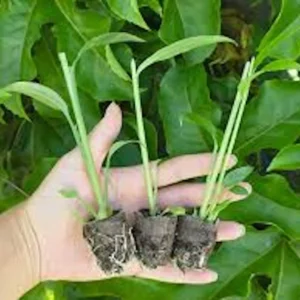
This offering includes a set of 4 lavender live plants, each carefully cultivated to ensure a healthy start in your garden. Upon arrival, each starter plant measures approximately 4-6 inches tall, providing a perfect size for transplanting into your desired location. They are shipped in their nursery pots, with roots intact and ready for immediate planting. These young plants are vigorous growers and will quickly establish themselves, developing into mature, fragrant shrubs. Depending on the variety and growing conditions, mature lavender plants typically reach a height and spread of 1-3 feet. Expect to see their first beautiful blue-purple blooms within the first growing season under suitable conditions, with more prolific flowering in subsequent years.
These plants are well-suited for container gardening, balcony planters, and small outdoor spaces, as well as being a classic addition to larger herb gardens, patios, and garden beds. They are ready for growing lavender outdoors in garden beds, containers, raised beds, or decorative pots, offering flexibility in placement. The compact size of these starter plants makes them easy to handle and integrate into existing garden designs or to start a new aromatic display.
Frequently Asked Questions
- Q: How big do these lavender plants get? A: These starter plants arrive at 4-6 inches tall. With proper care, they typically grow into mature shrubs ranging from 1 to 3 feet in height and spread, depending on the specific variety and growing conditions.
- Q: Are these an indoor or outdoor plant? A: While young plants can be started indoors in a very sunny window, these lavender live plants are primarily intended for outdoor cultivation. They thrive in full sun and well-draining soil in garden beds, containers, or patios.
- Q: How much sunlight do these lavender plants need? A: Lavender requires abundant sunlight to flourish. For optimal growth and flowering, ensure your plants receive at least 6-8 hours of direct sunlight per day. Full sun exposure is key for strong fragrance and vibrant blooms, contributing to healthy fragrant lavender plants.
- Q: Is this plant easy to care for? Is it good for beginners? A: Yes, lavender is generally considered easy to care for, especially once established. Its drought tolerance and preference for lean soil make it a low-maintenance choice, suitable for beginner gardeners looking to enjoy fragrant herbs.
- Q: What condition will the plants arrive in? Is it shipped in soil? A: Your lavender live plants will arrive healthy and well-packaged in their nursery pots with soil, ensuring their roots are protected during transit. They will be ready for immediate planting upon arrival.
- Q: How long until these lavender plants bloom? A: Under ideal growing conditions, you can expect these starter plants to produce their first beautiful blue purple lavender blooms within their first growing season. Flowering will become more robust in subsequent years as the plant matures.
- Q: Will these lavender plants survive winter in my zone? A: Lavender varieties are typically hardy in USDA Zones 5-9. If you live in a colder zone, provide winter protection with a layer of mulch. For specific hardiness, it’s best to check the variety suitable for your local climate.
- Q: Can I use these lavender plants for culinary purposes? A: Yes, lavender is a popular culinary herb. These lavender herb plants can be used in cooking, baking, teas, and for creating aromatic infusions, adding a unique floral note to your dishes.
- Q: What kind of soil is best for growing lavender outdoors? A: Lavender thrives in well-draining soil. A sandy or gravelly loam with a slightly alkaline pH is ideal. Avoid heavy clay soils that retain too much moisture, as this can lead to root rot when growing lavender outdoors.
- Q: Do these plants attract bees? A: Absolutely! Lavender flowers are highly attractive to bees, butterflies, and other beneficial pollinators. Planting these will help support local pollinator populations and enhance your garden’s ecosystem.
Related products
-58%
Original price was: $39.99.$16.99Current price is: $16.99.
-67%
Original price was: $75.72.$25.24Current price is: $25.24.
-67%
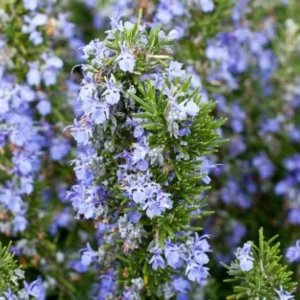
Original price was: $75.72.$25.24Current price is: $25.24.
-30%
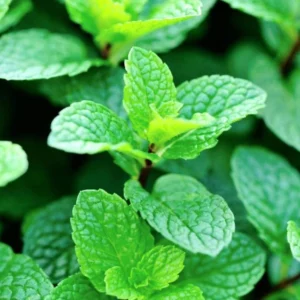
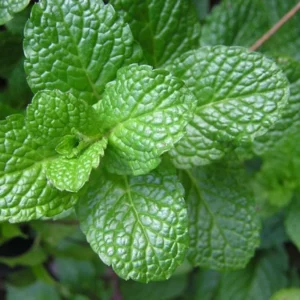
Original price was: $57.98.$40.58Current price is: $40.58.
-67%
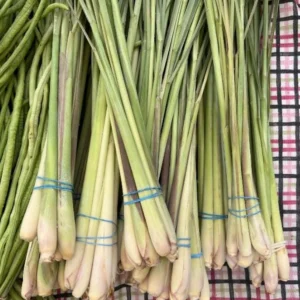
From Original price was: $35.22.$11.74Current price is: $11.74.
-48%
Original price was: $39.99.$20.99Current price is: $20.99.
-20%
Original price was: $35.00.$28.00Current price is: $28.00.
-67%
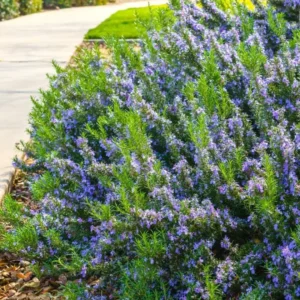
Original price was: $39.72.$13.24Current price is: $13.24.
PLANTING & CARE
How to Grow Persian Silk Trees Easily in Your Garden
If you’re looking for a tree that brings a soft, tropical feel to your garden,
04
Aug
Aug
How to Grow Blue Java Banana Trees: A Beginner’s Guide
Have you ever heard of the Blue Java banana tree? If not, you’re in for
28
Jun
Jun
5 Common Blue Java Banana Tree Problems and How to Fix Them
Have you ever looked at your Blue Java banana tree (aka “ice cream banana”) and
19
Jun
Jun
Top 10 Plants for Father’s Day to Honor Dad This Father’s Day
Father’s Day is a special time to show your dad just how much he means
19
Jun
Jun
The Comprehensive Guide to Growing Bougainvillea for Colorful Blooms
Have you ever wanted your garden to be filled with brilliant color and tropical energy
19
Jun
Jun
How to Successfully Plant Bare Root Strawberries in Containers
Have you ever wondered about planting strawberries in containers, but aren’t sure where to begin?
11
Jun
Jun
Top 5 Easiest Ornamental Trees to Grow for Beginners
Ever feel overwhelmed by the idea of planting a tree in your yard? You’re not
11
Jun
Jun

Growing Glencoe Raspberry: A Complete Guide for Gardeners
If you’re looking to add something unique to your garden, look no further than the
31
Mar
Mar