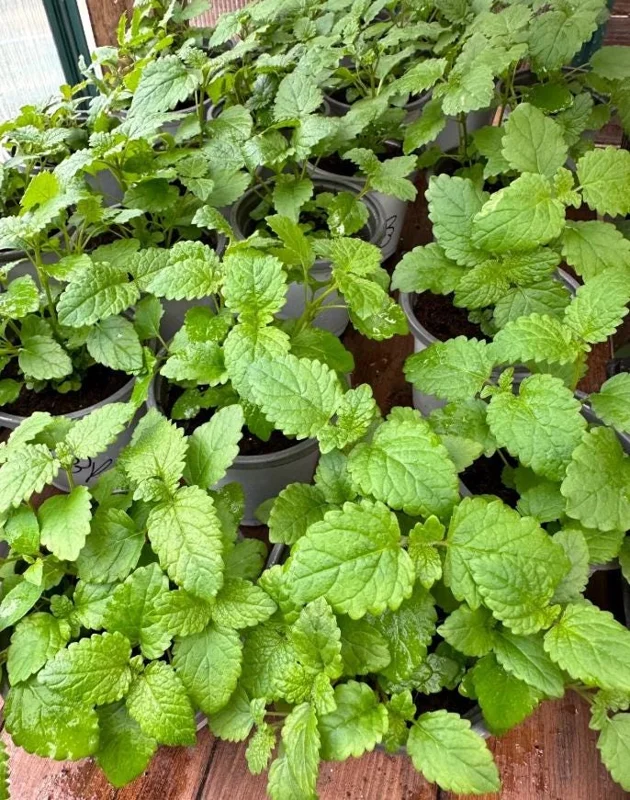
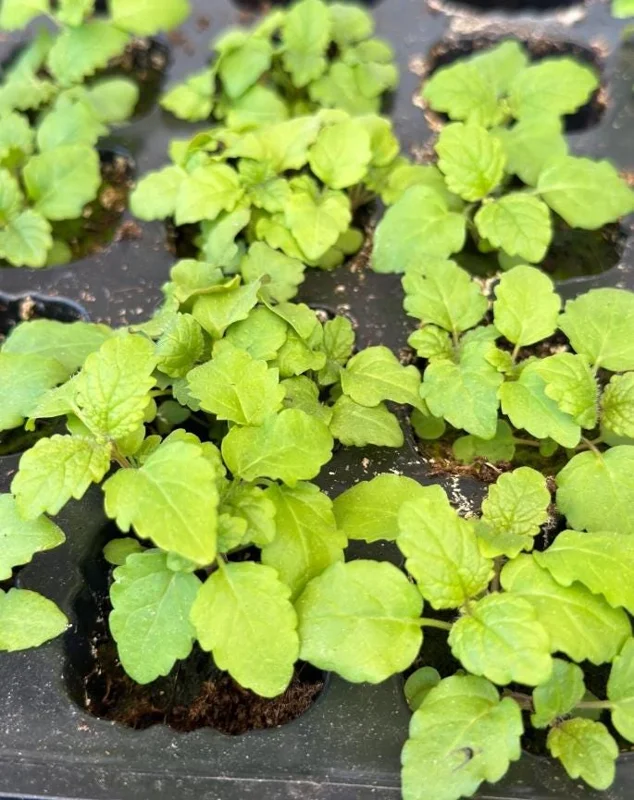
Set of 4 Lemon Balm Live Plants Perennial Mint Herb Seedlings 4-6″ Tall
-32%
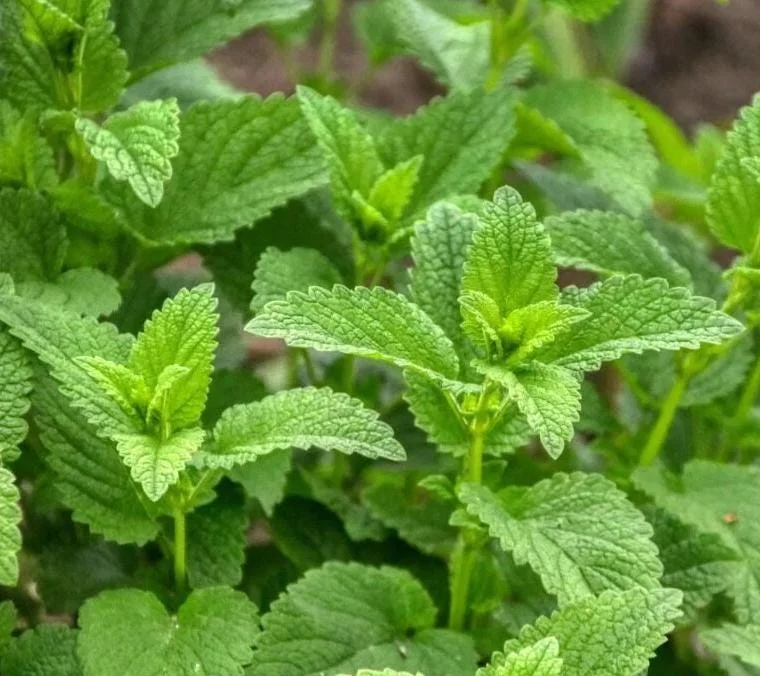
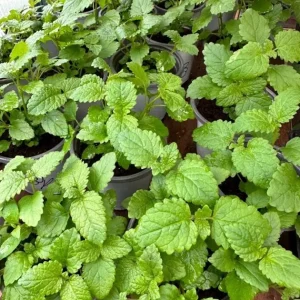
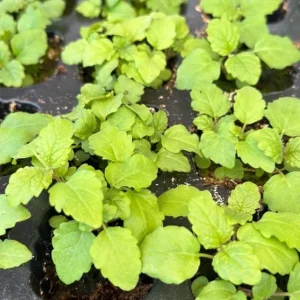
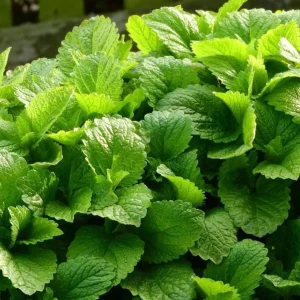
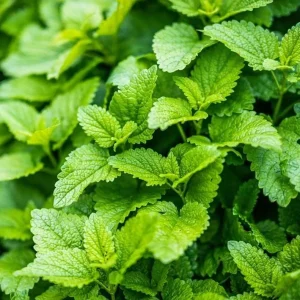
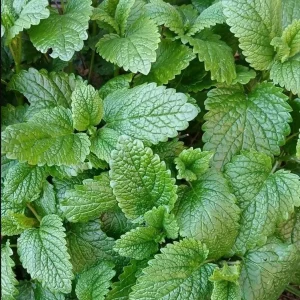
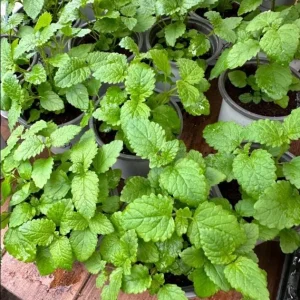
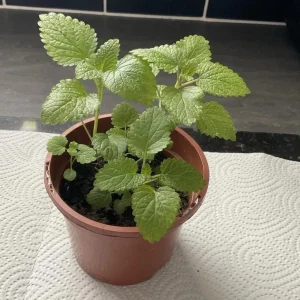
Set of 4 Lemon Balm Live Plants Perennial Mint Herb Seedlings 4-6″ Tall
Bring the refreshing aroma and culinary versatility of lemon balm live plant to your garden. This set includes four 4-6 inch tall starter seedlings of this easy-to-grow perennial mint herb, perfect for attracting pollinators and adding a delightful lemon scented herb to your culinary creations or teas. Enjoy the benefits of growing lemon balm with minimal effort.
Original price was: $62.99.$42.99Current price is: $42.99.

With our Alive & Thrive Guarantee, we’ve got your back for the first 30 days! If you have any concerns about your plants, just reach out to us. Our team is here to help answer your questions and guide you in selecting the best plants for your garden, climate, and unique preferences. We're excited to help you create the garden of your dreams!
Estimated arrival
Apr 13
Apr 18 - Apr 20
Apr 23 - Apr 27
Product Details
-
USDA Hardiness Zone
4-9 -
Soil type
Fertile, well-draining soil -
Sunlight Exposure
Full sun to partial shade -
Expected Planting Period
Spring to early fall
Overview
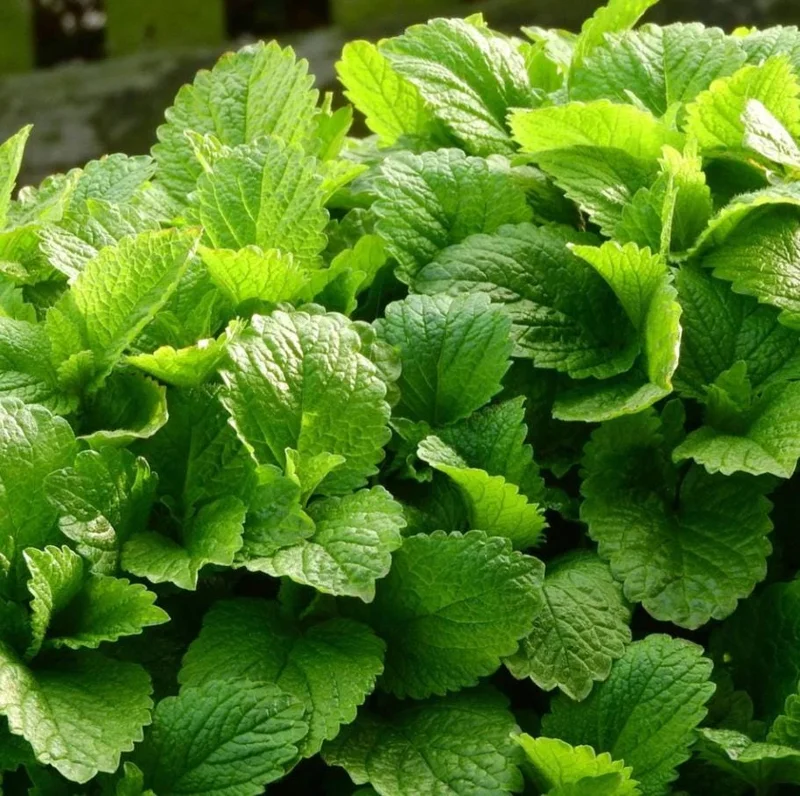
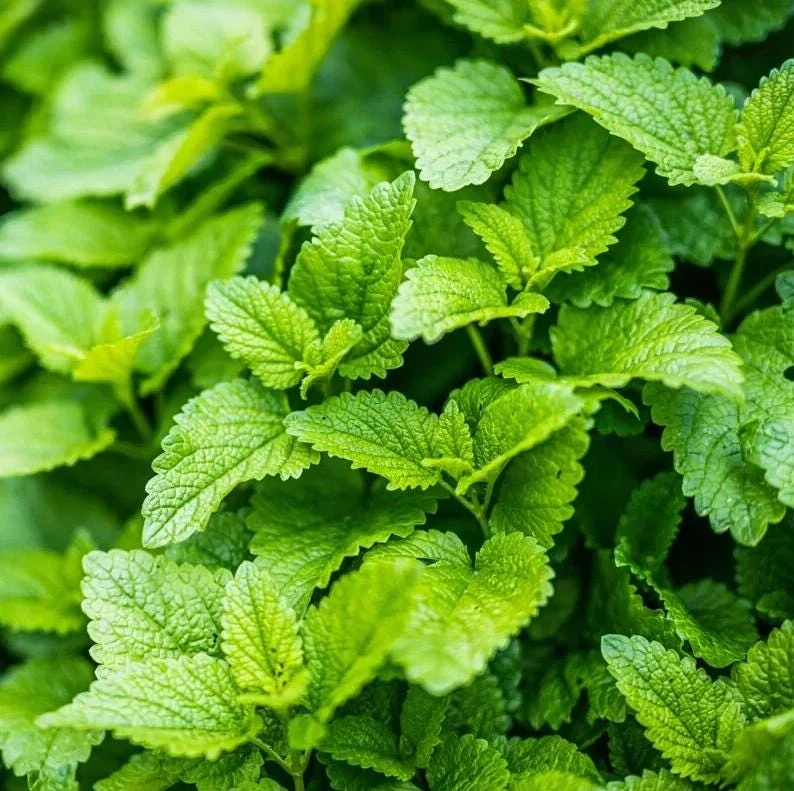
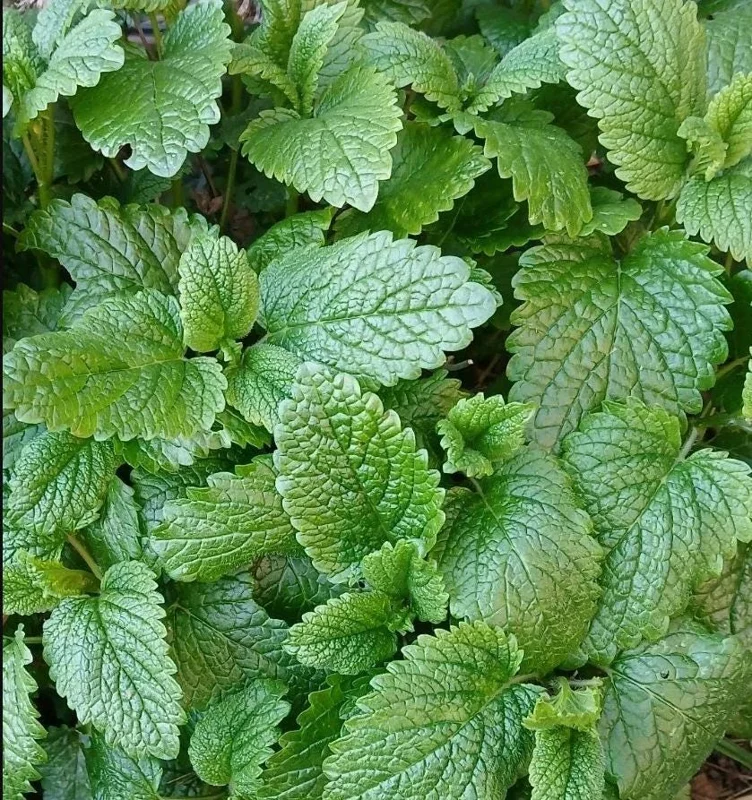
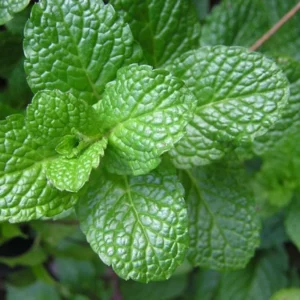
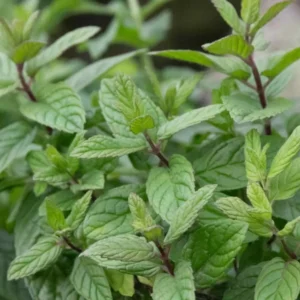
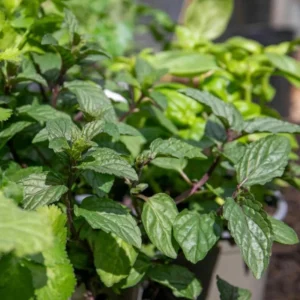
Introduce a delightful sensory experience to your garden with this set of four lemon balm live plant seedlings. Known for its vibrant green foliage and invigorating citrusy fragrance, lemon balm (Melissa officinalis) is a versatile perennial herb cherished by gardeners and cooks alike. Belonging to the mint family, these plants are not only beautiful but also incredibly easy to cultivate, making them an excellent choice for both novice and experienced gardeners. Each lemon balm live plant will establish quickly, forming attractive clumps that add texture and aroma to herb beds, borders, or containers. Harvest its leaves for teas, culinary dishes, or potpourri, enjoying its soothing and refreshing qualities. This offering provides four healthy starter plants, each 4-6 inches tall, ready to thrive in your outdoor space, making growing lemon balm a rewarding experience.
These resilient plants are known for their vigorous growth and adaptability. Their delightful lemon scent is a natural repellent for some garden pests, while also attracting beneficial pollinators like bees. The plant’s charming appearance and aromatic leaves make it a fantastic addition to any garden design. Prepare to enjoy the fresh, zesty essence of this lemon scented herb right from your own backyard.
Key Benefits
The lemon balm live plant offers a multitude of benefits, making it an indispensable addition to any garden or home. From its aromatic qualities to its ease of care, these plants provide continuous joy and utility:
- Fragrant Foliage: Emits a pleasant, strong lemon scent that is refreshing and can help deter unwanted insects. This natural fragrance makes it a wonderful plant for sensory gardens or near seating areas, providing a consistent supply of this delightful lemon scented herb.
- Culinary Versatility: Fresh leaves can be used to flavor teas, salads, desserts, and various savory dishes, adding a bright, zesty note. It’s a staple in many herbal remedies and culinary traditions, offering diverse lemon balm uses.
- Attracts Pollinators: Its small, nectar-rich flowers are highly attractive to bees and other beneficial pollinators, contributing to the biodiversity and health of your garden ecosystem.
- Low Maintenance: Once established, growing lemon balm requires minimal care, tolerating a range of soil conditions and being relatively drought-tolerant. This makes it an ideal choice for busy gardeners seeking a reliable perennial mint herb.
- Perennial Growth: Returns year after year, providing a consistent supply of fresh leaves without the need for annual replanting. It’s a long-term investment in your garden’s beauty and utility.
- Medicinal Properties: Traditionally used for its calming effects, lemon balm is often incorporated into herbal teas to aid relaxation and promote sleep. It’s a natural way to enhance well-being and explore various lemon balm uses.
- Garden Aesthetic: Forms attractive, bushy clumps of bright green foliage, adding a lush, medium-textured element to your garden beds or containers.
Plant Care & Growing Tips
Caring for your lemon balm live plant is straightforward, ensuring a bountiful harvest and a fragrant garden. These hardy perennial mint herb plants are quite forgiving, but providing optimal conditions will lead to the healthiest and most productive plants. For successful growing lemon balm, consider its preferences for sunlight, soil, and water.
Sunlight requirements: Lemon balm thrives in full sun to partial shade. In hotter climates, partial shade during the intense afternoon hours can prevent leaf scorch and keep the foliage vibrant. Aim for at least 4-6 hours of direct sunlight daily for the best growth and strongest aroma. If growing indoors, place it near a bright, south-facing window or under grow lights.
Watering schedule and soil moisture preferences: Water regularly, especially during dry periods or when the plant is establishing. Keep the soil consistently moist but never waterlogged. Allow the top inch of soil to dry out slightly between waterings. Overwatering can lead to root rot, so ensure good drainage. Young seedlings require more frequent watering until their root systems are developed.
Soil type and drainage requirements: This lemon balm live plant thrives in fertile, well-drained soil. While tolerant of poorer soils once established, enriching the soil with compost will promote vigorous growth. A slightly acidic to neutral pH (6.0-7.0) is ideal. Good drainage is crucial; if planting in containers, use a high-quality potting mix with perlite.
Temperature range and USDA hardiness zone: Lemon balm is hardy in USDA zones 4-9. It can withstand winter temperatures in these zones, often dying back to the ground and re-emerging in spring. It prefers moderate temperatures but can tolerate both heat and cold once mature. Protect young plants from severe frost.
Fertilization schedule and type: Lemon balm is not a heavy feeder. A light application of a balanced, all-purpose organic fertilizer in spring is usually sufficient. Over-fertilizing can lead to excessive foliage growth with less potent aroma. Composting around the base of the plant can provide adequate nutrients.
Common problems and solutions: This perennial mint herb is generally pest and disease resistant. Occasionally, powdery mildew can occur in humid conditions; ensure good air circulation. Watch for aphids or spider mites, which can be treated with insecticidal soap. The biggest challenge can be its vigorous spreading habit, characteristic of many mint family plants. To manage its growth, consider planting it in containers or using root barriers when planting directly in the ground. Understanding these tips enhances your success with growing lemon balm.
Size & Details
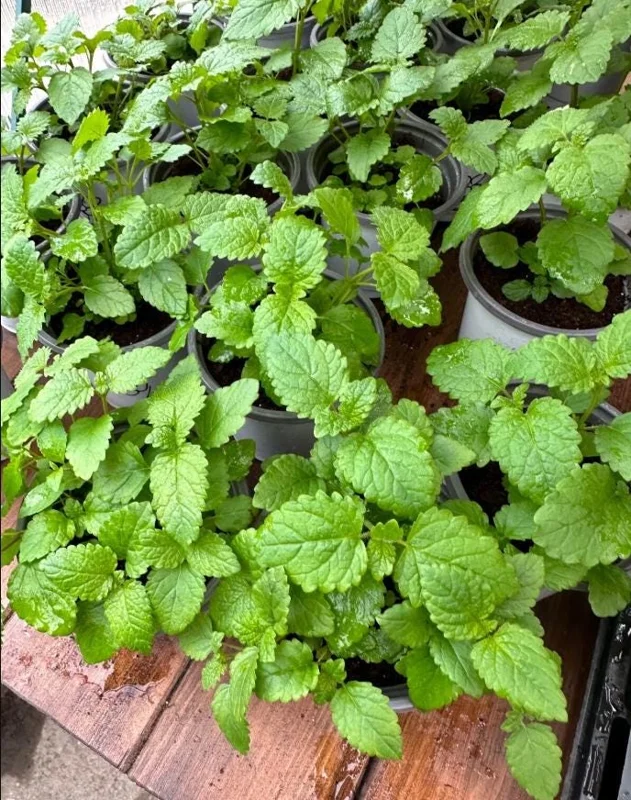
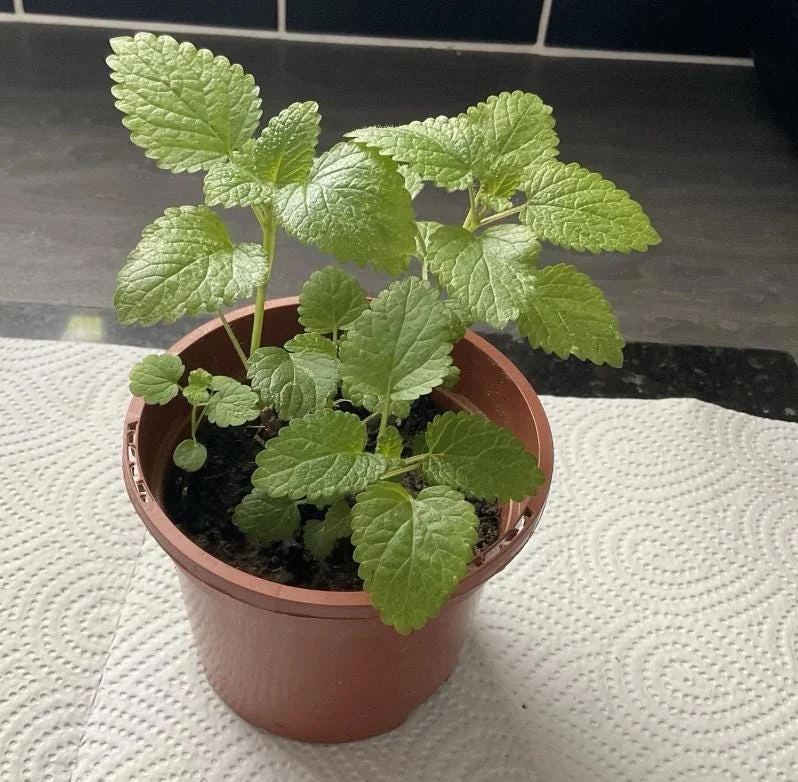
This offering includes a set of four healthy lemon balm live plant starter seedlings, each standing approximately 4-6 inches tall upon arrival. These young plants are ready to be transplanted into your garden or larger pots. Lemon balm is a moderate to fast-growing perennial that can reach a mature height of 24 to 36 inches (2-3 feet) and spread equally wide, forming a beautiful, dense clump. The plants are shipped without individual pots to minimize waste and shipping costs, ensuring they arrive ready for immediate planting into your chosen location. With proper care, these perennial mint herb plants will establish quickly and begin producing abundant, fragrant foliage throughout the growing season. Expect to see significant growth within the first few weeks after planting. While individual pot size is not specified at shipment, the plants are robust enough to transplant directly. They are known for their rapid establishment and will provide a continuous supply of aromatic leaves for culinary and aromatic lemon balm uses for years to come.
Frequently Asked Questions
- Q: How big will these lemon balm plants get? A: Each lemon balm live plant can grow to a mature height of 24 to 36 inches (2-3 feet) tall and spread about 16-18 inches wide, forming a bushy, attractive clump. They are vigorous growers, especially in ideal conditions.
- Q: Is this an indoor or outdoor plant? A: While primarily an outdoor plant, lemon balm can be grown indoors in a bright, sunny location. It thrives best outdoors in garden beds or containers where it has ample space and sunlight.
- Q: How much sunlight does a lemon balm live plant need? A: Lemon balm prefers full sun to partial shade. For the best growth and strongest lemon scent, aim for at least 4-6 hours of direct sunlight per day. In very hot climates, some afternoon shade is beneficial.
- Q: Is this plant easy to care for? A: Yes, growing lemon balm is considered very easy. It’s a robust and forgiving plant, making it an excellent choice for beginner gardeners. It tolerates a range of conditions once established.
- Q: What condition will the plants arrive in? A: You will receive four healthy lemon balm live plant starter seedlings, approximately 4-6 inches tall. They are shipped without pots to ensure safe and efficient transit, ready for immediate planting.
- Q: Can I use lemon balm in cooking? A: Absolutely! Lemon balm is a fantastic culinary herb. Its fresh, lemon-scented leaves are perfect for teas, flavoring desserts, salads, and even savory dishes. These are common lemon balm uses.
- Q: When is the best time to plant these perennial herb plants? A: The best time to plant lemon balm is in spring after the last frost, or in early fall in milder climates. This allows the plants to establish their root systems before extreme temperatures.
- Q: Will the lemon balm live plant survive winter in my zone? A: Lemon balm is hardy in USDA zones 4-9. In these zones, it will typically die back to the ground in winter and regrow vigorously from its roots in spring.
- Q: Is lemon balm part of the mint family? A: Yes, lemon balm (Melissa officinalis) is indeed a member of the mint family (Lamiaceae). This is why it shares some characteristics, like its square stems and tendency to spread, with other perennial mint herb varieties.
- Q: How far apart should I space these lemon balm plants? A: Space your lemon balm live plant seedlings about 16-18 inches apart to allow for their mature size and to ensure good air circulation, which helps prevent fungal issues.
Related products
-10%
Original price was: $11.99.$10.79Current price is: $10.79.
-20%
Original price was: $35.00.$28.00Current price is: $28.00.
-50%
Original price was: $59.96.$29.98Current price is: $29.98.
-10%
Original price was: $75.00.$67.50Current price is: $67.50.
-30%
Original price was: $99.98.$69.98Current price is: $69.98.
-30%
Original price was: $57.98.$40.58Current price is: $40.58.
-30%
Original price was: $59.98.$41.98Current price is: $41.98.
-50%
Original price was: $53.98.$26.99Current price is: $26.99.
PLANTING & CARE

Growing Glencoe Raspberry: A Complete Guide for Gardeners
If you’re looking to add something unique to your garden, look no further than the
31
Mar
Mar

The Comprehensive Guide to Growing Bay Leaf Plants for a Flavorful Garden
Imagine stepping into your garden, greeted by the earthy aroma of fresh bay leaves, their
09
Feb
Feb

How to Make Comfrey Tea: The Ultimate Organic Plant Food
Growing an organic garden can be surprisingly expensive, especially when most store-bought fertilizers come in
02
Feb
Feb

True Comfrey: 7 Essential Tips Before You Plant This Herb
A staple in permaculture practices across the US, True Comfrey easily earns its reputation as
27
Jan
Jan

7 Heart-Shaped Plants for a Lasting Valentine’s Gift
If you’ve ever bought a bouquet of roses for Valentine’s Day, you know they are
26
Jan
Jan

Best Types of Ivy Plant for Houses: How to Choose the Perfect Ones for Your Home
Are you a garden lover looking to introduce some greenery into your home? Maybe you’ve
14
Nov
Nov

When to Harvest Garlic (Especially Fall-Planted Garlic)
TIMING IS EVERYTHING, they say – and for garlic, that truth hits with surprising accuracy.
13
Nov
Nov

11 of the Best Sweet Potato Varieties to Grow for Your Garden
If you’ve ever tried growing sweet potatoes, you know that picking the right variety can
12
Nov
Nov