Sirenevyi Pomegranate Starter Live Plant – Cold Hardy Punica Granatum
-20%
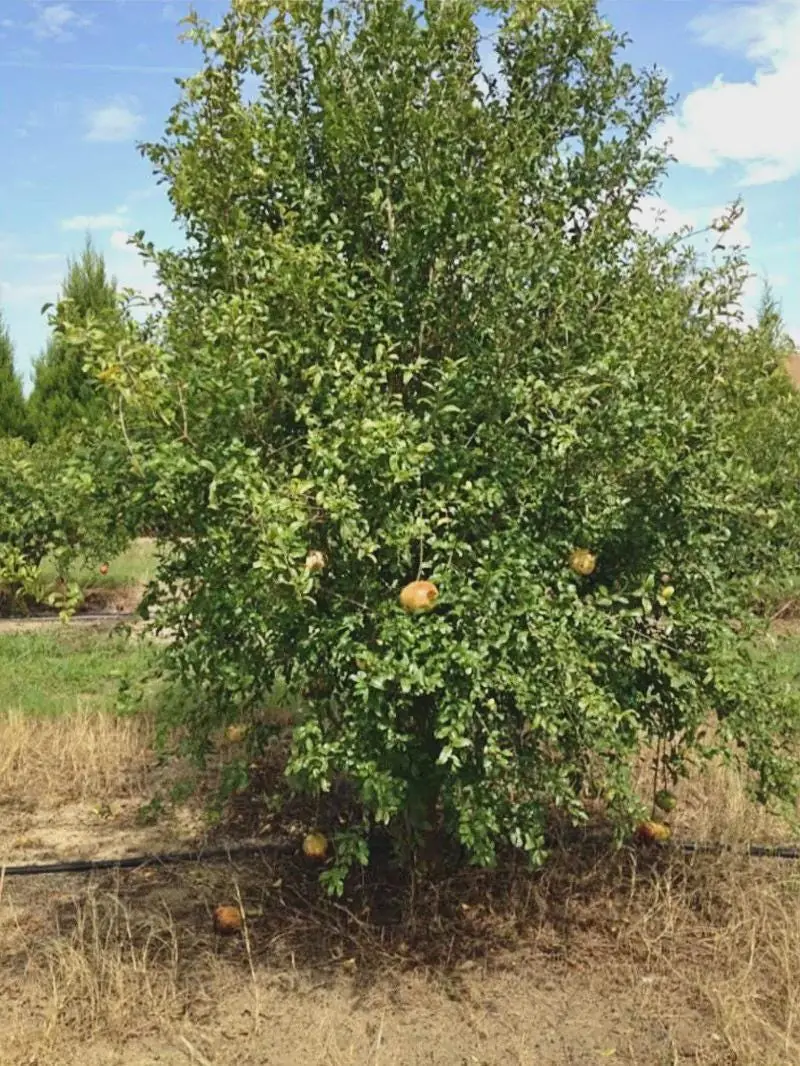
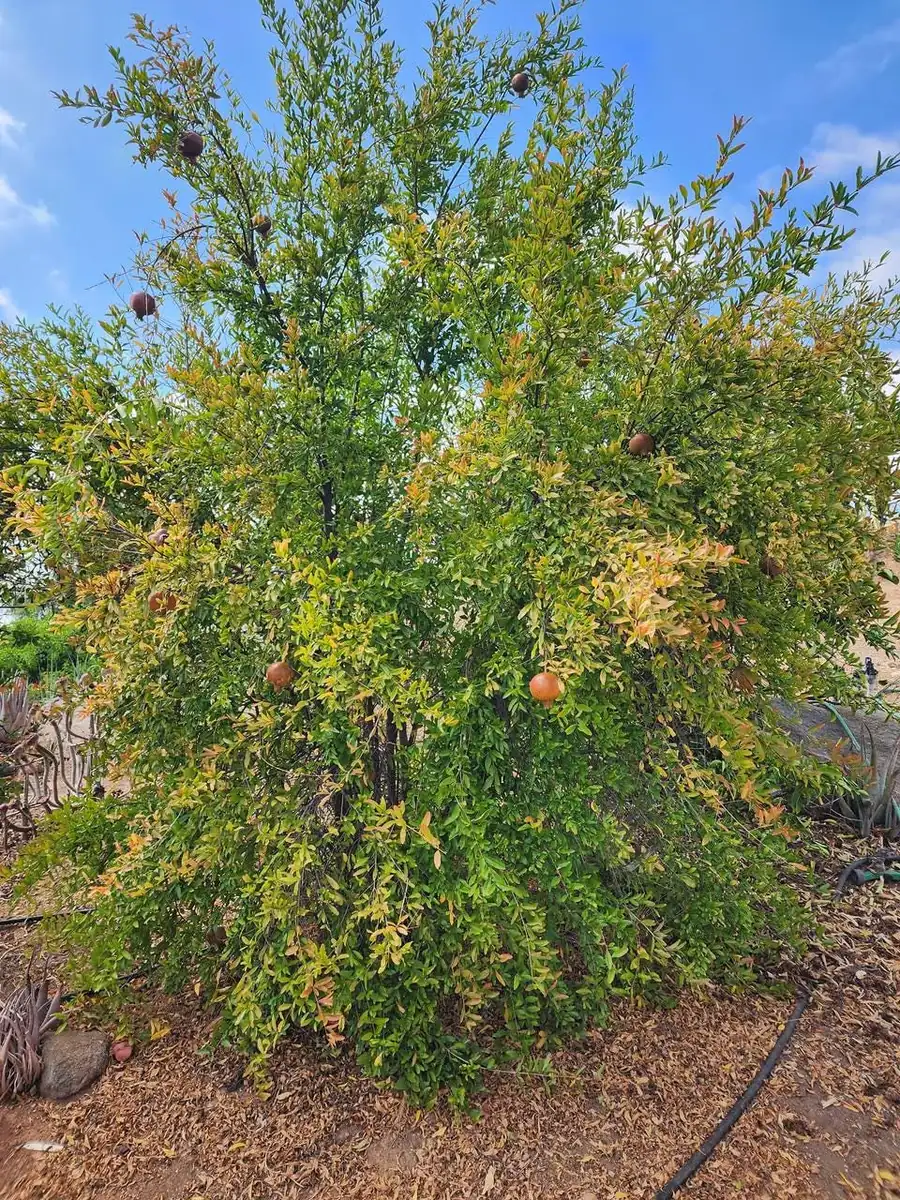
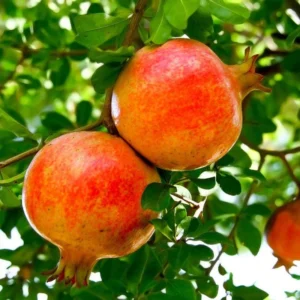
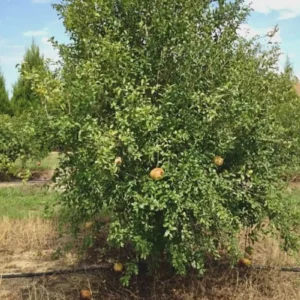
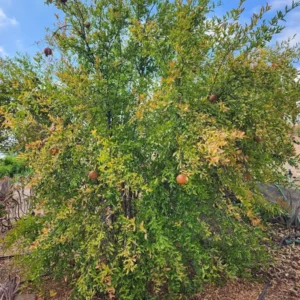
Sirenevyi Pomegranate Starter Live Plant – Cold Hardy Punica Granatum
Cultivate your own delicious fruit with the Sirenevyi Pomegranate live plant. This cold-hardy, self-pollinating variety (Punica Granatum ‘Sirenevyi’) is celebrated for its unique, soft-seeded fruit and vibrant flowers. Ideal for outdoor gardens in USDA Zones 7-10, offering both beauty and bountiful harvests.
Original price was: $64.00.$51.20Current price is: $51.20.

With our Alive & Thrive Guarantee, we’ve got your back for the first 30 days! If you have any concerns about your plants, just reach out to us. Our team is here to help answer your questions and guide you in selecting the best plants for your garden, climate, and unique preferences. We're excited to help you create the garden of your dreams!
Estimated arrival
Apr 13
Apr 18 - Apr 20
Apr 23 - Apr 27
Product Details
-
USDA Hardiness Zone
7-10 (with success in protected Zone 6) -
Soil type
Well-draining soil, slightly acidic to neutral pH -
Sunlight Exposure
Full sun (6-8 hours direct sunlight) -
Expected Planting Period
Spring to early summer
Overview
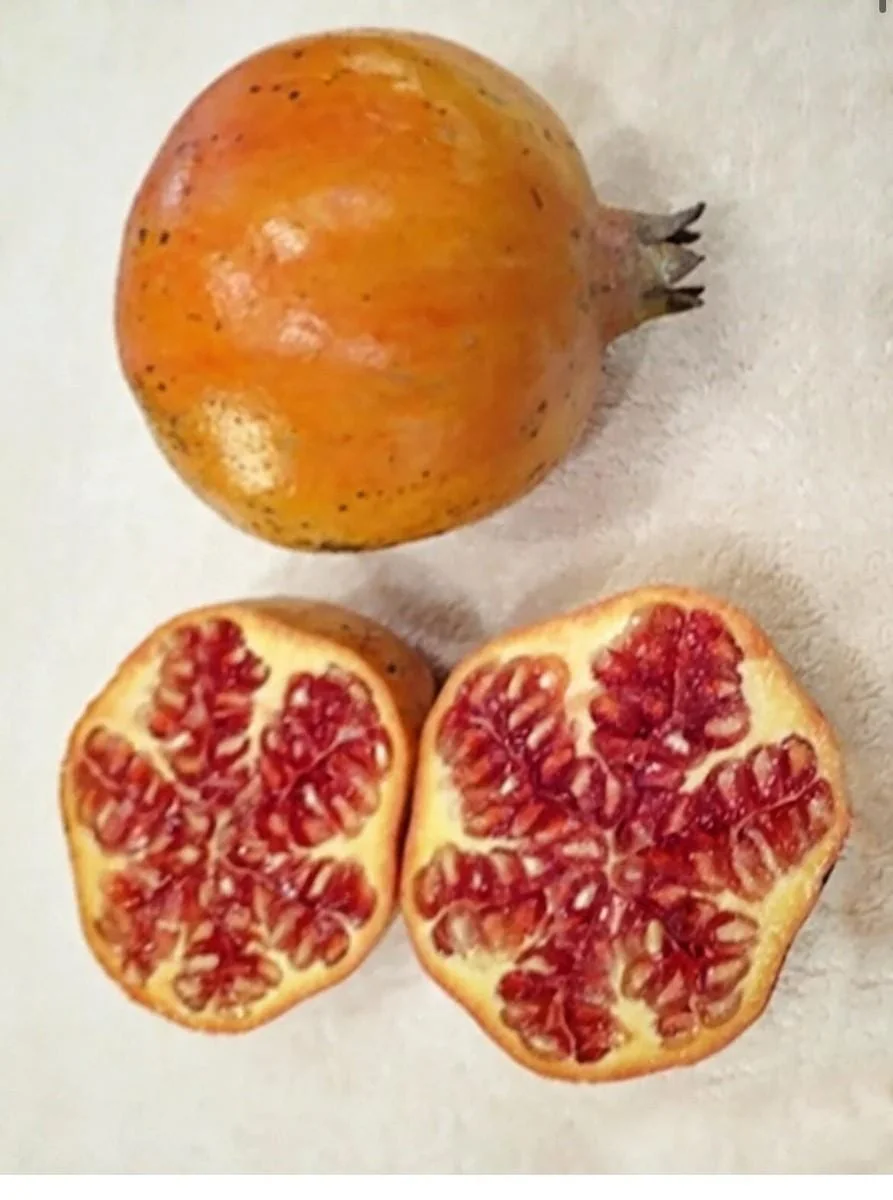
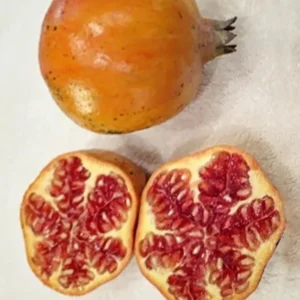
Introduce a unique and rewarding fruit-bearing plant to your garden with the Sirenevyi Pomegranate live plant. This exceptional variety, known botanically as Punica granatum ‘Sirenevyi’, is a cold-hardy and self-pollinating cultivar that stands out for its delicious fruit with soft seeds and a distinctive flavor profile. Originating from Dr. Gregory Levin’s esteemed research station in Turkmenistan, this pomegranate brings a touch of horticultural history and exotic flair to any landscape. Beyond its culinary appeal, the ‘Sirenevyi’ cultivar produces decorative, speckled fruit and vibrant, attractive flowers, making it a beautiful addition to your outdoor space. It’s an excellent choice for gardeners looking for a resilient and productive fruit tree that can withstand cooler temperatures than many other pomegranate varieties, truly a remarkable plant.
The Punica Granatum Sirenevyi is specifically bred for its enhanced cold tolerance, making it suitable for a broader range of climates compared to traditional pomegranates. Gardeners in USDA Zones 7–10 will find this plant thrives, and some have even reported success in well-protected areas of Zone 6. While young plants might benefit from winter protection in the colder parts of its hardiness range, its inherent resilience makes it a valuable asset for expanding the geographical reach of pomegranate cultivation. This bare root plant offers a strong start for establishing a healthy, fruit-bearing tree in your garden, promising years of delicious harvests and ornamental beauty.
Key Benefits
The Sirenevyi Pomegranate live plant offers a multitude of benefits, making it an excellent choice for both novice and experienced gardeners. Its unique characteristics contribute to a rewarding growing experience and a bountiful harvest.
- Exceptional Cold Hardiness: Unlike many pomegranate varieties, the ‘Sirenevyi’ is notably cold-tolerant, thriving in USDA Zones 7–10 and even showing success in protected Zone 6 areas. This extends the possibility of growing a cold hardy pomegranate to a wider range of climates, reducing the need for extensive winter protection.
- Delicious Soft-Seeded Fruit: Enjoy uniquely flavored pomegranates with soft seeds, making them easier and more pleasant to eat compared to hard-seeded varieties. This feature enhances the culinary experience, allowing for more enjoyment of the fruit’s rich taste and juicy arils.
- Self-Pollinating Convenience: This variety is self-pollinating, meaning you only need one plant to produce fruit. This simplifies the planting process and ensures a reliable yield without requiring multiple plants for cross-pollination.
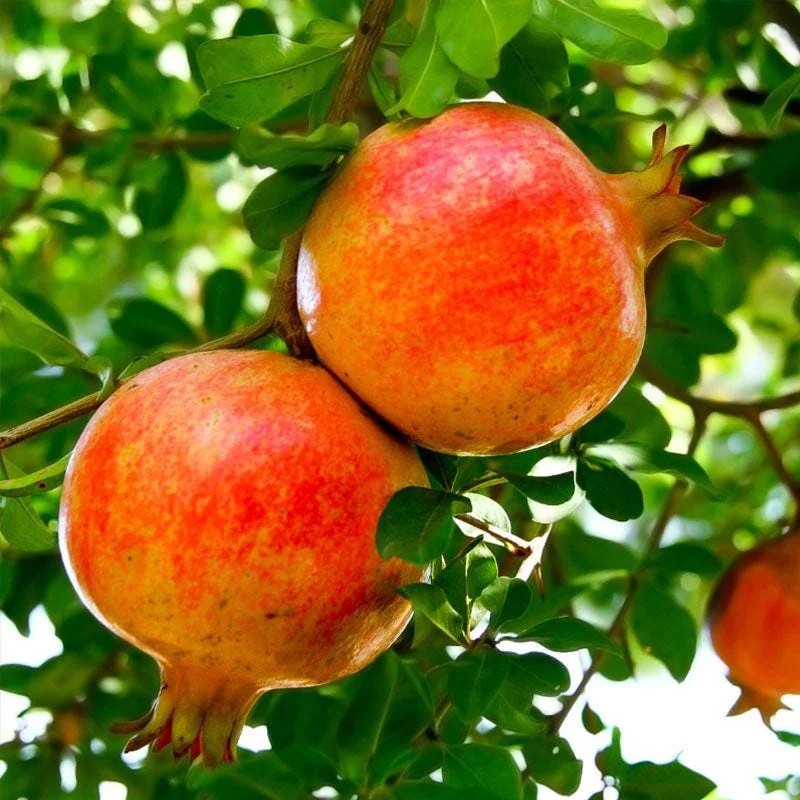
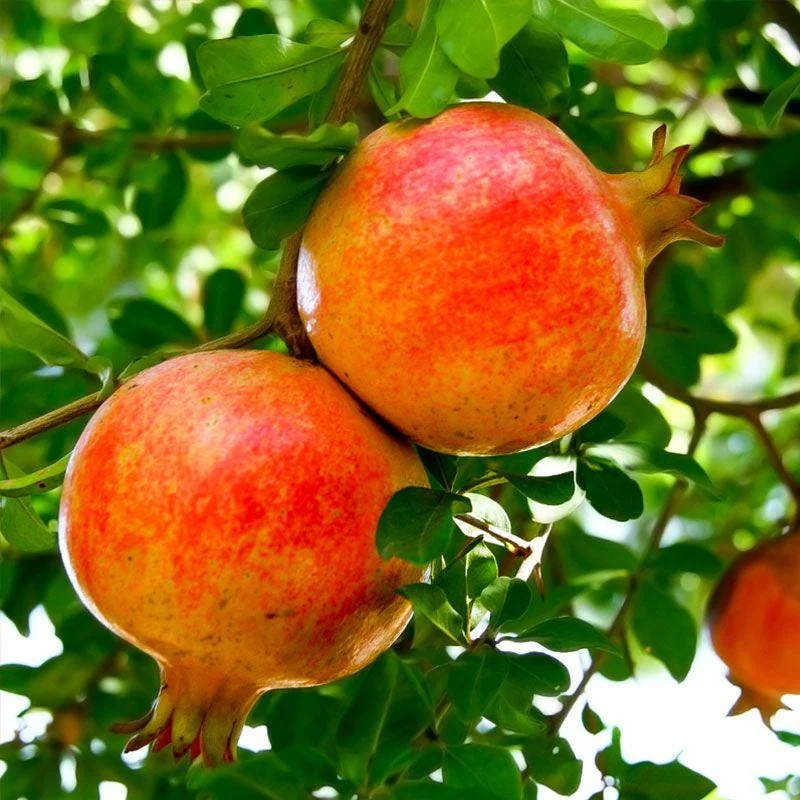
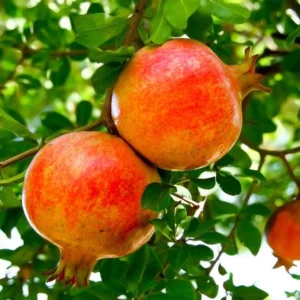
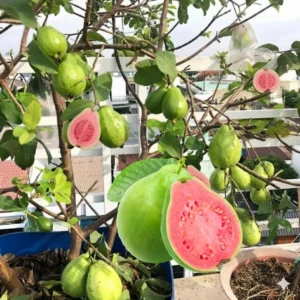
- Ornamental Appeal: Beyond its fruit, the ‘Sirenevyi’ pomegranate boasts vibrant, attractive flowers and decorative, speckled fruit that add significant visual interest to your garden throughout the growing season. It’s a beautiful specimen tree or shrub.
- High Yield Potential: With proper care, this resilient cultivar can produce an abundant harvest of flavorful pomegranates, providing a steady supply of fresh fruit for eating, juicing, or culinary creations.
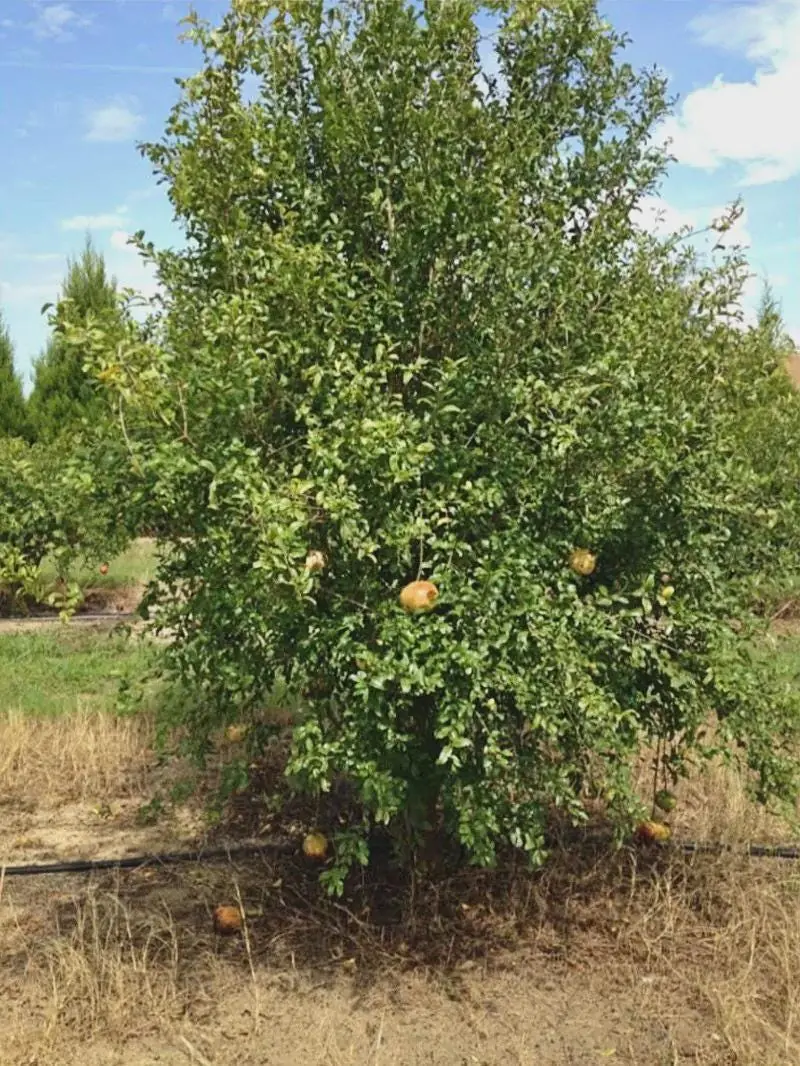
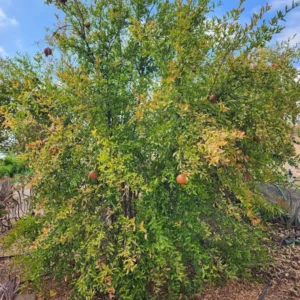
- Adaptable Growth: While naturally forming a shrub, it can be pruned and trained as a small tree, offering versatility in garden design and space utilization.
- Unique Genetic Heritage: Originating from Dr. Gregory Levin’s renowned research, this plant carries a rich genetic background, representing a pinnacle in pomegranate breeding for desirable traits.
Plant Care & Growing Tips
Caring for your Sirenevyi Pomegranate live plant is straightforward, and with a few key practices, you can ensure a healthy, productive tree. This cold hardy pomegranate thrives when given the right conditions, allowing it to flourish and produce its distinctive fruit. Upon arrival, your bare root plant should be rehydrated by soaking its roots in water for a few hours before planting.
For optimal growth, the ‘Sirenevyi’ pomegranate requires full sun exposure, meaning at least 6-8 hours of direct sunlight per day. Choose a planting location that receives ample light to encourage fruit production and robust growth. While it tolerates a range of soil types, well-draining soil is crucial to prevent root rot. A slightly acidic to neutral pH (6.0-7.0) is ideal. Amend heavy clay soils with organic matter like compost to improve drainage and aeration. When planting, dig a hole twice as wide as the root spread and just as deep, ensuring the crown of the plant is at soil level. Backfill with amended soil, gently firming around the roots to remove air pockets, then water thoroughly.
Watering should be consistent, especially during the first year of establishment and in dry periods. Aim for deep watering sessions, allowing the top few inches of soil to dry out between waterings. Mature plants are more drought-tolerant but will benefit from supplemental irrigation during prolonged dry spells, particularly when fruit is developing. Fertilize in early spring with a balanced slow-release fertilizer or one formulated for fruit trees, following package instructions. Pruning should be done in late winter or early spring to remove dead or crossing branches, maintain desired shape, and encourage air circulation and fruit production. Young plants in colder zones (like Zone 6) may benefit from winter protection, such as mulching heavily around the base or covering the plant during severe freezes. This ensures the health and longevity of your pomegranate fruit tree.
Size & Details
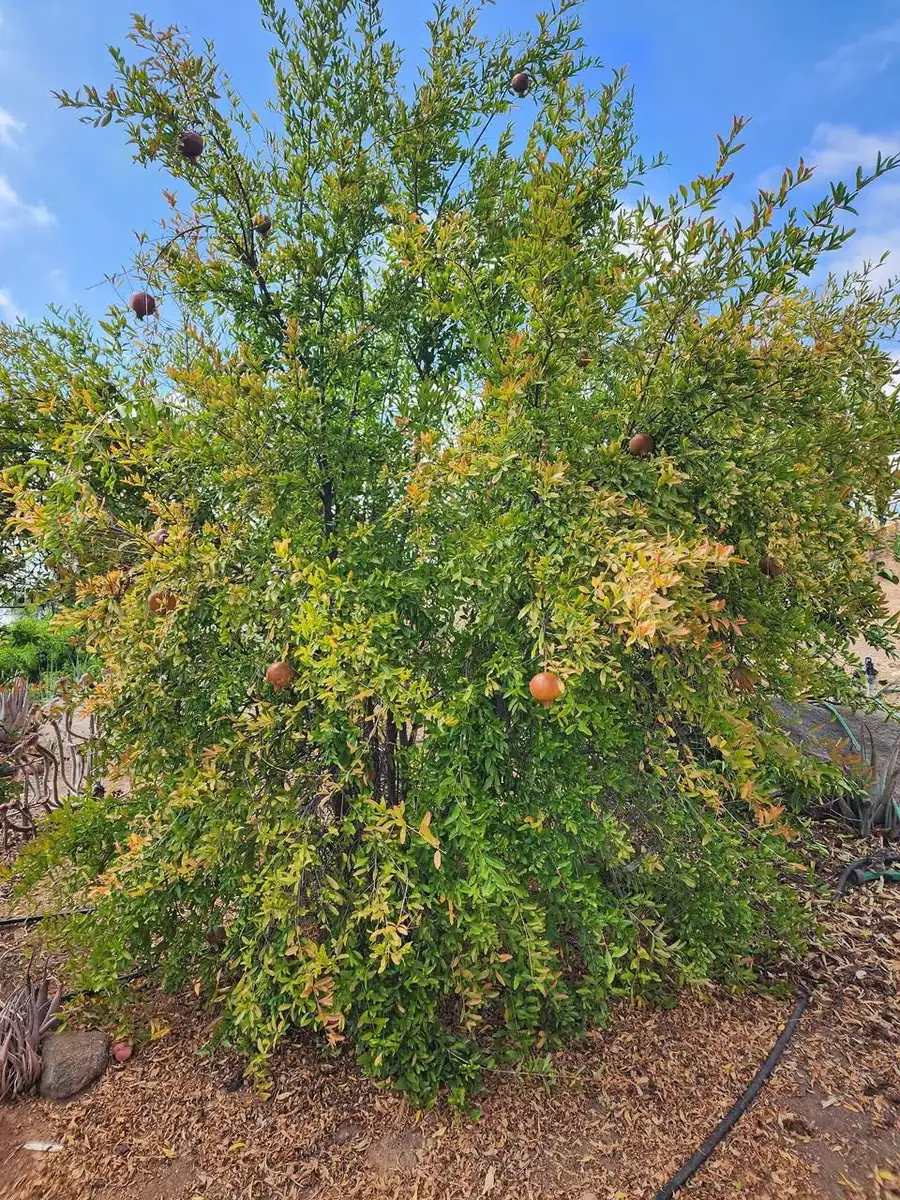
The Sirenevyi Pomegranate live plant is shipped as a bare root specimen, ready for planting to establish a robust and productive fruit tree. When mature, this cultivar typically grows into a large shrub or small tree, reaching heights of 10-15 feet with a similar spread, depending on pruning and growing conditions. Its growth rate is moderate, allowing it to establish well within a few seasons. The plant is celebrated for its ability to produce fruit with soft seeds, a highly desirable trait for fresh eating and juicing. Expect fruit production to begin within 2-4 years after planting, with increasing yields as the plant matures. The decorative, speckled fruit adds visual appeal to the garden before harvest, typically ripening in late summer to early fall.
This Punica Granatum Sirenevyi is well-suited for outdoor cultivation in USDA Zones 7–10, with some success reported in protected areas of Zone 6 due to its enhanced cold hardiness. It is a self-pollinating variety, meaning a single plant is sufficient for fruit production, making it an excellent choice for home gardeners with limited space. The plant’s adaptability and resilience make it a long-term investment for fresh, homegrown pomegranates. It provides a unique flavor profile and ornamental value, making it a standout addition to any edible landscape or ornamental garden.
Frequently Asked Questions
- Q: How big does the Sirenevyi Pomegranate live plant get? A: When mature, the ‘Sirenevyi’ pomegranate typically grows into a large shrub or small tree, reaching heights of 10-15 feet with a similar spread, depending on pruning and growing conditions. It can be trained to a smaller size if desired.
- Q: Is this an indoor or outdoor plant? A: The Sirenevyi Pomegranate live plant is primarily an outdoor plant, thriving in garden settings within its recommended USDA hardiness zones. While young plants can be overwintered indoors in very cold climates, it requires significant light and space to flourish inside.
- Q: How much sunlight does this pomegranate variety need? A: This pomegranate requires full sun exposure, meaning at least 6-8 hours of direct sunlight per day, to ensure optimal growth, flowering, and fruit production.
- Q: Is the cold hardy pomegranate easy to care for? A: Yes, the ‘Sirenevyi’ pomegranate is considered relatively easy to care for, especially for a fruit-bearing plant. It requires consistent watering during establishment, good drainage, and full sun. Its cold hardiness also simplifies care in cooler climates.
- Q: What condition will the plant arrive in? A: Your Punica Granatum Sirenevyi will arrive as a bare root plant, meaning it will be dormant and without soil in its roots. This is a common and effective method for shipping deciduous plants, ensuring a healthy start when planted.
- Q: How long until the Sirenevyi Pomegranate produces fruit? A: You can typically expect your Sirenevyi Pomegranate to start producing fruit within 2-4 years after planting, with yields increasing as the plant matures and establishes itself.
- Q: Will this pomegranate fruit tree survive winter in my zone? A: The ‘Sirenevyi’ pomegranate is notable for its cold hardiness and is generally suitable for USDA Zones 7–10. Growers in protected areas of Zone 6 have also had success, though young plants may benefit from winter protection in the colder parts of its range.
- Q: What is the best soil type for this plant? A: The ‘Sirenevyi’ pomegranate prefers well-draining soil with a slightly acidic to neutral pH (6.0-7.0). Amending heavy clay soils with organic matter will improve drainage and create an ideal growing environment.
- Q: Can I grow this plant in a large pot or container? A: While primarily an outdoor garden plant, the ‘Sirenevyi’ pomegranate can be grown in very large containers (e.g., 25-gallon or larger) if proper care is provided, including adequate drainage, regular watering, and fertilization. This can be a good option for gardeners in borderline cold zones to allow for winter protection.
- Q: What makes the ‘Sirenevyi’ pomegranate unique? A: The ‘Sirenevyi’ is particularly unique for its exceptional cold hardiness, its self-pollinating nature, and its fruit with soft seeds and a distinctive, delicious flavor. It’s a robust and reliable choice for a soft seed pomegranate.
Related products
-20%
Original price was: $80.00.$64.00Current price is: $64.00.
-20%
Original price was: $34.00.$27.20Current price is: $27.20.
-20%
Original price was: $36.00.$28.80Current price is: $28.80.
-20%
Original price was: $66.00.$52.80Current price is: $52.80.
-20%
Original price was: $34.00.$27.20Current price is: $27.20.
-20%
Original price was: $50.00.$40.00Current price is: $40.00.
-20%
Original price was: $32.00.$25.60Current price is: $25.60.
-20%
Original price was: $32.00.$25.60Current price is: $25.60.
PLANTING & CARE
Growing Glencoe Raspberry: A Complete Guide for Gardeners
If you’re looking to add something unique to your garden, look no further than the
31
Mar
Mar

The Comprehensive Guide to Growing Bay Leaf Plants for a Flavorful Garden
Imagine stepping into your garden, greeted by the earthy aroma of fresh bay leaves, their
09
Feb
Feb

How to Make Comfrey Tea: The Ultimate Organic Plant Food
Growing an organic garden can be surprisingly expensive, especially when most store-bought fertilizers come in
02
Feb
Feb

True Comfrey: 7 Essential Tips Before You Plant This Herb
A staple in permaculture practices across the US, True Comfrey easily earns its reputation as
27
Jan
Jan

7 Heart-Shaped Plants for a Lasting Valentine’s Gift
If you’ve ever bought a bouquet of roses for Valentine’s Day, you know they are
26
Jan
Jan

Best Types of Ivy Plant for Houses: How to Choose the Perfect Ones for Your Home
Are you a garden lover looking to introduce some greenery into your home? Maybe you’ve
14
Nov
Nov

When to Harvest Garlic (Especially Fall-Planted Garlic)
TIMING IS EVERYTHING, they say – and for garlic, that truth hits with surprising accuracy.
13
Nov
Nov

11 of the Best Sweet Potato Varieties to Grow for Your Garden
If you’ve ever tried growing sweet potatoes, you know that picking the right variety can
12
Nov
Nov