Spanish Common Lavender Live Plant, Deep Purple Flowers, 2-4″ Tall in 3″ Pot, Full Sun
-69%
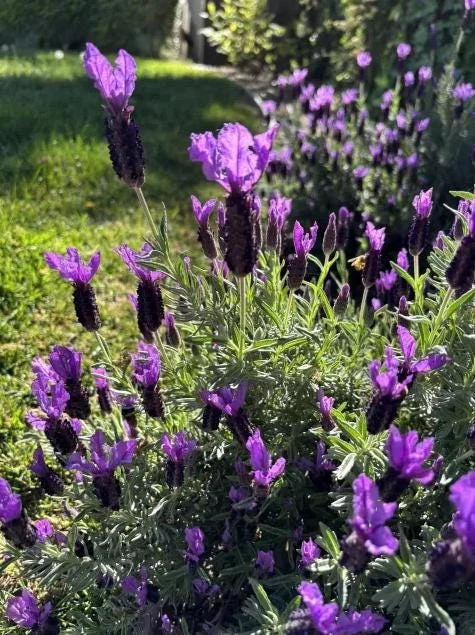
Spanish Common Lavender Live Plant, Deep Purple Flowers, 2-4″ Tall in 3″ Pot, Full Sun
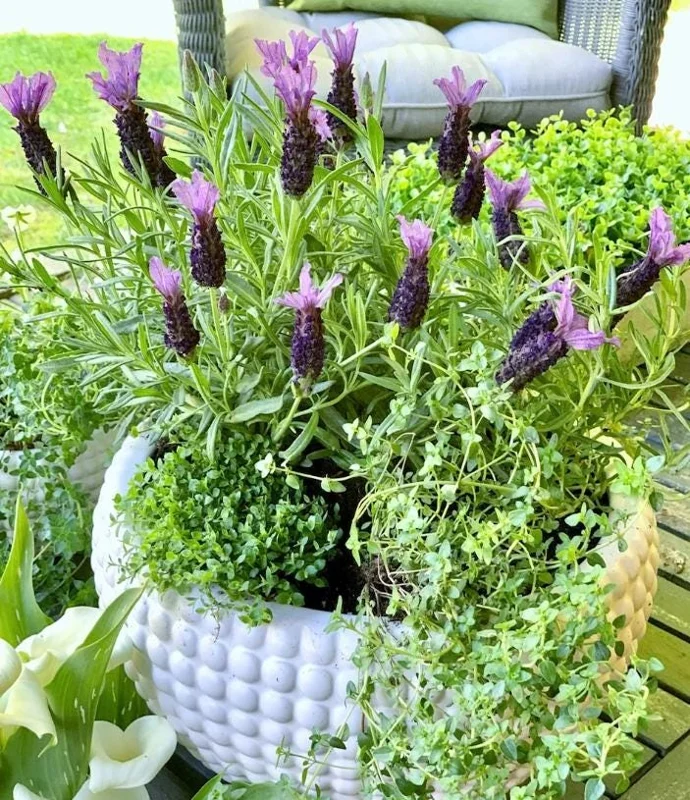
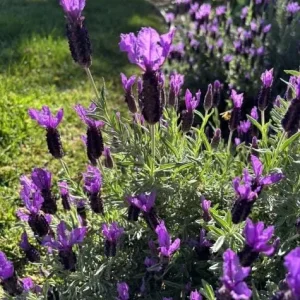
Bring captivating fragrance and striking deep purple color to your garden with this spanish common lavender plant. A hardy lavandula stoechas live plant, it thrives in full sun, offering beautiful blooms and attracting pollinators. Perfect for herb gardens or borders, this 2-4 inch tall plant comes in a 3-inch pot.
Original price was: $28.99.$8.99Current price is: $8.99.

With our Alive & Thrive Guarantee, we’ve got your back for the first 30 days! If you have any concerns about your plants, just reach out to us. Our team is here to help answer your questions and guide you in selecting the best plants for your garden, climate, and unique preferences. We're excited to help you create the garden of your dreams!
Estimated arrival
Apr 13
Apr 18 - Apr 20
Apr 23 - Apr 27
Product Details
-
USDA Hardiness Zone
USDA zones 8-10 -
Soil type
Well-draining sandy or loamy soil -
Sunlight Exposure
Full sun -
Expected Planting Period
Spring to early summer
Overview
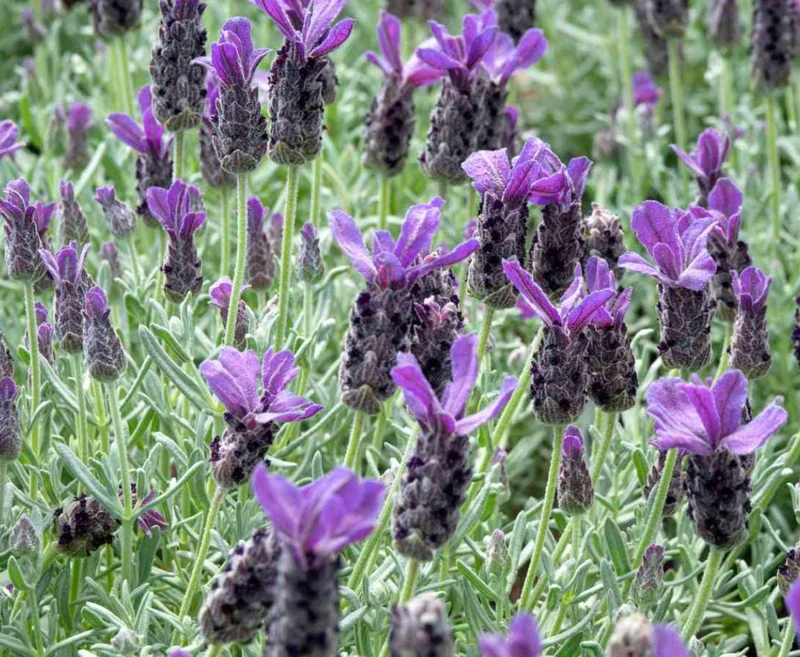
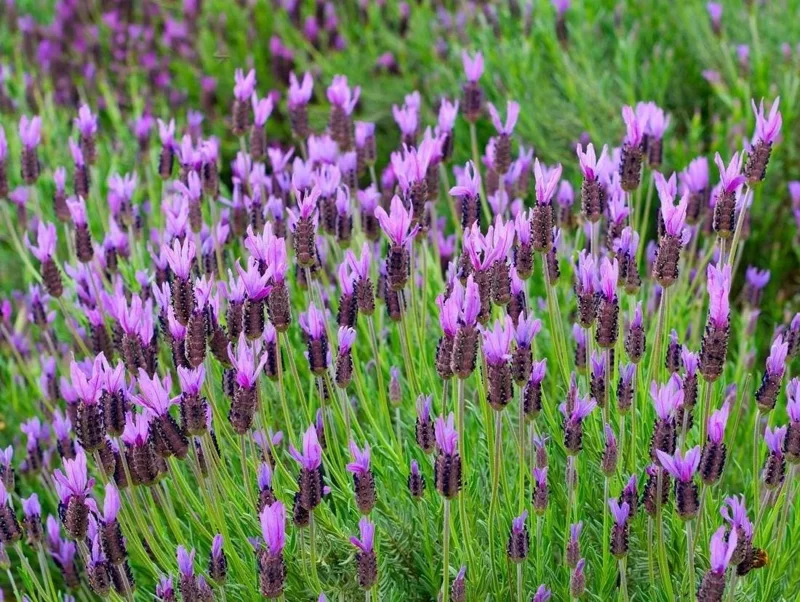
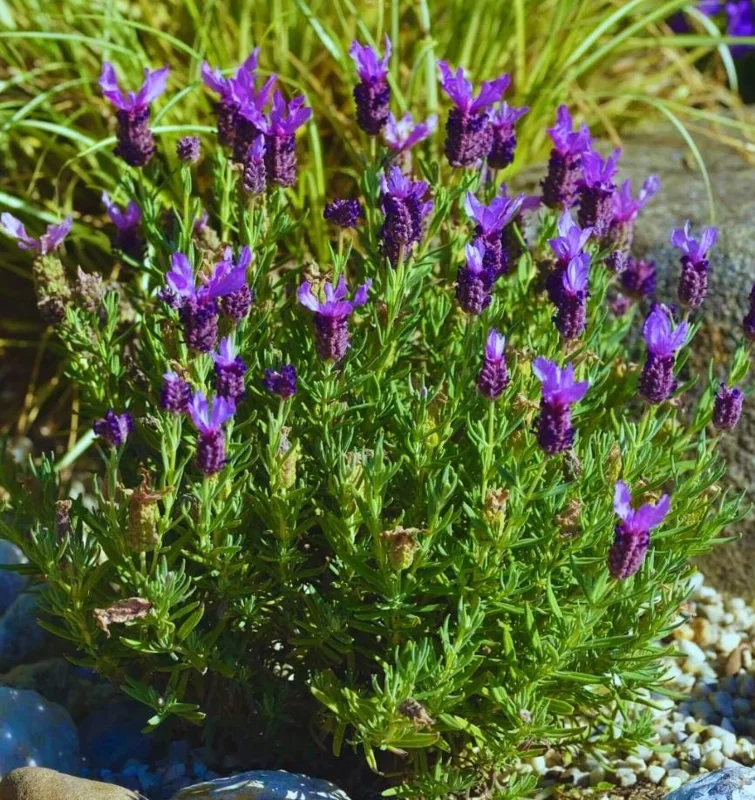
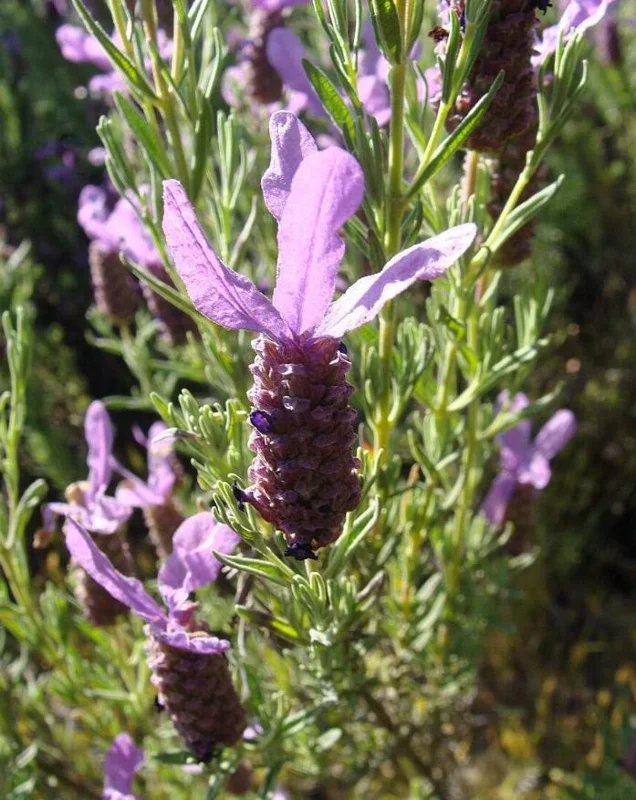
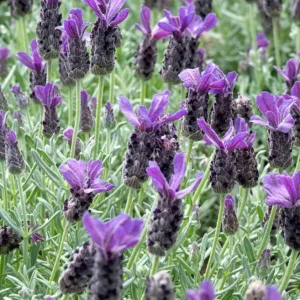
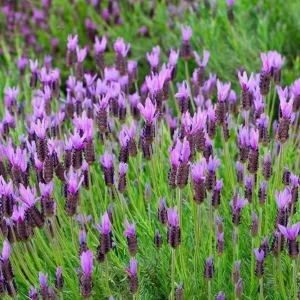
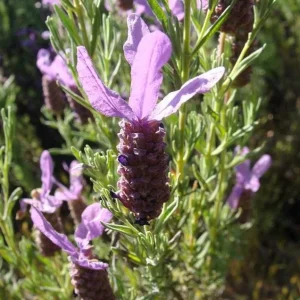
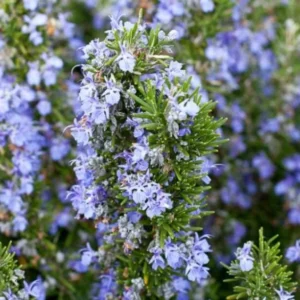
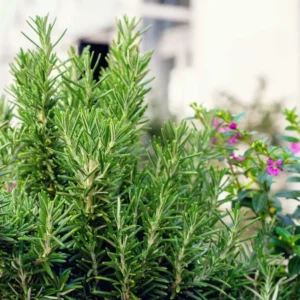
Introduce delightful fragrance and striking color to your outdoor space with the spanish common lavender plant (Lavandula stoechas). Known for its distinctive deep purple, pineapple-shaped blooms topped with delicate bracts, this aromatic herb is a favorite among gardeners and nature lovers alike. Originating from the Mediterranean region, Spanish Lavender thrives in sunny, warm climates, bringing a touch of European charm to your garden. These robust lavandula stoechas live plant specimens are ideal for creating a sensory experience, attracting pollinators, and providing fragrant foliage for culinary or decorative uses. Each plant arrives ready to be transplanted, ensuring a smooth transition into its new home and a quick start to blooming beauty.
The lavandula stoechas live plant is celebrated for its compact growth habit and continuous blooming throughout the warmer months. Unlike some other lavender varieties, Spanish Lavender often boasts a more intense fragrance, making it a perfect addition to herb gardens, borders, or as a standalone specimen in containers. Its unique flower structure and silvery-green foliage provide year-round interest, even when not in bloom. This particular variety is cherished for its vivid deep purple lavender flowers, which stand out against its characteristic gray-green leaves, offering a visual feast that complements its intoxicating aroma.
Key Benefits
Integrating a spanish common lavender plant into your garden offers a myriad of advantages beyond its obvious beauty. These plants are not just visually appealing; they contribute positively to the ecosystem and provide practical benefits for the homeowner. Here are some key reasons to choose this exceptional herb:
- Vibrant Aesthetic Appeal: The striking deep purple lavender flowers and elegant green foliage create a captivating visual display, enhancing garden beds, rockeries, and patio containers. Its unique bloom shape adds architectural interest to any planting scheme.
- Enchanting Fragrance: Known for its potent, aromatic scent, this lavender variety fills the air with a soothing, herbaceous perfume. The fragrance is not only pleasant for humans but also acts as a natural deterrent for many common garden pests, making it a truly fragrant lavender herb.
- Pollinator Magnet: The rich nectar of the deep purple blooms attracts beneficial pollinators like bees and butterflies, contributing to a healthier and more vibrant garden ecosystem and supporting local biodiversity.
- Low Maintenance & Drought Tolerant: Once established, the lavandula stoechas live plant is remarkably resilient. It requires minimal watering and care, making it an excellent choice for busy gardeners or those in arid regions.
- Deer and Rabbit Resistant: Due to its strong aromatic oils, Spanish Common Lavender is naturally unappetizing to deer and rabbits, protecting your garden from unwanted visitors without the need for harsh chemicals.
- Versatile Garden Use: Perfect for a variety of applications, from creating fragrant borders and edgings to planting in herb gardens or as an ornamental container plant. Its compact size makes it suitable for smaller spaces as well.
- Culinary and Aromatic Uses: While primarily ornamental, the flowers and leaves can be used in potpourri, sachets, or for infusing oils, bringing the garden’s fragrance indoors. It’s truly a fragrant lavender herb that offers diverse utility.
Plant Care & Growing Tips
Caring for your spanish common lavender plant is straightforward, making it a rewarding choice for gardeners of all experience levels. Success largely hinges on providing the right environmental conditions that mimic its native Mediterranean habitat. Proper care ensures vigorous growth, abundant blooms, and a long-lasting, aromatic presence in your garden. Understanding its needs for light, water, and soil will lead to a thriving and beautiful plant.
Sunlight Requirements: This lavender variety demands ample sunshine. For optimal growth and blooming, plant your lavandula stoechas live plant in a location that receives at least 6-8 hours of direct sunlight per day. It is a true full sun lavender, and insufficient light can lead to leggy growth and sparse flowering. In regions with extremely intense summer sun, some afternoon shade might be beneficial, but generally, more sun is better.
Watering Schedule: Spanish Lavender is drought-tolerant once established. Water thoroughly when the top 2-3 inches of soil feel dry to the touch. It’s crucial to allow the soil to dry out completely between waterings, as overwatering is the most common cause of failure for lavender. Ensure good drainage to prevent root rot. During cooler months or periods of high humidity, reduce watering frequency significantly.
Soil Type and Drainage: The most critical factor for a healthy fragrant lavender herb is well-draining soil. It prefers sandy or loamy soils with a slightly alkaline pH (6.5-7.5). Avoid heavy clay soils that retain too much moisture. If your soil is heavy, amend it with grit, sand, or compost to improve drainage. Planting in raised beds or containers with appropriate potting mix can also provide the ideal environment.
Temperature Range and Hardiness: Spanish Common Lavender is relatively hardy, typically thriving in USDA zones 8-10. It prefers warm temperatures and can tolerate heat well. In colder zones, it can be grown as an annual or overwintered indoors. Protect from excessive moisture during cold, wet months, which can be more damaging than the cold itself.
Fertilization: Lavender generally thrives in lean soil and does not require heavy fertilization. If your soil is poor, a light application of a balanced, slow-release granular fertilizer in spring can be beneficial. Avoid high-nitrogen fertilizers, which promote leafy growth at the expense of flowers and can reduce the intensity of the lavender’s aromatic oils. A soil test can help determine if any specific nutrients are lacking.
Pruning: Regular pruning is essential for maintaining a compact shape, encouraging new growth, and promoting abundant flowering of your deep purple lavender. After the first flush of blooms, trim back spent flower stalks and about one-third of the green foliage. This encourages a second wave of blooms and prevents the plant from becoming woody and leggy. Avoid cutting into the old, woody stems, as these often do not resprout.
Size & Details
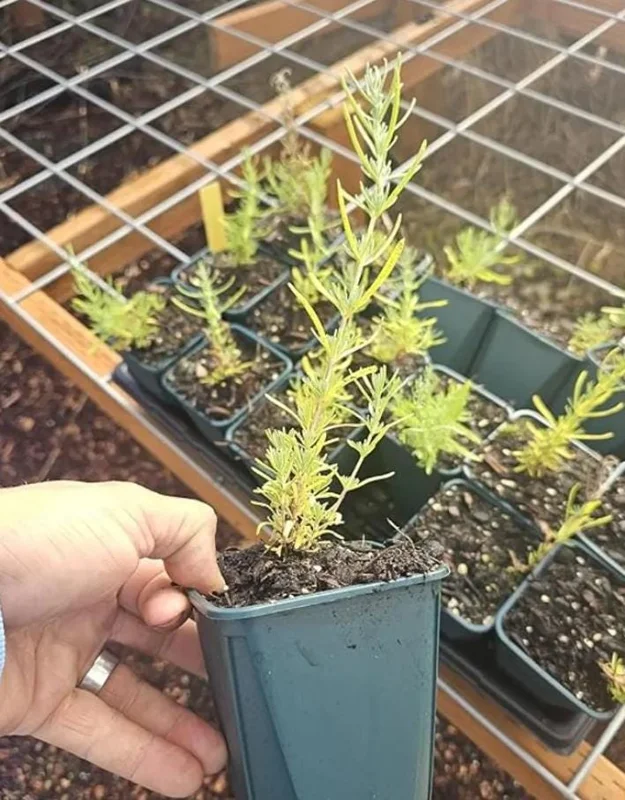
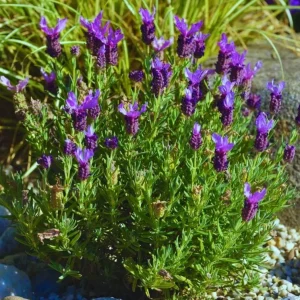
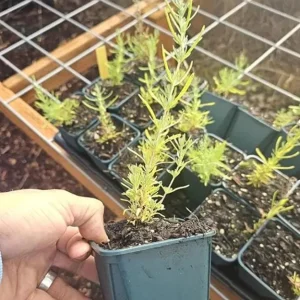
Each spanish common lavender plant arrives as a healthy, well-rooted specimen, typically standing 2-4 inches tall at shipment. These young plants are grown in 3-inch nursery pots, providing a robust root system ready for transplanting. Upon arrival, the plants are compact and bushy, poised for rapid growth in their new environment. When mature, this variety of lavandula stoechas live plant usually reaches a height of about 18-24 inches with a similar spread, forming an attractive, mounded shape. The growth rate is moderate, with visible development occurring throughout the active growing season. These live plants are shipped in their nursery pots, ensuring minimal transplant shock and ease of handling. They are designed to be immediately transplanted into your garden beds, larger containers, or patio planters. Expect vigorous growth and the emergence of the distinctive deep purple lavender blooms within the first growing season, especially when provided with ideal conditions. The mature plant will provide a continuous display of flowers from late spring through summer, offering both visual appeal and a rich, fragrant experience, solidifying its status as a highly desirable fragrant lavender herb.
Frequently Asked Questions
- Q: How big does this spanish common lavender plant get? A: Once mature, this variety typically reaches a height and spread of about 18-24 inches, forming a compact, bushy mound. Its size makes it versatile for various garden applications.
- Q: What size pot does the plant come in? A: Each live plant is shipped in a 3-inch nursery pot, containing a well-established root system ready for transplanting into a larger container or directly into your garden.
- Q: Is this an indoor or outdoor plant? A: This lavandula stoechas live plant is primarily an outdoor plant that thrives in full sun. While it can be overwintered indoors in colder climates, it generally performs best in an outdoor garden setting.
- Q: How much sunlight does it need? A: For optimal growth and prolific blooming, the full sun lavender requires at least 6-8 hours of direct sunlight per day. It will not flower well in shaded conditions.
- Q: Is this plant easy to care for? A: Yes, Spanish Common Lavender is considered relatively easy to care for, especially once established. Its main requirements are full sun, well-draining soil, and infrequent watering.
- Q: How long until it blooms? A: With proper care and sufficient sunlight, your deep purple lavender plant should begin to produce its characteristic blooms within the first growing season after planting, typically from late spring through summer.
- Q: Will it survive winter in my zone? A: This lavender is generally hardy in USDA Zones 8-10. In colder zones, it can be grown as an annual or protected indoors during winter months to ensure its survival.
- Q: What’s the best soil type for this fragrant lavender herb? A: Spanish Lavender prefers well-draining, slightly alkaline soil. Sandy or loamy soil types are ideal, and good drainage is crucial to prevent root rot.
- Q: What condition will it arrive in? A: Your plant will arrive as a live, well-rooted specimen in its nursery pot, carefully packaged to ensure its health and vitality during transit.
- Q: Can I use the flowers for culinary purposes? A: While Spanish Common Lavender is highly aromatic and often used in sachets and potpourri, it is generally considered less suitable for culinary applications than English Lavender varieties due to its stronger, more camphoraceous flavor.
Related products
-67%
Original price was: $75.72.$25.24Current price is: $25.24.
-50%
Original price was: $59.96.$29.98Current price is: $29.98.
-58%
Original price was: $39.99.$16.99Current price is: $16.99.
-20%
From Original price was: $22.00.$17.60Current price is: $17.60.
-67%
Original price was: $39.72.$13.24Current price is: $13.24.
-20%
Original price was: $35.00.$28.00Current price is: $28.00.
-30%
Original price was: $59.98.$41.98Current price is: $41.98.
-30%
Original price was: $59.98.$41.98Current price is: $41.98.
PLANTING & CARE

Growing Glencoe Raspberry: A Complete Guide for Gardeners
If you’re looking to add something unique to your garden, look no further than the
31
Mar
Mar

The Comprehensive Guide to Growing Bay Leaf Plants for a Flavorful Garden
Imagine stepping into your garden, greeted by the earthy aroma of fresh bay leaves, their
09
Feb
Feb

How to Make Comfrey Tea: The Ultimate Organic Plant Food
Growing an organic garden can be surprisingly expensive, especially when most store-bought fertilizers come in
02
Feb
Feb

True Comfrey: 7 Essential Tips Before You Plant This Herb
A staple in permaculture practices across the US, True Comfrey easily earns its reputation as
27
Jan
Jan

7 Heart-Shaped Plants for a Lasting Valentine’s Gift
If you’ve ever bought a bouquet of roses for Valentine’s Day, you know they are
26
Jan
Jan

Best Types of Ivy Plant for Houses: How to Choose the Perfect Ones for Your Home
Are you a garden lover looking to introduce some greenery into your home? Maybe you’ve
14
Nov
Nov

When to Harvest Garlic (Especially Fall-Planted Garlic)
TIMING IS EVERYTHING, they say – and for garlic, that truth hits with surprising accuracy.
13
Nov
Nov

11 of the Best Sweet Potato Varieties to Grow for Your Garden
If you’ve ever tried growing sweet potatoes, you know that picking the right variety can
12
Nov
Nov