Spicebush Live Plant 12-18″ Tall 2.5″ Pot Fragrant Native Shrub
-10%
Spicebush Live Plant 12-18″ Tall 2.5″ Pot Fragrant Native Shrub
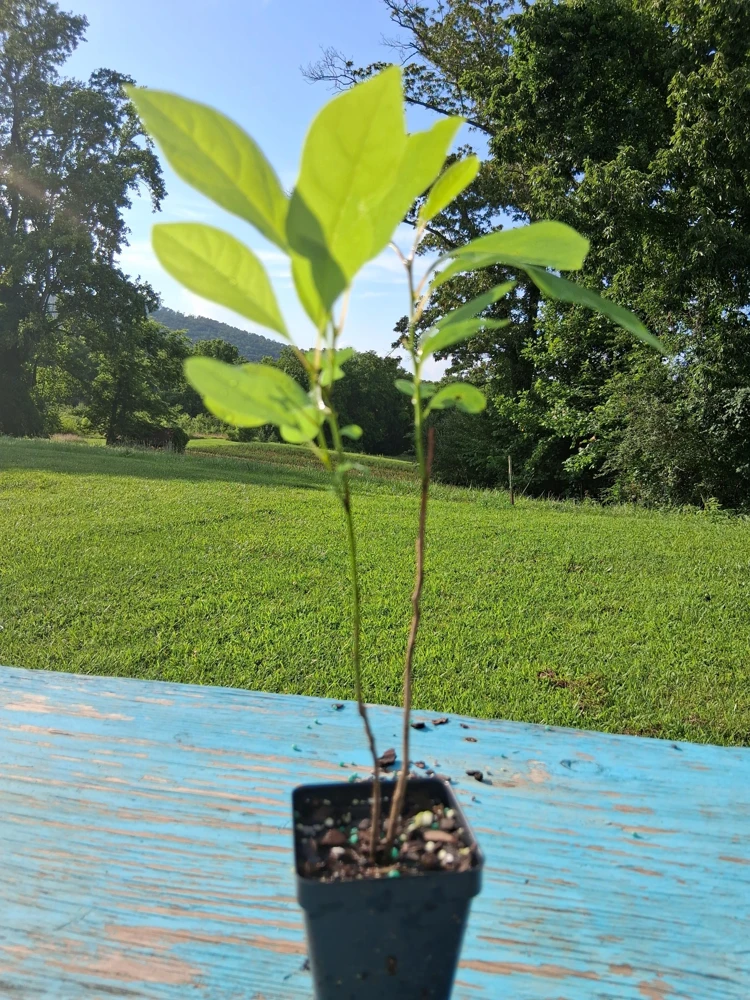
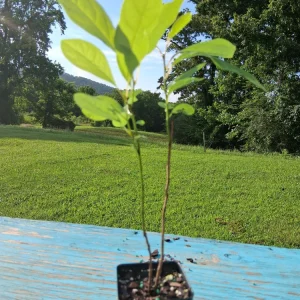
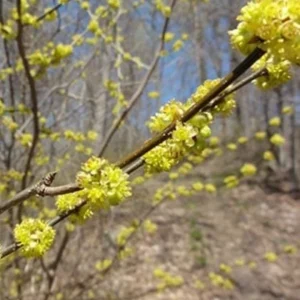
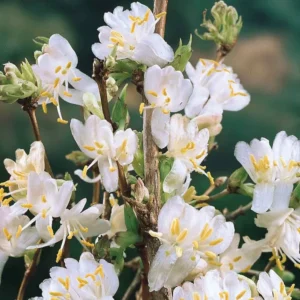
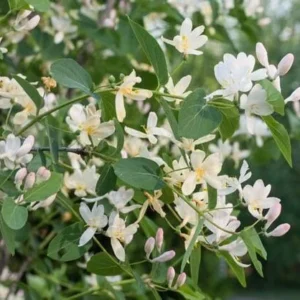
Bring home a beautiful spicebush live plant, measuring 12-18 inches tall in a 2.5-inch pot. This native spicebush shrub is known for its fragrant, yellow-green spring blooms and its ability to attract butterflies, making it a perfect addition to any garden.
Original price was: $26.00.$23.40Current price is: $23.40.

With our Alive & Thrive Guarantee, we’ve got your back for the first 30 days! If you have any concerns about your plants, just reach out to us. Our team is here to help answer your questions and guide you in selecting the best plants for your garden, climate, and unique preferences. We're excited to help you create the garden of your dreams!
Estimated arrival
Oct 14
Oct 19 - Oct 21
Oct 24 - Oct 28

Product Details
-
USDA Hardiness Zone
USDA Zones 4-8 -
Soil type
Well-draining, organically rich soil -
Sunlight Exposure
Partial shade to full sun -
Expected Planting Period
Spring to early fall
Overview
Introduce a touch of native elegance to your landscape with the spicebush live plant. This deciduous shrub, scientifically known as Lindera benzoin, is a true gem for any garden, offering year-round interest and ecological benefits. Growing 12-18 inches tall and supplied in a 2.5-inch pot, this young plant is ready to establish itself and flourish. The spicebush live plant is celebrated for its early spring display of yellow-green, fragrant blooms that emerge before the leaves, providing a vital nectar source for early-season pollinators. Its vibrant foliage turns a brilliant yellow in the fall, adding a splash of color to the autumn landscape. This adaptable shrub is also the host plant for the Spicebush Swallowtail butterfly, making it an essential component for a thriving butterfly garden. Embrace the beauty and ecological value of this remarkable native species.
Key Benefits
The spicebush live plant offers a multitude of benefits for both your garden and local ecosystem. Its unique characteristics make it a standout choice for gardeners seeking beauty, fragrance, and wildlife support.
- Butterfly Attractor: This shrub is a primary host plant for the stunning Spicebush Swallowtail butterfly, providing crucial food for its larvae. It also offers nectar for adult butterflies and other pollinators, making your garden a haven for these beneficial insects.
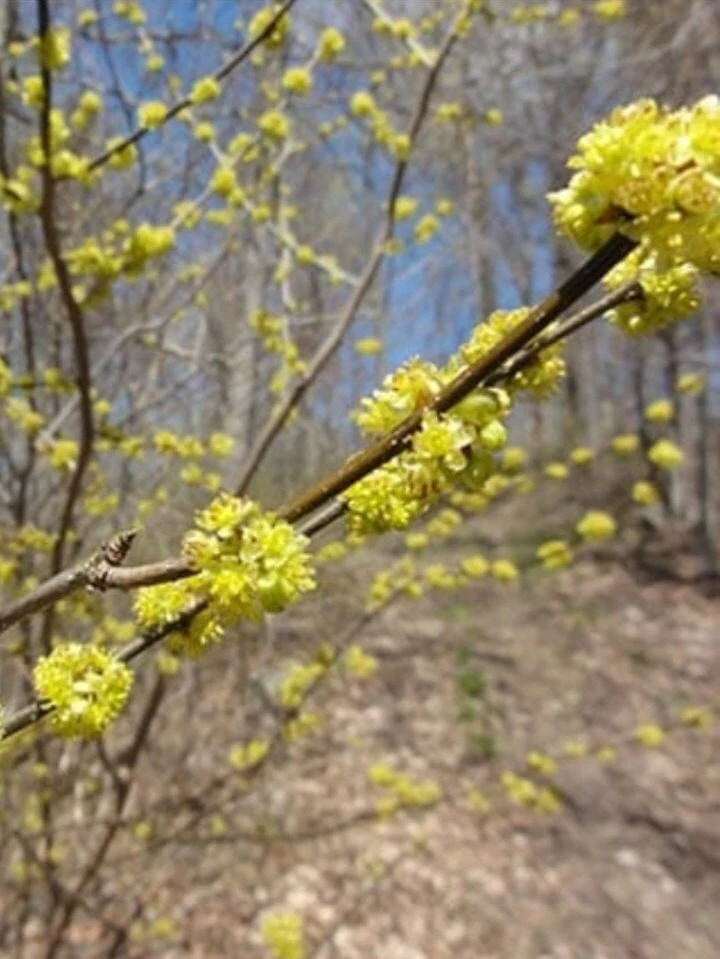
- Fragrant Blooms: In early spring, before its leaves appear, the native spicebush shrub produces delicate, yellow-green flowers that emit a delightful, spicy fragrance. This early bloom provides a welcome sign of spring and a pleasant aroma to your outdoor space.
- Vibrant Fall Color: Beyond its spring flowers, the Lindera benzoin plant transforms in autumn, with its leaves turning a brilliant golden-yellow. This spectacular display adds significant aesthetic appeal to your landscape during the fall season.
- Hardy and Adaptable: Thriving in USDA Zones 4-8, the spicebush live plant is remarkably resilient and low-maintenance. It adapts well to various soil conditions and can tolerate both full sun and partial shade, making it suitable for many garden settings.
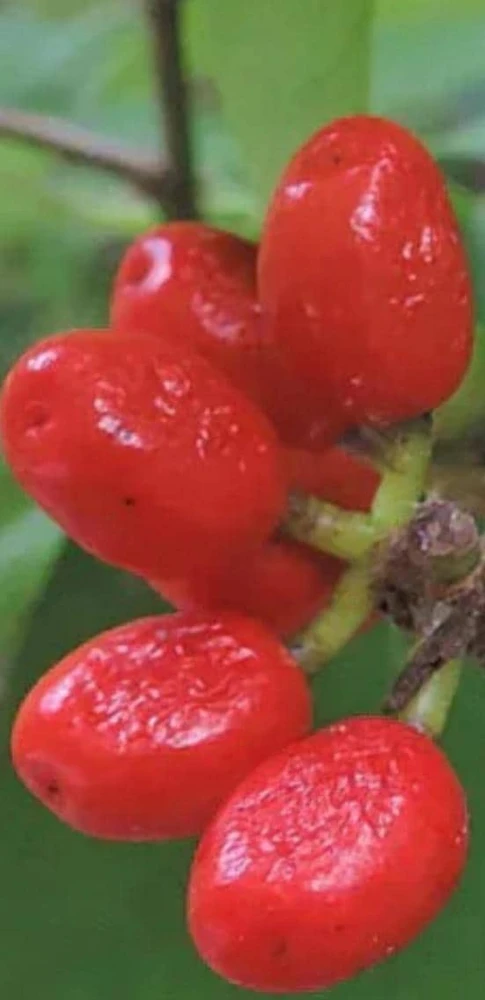
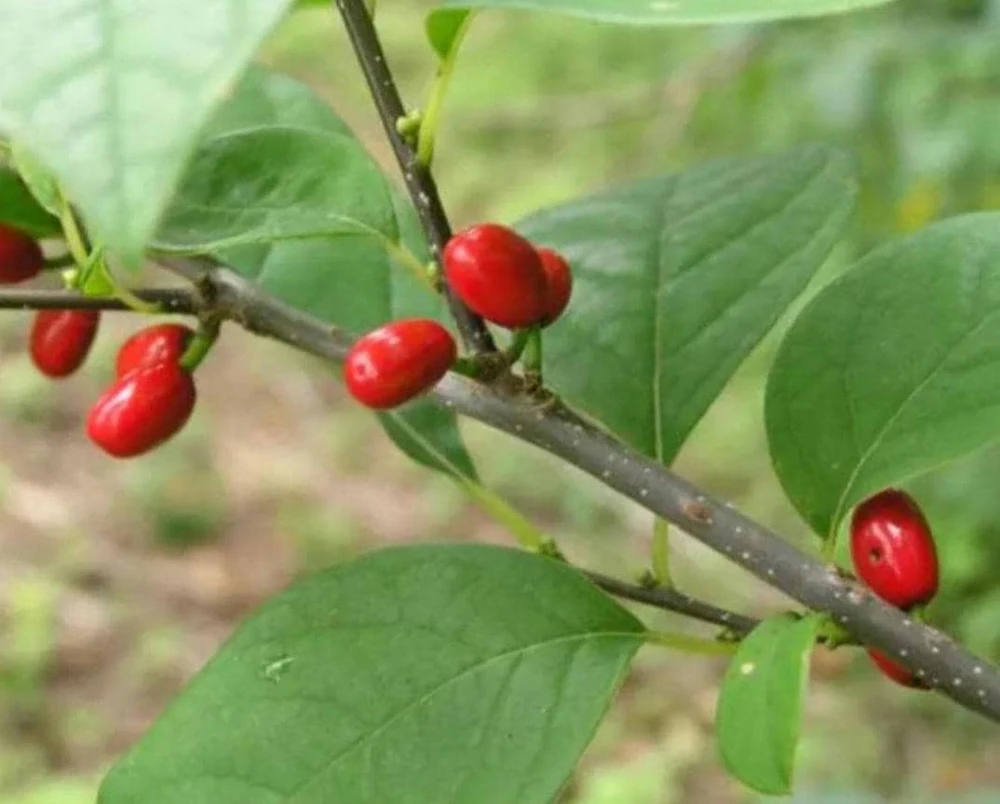
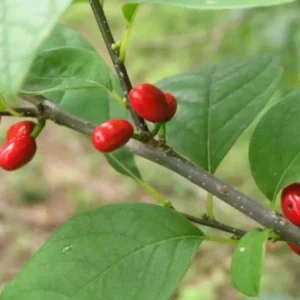
- Native Ecosystem Support: As a fragrant native plant, it plays a vital role in supporting local wildlife. Besides butterflies, its bright red berries (on female plants) provide a food source for numerous bird species in late summer and fall.
- Low Maintenance: Once established, the spicebush requires minimal care, making it an excellent choice for gardeners looking for a beautiful yet easy-to-grow shrub. Its natural resistance to many pests and diseases further simplifies its upkeep.
Plant Care & Growing Tips
Caring for your spicebush live plant is straightforward, ensuring it thrives and beautifies your garden for years to come. This adaptable native spicebush shrub prefers a site with partial shade to full sun, though it will tolerate more sun if the soil remains consistently moist. In hotter climates, afternoon shade is beneficial to prevent leaf scorch. Ensure good air circulation around the plant to discourage fungal issues. The plant is fairly drought-tolerant once established but performs best with regular watering, especially during dry spells and in its first year after planting.
When it comes to soil, the Lindera benzoin plant is not overly particular, but it thrives in well-draining, organically rich soil with a slightly acidic to neutral pH. Amend heavy clay soils with compost to improve drainage and aeration. Fertilization is generally not necessary for established plants in good soil, but if your soil is poor, a balanced, slow-release fertilizer can be applied in early spring. Pruning is minimal, usually just to remove dead or damaged branches, or to shape the plant after flowering. This butterfly attracting shrub is quite resilient to pests and diseases, making it a low-stress addition to your garden. Ensure to protect young plants from deer browsing if deer are prevalent in your area.
Size & Details
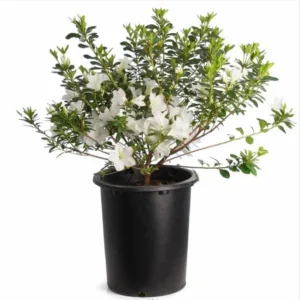
This offering is for a healthy spicebush live plant, standing approximately 12-18 inches tall and carefully grown in a 2.5-inch nursery pot. At maturity, this deciduous shrub typically reaches a height of 6-12 feet with a similar spread, forming an attractive, rounded shape. Its growth rate is moderate, allowing it to establish well within a few seasons. The plant will arrive ready for immediate planting in your garden or a larger container. Expect its fragrant, yellow-green blooms to appear in early spring, followed by bright green leaves that transition to a stunning yellow in the fall. Female plants, when pollinated, will produce attractive red berries in late summer, adding further interest and providing food for wildlife. This fragrant native plant is a long-lived addition to any landscape.
Frequently Asked Questions
- Q: How big does this plant get? A: This spicebush live plant is currently 12-18 inches tall. At maturity, it typically grows to be 6-12 feet tall and wide, forming a beautiful, rounded shrub.
- Q: What size pot does it come in? A: The spicebush plant is shipped in a 2.5-inch nursery pot, providing a healthy root system ready for transplanting into your garden or a larger container.
- Q: Is this an indoor or outdoor plant? A: The native spicebush shrub is an outdoor plant, best suited for garden beds, woodland gardens, or as a specimen shrub in your landscape. It is not typically grown as an indoor houseplant.
- Q: How much sunlight does it need? A: Spicebush thrives in partial shade but can tolerate full sun, especially in cooler climates, as long as the soil remains moist. In hot climates, some afternoon shade is beneficial.
- Q: Is this plant easy to care for? A: Yes, the Lindera benzoin plant is considered low-maintenance. Once established, it is quite hardy and requires minimal care, making it excellent for beginners and experienced gardeners alike.
- Q: What condition will it arrive in? A: Your butterfly attracting shrub will arrive as a healthy, live plant, carefully packaged to ensure its safe journey. It will be rooted in its 2.5-inch pot with some soil.
- Q: How long until it blooms? A: Spicebush typically blooms in early spring, often in March or April, before its leaves emerge. Your young plant may bloom in its first or second year after planting, depending on its establishment.
- Q: What is the best time to plant? A: The best time to plant your fragrant native plant is in spring or early fall. This allows the plant sufficient time to establish its root system before extreme weather conditions.
- Q: Will it survive winter in my zone? A: Yes, this spicebush is hardy in USDA Zones 4-8. If you are within these zones, your plant should successfully overwinter outdoors.
- Q: Does it attract butterflies? A: Absolutely! The spicebush is a crucial host plant for the Spicebush Swallowtail butterfly and provides nectar for various other pollinators.
Related products
-50%


Original price was: $63.00.$31.50Current price is: $31.50.
-45%
Original price was: $220.00.$121.00Current price is: $121.00.
-20%
Original price was: $20.00.$16.00Current price is: $16.00.
-20%
Original price was: $36.00.$28.80Current price is: $28.80.

-76%
Original price was: $103.96.$24.99Current price is: $24.99.
PLANTING & CARE
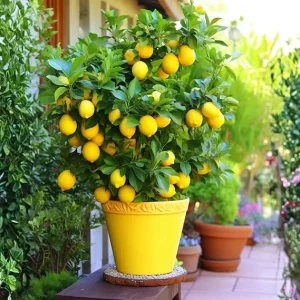
Lemon Tree Growing: Choose, Plant, and Harvest
Learn how to choose, plant, feed, and protect a lemon tree so it fits your
23
Sep
Sep
Dwarf Meyer Lemon Tree Australia: Climate Guide
Learn where dwarf Meyer lemon trees grow, how much cold they tolerate, and whether Australia,
Where to Buy a Dwarf Meyer Lemon Tree: Buyer’s Guide
Find the right dwarf Meyer lemon tree online or locally, compare starter sizes and costs,
Dwarf Meyer Lemon Tree for Sale: Buying Guide
Compare Meyer lemon tree sizes, prices, shipping limits, indoor growing and California options before you
Dwarf Meyer Lemon Tree Guide: Size, Care and Fruit
META: Learn how large a dwarf Meyer lemon tree grows, where it thrives, and how
How to Prune a Dwarf Meyer Lemon Tree
Learn when and how to prune a dwarf Meyer lemon tree, including tools, shaping cuts,
Can You Grow a Dwarf Meyer Lemon Tree in a Pot?
META: Learn how to grow a dwarf Meyer lemon tree in a pot, including container
When Do Dwarf Meyer Lemon Trees Bloom and Fruit?
META: Dwarf Meyer lemon trees usually bloom from winter through spring and may flower again