Spicebush Live Plant – Quart Pot – Dormant in Winter – Native Shrub
-30%
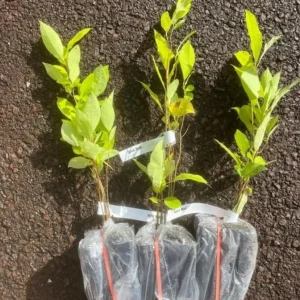
Spicebush Live Plant – Quart Pot – Dormant in Winter – Native Shrub
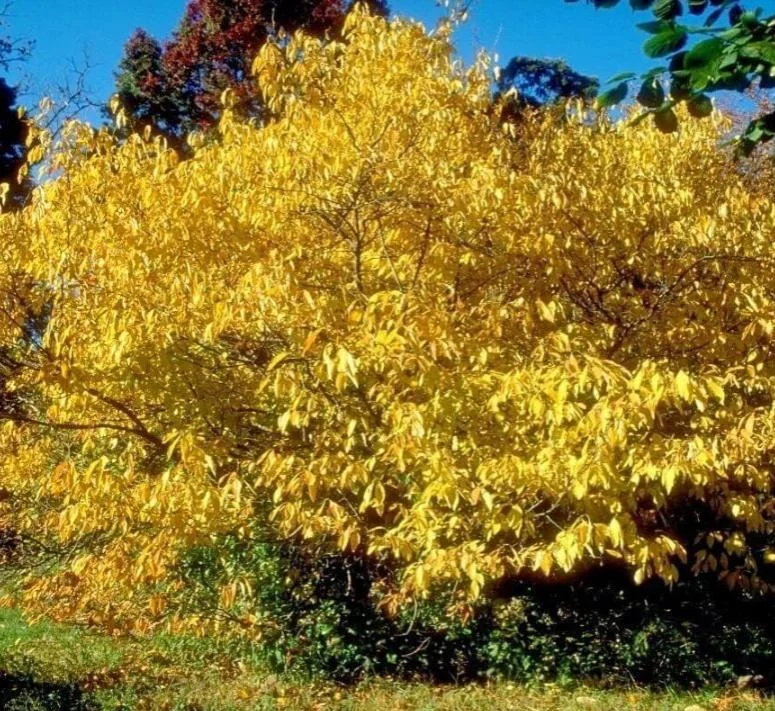
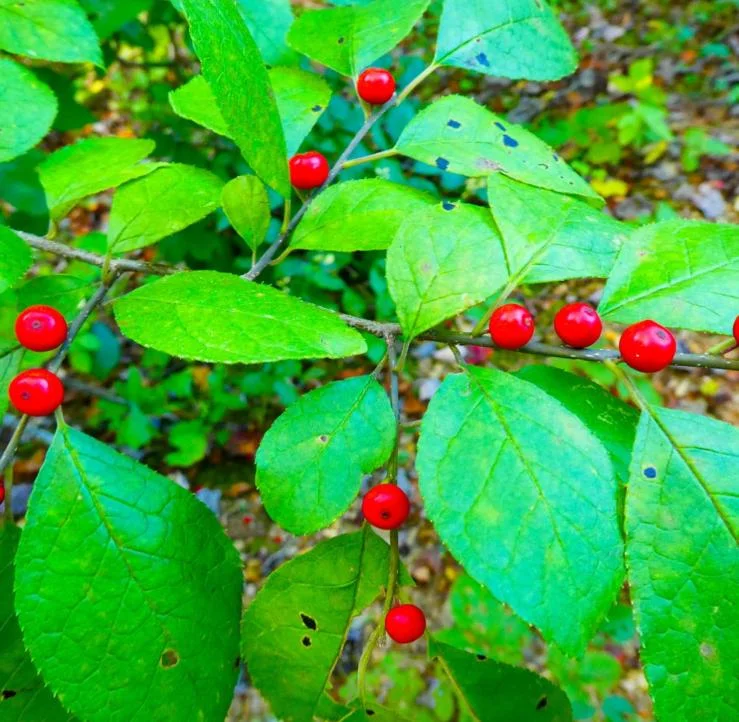
Enhance your landscape with a spicebush live plant, a beautiful native shrub delivered in a quart pot. This resilient plant offers aromatic foliage, small yellow flowers, and bright red berries, attracting butterflies and birds to your garden. Ideal for home gardens and wildlife projects, it’s hardy in USDA Zones 4–9.
Original price was: $59.98.$41.98Current price is: $41.98.

With our Alive & Thrive Guarantee, we’ve got your back for the first 30 days! If you have any concerns about your plants, just reach out to us. Our team is here to help answer your questions and guide you in selecting the best plants for your garden, climate, and unique preferences. We're excited to help you create the garden of your dreams!
Estimated arrival
Apr 01
Apr 06 - Apr 08
Apr 11 - Apr 15

Product Details
-
USDA Hardiness Zone
USDA Zones 4–9 -
Soil type
Well-drained soil -
Sunlight Exposure
Full sun to partial shade -
Expected Planting Period
Spring to Fall
Overview
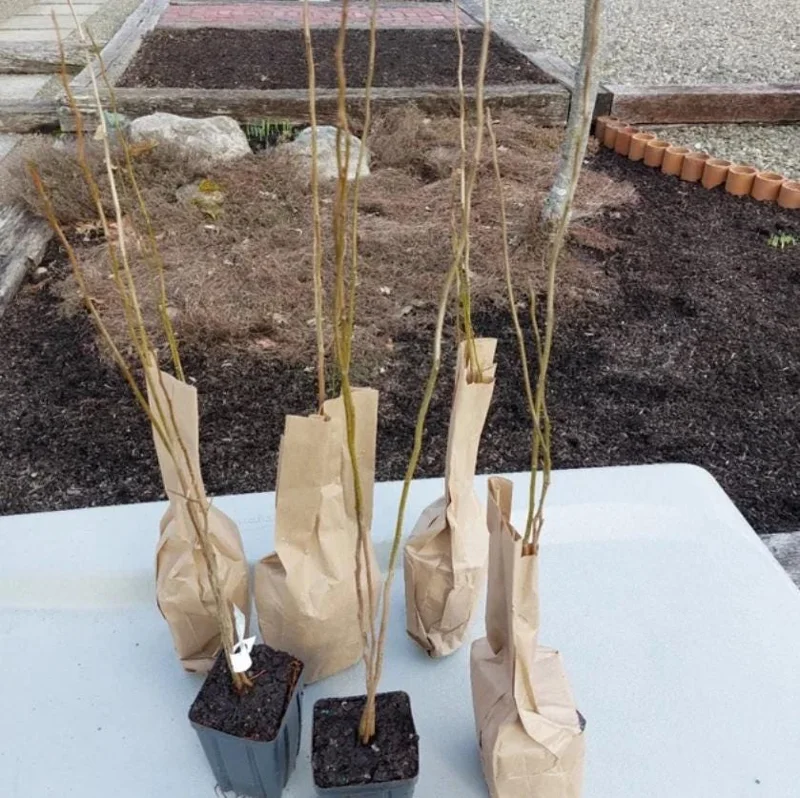
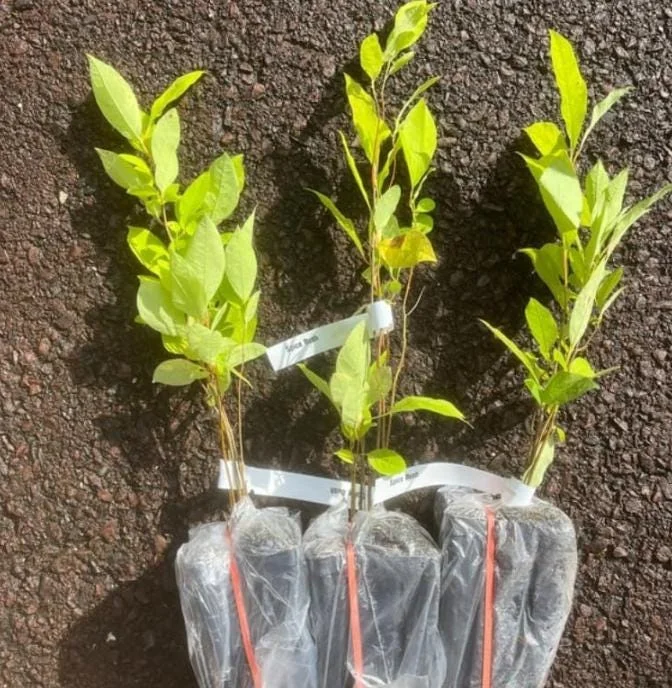
Introducing the spicebush live plant, a truly remarkable native shrub that will bring year-round beauty and ecological value to your garden. Also known by its botanical name, Lindera benzoin, this deciduous shrub is a must-have for anyone looking to create a vibrant, wildlife-friendly landscape. You will receive a healthy young spicebush live plant in a quart pot, ready for easy outdoor planting. While it may arrive dormant, especially during colder months, this is a natural part of its growth cycle, ensuring it will leaf out beautifully in spring. The Spicebush is celebrated for its aromatic green leaves, delicate yellow flowers, and the striking bright red berries it produces, making it a focal point in any garden setting.
The spicebush live plant is not just a pretty face; it’s a powerhouse for local ecosystems. It serves as a host plant for the Spicebush Swallowtail butterfly and provides crucial food for various bird species with its nutrient-rich berries. Its adaptability and low-maintenance nature make it an excellent choice for both experienced gardeners and beginners. Whether you’re aiming for a naturalized woodland garden, a formal shrub border, or simply want to attract more wildlife, this resilient shrub is an outstanding addition. Discover the joy of growing a plant that combines aesthetic appeal with significant ecological benefits.
Key Benefits
The spicebush live plant offers a wealth of advantages, transforming your outdoor space into a thriving haven for both nature and beauty:
- Attracts Pollinators and Wildlife: This native shrub is a magnet for butterflies, especially the stunning Spicebush Swallowtail, and provides essential food for birds with its vibrant red berries, enhancing biodiversity in your garden.
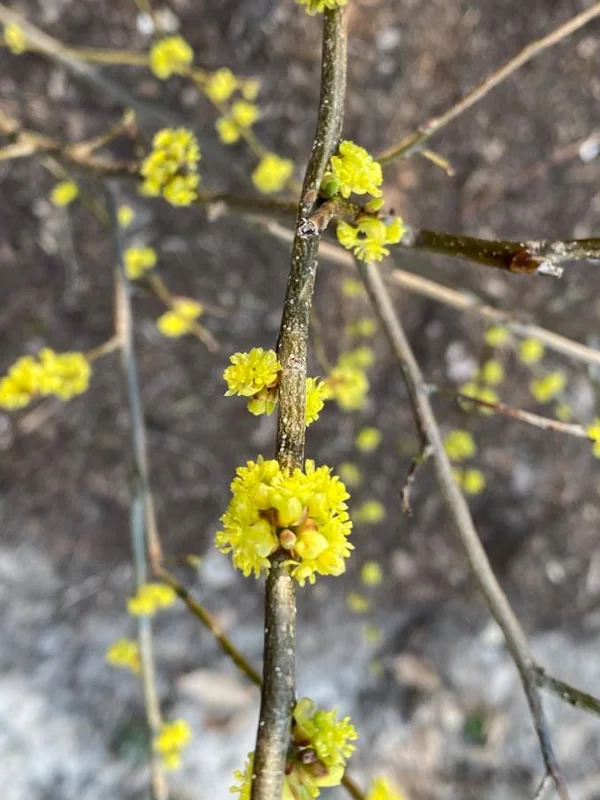
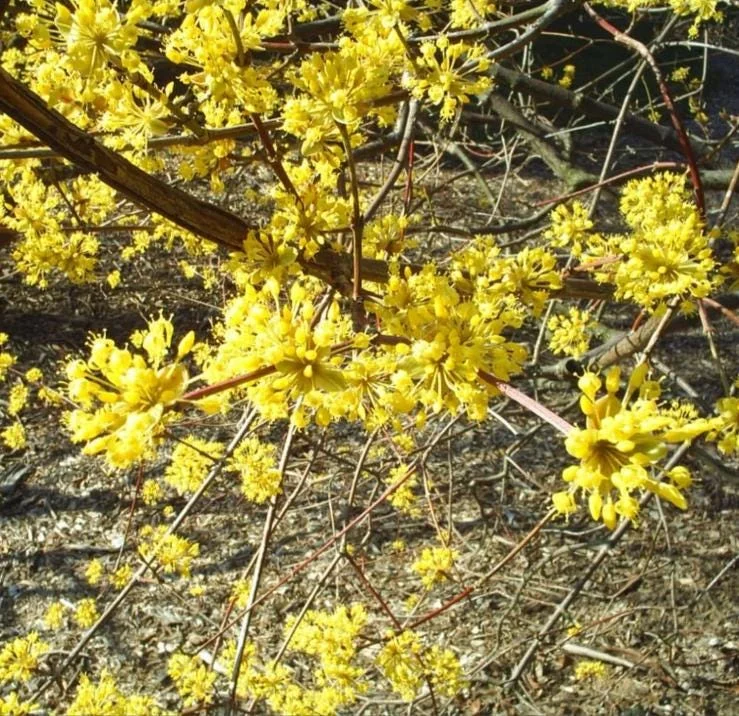
- Fragrant Foliage and Seasonal Interest: Enjoy the aromatic green leaves that release a spicy scent when crushed. The plant transitions through small yellow flowers in spring, lush summer foliage, and bright red berries in late summer and fall, offering continuous visual appeal.
- Low-Maintenance and Adaptable: The Spicebush is known for its resilience and ease of care. It thrives in a range of conditions, from full sun to partial shade, and prefers well-drained soil, making it suitable for various garden settings.
- Hardy and Drought-Tolerant: With a hardiness range of USDA Zones 4–9, this shrub can withstand diverse climates. Once established, it exhibits good drought tolerance, reducing the need for frequent watering.
- Ideal for Native and Wildlife Gardens: As a native species, it integrates seamlessly into local ecosystems, supporting regional wildlife and contributing to a sustainable landscape. It’s perfect for creating a natural habitat.
- Versatile Landscape Use: Whether planted as a specimen, in a mixed border, or as part of a hedge, the spicebush live plant adds structure, color, and texture to any garden design.
- Contributes to Ecosystem Health: By providing food and shelter, this plant plays a vital role in supporting local fauna, making your garden a more robust and healthy environment.
Plant Care & Growing Tips
Caring for your spicebush live plant is straightforward, especially given its native resilience. This adaptable shrub thrives in a variety of conditions, making it a joy to grow. For optimal growth and berry production, choose a location that receives full sun to partial shade. While it can tolerate more shade, fewer berries and flowers may be produced. Good air circulation is beneficial. The ideal soil for spicebush shrub care is well-drained, fertile, and slightly acidic to neutral. If your soil is heavy clay, amending it with organic matter like compost before planting will significantly improve drainage and structure.
When it comes to watering, consistent moisture is key during the plant’s establishment period. For the first year or two, ensure the soil remains evenly moist, but not waterlogged. Once established, the Spicebush is quite drought-tolerant, only requiring supplemental watering during extended dry spells. Fertilization is generally not heavily needed for a healthy lindera benzoin plant. An annual application of a balanced, slow-release granular fertilizer in early spring can be beneficial, especially if your soil is poor. Pruning should be done in late winter or early spring while the plant is dormant. Remove any dead, damaged, or crossing branches to maintain a healthy structure and encourage new growth. Minimal pruning is typically required, as it naturally forms an attractive, rounded shape.
This native wildlife plant is hardy in USDA Zones 4–9, meaning it can withstand cold winters and hot summers within this range. While generally pest and disease resistant, keep an eye out for common garden issues and address them promptly. If your plant arrives dormant or without leaves, do not be alarmed; this is completely normal, especially if purchased during the cooler months. The plant is simply conserving energy and will begin to leaf out vigorously as temperatures warm in spring. With these simple care guidelines, your spicebush for sale will flourish and provide years of beauty and ecological benefit.
Size & Details
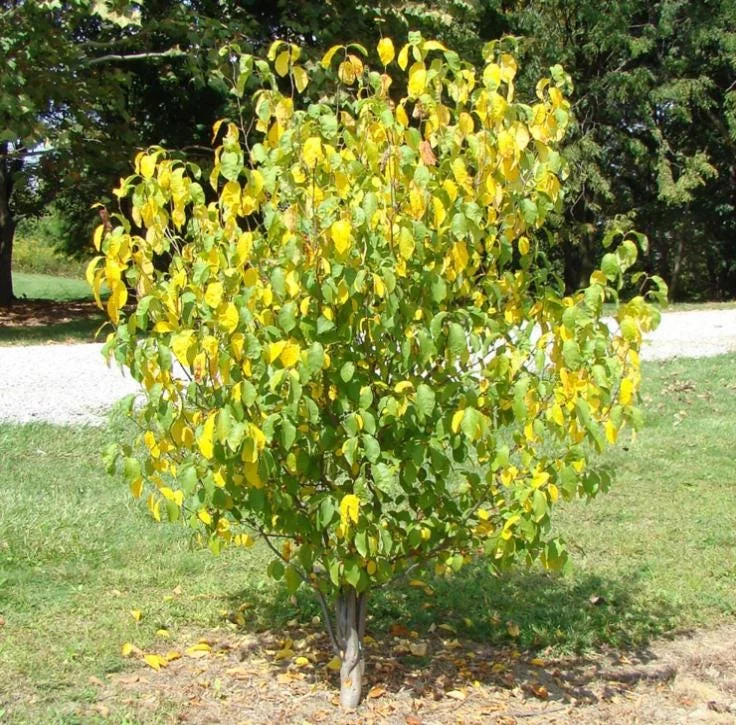
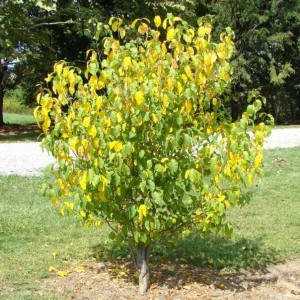
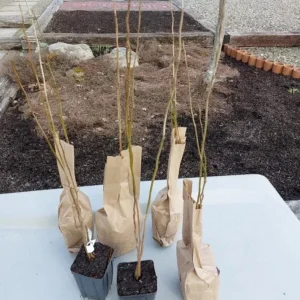
This offering includes one healthy spicebush live plant, delivered in a quart pot. At the time of shipment, the plant’s height will vary depending on the growing season but is typically a young, ready-to-establish seedling. Spicebush is a medium-sized deciduous shrub, typically growing to a mature height of 6 to 12 feet tall with a similar spread. Its growth rate is moderate, allowing it to establish well in your landscape within a few seasons. The plant is shipped securely in its quart pot, ensuring the root ball remains intact and protected during transit. Upon arrival, it will be ready for immediate outdoor planting.
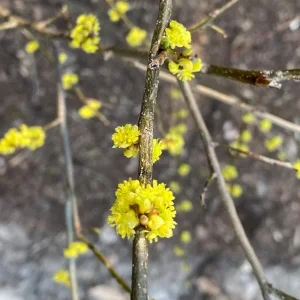
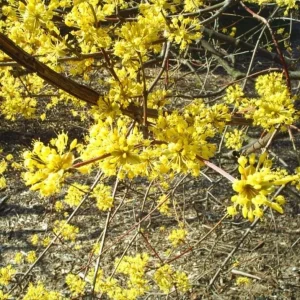
The spicebush live plant will display its characteristic aromatic green leaves from spring through fall, followed by small, fragrant yellow flowers that emerge before the leaves in early spring. These flowers are followed by brilliant red, berry-like drupes in late summer and fall, which are highly attractive to birds. This plant will arrive in a form appropriate for its current growth stage and the season, which may include being dormant and leafless during winter. This is a natural and healthy state for the plant and indicates its readiness to thrive once planted in its permanent location.
Frequently Asked Questions
- Q: How big does this Spicebush plant get? A: A mature spicebush live plant typically grows to a height and spread of 6 to 12 feet. It has a moderate growth rate, establishing itself well over a few years and forming a rounded, attractive shrub.
- Q: What size pot does it come in? A: Your spicebush live plant will be delivered in a quart-sized pot, with its root system well-established and ready for transplanting into your garden or a larger container if desired.
- Q: Is this an indoor or outdoor plant? A: The Spicebush is an outdoor perennial shrub, hardy in USDA Zones 4–9. It is not suitable for long-term indoor growth and thrives best when planted in the ground in a suitable outdoor environment.
- Q: How much sunlight does it need? A: For best growth and berry production, the spicebush live plant prefers full sun to partial shade. While it tolerates more shade, you may see fewer flowers and berries in very shady conditions.
- Q: Is this plant easy to care for? A: Yes, the Spicebush is considered a low-maintenance and adaptable shrub. Once established, it requires minimal care, making it an excellent choice for gardeners of all experience levels. Its natural resilience contributes to easy spicebush shrub care.
- Q: What condition will it arrive in? A: Your plant is carefully packaged to ensure it arrives healthy. Depending on the season, it may arrive dormant or without leaves, which is normal for this deciduous species and not a sign of poor health.
- Q: When is the best time to plant a Spicebush? A: The best time to plant your lindera benzoin plant is in spring or fall when temperatures are moderate. This allows the plant to establish its root system before the stress of extreme heat or cold.
- Q: Will it survive winter in my zone? A: The Spicebush is hardy in USDA Zones 4–9. If you are within this range, your plant is well-suited to survive winter conditions and will naturally go dormant before leafing out again in spring.
- Q: Can I use the leaves or berries of the Spicebush? A: Historically, the leaves and berries of the native wildlife plant have been used to make tea and spice. However, always consult with an expert before consuming any plant material.
- Q: Why is the Spicebush a good choice for wildlife? A: This spicebush for sale is a keystone species for many local ecosystems. It serves as a host plant for butterfly larvae and its berries are a vital food source for numerous bird species, contributing significantly to garden biodiversity.
Related products
-50%
Original price was: $55.98.$27.99Current price is: $27.99.
-20%
Original price was: $76.00.$60.80Current price is: $60.80.
-50%


Original price was: $63.00.$31.50Current price is: $31.50.
-20%
Original price was: $36.00.$28.80Current price is: $28.80.
-20%
Original price was: $66.00.$52.80Current price is: $52.80.
-10%
Original price was: $23.99.$21.59Current price is: $21.59.
PLANTING & CARE
Growing Glencoe Raspberry: A Complete Guide for Gardeners
If you’re looking to add something unique to your garden, look no further than the
31
Mar
Mar

The Comprehensive Guide to Growing Bay Leaf Plants for a Flavorful Garden
Imagine stepping into your garden, greeted by the earthy aroma of fresh bay leaves, their
09
Feb
Feb

How to Make Comfrey Tea: The Ultimate Organic Plant Food
Growing an organic garden can be surprisingly expensive, especially when most store-bought fertilizers come in
02
Feb
Feb

True Comfrey: 7 Essential Tips Before You Plant This Herb
A staple in permaculture practices across the US, True Comfrey easily earns its reputation as
27
Jan
Jan

7 Heart-Shaped Plants for a Lasting Valentine’s Gift
If you’ve ever bought a bouquet of roses for Valentine’s Day, you know they are
26
Jan
Jan

Best Types of Ivy Plant for Houses: How to Choose the Perfect Ones for Your Home
Are you a garden lover looking to introduce some greenery into your home? Maybe you’ve
14
Nov
Nov

When to Harvest Garlic (Especially Fall-Planted Garlic)
TIMING IS EVERYTHING, they say – and for garlic, that truth hits with surprising accuracy.
13
Nov
Nov

11 of the Best Sweet Potato Varieties to Grow for Your Garden
If you’ve ever tried growing sweet potatoes, you know that picking the right variety can
12
Nov
Nov