Staghorn Fern Live Plant – Platycerium Bifurcatum Hanging Houseplant
-29%
Staghorn Fern Live Plant – Platycerium Bifurcatum Hanging Houseplant
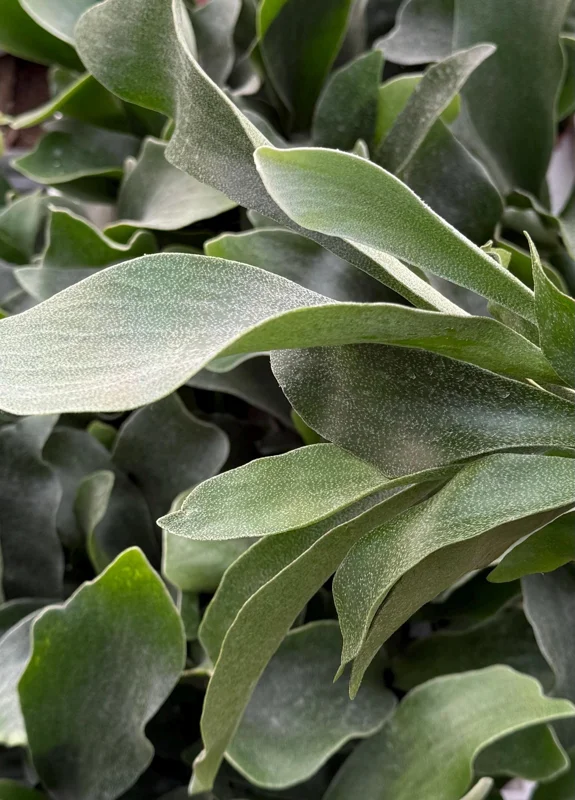
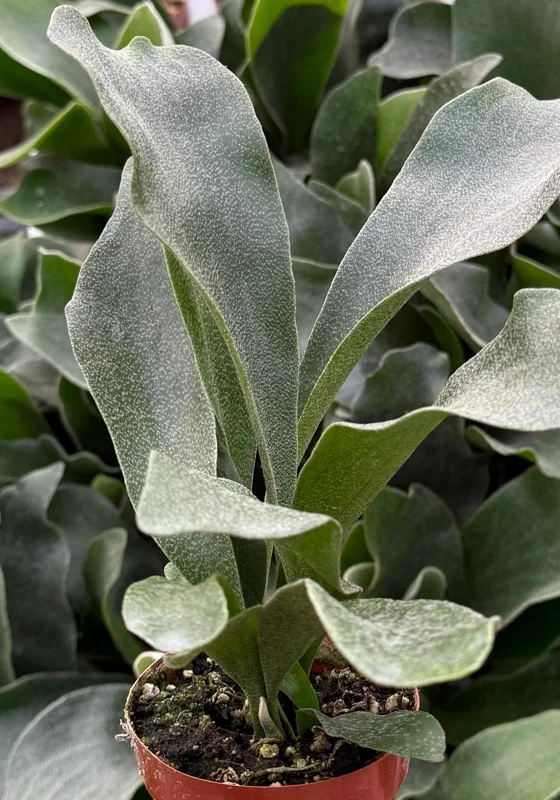
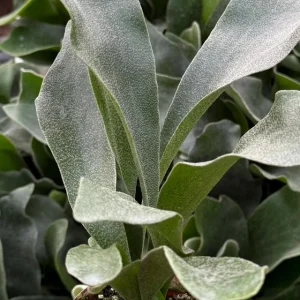
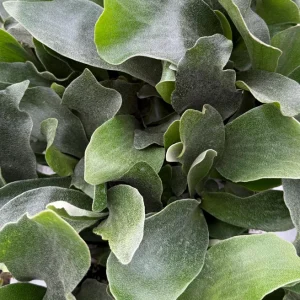
Bring tropical elegance to your home with a staghorn fern live plant. This unique epiphytic plant, Platycerium bifurcatum, is ideal for hanging baskets or mounting, creating a striking visual display. Known for its antler-like fronds, it’s a fascinating and low-maintenance hanging houseplant.
Original price was: $27.98.$19.99Current price is: $19.99.

With our Alive & Thrive Guarantee, we’ve got your back for the first 30 days! If you have any concerns about your plants, just reach out to us. Our team is here to help answer your questions and guide you in selecting the best plants for your garden, climate, and unique preferences. We're excited to help you create the garden of your dreams!
Estimated arrival
Apr 13
Apr 18 - Apr 20
Apr 23 - Apr 27

Product Details
-
USDA Hardiness Zone
USDA zones 9-11 (outdoors), otherwise grown indoors -
Soil type
Epiphytic, thrives mounted on wood/cork with sphagnum moss or in very well-draining orchid mix if potted -
Sunlight Exposure
Bright indirect light -
Expected Planting Period
Year-round indoors
Overview
Introduce an exotic touch to your indoor oasis with this magnificent staghorn fern live plant. Scientifically known as Platycerium bifurcatum, this unique tropical plant is renowned for its distinctive fronds that strikingly resemble the antlers of a stag or elk. As an epiphytic plant, the staghorn fern naturally grows on other plants or surfaces in its native tropical and subtropical rainforest habitats, absorbing nutrients and moisture from the air and environment rather than soil. This fascinating adaptation makes it an exceptional choice for those seeking a truly unique indoor plant that stands out from conventional potted varieties. Its architectural form and lush green foliage make it a captivating focal point in any room, offering a glimpse into the vibrant biodiversity of the world’s rainforests.
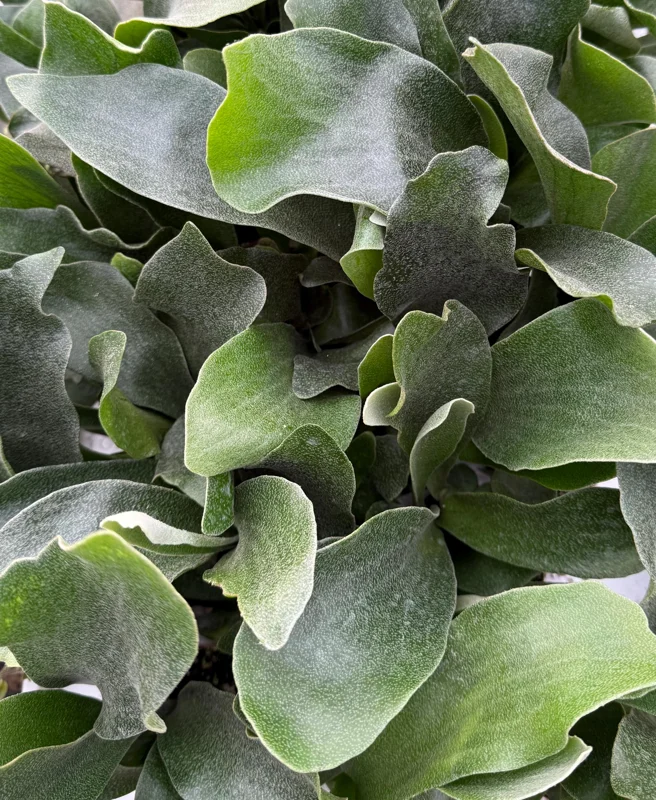
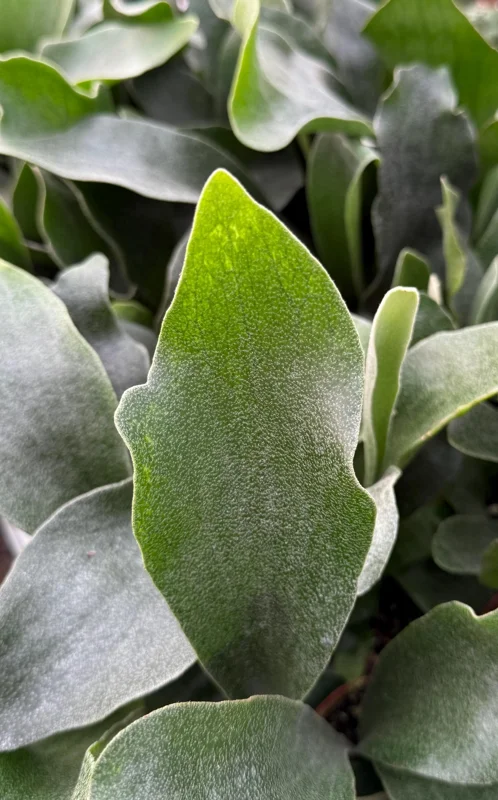
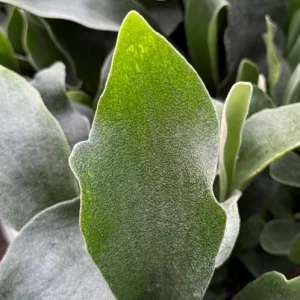
The staghorn fern live plant is not just a botanical marvel but also a conversation starter. Its two distinct types of fronds – the flat, rounded shield fronds that protect its base and collect organic matter, and the longer, antler-like fertile fronds responsible for spore production – contribute to its characteristic appearance. Thriving in conditions that mimic its natural environment, this hanging houseplant prefers bright, indirect light and high humidity. It’s often displayed mounted on wood or cork or in hanging baskets, allowing its unique growth habit to be fully appreciated. This remarkable specimen brings a touch of the wild indoors, offering both aesthetic appeal and a connection to nature.
Key Benefits
A staghorn fern live plant offers numerous advantages, making it a prized addition to any plant collection. Its unique aesthetic and relatively straightforward care requirements contribute to its popularity:
-
Exceptional Decorative Appeal: The striking, antler-like fronds of the staghorn fern live plant create a dramatic visual impact, serving as a natural work of art. Its sculptural form and vibrant green color add an exotic touch to modern and traditional interiors alike, making it a captivating focal point.
-
Unique Growth Habit: As an epiphytic plant, it can be mounted on various surfaces like wood or cork, or grown in hanging baskets, allowing for creative display options that maximize vertical space and mimic its natural habitat. This versatility makes it ideal for unique home decor.
-
Air Purifying Qualities: Like many houseplants, the staghorn fern live plant contributes to improved indoor air quality by absorbing common airborne toxins and releasing oxygen, promoting a healthier living environment.
-
Low Maintenance: Once its specific light and humidity needs are met, the platycerium bifurcatum care routine is relatively simple, requiring less frequent watering than many soil-bound plants. This makes it a rewarding choice for both experienced and novice plant enthusiasts.
-
Adds Tropical Ambiance: Its lush foliage and exotic appearance instantly transport a room to a tropical paradise, creating a serene and calming atmosphere. This contributes to a sense of well-being and relaxation.
-
Fascinating Educational Specimen: Observing the growth of its shield and fertile fronds provides an interesting insight into plant biology and adaptation, offering an educational aspect for curious minds.
Plant Care & Growing Tips
Caring for your staghorn fern live plant, or Platycerium bifurcatum, is straightforward once you understand its natural preferences. These epiphytes thrive in conditions similar to their rainforest origins. For sunlight, bright, indirect light is ideal. Avoid direct, harsh sunlight, especially during the hottest parts of the day, as this can scorch the fronds. An east or north-facing window is often perfect, or a few feet away from a south or west-facing window. If grown outdoors in warm climates, ensure it’s in a shaded area or under a canopy of trees.
Watering is crucial for proper platycerium bifurcatum care. As an epiphytic plant, it doesn’t grow in soil, so traditional watering methods don’t apply. Instead, soak the entire mounted plant or hanging basket in a basin of room-temperature water for 10-20 minutes, allowing the fronds and root ball to fully absorb moisture. Do this when the plant feels light and the fronds begin to look slightly limp, typically once every 1-2 weeks, depending on humidity and temperature. Ensure good air circulation around the plant after watering to prevent fungal issues. High humidity is essential; misting daily or placing the plant near a humidifier will greatly benefit its health. The ideal temperature range for a staghorn fern live plant is between 60-80°F (15-27°C).
Fertilize your staghorn fern live plant sparingly, typically every 2-4 weeks during the growing season (spring and summer) with a balanced, diluted liquid fertilizer. You can also place banana peels or other organic matter under the shield fronds, as this mimics how they collect nutrients in nature. Repotting isn’t usually necessary for mounted plants; instead, you might need to remount it to a larger board as it grows. For hanging baskets, ensure the potting mix is very well-draining, such as an orchid mix or a blend of sphagnum moss, perlite, and bark. Common problems include brown, crispy fronds (too little humidity/water) or black spots (overwatering/poor air circulation). Adjust your platycerium bifurcatum care routine accordingly to maintain a healthy and vibrant unique indoor plant.
Size & Details
This staghorn fern live plant (Platycerium bifurcatum) is typically shipped as a well-established specimen, ready for immediate display. The exact size will vary based on current nursery stock, but you can generally expect a plant with several mature shield and fertile fronds, creating an impressive spread. When mature, a staghorn fern live plant can reach impressive dimensions, with fronds spreading up to 2-3 feet wide, though indoor growth often depends on conditions and container size. It is usually shipped in a nursery pot or carefully packaged for mounting. The growth rate is moderate, allowing you to enjoy its development over time. This plant is a fantastic choice for those looking for a unique indoor plant that offers both beauty and an interesting growth habit, suitable for a variety of home environments.
The plant is carefully prepared for transit to ensure it arrives healthy and ready to thrive in its new environment. It is a striking addition to any collection, an ideal hanging houseplant for bright, humid locations. Its distinctive appearance makes it a focal point in any room, providing a lush, green presence that evokes tropical forests. This epiphytic plant will continue to grow and develop its characteristic antler-like fronds, becoming more magnificent with age, making it a truly rewarding plant to cultivate.
Frequently Asked Questions
-
Q: How big does this staghorn fern live plant get? A: A mature staghorn fern live plant can develop fronds that spread 2-3 feet wide, though indoor growth depends on conditions and how it’s mounted or potted. Its size will increase gradually with proper care over several years.
-
Q: Is this an indoor or outdoor plant? A: The staghorn fern live plant is predominantly grown as an indoor plant in most climates due to its need for high humidity and protection from cold. It can be grown outdoors in USDA Zones 9-11 in shaded, humid environments.
-
Q: How much sunlight does a staghorn fern live plant need? A: This unique indoor plant thrives in bright, indirect light. Avoid direct sun exposure, which can scorch its fronds. An east or north-facing window, or a well-lit room away from direct light, is ideal.
-
Q: Is this plant easy to care for? A: Yes, with an understanding of its epiphytic nature, platycerium bifurcatum care is relatively easy. The main requirements are consistent humidity, proper watering (soaking), and indirect light. It’s a rewarding plant for beginners and experienced growers alike.
-
Q: What condition will the staghorn fern live plant arrive in? A: Your staghorn fern live plant will arrive carefully packaged, either in a nursery pot or ready for mounting, ensuring it is healthy and ready to be placed in its new home. We take great care in preparing plants for shipment.
-
Q: How do I water my hanging houseplant? A: As an epiphytic plant, you should water it by soaking the entire plant (if mounted) or its root ball (if in a basket) in room-temperature water for 10-20 minutes until thoroughly saturated. Allow it to drain completely before rehanging.
-
Q: What kind of soil does a staghorn fern need? A: Staghorn ferns don’t grow in traditional soil. If potted, use a very well-draining, airy mix such as an orchid mix or a blend of sphagnum moss, perlite, and bark. They are often mounted on wood or cork with sphagnum moss.
-
Q: Is the staghorn fern live plant pet-safe? A: Staghorn ferns are generally considered non-toxic to pets, making them a safe choice for homes with cats and dogs. However, it’s always best to prevent pets from chewing on any houseplant.
-
Q: Can I mount my staghorn fern live plant? A: Absolutely! Mounting your staghorn fern live plant on a piece of wood or cork bark with sphagnum moss is a traditional and highly recommended way to grow this epiphytic plant, mimicking its natural habitat and showcasing its unique beauty.
-
Q: Why are my staghorn fern fronds turning brown? A: Brown, crispy fronds on your staghorn fern live plant are usually an indication of too little humidity or infrequent watering. Increase misting and ensure you are thoroughly soaking the plant when you water it to improve its health.
Related products
-25%
Original price was: $23.80.$17.84Current price is: $17.84.
-25%
Original price was: $16.80.$12.60Current price is: $12.60.
-35%
Original price was: $29.80.$19.36Current price is: $19.36.

-5%
Original price was: $91.98.$87.38Current price is: $87.38.
-30%
Original price was: $129.98.$90.98Current price is: $90.98.
PLANTING & CARE

Growing Glencoe Raspberry: A Complete Guide for Gardeners
If you’re looking to add something unique to your garden, look no further than the
31
Mar
Mar

The Comprehensive Guide to Growing Bay Leaf Plants for a Flavorful Garden
Imagine stepping into your garden, greeted by the earthy aroma of fresh bay leaves, their
09
Feb
Feb

How to Make Comfrey Tea: The Ultimate Organic Plant Food
Growing an organic garden can be surprisingly expensive, especially when most store-bought fertilizers come in
02
Feb
Feb

True Comfrey: 7 Essential Tips Before You Plant This Herb
A staple in permaculture practices across the US, True Comfrey easily earns its reputation as
27
Jan
Jan

7 Heart-Shaped Plants for a Lasting Valentine’s Gift
If you’ve ever bought a bouquet of roses for Valentine’s Day, you know they are
26
Jan
Jan

Best Types of Ivy Plant for Houses: How to Choose the Perfect Ones for Your Home
Are you a garden lover looking to introduce some greenery into your home? Maybe you’ve
14
Nov
Nov

When to Harvest Garlic (Especially Fall-Planted Garlic)
TIMING IS EVERYTHING, they say – and for garlic, that truth hits with surprising accuracy.
13
Nov
Nov

11 of the Best Sweet Potato Varieties to Grow for Your Garden
If you’ve ever tried growing sweet potatoes, you know that picking the right variety can
12
Nov
Nov