Star Fruit ‘Bell’ Seedling Live Plant – 4-10” Tall Averrhoa Carambola Tree
-50%
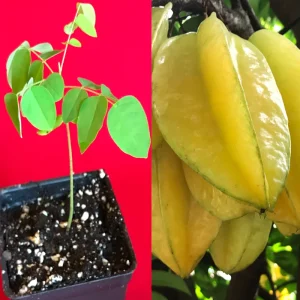
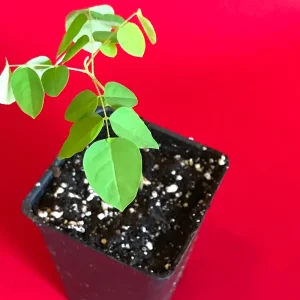
Star Fruit ‘Bell’ Seedling Live Plant – 4-10” Tall Averrhoa Carambola Tree
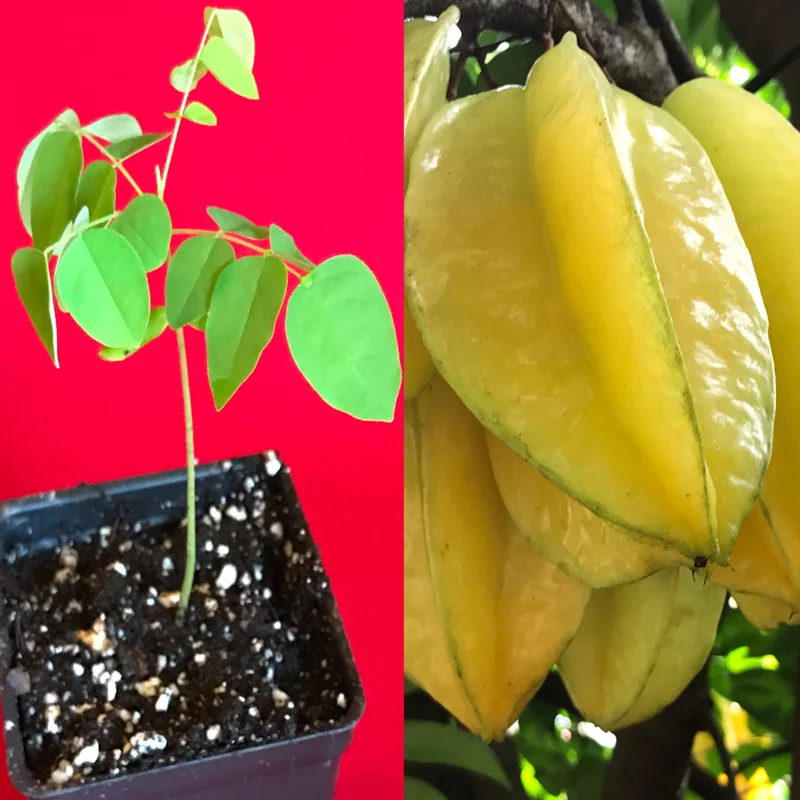
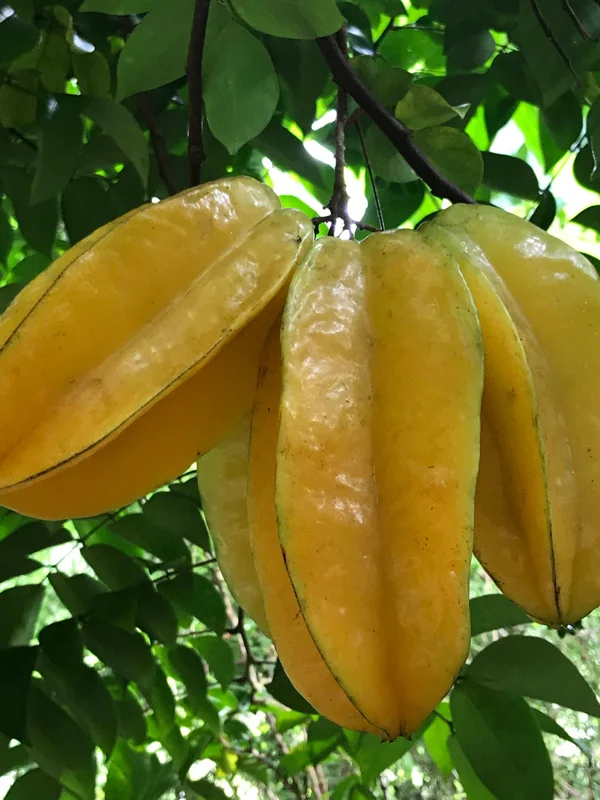
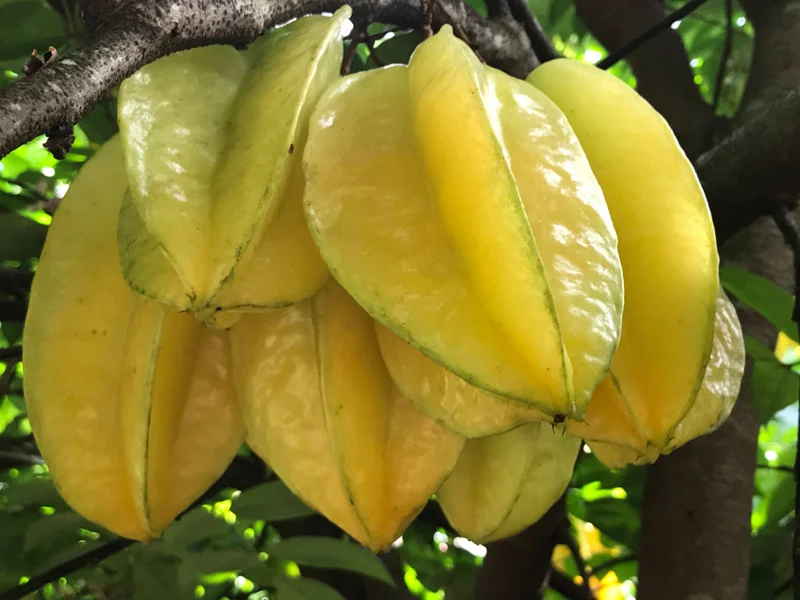
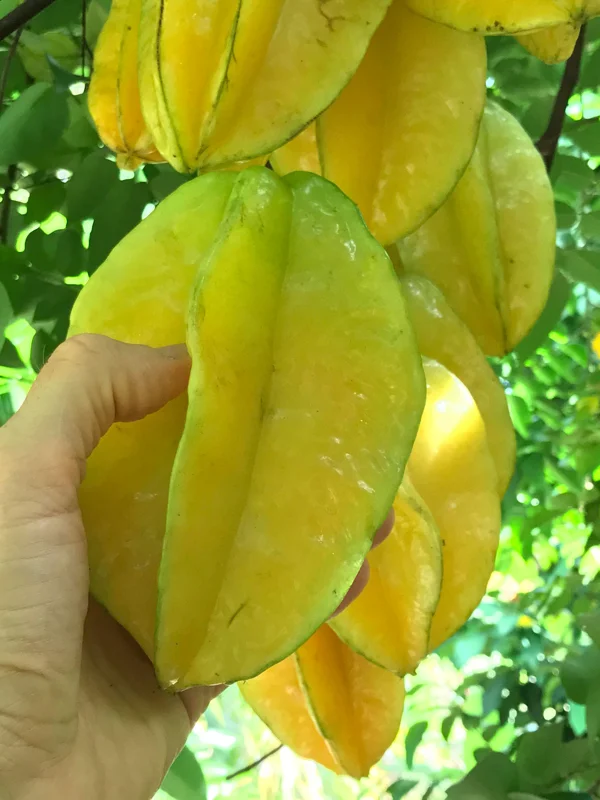
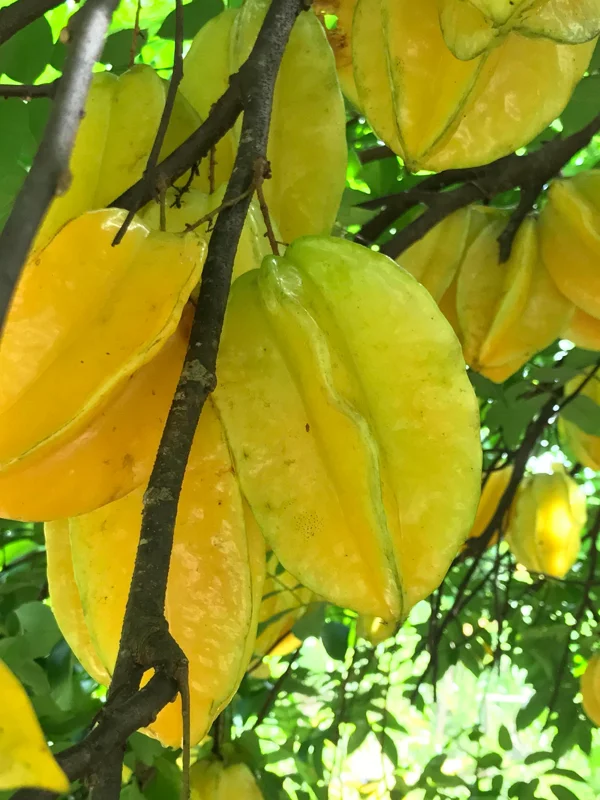
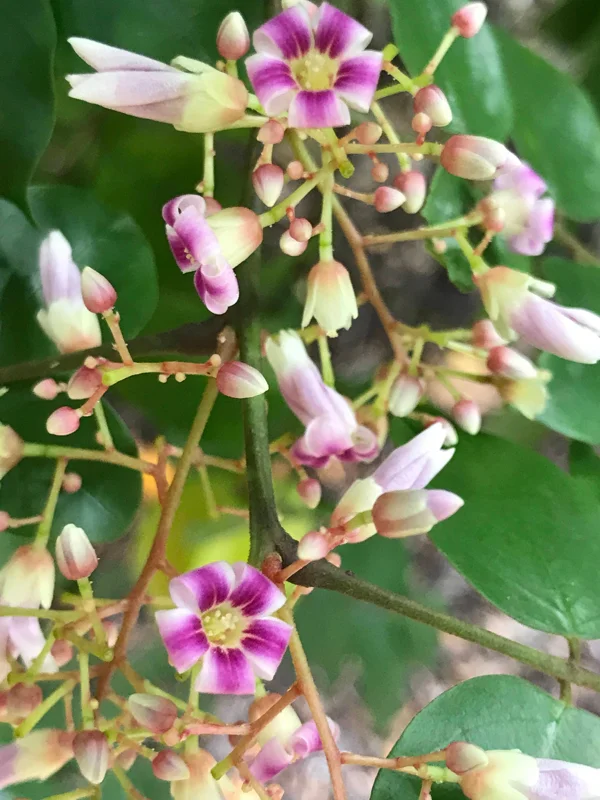
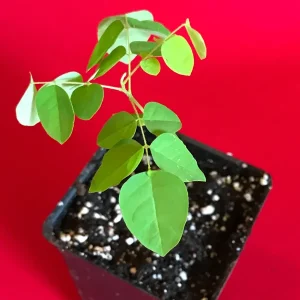
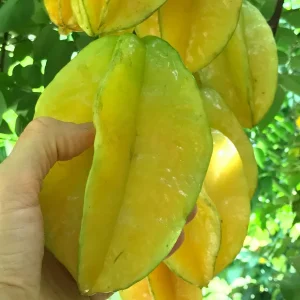
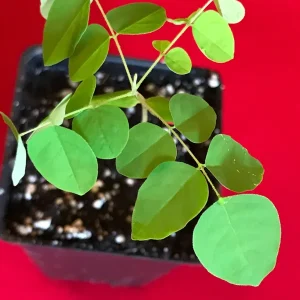
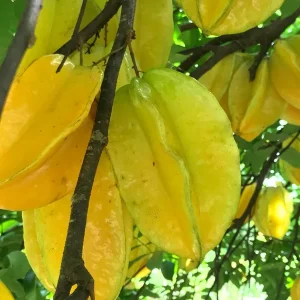
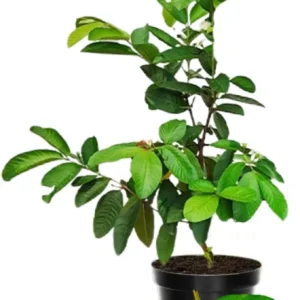
Cultivate your own tropical delight with a star fruit live plant, specifically the ‘Bell’ variety. This 4-10 inch tall seedling of averrhoa carambola tree is known for its delicious, sweet, yellow-orange star-shaped fruits. An evergreen, fast-growing specimen perfect for warm climates in USDA Zones 9b-13, offering beautiful pink/white blooms and fruit within 2-4 years. Ideal for home gardens and container growing.
Original price was: $45.86.$22.93Current price is: $22.93.

With our Alive & Thrive Guarantee, we’ve got your back for the first 30 days! If you have any concerns about your plants, just reach out to us. Our team is here to help answer your questions and guide you in selecting the best plants for your garden, climate, and unique preferences. We're excited to help you create the garden of your dreams!
Estimated arrival
Apr 13
Apr 18 - Apr 20
Apr 23 - Apr 27
Product Details
-
USDA Hardiness Zone
USDA Zone 9b to 13 -
Soil type
Well-draining soil, rich in organic matter -
Sunlight Exposure
Full Sun/Partial shade -
Expected Planting Period
Year-round in warm climates, spring to summer in cooler zones (container growing)
Overview
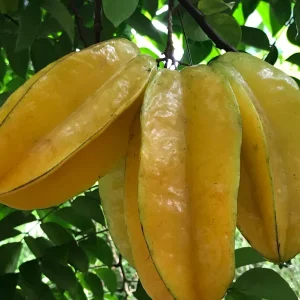
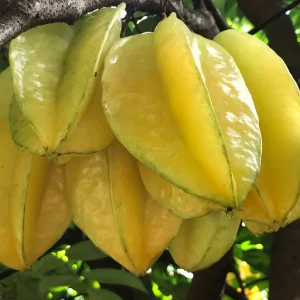
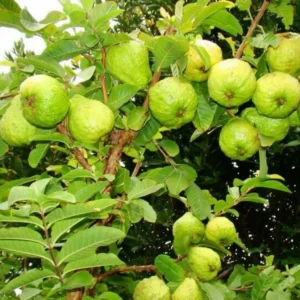
Embark on an exciting gardening journey with your very own star fruit live plant, the highly sought-after ‘Bell’ variety. This young Averrhoa Carambola seedling, typically 4-10 inches tall and grown organically in Florida, promises the joy of cultivating exotic, delicious fruit right in your backyard or greenhouse. Known for its distinctive star shape when sliced, the carambola fruit boasts a delightful sweet taste and a vibrant yellow-orange hue when fully ripe. This particular ‘Bell’ selection is celebrated for its pleasant flavor and abundant production, making it a fantastic choice for both novice and experienced gardeners eager to grow star fruit. Also known as Carambola or ‘five-finger’ fruit, this tropical tree can thrive in warm subtropical areas, bringing a touch of the exotic to your home. While trees grown from seeds may exhibit slight variations from the parent plant, this ‘Bell’ seedling offers a strong foundation for a productive fruit tree.
The averrhoa carambola tree is a fascinating evergreen plant that can grow to a medium height, often ranging from 10 to 33 feet in its mature form. It’s an adaptable tree, capable of being single or multi-trunked, and grows rapidly when provided with adequate protection from strong winds. Originating from Southeast Asia, carambolas have been cherished for centuries and are now cultivated globally in tropical and warm subtropical regions. This bell starfruit seedling is a robust starter plant, ready to be nurtured into a flourishing fruit producer. With proper care, you can look forward to enjoying its unique fruit, rich in antioxidants and Vitamin C, low in sugar, and versatile for culinary uses, from fresh eating to jellies and sauces.
Key Benefits
Bringing a star fruit live plant into your garden or home offers a multitude of rewards, enhancing both your landscape and your palate. The ‘Bell’ variety is particularly prized for its superior qualities.
- Delicious & Nutritious Fruit: Enjoy sweet, juicy, yellow-orange star-shaped fruits packed with Vitamin C and antioxidants, perfect for fresh eating, salads, or garnishes. The ‘Bell’ variety is renowned for its excellent taste and high yield.
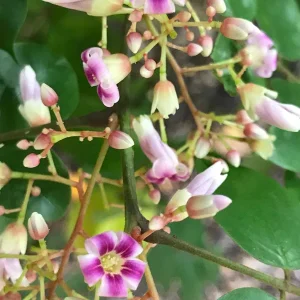
- Exotic Garden Addition: Add a unique tropical flair to your garden or patio with the distinctive foliage and charming pink/white blooms of the averrhoa carambola tree.
- Evergreen Foliage: Maintain year-round greenery with this evergreen tree, providing continuous visual appeal, though some leaf drop may occur in cooler climates during winter.
- Consistent Bloomer: Experience repeated cycles of beautiful pink and white blooms, adding ornamental value throughout much of the year.
- Relatively Fast Fruiting: Begin harvesting your own fresh carambola fruits within 2-4 years from planting this bell starfruit seedling, a relatively quick turnaround for a fruit tree.
- Versatile Culinary Uses: Utilize the ripe star fruit in a variety of dishes, from fresh fruit salads and savory garnishes to processed goods like pickles, sauces, and jellies.
- Organically Grown: This seedling has been grown organically, ensuring a healthy start for your plant and peace of mind for you.
Plant Care & Growing Tips
Caring for your star fruit live plant, the ‘Bell’ variety, requires attention to its tropical origins to ensure optimal growth and fruiting. These trees thrive in warm, humid environments. For best results, plant your seedling in a location that receives Full Sun/Partial shade. While mature trees can tolerate more sun, young seedlings benefit from some protection during the hottest parts of the day. The ideal temperature range for robust growth and fruit production is between 68°F and 95°F. Carambola trees are sensitive to cold; temperatures below 65°F can halt growth, and freezing temperatures can cause significant damage or even kill the plant. Therefore, it is best suited for USDA Zone 9b to 13. If you live in a cooler zone, consider growing it in a container that can be moved indoors during colder months, or provide adequate winter protection.
When it comes to watering, carambola trees have only limited tolerance to drought. Consistent moisture is key, especially for young plants. Ensure the soil is kept evenly moist but not waterlogged. Good drainage is crucial to prevent root rot. A well-draining soil mix, rich in organic matter, is ideal. Carambola trees can be susceptible to iron, magnesium, and manganese deficiencies, particularly in soils with a pH above 7. Symptoms include yellowing leaves (chlorosis). Regular fertilization with a balanced, slow-release fertilizer formulated for tropical fruit trees can help prevent these deficiencies. Follow package instructions for application rates. Protect young plants from strong winds, which can damage tender leaves and branches. To successfully grow star fruit, be mindful of these environmental conditions. As your averrhoa carambola tree matures, it will become more resilient, but consistent care in its early stages will set the foundation for a healthy, productive future.
Initial care for your young bell starfruit seedling arriving after shipment is vital. Place the plant in a spot with moderate temperatures (70-80°F) and good light, but avoid direct sunlight for the first two weeks as it adjusts. Full shade is recommended initially to prevent burning of the small plants. Gradually increase its exposure to sunlight and outdoor conditions if you plan to plant it in the garden. Allow a week or two for the plant to acclimate before transplanting or fertilizing. Temperatures below 60°F can damage the plant, so provide protection from cold, wind, and excessive sun exposure.
Size & Details
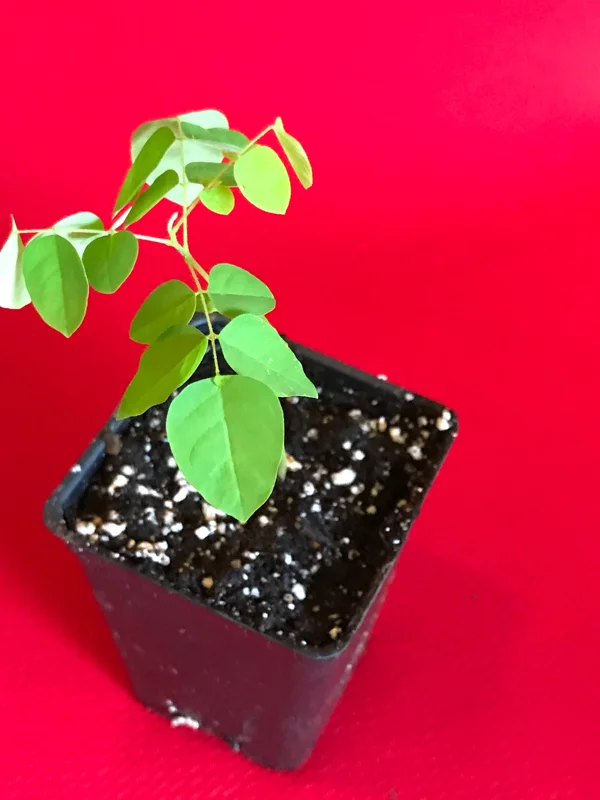
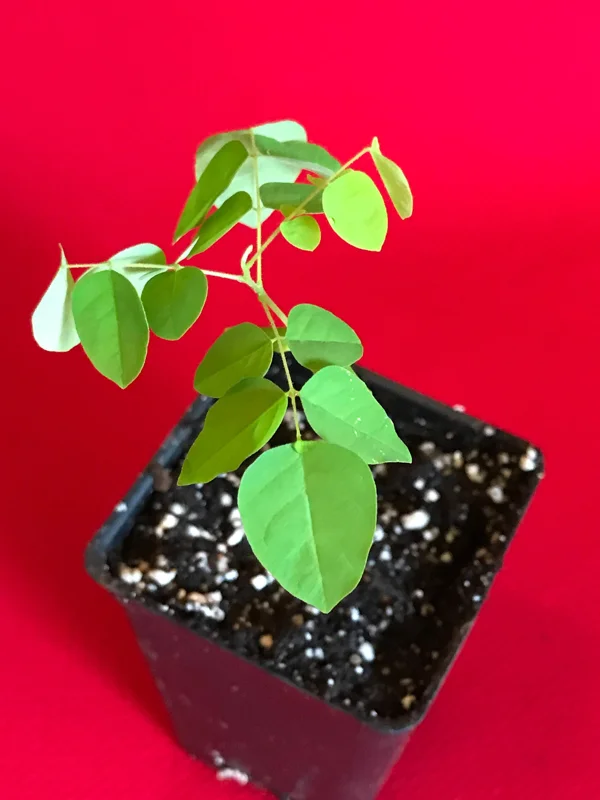
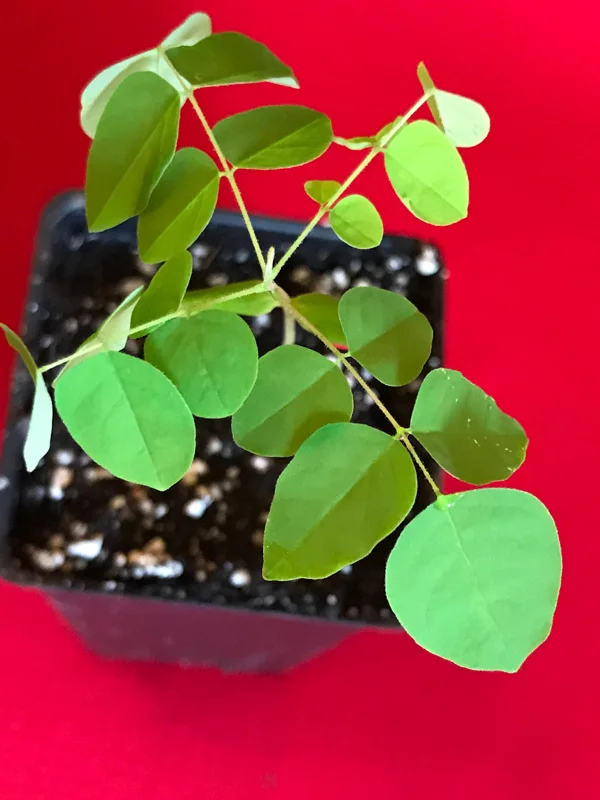
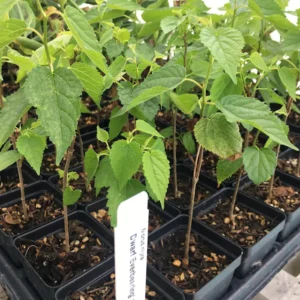
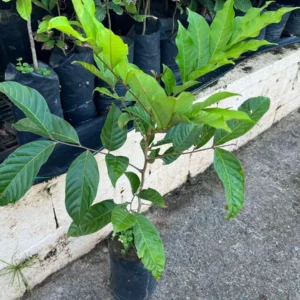
This offering is for one star fruit live plant, a ‘Bell’ variety seedling. Each plant measures approximately 4-10 inches tall, with the pot height excluded from this measurement. The seedling is rooted in a 2.5-inch square starter pot, providing a healthy foundation for continued growth. The typical fruiting height for a mature carambola tree ranges from 4 to 20 feet, though they can reach up to 33 feet in optimal conditions. This evergreen plant features attractive foliage and produces lovely pink and white blooms repeatedly throughout the year. You can expect your averrhoa carambola tree to begin fruiting within 2-4 years, depending on growing conditions and care. It is a vigorous grower when given the right environment and protection. This particular bell starfruit seedling is grown organically, ensuring a natural and healthy start for your tropical fruit tree. The fruits are dark yellow-orange when fully ripe, signifying their sweet and pleasant taste.
Frequently Asked Questions
- Q: How big does this star fruit live plant get? A: This particular offering is a seedling measuring 4-10 inches tall. Mature carambola trees can reach a fruiting height of 4-20 feet, and sometimes up to 33 feet, depending on growing conditions and pruning.
- Q: What size pot does it come in? A: The bell starfruit seedling is shipped in a 2.5-inch square starter pot, ready for transplanting into a larger container or directly into the ground once acclimated.
- Q: Is this an indoor or outdoor plant? A: The star fruit live plant is primarily an outdoor plant suitable for tropical and warm subtropical climates (USDA Zones 9b-13). In cooler zones, it can be grown in a container and brought indoors during cold weather.
- Q: How much sunlight does my averrhoa carambola tree need? A: This plant thrives in full sun to partial shade. Young seedlings, however, should be protected from direct, intense sun for the first couple of weeks after arrival to prevent scorching.
- Q: Is this plant easy to care for? A: With consistent warmth, moisture, and protection from cold and strong winds, the averrhoa carambola tree is relatively straightforward to care for. It requires well-draining soil and regular feeding to address potential nutrient deficiencies.
- Q: What condition will the seedling arrive in? A: The seedling will arrive as a live plant in its original pot. It is important to acclimate it gradually to its new environment, keeping it in moderate temperatures and indirect light for the first two weeks.
- Q: How long until it blooms and fruits? A: You can typically expect your star fruit live plant to begin blooming and producing fruit within 2-4 years after planting, given proper growing conditions and care.
- Q: Will this carambola tree survive winter in my zone? A: This tree is hardy in USDA Zones 9b to 13. If you are outside of these zones, you will need to provide winter protection or grow the plant in a container that can be moved indoors when temperatures drop below 60°F.
- Q: What is the best way to grow star fruit for beginners? A: For beginners, starting with a healthy seedling like this ‘Bell’ variety and providing consistent warmth, moisture, and protection from extreme weather are key. Gradually introduce it to sunlight and ensure good drainage for the soil.
- Q: Can I use the fruit for cooking? A: Absolutely! Carambolas are primarily consumed fresh, but they are also excellent in fruit salads, as garnishes, or processed into pickles, sauces, wines, and jellies.
Related products
-10%
Original price was: $158.00.$142.20Current price is: $142.20.
-20%
Original price was: $50.00.$40.00Current price is: $40.00.
-10%
Original price was: $89.99.$80.99Current price is: $80.99.
-10%
Original price was: $28.99.$26.09Current price is: $26.09.
-20%
Original price was: $36.00.$28.80Current price is: $28.80.
-20%
Original price was: $32.00.$25.60Current price is: $25.60.
-20%
Original price was: $34.00.$27.20Current price is: $27.20.
PLANTING & CARE

Growing Glencoe Raspberry: A Complete Guide for Gardeners
If you’re looking to add something unique to your garden, look no further than the
31
Mar
Mar

The Comprehensive Guide to Growing Bay Leaf Plants for a Flavorful Garden
Imagine stepping into your garden, greeted by the earthy aroma of fresh bay leaves, their
09
Feb
Feb

How to Make Comfrey Tea: The Ultimate Organic Plant Food
Growing an organic garden can be surprisingly expensive, especially when most store-bought fertilizers come in
02
Feb
Feb

True Comfrey: 7 Essential Tips Before You Plant This Herb
A staple in permaculture practices across the US, True Comfrey easily earns its reputation as
27
Jan
Jan

7 Heart-Shaped Plants for a Lasting Valentine’s Gift
If you’ve ever bought a bouquet of roses for Valentine’s Day, you know they are
26
Jan
Jan

Best Types of Ivy Plant for Houses: How to Choose the Perfect Ones for Your Home
Are you a garden lover looking to introduce some greenery into your home? Maybe you’ve
14
Nov
Nov

When to Harvest Garlic (Especially Fall-Planted Garlic)
TIMING IS EVERYTHING, they say – and for garlic, that truth hits with surprising accuracy.
13
Nov
Nov

11 of the Best Sweet Potato Varieties to Grow for Your Garden
If you’ve ever tried growing sweet potatoes, you know that picking the right variety can
12
Nov
Nov