Stephania Cephalantha Caudex Live Plant 2-2.5 Inch – Rare Indoor Succulent
-50%
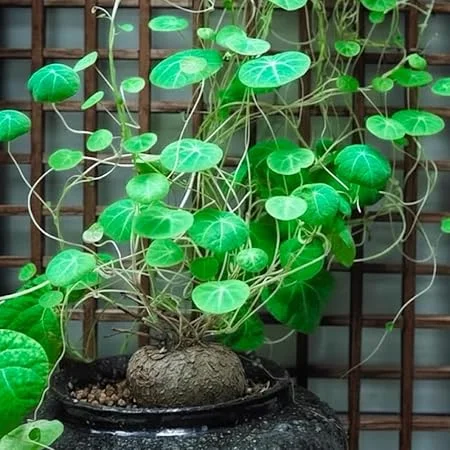
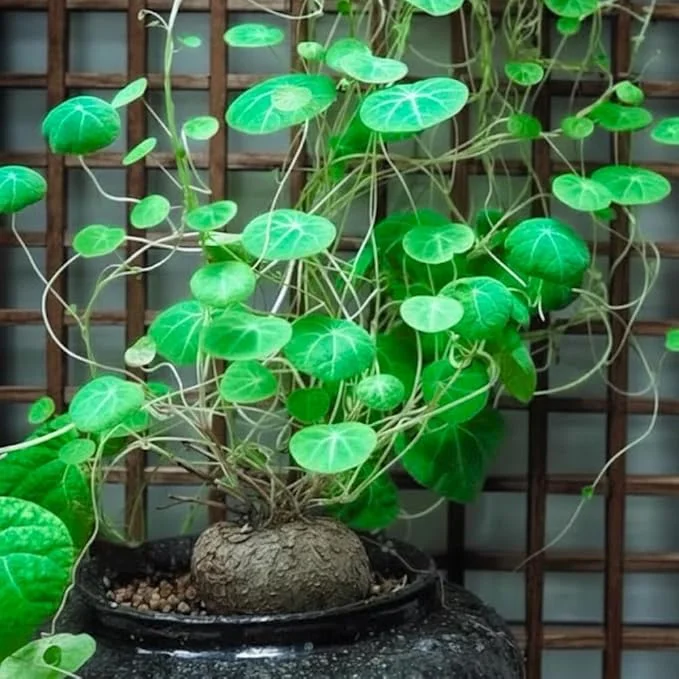
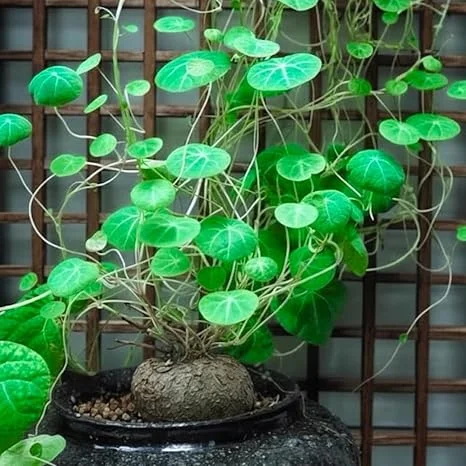
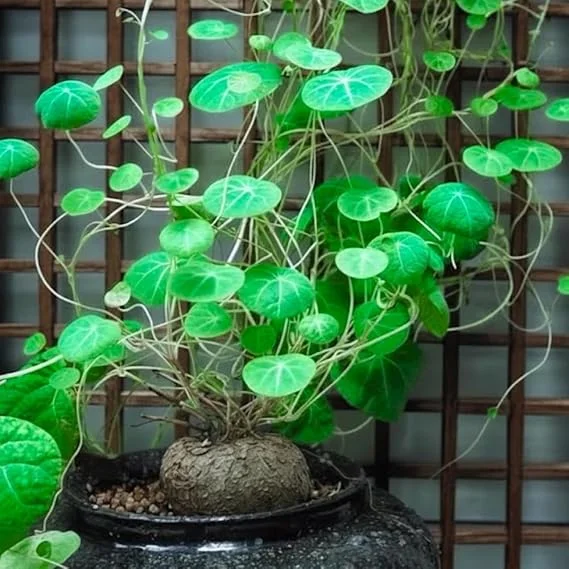
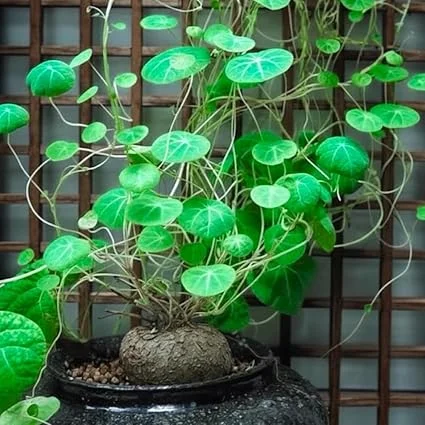
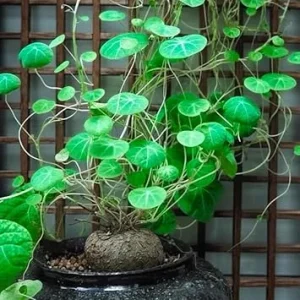
Stephania Cephalantha Caudex Live Plant 2-2.5 Inch – Rare Indoor Succulent
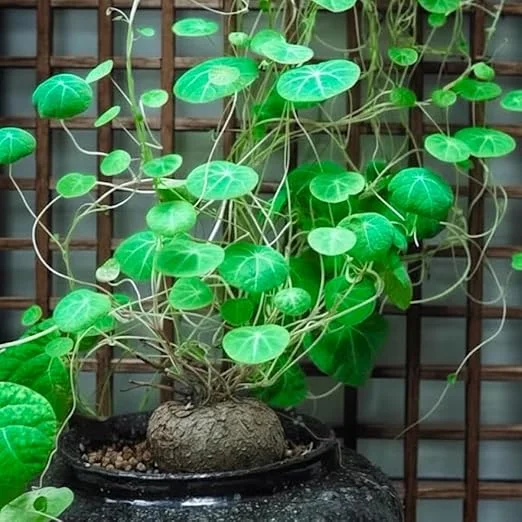
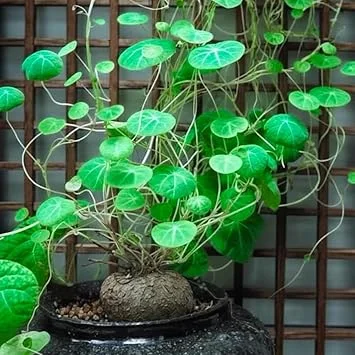
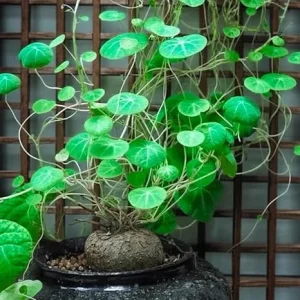
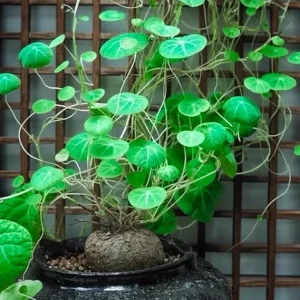
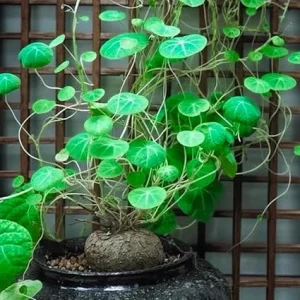
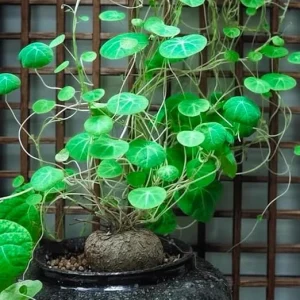
Bring home a unique botanical treasure with the Stephania Cephalantha live plant. This rare succulent features a distinctive 2-2.5 inch caudex that adds sculptural elegance to any indoor setting. Easy to care for and compact, it’s perfect for desks, shelves, or windowsills.
Original price was: $84.76.$42.38Current price is: $42.38.

With our Alive & Thrive Guarantee, we’ve got your back for the first 30 days! If you have any concerns about your plants, just reach out to us. Our team is here to help answer your questions and guide you in selecting the best plants for your garden, climate, and unique preferences. We're excited to help you create the garden of your dreams!
Estimated arrival
Mar 31
Apr 05 - Apr 07
Apr 10 - Apr 14
Product Details
-
USDA Hardiness Zone
USDA zones 9–11 -
Soil type
Well-drained soil -
Sunlight Exposure
Partial Shade -
Expected Planting Period
Year-round indoors
Overview
Introduce a touch of exotic beauty to your home with the Stephania Cephalantha live plant. Known for its striking, rounded caudex (a swollen stem that stores water), this rare houseplant offers a unique, sculptural aesthetic unlike any other. Originating from Southeast Asia, the Stephania Cephalantha is a captivating succulent that thrives indoors, making it an ideal choice for plant enthusiasts seeking something truly special. Each plant includes a well-established caudex, often already showing signs of sprouting, ensuring a smoother transition and quicker establishment in your environment. Its distinctive form and vibrant green foliage provide an instant focal point, elevating your interior decor with natural elegance. This perennial houseplant is not just a visual delight but also a conversation starter, perfect for those who appreciate botanical rarities.
The Stephania Cephalantha live plant is a testament to nature’s artistry, offering a blend of resilience and delicate charm. It’s a fantastic option for both experienced collectors and newcomers to the world of succulents, as its care requirements are straightforward, making it a rewarding addition to any collection. Its compact size ensures it fits beautifully in various indoor settings, from a cozy office desk to a sunlit windowsill. Embrace the allure of this unique caudex plant and transform your living space into a verdant sanctuary.
Key Benefits
The Stephania Cephalantha live plant offers a multitude of benefits that make it a highly desirable addition to any plant collection. Its unique characteristics contribute to both aesthetic appeal and ease of care:
- Exceptional Aesthetic Appeal: The most striking feature is its prominent, rounded caudex, which provides a sculptural and artistic element to your decor. This rare houseplant caudex creates a unique focal point and adds an exotic touch to any room.
- Low Maintenance: Ideal for busy individuals or novice plant parents, this succulent requires minimal attention. Its drought-tolerant nature means it can withstand periods of neglect, making it a forgiving plant to care for.
- Compact Size: With a 2-2.5 inch caudex, this plant maintains a small footprint, making it perfect for small apartments, office desks, shelves, or windowsills where space is at a premium.
- Air Purification: Like many houseplants, the Stephania Cephalantha contributes to a healthier indoor environment by helping to filter airborne toxins and improve air quality.
- Unique Foliage: Beyond its caudex, the plant produces attractive green leaves that emerge from the caudex, adding to its overall charm and visual interest.
- Perennial and Cold Hardy: While primarily an indoor plant in many regions, it is a perennial that can tolerate a range of conditions, performing well in USDA Hardiness Zones 9–11. This makes it a robust choice for long-term enjoyment.
- Conversation Starter: Its unusual appearance makes it a fascinating specimen that is sure to attract attention and spark conversations among guests and fellow plant enthusiasts.
Plant Care & Growing Tips
Caring for your Stephania Cephalantha live plant is relatively straightforward, allowing you to enjoy its unique beauty with minimal fuss. This rare houseplant caudex thrives on consistency and proper environmental conditions. For sunlight, the Stephania Cephalantha prefers bright, indirect light. Avoid direct, intense afternoon sun, which can scorch its leaves and caudex. An east-facing window or a few feet away from a south or west-facing window with sheer curtains would be ideal. If growing outdoors in suitable climates (USDA Zones 9-11), place it in a spot with partial shade to protect it from harsh sun.
Watering is crucial for this succulent. It’s best to allow the soil to dry out completely between waterings to prevent rot, especially for the caudex. When you do water, do so thoroughly until water drains from the bottom of the pot. Reduce watering significantly during its dormant period, which typically occurs in winter. Well-drained soil is paramount; a cactus or succulent potting mix blended with perlite or pumice will provide the necessary drainage. Good airflow is also beneficial to prevent fungal issues. Maintain moderate room temperatures, ideally between 65-80°F (18-27°C). While it’s a perennial houseplant, protect it from temperatures below 50°F (10°C). Fertilize sparingly during the growing season (spring and summer) with a diluted, balanced liquid fertilizer. Watch out for common pests like spider mites or mealybugs, and treat any infestations promptly with insecticidal soap.
Size & Details
This offering includes one Stephania Cephalantha live plant, specifically featuring a caudex that measures approximately 2 to 2.5 inches in diameter. The plant is typically shipped with the caudex already showing signs of sprouting, meaning new growth is emerging or has recently emerged, facilitating its quick establishment upon arrival. While the exact height of the foliage will vary depending on growth stage, the compact nature of this plant makes it suitable for small indoor spaces. It’s an ideal choice for display on windowsills, office desks, or within a curated plant collection. The plant is shipped as a rooted caudex, ready to be potted in your preferred well-ddraining medium. Expect a moderate growth rate, with new vines and leaves emerging from the caudex during its active growing season. This rare houseplant caudex generally maintains a manageable size, making it a long-lasting and appealing addition to your home.
Frequently Asked Questions
- Q: How big does the 2-2.5 inch Stephania Cephalantha caudex live plant get? A: While the caudex itself is 2-2.5 inches, the vines can grow several feet long. You can train them to climb or prune them to maintain a more compact shape, making it a versatile indoor caudex plant.
- Q: Is this an indoor or outdoor plant? A: The Stephania Cephalantha live plant is primarily grown as an indoor houseplant in most regions. It can be grown outdoors in USDA Hardiness Zones 9–11, but requires protection from frost and intense direct sunlight.
- Q: How much sunlight does the Stephania Cephalantha need? A: It thrives in bright, indirect light. Avoid direct afternoon sun, which can burn its leaves and caudex. A spot near an east-facing window or a filtered south/west window is ideal for this rare houseplant caudex.
- Q: Is this plant easy to care for? Is it good for beginners? A: Yes, the Stephania Cephalantha is considered relatively easy to care for, especially for those familiar with succulents. Its low water requirements and tolerance for some neglect make it a good choice for beginners looking for a unique plant.
- Q: What condition will the Stephania Cephalantha live plant arrive in? A: Your Stephania Cephalantha caudex will arrive as a healthy, rooted caudex, often with new sprouts already emerging, ready for planting in your own pot and soil. We ensure careful packaging for safe transit.
- Q: When is the best time to plant or repot a Stephania Cephalantha? A: The best time to plant or repot your Stephania Cephalantha live plant is during its active growing season, typically spring or early summer, when it is actively producing new foliage.
- Q: What kind of soil is best for Stephania succulent care? A: For optimal Stephania succulent care, use a well-draining potting mix. A blend specifically formulated for cacti and succulents, often containing perlite or pumice, is highly recommended to prevent waterlogging.
- Q: Is the Stephania Cephalantha a perennial houseplant? A: Yes, the Stephania Cephalantha is a perennial houseplant, meaning it lives for more than two years. With proper care, it can be a long-term addition to your indoor plant collection.
- Q: How often should I water my indoor caudex plant? A: Water your indoor caudex plant thoroughly when the soil has completely dried out. During dormancy (usually winter), reduce watering significantly. It’s better to underwater than to overwater.
- Q: Is the Stephania Cephalantha pet-safe? A: Information on the toxicity of Stephania Cephalantha is varied. It’s generally best to keep all houseplants out of reach of pets and children to be safe, especially if they are prone to chewing on plants.
Related products
-30%
Original price was: $85.98.$60.18Current price is: $60.18.
-30%
Original price was: $79.98.$55.98Current price is: $55.98.
-30%
Original price was: $49.98.$34.98Current price is: $34.98.
-30%
Original price was: $79.98.$55.98Current price is: $55.98.
-30%
Original price was: $79.98.$55.98Current price is: $55.98.
-39%
Original price was: $39.98.$24.50Current price is: $24.50.
PLANTING & CARE

The Comprehensive Guide to Growing Bay Leaf Plants for a Flavorful Garden
Imagine stepping into your garden, greeted by the earthy aroma of fresh bay leaves, their
09
Feb
Feb

How to Make Comfrey Tea: The Ultimate Organic Plant Food
Growing an organic garden can be surprisingly expensive, especially when most store-bought fertilizers come in
02
Feb
Feb

True Comfrey: 7 Essential Tips Before You Plant This Herb
A staple in permaculture practices across the US, True Comfrey easily earns its reputation as
27
Jan
Jan

7 Heart-Shaped Plants for a Lasting Valentine’s Gift
If you’ve ever bought a bouquet of roses for Valentine’s Day, you know they are
26
Jan
Jan

Best Types of Ivy Plant for Houses: How to Choose the Perfect Ones for Your Home
Are you a garden lover looking to introduce some greenery into your home? Maybe you’ve
14
Nov
Nov

When to Harvest Garlic (Especially Fall-Planted Garlic)
TIMING IS EVERYTHING, they say – and for garlic, that truth hits with surprising accuracy.
13
Nov
Nov

11 of the Best Sweet Potato Varieties to Grow for Your Garden
If you’ve ever tried growing sweet potatoes, you know that picking the right variety can
12
Nov
Nov
Pruning Bougainvillea for Winter
Bougainvillea vines are known for their dazzling display of magenta, orange, and fuchsia bracts that
05
Nov
Nov