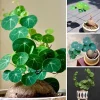
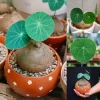
Stephania Cephalantha Plant Bulb – Rare Succulent, 2-2.5″ Caudex, Indoor
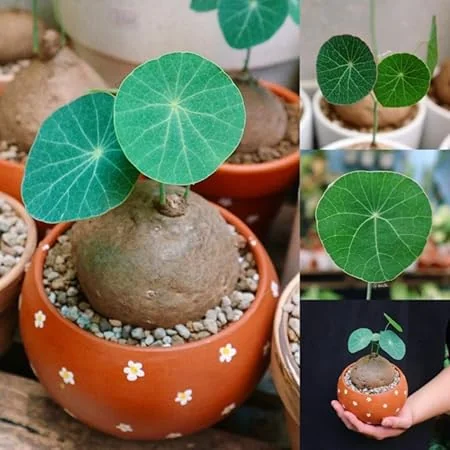
Stephania Cephalantha Plant Bulb – Rare Succulent, 2-2.5″ Caudex, Indoor
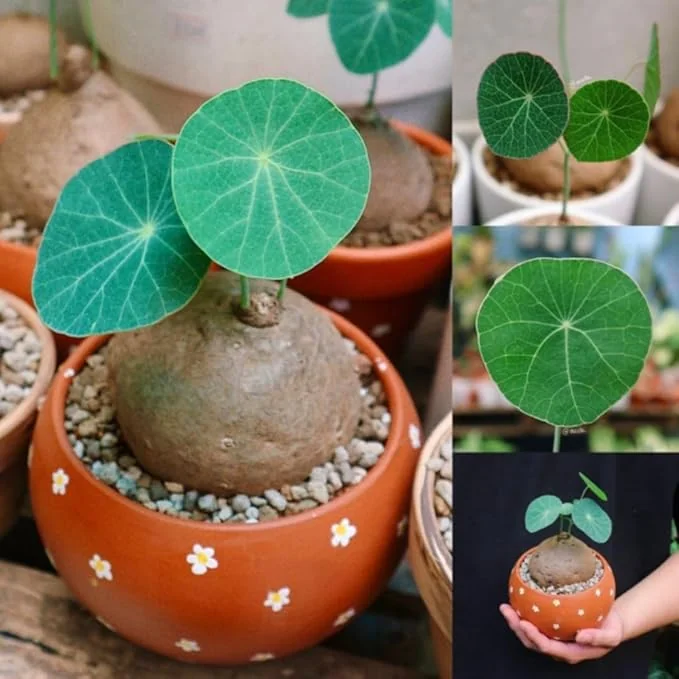
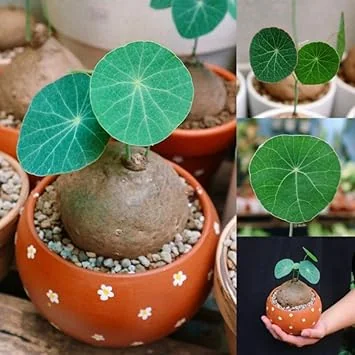
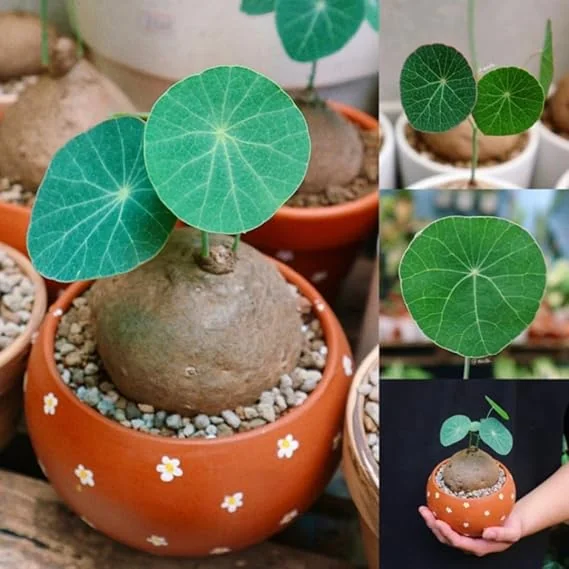
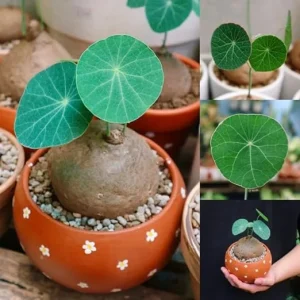
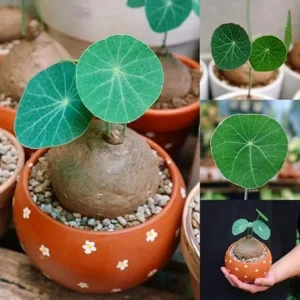
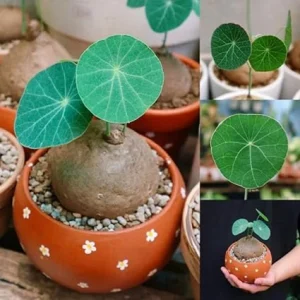
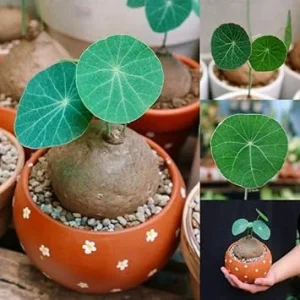
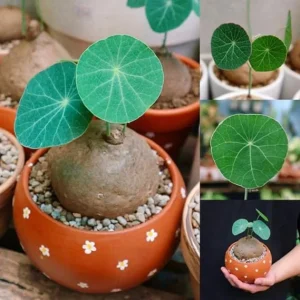
Stephania Cephalantha bulb. This rare succulent plant features a unique caudex (4 to 5 Cm) and is perfect for indoor display. Each bulb is already sprouted, making it easy to grow and enjoy as a distinctive houseplant.
$18.99

With our Alive & Thrive Guarantee, we’ve got your back for the first 30 days! If you have any concerns about your plants, just reach out to us. Our team is here to help answer your questions and guide you in selecting the best plants for your garden, climate, and unique preferences. We're excited to help you create the garden of your dreams!
Estimated arrival
Mar 31
Apr 05 - Apr 07
Apr 10 - Apr 14
Product Details
-
USDA Hardiness Zone
USDA Zones 9–11 (can be grown indoors in cooler climates) -
Soil type
Well-draining succulent or cactus mix -
Sunlight Exposure
Partial Sun to Bright Indirect Light -
Expected Planting Period
Year-round indoors
Introduce a touch of exotic elegance to your indoor plant collection with the remarkable Stephania Cephalantha bulb. This fascinating plant, often sought after by succulent enthusiasts, is known for its distinctive, exposed caudex – a swollen, potato-like stem that stores water and nutrients. Our Stephania Cephalantha bulb arrives with visible sprouts, ready to begin its journey into becoming a captivating houseplant. Originating from Southeast Asia, this rare succulent offers unique visual appeal, making it a perfect focal point for any home or office decor. Its unusual growth habit and relatively low maintenance requirements make it an excellent choice for both seasoned collectors and those new to the world of caudex plants. Embrace the beauty of nature’s artistry with this unique botanical specimen.
The Stephania Cephalantha bulb provides an opportunity to cultivate a truly special plant. Its unique form and rich green foliage, once grown, create a striking contrast against its woody caudex. This plant is a conversation starter, adding an element of intrigue and natural beauty to any indoor setting. Cultivating a rare succulent plant like the Stephania Cephalantha is a rewarding experience, allowing you to observe its growth and development from a sprouted bulb into a mature specimen. The plant’s adaptability to indoor environments further enhances its appeal, ensuring it thrives with proper care and attention.
Key Benefits
The Stephania Cephalantha bulb offers numerous advantages, making it an excellent addition to your plant family:
- Unique Aesthetic Appeal: The most striking feature of the Stephania Cephalantha bulb is its exposed caudex, which gives it a sculptural, ancient look. This makes it a fascinating decorative piece, adding an artistic touch to any space. Its distinct form ensures it stands out among other houseplants.
- Easy to Grow from Sprouted Bulb: Each bulb comes already sprouted, simplifying the initial growing process. This means you can quickly get your plant established and observe its growth, which is particularly satisfying for new plant parents.
- Low Maintenance Succulent: As a rare succulent plant, the Stephania Cephalantha is naturally adapted to dry conditions, requiring infrequent watering once established. This makes it ideal for busy individuals or those who prefer plants that don’t demand constant attention.
- Versatile Home Decor: Perfect for shelves, desks, windowsills, or living room tables, this plant adds a touch of exotic greenery and sophistication. Its compact size and unique form allow it to fit seamlessly into various decor styles.
- Cold Hardy in Specific Zones: While primarily an indoor plant in many regions, it exhibits cold hardiness in USDA Zones 9–11, allowing for outdoor placement in appropriate climates. This flexibility expands its potential display options.
- Conversation Starter: The unusual appearance of this caudex plant indoor specimen is sure to attract attention and spark curiosity, making it a great conversation piece for guests.
- Rewarding Cultivation Experience: Watching the delicate vines and leaves emerge from the robust caudex is a truly rewarding experience, connecting you with nature’s unique processes.
Plant Care & Growing Tips
Caring for your Stephania Cephalantha bulb involves understanding its specific needs to ensure healthy growth and development. This rare succulent plant thrives in conditions that mimic its natural habitat. For sunlight, the Stephania Cephalantha prefers partial sun to bright indirect light. Avoid direct, harsh afternoon sun, especially in warmer climates, as this can scorch the delicate leaves. An east-facing window or a spot a few feet away from a south or west-facing window is often ideal. Adequate airflow is also beneficial, so ensure it’s not placed in an overly stagnant environment.
When it comes to watering, the key is moderation and allowing the soil to dry out completely between waterings. Overwatering is the most common cause of problems for this Stephania Cephalantha bulb. During its active growing season (typically spring and summer), water thoroughly until water drains from the bottom of the pot, then wait until the soil is dry to the touch before watering again. In its dormant phase (often autumn and winter, when leaves may drop), significantly reduce watering or stop altogether until new growth appears. The ideal soil for a Stephania Cephalantha bulb is a well-draining succulent or cactus mix, possibly amended with perlite or pumice to enhance drainage. A slightly acidic to neutral pH is generally preferred. The plant is cold hardy in USDA zones 9–11 and can be grown outdoors in these warmer climates; however, in cooler regions, it must be brought indoors when temperatures drop below 50°F (10°C). Indoor temperatures between 65-80°F (18-27°C) are ideal. Fertilize sparingly during the growing season with a balanced, diluted liquid fertilizer. Be mindful of common pests like spider mites or mealybugs; inspect your plant regularly and treat promptly if any are found. Following these Stephania Cephalantha growing tips will help your plant flourish.
Size & Details
This offering includes one Stephania Cephalantha bulb, featuring a caudex typically ranging from 2 to 2.5 inches (approximately 4 to 5 cm) in diameter. Each bulb is already sprouted, indicating that it is ready to begin its active growth phase upon arrival. While the initial size refers to the caudex, the plant’s vines can grow several feet long if given proper support and conditions, creating an elegant cascading or climbing display. The plant is shipped as a bulb with visible sprouts, without soil or a pot, allowing you to choose your preferred growing medium and container. With optimal care, the caudex can slowly enlarge over many years, becoming an even more impressive specimen. Expect to see significant vine and leaf development within a few weeks of planting, provided it receives appropriate light and water.
Frequently Asked Questions
- Q: How big does this caudex plant indoor get? A: The caudex itself typically ranges from 2 to 2.5 inches (4-5 cm) in diameter when purchased. The vines can grow several feet long, creating an impressive display, but the main body (caudex) grows very slowly over many years.
- Q: Is this an indoor or outdoor plant? A: This Stephania Cephalantha bulb is primarily an indoor plant in most climates. It can be grown outdoors in USDA Zones 9–11 but must be protected from cold temperatures below 50°F (10°C) if you live in a cooler region.
- Q: How much sunlight does it need? A: The Stephania Cephalantha thrives in bright indirect light or partial sun. Avoid direct, intense afternoon sun, which can scorch its leaves. An east-facing window is often ideal.
- Q: Is this plant easy to care for? A: Yes, once established, the Stephania Cephalantha bulb is considered relatively easy to care for, especially for those familiar with succulents. The most important aspect is careful watering to prevent rot, allowing the soil to dry out completely between waterings.
- Q: What condition will it arrive in? A: Your Stephania Cephalantha will arrive as a sprouted bulb, meaning it will have visible signs of growth and be ready for planting. It is shipped without soil or a pot to ensure safe transit.
- Q: How long until it blooms? A: While Stephania Cephalantha can produce small, inconspicuous flowers, they are not typically grown for their blooms. The primary attraction is the unique caudex and foliage. It may take several years for a mature plant to flower, if at all, under typical indoor conditions.
- Q: What’s the minimum temperature this rare succulent plant can tolerate? A: This plant prefers temperatures above 50°F (10°C). It is not tolerant of frost and should be brought indoors or protected when temperatures drop below this threshold.
- Q: What kind of soil is best for Stephania Cephalantha growing tips? A: A well-draining succulent or cactus potting mix is essential. You can enhance drainage further by adding perlite or pumice to the mix. Good drainage is crucial to prevent caudex rot.
- Q: Is the Stephania Cephalantha bulb toxic to pets? A: It’s generally advised to keep all plants out of reach of pets. While not explicitly listed as highly toxic, it’s safer to assume some level of toxicity with unknown plants and prevent ingestion.
- Q: When is the best time to plant this bulb? A: Since it arrives sprouted, you can plant it immediately upon arrival, regardless of the season, if growing indoors. Its active growth phase typically occurs during warmer months.
Related products
-50%
Original price was: $71.96.$35.98Current price is: $35.98.
-35%
Original price was: $19.90.$12.94Current price is: $12.94.
-20%
Original price was: $28.98.$23.18Current price is: $23.18.
-50%
Original price was: $75.96.$37.98Current price is: $37.98.
-20%
From Original price was: $22.00.$17.60Current price is: $17.60.
-50%
Original price was: $79.96.$39.98Current price is: $39.98.
-43%
Original price was: $69.99.$39.99Current price is: $39.99.
PLANTING & CARE

The Comprehensive Guide to Growing Bay Leaf Plants for a Flavorful Garden
Imagine stepping into your garden, greeted by the earthy aroma of fresh bay leaves, their
09
Feb
Feb

How to Make Comfrey Tea: The Ultimate Organic Plant Food
Growing an organic garden can be surprisingly expensive, especially when most store-bought fertilizers come in
02
Feb
Feb

True Comfrey: 7 Essential Tips Before You Plant This Herb
A staple in permaculture practices across the US, True Comfrey easily earns its reputation as
27
Jan
Jan

7 Heart-Shaped Plants for a Lasting Valentine’s Gift
If you’ve ever bought a bouquet of roses for Valentine’s Day, you know they are
26
Jan
Jan

Best Types of Ivy Plant for Houses: How to Choose the Perfect Ones for Your Home
Are you a garden lover looking to introduce some greenery into your home? Maybe you’ve
14
Nov
Nov

When to Harvest Garlic (Especially Fall-Planted Garlic)
TIMING IS EVERYTHING, they say – and for garlic, that truth hits with surprising accuracy.
13
Nov
Nov

11 of the Best Sweet Potato Varieties to Grow for Your Garden
If you’ve ever tried growing sweet potatoes, you know that picking the right variety can
12
Nov
Nov
Pruning Bougainvillea for Winter
Bougainvillea vines are known for their dazzling display of magenta, orange, and fuchsia bracts that
05
Nov
Nov