Stephania Cephalantha Plant – Medium Caudex 3-3.5 Inch, Rare Live Succulent Houseplant
-50%
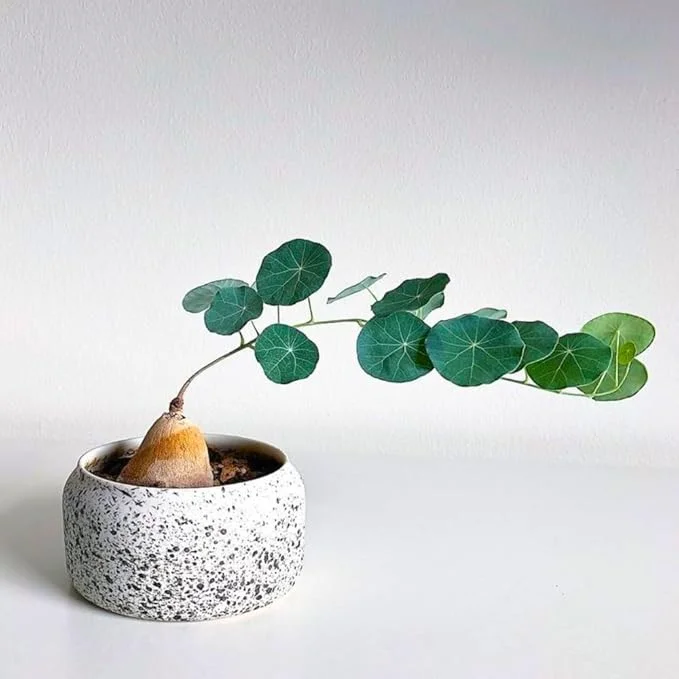
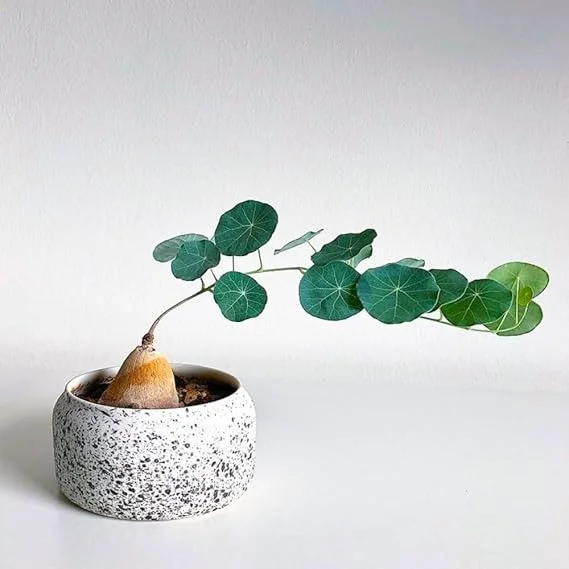
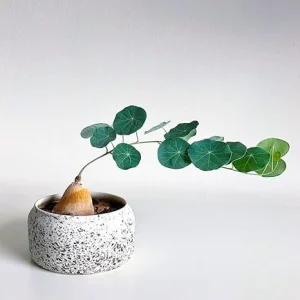
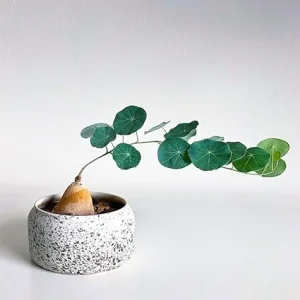
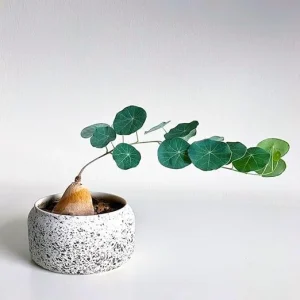
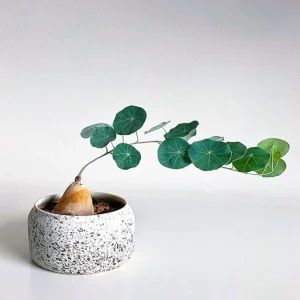
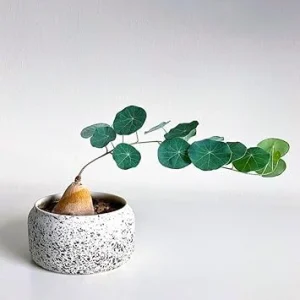
Stephania Cephalantha Plant – Medium Caudex 3-3.5 Inch, Rare Live Succulent Houseplant
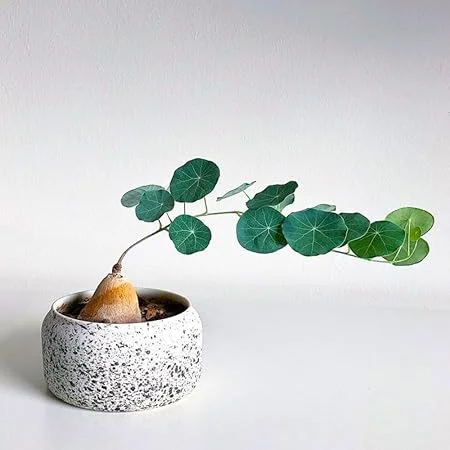
Bring home the exotic Stephania Cephalantha plant, a truly unique succulent featuring a captivating 3-3.5 inch caudex. This cold hardy houseplant is an ideal choice for collectors seeking a distinctive and low-maintenance indoor specimen.
Original price was: $53.98.$26.99Current price is: $26.99.

With our Alive & Thrive Guarantee, we’ve got your back for the first 30 days! If you have any concerns about your plants, just reach out to us. Our team is here to help answer your questions and guide you in selecting the best plants for your garden, climate, and unique preferences. We're excited to help you create the garden of your dreams!
Estimated arrival
Apr 09
Apr 14 - Apr 16
Apr 19 - Apr 23
Product Details
-
USDA Hardiness Zone
9-11 (indoors primarily) -
Soil type
Well-draining succulent or cactus mix -
Sunlight Exposure
Full Sun -
Expected Planting Period
Year-round indoors
Overview
The Stephania Cephalantha plant is a truly mesmerizing botanical specimen, celebrated for its distinctive, bulbous caudex that acts as a natural water reservoir. This rare succulent, often referred to as the ‘Potato Plant’ due to its appearance, offers an intriguing aesthetic for any plant enthusiast or collector. Native to Southeast Asia, this live plant is a conversation starter, showcasing delicate, shield-shaped leaves that emerge from the caudex, creating a beautiful contrast. Its unique growth habit and relatively low maintenance make it a prized addition to any indoor plant collection, providing an exotic touch that is both beautiful and fascinating to observe as it grows and develops its unique form. This particular offering features a medium-sized caudex, typically measuring 3-3.5 inches wide, ensuring a well-established and visually appealing specimen ready to thrive in its new home.
Known for its resilience, the Stephania Cephalantha plant is an excellent choice for those looking for a plant with architectural interest and a touch of the extraordinary. It’s not just a plant; it’s a living sculpture that evolves with time. The absence of hair roots on the caudex is a natural characteristic, indicating a healthy and mature plant that stores water efficiently. Whether you’re a seasoned succulent collector or new to the world of rare plants, the Stephania Cephalantha offers a rewarding and visually stunning experience, making it a perfect cold hardy houseplant for various indoor environments.
Key Benefits
The Stephania Cephalantha plant offers a multitude of benefits that make it a highly desirable addition to any plant collection. Its unique characteristics contribute to both aesthetic appeal and ease of care, making it a standout choice for various indoor settings.
- Striking Caudex Appeal: The most prominent feature of this plant is its substantial, round caudex, which provides a dramatic focal point. Each unique caudex plant develops its own individual shape and texture, making every specimen truly one-of-a-kind and a captivating visual element in your home or office.
- Low Maintenance & Drought Tolerant: As a succulent, the Stephania Cephalantha plant is inherently adapted to arid conditions, requiring infrequent watering. This makes it an ideal choice for busy individuals or those new to plant care, as it tolerates neglect better than many other houseplants.
- Rare & Collectible: This is a less common succulent, making it a valuable addition for collectors seeking unusual and hard-to-find species. Owning a rare succulent plant like the Stephania Cephalantha elevates your collection and sparks interest.
- Versatile Decor Element: Its compact size and distinctive appearance allow it to fit seamlessly into various decor styles, from modern minimalist to bohemian. It can be placed on shelves, desks, or windowsills, adding a touch of natural elegance.
- Adaptable to Indoor Environments: While it appreciates bright light, the Stephania Cephalantha can thrive in typical indoor conditions, making it a fantastic cold hardy houseplant for most climates, provided it’s protected from extreme cold.
- Fascinating Growth Habit: Observing the delicate vines and leaves emerge from the robust caudex is a truly rewarding experience. The dynamic growth cycle adds an element of living art to your space, appealing to those who appreciate the subtle beauty of nature.
- Conversation Starter: Its unusual form and striking appearance are sure to catch the eye of visitors, making it an excellent conversation piece and a unique way to express your personal style through plants.
Plant Care & Growing Tips
Caring for your Stephania Cephalantha plant is relatively straightforward, making it an enjoyable experience for both novice and experienced plant enthusiasts. This rare succulent plant thrives with proper attention to its specific needs, particularly regarding light, water, and soil. When considering Stephania Cephalantha care, remember its native environment and try to replicate those conditions indoors. Provide bright, indirect light for at least 4-6 hours daily. A south or west-facing window with sheer curtains is often ideal, protecting the plant from harsh, direct afternoon sun which can scorch its delicate leaves. While it needs ample light, too much direct sun can be detrimental. In lower light conditions, the plant may become leggy, so adjusting its placement is key to compact, healthy growth.
Watering is perhaps the most crucial aspect of Stephania Cephalantha care. As a caudex-forming succulent, it stores water in its bulbous base and is highly susceptible to rot if overwatered. Allow the soil to dry out completely between waterings, then water thoroughly until water drains from the bottom of the pot. During its dormant period, typically in winter, reduce watering significantly or stop altogether until new growth emerges in spring. The ideal soil for this unique caudex plant is a well-draining succulent or cactus mix, often amended with perlite or pumice to enhance drainage. A terracotta pot is also beneficial as it allows for better airflow and evaporation. These plants prefer warm temperatures, ideally between 65-85°F (18-29°C), and should be protected from temperatures below 50°F (10°C), reinforcing its status as a cold hardy houseplant for indoor cultivation. Fertilize sparingly during the growing season (spring and summer) with a diluted succulent fertilizer, typically once a month or every other month. Repot only when the plant has significantly outgrown its container, usually every 2-3 years, ensuring minimal disturbance to the caudex and roots.
Size & Details
This offering is for one live Stephania Cephalantha plant, featuring a robust and visually appealing caudex. The caudex typically measures approximately 3-3.5 inches wide, indicating a well-established and mature specimen. The plant will be shipped with its caudex and nascent or established vines, often without hair roots, which is a natural characteristic for this type of succulent, ready to sprout new growth in its new environment. The overall height will vary depending on the growth stage of the vines, but the focus is on the healthy and substantial caudex. This plant is shipped as a bare-root caudex or in minimal soil to ensure safe transit and reduce the risk of rot. Upon arrival, it should be potted in a well-draining succulent mix in a pot slightly larger than the caudex itself.
The Stephania Cephalantha plant is known for its moderate growth rate, with vines typically extending several feet in ideal conditions. Expect to see new leaves and vines emerge from the caudex within a few weeks of planting, especially during the spring and summer growing seasons. This plant is intended for indoor cultivation in most US climates, especially as a cold hardy houseplant, thriving best in USDA zones 9-11 if grown outdoors in a protected environment. Its compact caudex size makes it an excellent choice for windowsills, desks, or terrariums, where its unique form can be fully appreciated.
Frequently Asked Questions
- Q: How big does the caudex of this Stephania Cephalantha plant get? A: This particular offering features a medium-sized caudex that is typically 3-3.5 inches wide. With proper care, the caudex can slowly increase in size over many years, becoming even more impressive.
- Q: Is this an indoor or outdoor plant? A: The Stephania Cephalantha plant is primarily grown as an indoor plant in most climates due to its sensitivity to cold. It can be grown outdoors in USDA zones 9-11 in a protected, shaded area, but it excels as a cold hardy houseplant.
- Q: How much sunlight does it need? A: This rare succulent plant thrives in bright, indirect light. Avoid harsh, direct afternoon sun, which can scorch its leaves. A spot near an east or west-facing window is often ideal.
- Q: Is this plant easy to care for? A: Yes, the Stephania Cephalantha is considered relatively easy to care for, especially for those familiar with succulents. The most critical aspect of Stephania Cephalantha care is avoiding overwatering to prevent caudex rot.
- Q: What condition will it arrive in? A: Your unique caudex plant will arrive as a healthy, bare-root caudex or with minimal soil, carefully packaged to ensure its safety during transit. It’s normal for it to be dormant or just beginning to sprout.
- Q: How long until it starts growing leaves? A: After potting and providing suitable conditions, new leaves and vines typically begin to emerge from the caudex within a few weeks, especially during the spring and summer growing seasons. Patience is key with this beautiful plant.
- Q: What’s the minimum temperature this plant can tolerate? A: The Stephania Cephalantha is a cold hardy houseplant in terms of being able to thrive indoors, but it should be protected from temperatures below 50°F (10°C). Consistent cold can lead to dormancy or damage.
- Q: What kind of soil should I use for my Stephania Cephalantha plant? A: Use a well-draining succulent or cactus potting mix. You can also amend regular potting soil with perlite or pumice at a 1:1 ratio to ensure excellent drainage, which is crucial for the health of your unique caudex plant.
Related products
-30%
Original price was: $79.98.$55.98Current price is: $55.98.
-30%
Original price was: $79.98.$55.98Current price is: $55.98.
-30%
Original price was: $129.98.$90.98Current price is: $90.98.
-39%
Original price was: $39.98.$24.50Current price is: $24.50.
PLANTING & CARE

Growing Glencoe Raspberry: A Complete Guide for Gardeners
If you’re looking to add something unique to your garden, look no further than the
31
Mar
Mar

The Comprehensive Guide to Growing Bay Leaf Plants for a Flavorful Garden
Imagine stepping into your garden, greeted by the earthy aroma of fresh bay leaves, their
09
Feb
Feb

How to Make Comfrey Tea: The Ultimate Organic Plant Food
Growing an organic garden can be surprisingly expensive, especially when most store-bought fertilizers come in
02
Feb
Feb

True Comfrey: 7 Essential Tips Before You Plant This Herb
A staple in permaculture practices across the US, True Comfrey easily earns its reputation as
27
Jan
Jan

7 Heart-Shaped Plants for a Lasting Valentine’s Gift
If you’ve ever bought a bouquet of roses for Valentine’s Day, you know they are
26
Jan
Jan

Best Types of Ivy Plant for Houses: How to Choose the Perfect Ones for Your Home
Are you a garden lover looking to introduce some greenery into your home? Maybe you’ve
14
Nov
Nov

When to Harvest Garlic (Especially Fall-Planted Garlic)
TIMING IS EVERYTHING, they say – and for garlic, that truth hits with surprising accuracy.
13
Nov
Nov

11 of the Best Sweet Potato Varieties to Grow for Your Garden
If you’ve ever tried growing sweet potatoes, you know that picking the right variety can
12
Nov
Nov