Stevia Live Plant – 4” Pot – Natural Sweetener Herb – Indoor/Outdoor
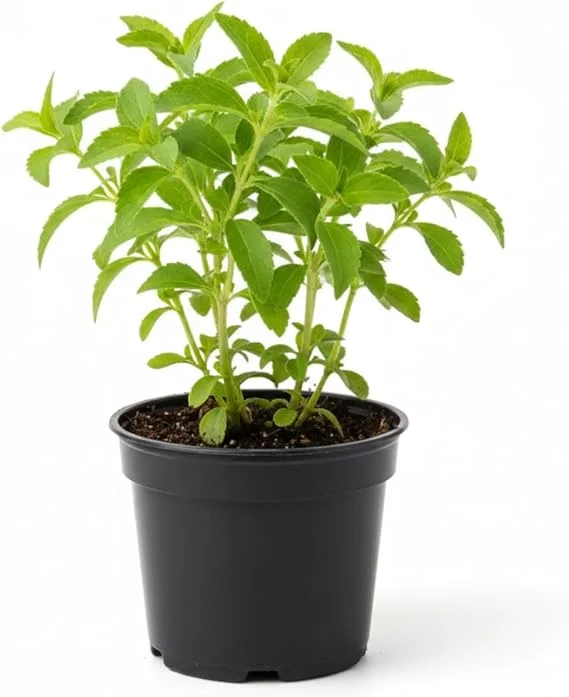
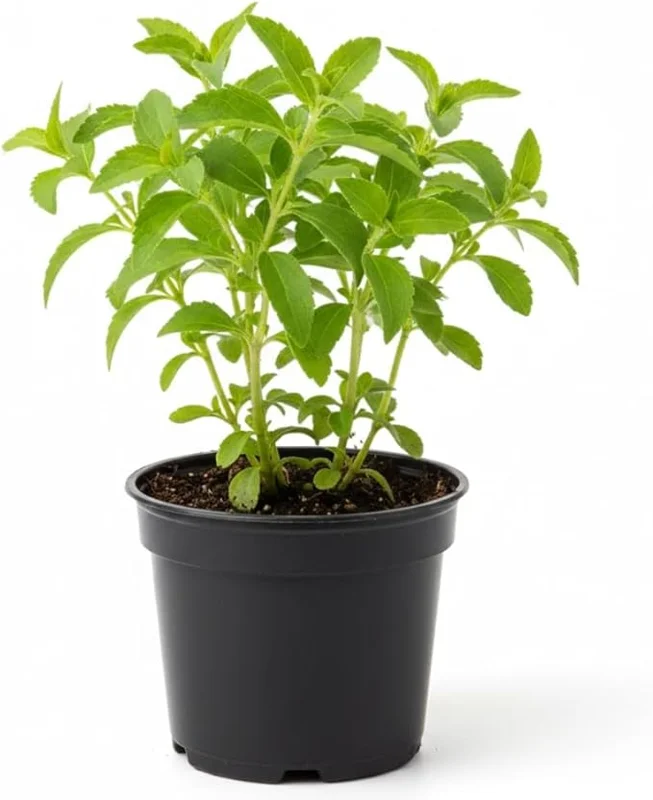
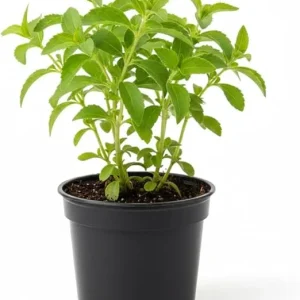
Stevia Live Plant – 4” Pot – Natural Sweetener Herb – Indoor/Outdoor
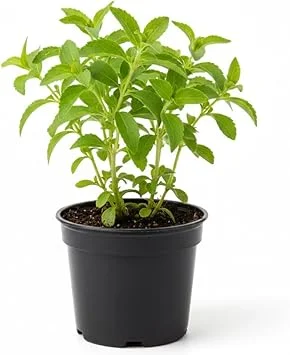
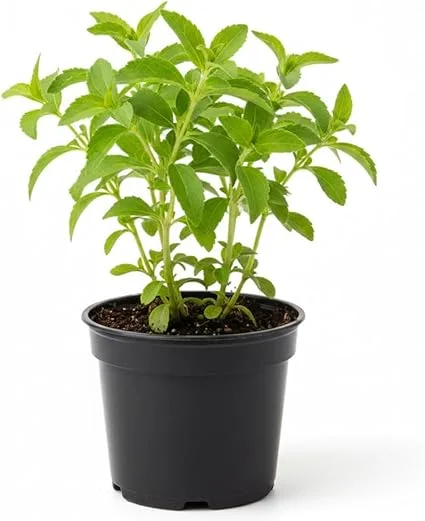
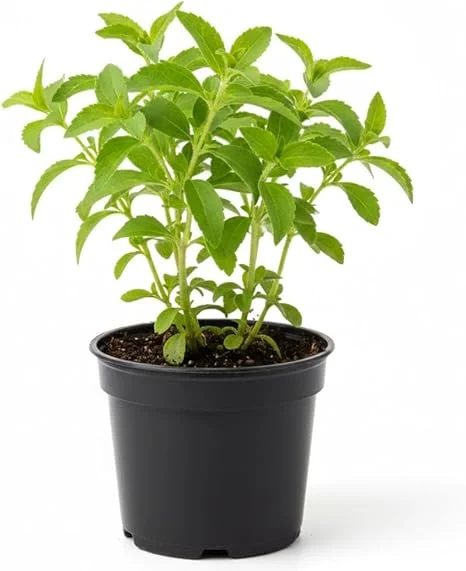
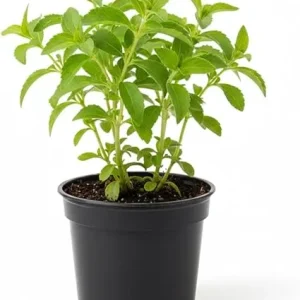
Cultivate your own organic sweetness with a stevia live plant. This 4” potted herb is perfect for adding a sugar substitute to your drinks and dishes. Enjoy fresh leaves from your stevia herb garden, suitable for both indoor and outdoor growing.
$43.98

With our Alive & Thrive Guarantee, we’ve got your back for the first 30 days! If you have any concerns about your plants, just reach out to us. Our team is here to help answer your questions and guide you in selecting the best plants for your garden, climate, and unique preferences. We're excited to help you create the garden of your dreams!
Estimated arrival
Mar 31
Apr 05 - Apr 07
Apr 10 - Apr 14
Product Details
-
USDA Hardiness Zone
9-11 -
Soil type
Well-drained soil -
Sunlight Exposure
Full Sun -
Expected Planting Period
Year-round indoors, Spring to Summer outdoors
Overview
Discover the joy of growing your own natural sweetener with this vibrant stevia live plant. Known botanically as Stevia rebaudiana, this remarkable herb offers a calorie-free, all-natural alternative to sugar, making it a favorite for health-conscious gardeners and culinary enthusiasts. Our stevia plants are cultivated to thrive, providing you with fresh, sweet leaves right from your home. This live plant arrives in a convenient 4-inch pot, ready to be transplanted into your garden or a larger container for continued growth. Whether you’re looking to enhance your culinary creations, support a healthy lifestyle, or simply enjoy the beauty of a unique herb, a stevia live plant is an excellent choice for any plant lover. It’s an easy-to-grow addition that brings both utility and charm to your space.
Stevia has been used for centuries by indigenous populations for its sweet properties and is now gaining popularity worldwide. This particular variety is cherished for its vigorous growth and abundant leaf production, ensuring a steady supply of natural sweetness. Growing your own natural sweetener plant means you have complete control over its cultivation, free from pesticides and artificial additives. It’s a sustainable and rewarding way to bring a touch of nature’s candy into your daily life.
Key Benefits
Adding a stevia live plant to your home or garden offers numerous advantages beyond simply providing a natural sweetener. This versatile herb contributes to a healthier lifestyle and enhances your gardening experience in multiple ways:
- Natural Sweetener Source: Enjoy a continuous supply of fresh, calorie-free stevia leaves, perfect for sweetening beverages, desserts, and meals without added sugars or artificial ingredients.
- Health-Conscious Choice: Stevia is a popular choice for those managing blood sugar levels or looking to reduce sugar intake, offering a guilt-free way to enjoy sweet flavors.
- Versatile Growing: This plant adapts well to both indoor and outdoor environments, making it suitable for a kitchen windowsill, a patio container, or a dedicated herb garden. Cultivate your own stevia herb garden effortlessly.
- Low Maintenance: Stevia plants are relatively easy to care for, requiring moderate watering and plenty of sunlight, making them ideal for gardeners of all experience levels.
- Aesthetic Appeal: With its lush green foliage, the stevia plant adds a touch of natural beauty and freshness to any space, whether it’s part of an ornamental display or a functional herb collection.
- Supports Well-being: Growing your own herbs, like this stevia live plant, can be a therapeutic and rewarding hobby, connecting you with nature and providing fresh, wholesome ingredients.
- Sustainable Living: Reduce your reliance on processed sugars and support sustainable living by harvesting your own natural sweetener, contributing to a more eco-friendly lifestyle.
Plant Care & Growing Tips
Caring for your stevia live plant is straightforward, ensuring a bountiful harvest of sweet leaves. Stevia thrives in conditions that mimic its native subtropical environment. For optimal growth, provide your plant with at least six hours of full sunlight daily. If growing indoors, place it near a south-facing window or supplement with a grow light to ensure it receives adequate light. While it prefers full sun, it can adapt to partial shade, especially in hotter climates where afternoon sun can be intense. Proper light exposure is crucial for developing the plant’s characteristic sweetness.
When it comes to watering, the stevia live plant prefers consistently moist, but not waterlogged, soil. Water thoroughly when the top inch of soil feels dry to the touch, and ensure good drainage to prevent root rot. Well-drained soil is essential; a good quality potting mix amended with some sand or perlite works well. Stevia plants are hardy in USDA Hardiness Zones 9 to 11, thriving in warm climates. If you live in a colder zone, you can grow stevia as an annual or bring it indoors before the first frost. Maintain moderate humidity, especially for indoor plants, by misting the leaves occasionally or placing the pot on a pebble tray with water.
Fertilize your natural sweetener plant sparingly with a balanced liquid fertilizer every 2-4 weeks during the growing season (spring and summer). Avoid over-fertilizing, as this can reduce the sweetness of the leaves. Pinch back the growing tips regularly to encourage bushier growth and prevent the plant from becoming leggy. This also promotes more leaf production, which is where the sweetness lies. Watch out for common pests like aphids or whiteflies, and treat them with organic insecticidal soap if necessary. With a little attention to these care tips, your stevia plant care routine will be simple and rewarding, leading to a healthy and productive herb.
Size & Details
This stevia live plant arrives in a sturdy 4-inch nursery pot, providing a well-established root system ready for transplanting. While the initial size is compact for easy shipping and immediate growth, stevia plants are known for their vigorous development. When mature, they typically grow to a height of about 2 to 3 feet tall, forming a bushy, herbaceous perennial. The plant’s overall spread can reach 1 to 2 feet, making it a substantial addition to your garden or a large container.
The plant is shipped as a rooted plant, ensuring it has a strong start. Stevia is a relatively fast-growing herb, and with proper care, you can expect to begin harvesting leaves within a few weeks of planting. The expected blooming period for stevia is typically from fall to spring, producing small, white, inconspicuous flowers. While the flowers are not the primary reason for growing stevia, they can add a delicate touch to the plant’s appearance. Its low-maintenance nature and adaptability contribute to its popularity among herb enthusiasts.
Frequently Asked Questions
- Q: How big does this plant get? A: This stevia live plant typically grows to a mature height of about 2 to 3 feet (24-36 inches) tall and can spread 1 to 2 feet wide. It arrives in a 4-inch pot, ready for transplanting to achieve its full growth potential.
- Q: Is this an indoor or outdoor plant? A: Stevia is a versatile plant that can be grown both indoors and outdoors. It thrives outdoors in USDA Hardiness Zones 9-11, and can be grown as an annual or brought indoors in colder climates. It’s perfect for a stevia herb garden whether inside or out.
- Q: How much sunlight does it need? A: The natural sweetener plant prefers full sun, meaning at least 6 hours of direct sunlight per day. It can tolerate partial shade, especially in hot afternoon sun, but adequate light is key for maximum sweetness.
- Q: Is this plant easy to care for? A: Yes, stevia is considered a low-maintenance herb, making stevia plant care relatively easy for gardeners of all levels. It requires consistent moisture, good drainage, and plenty of sunlight.
- Q: What condition will it arrive in? A: Your stevia live plant will arrive as a healthy, well-rooted plant in a 4-inch nursery pot. It will be carefully packaged to ensure its safe journey to your home.
- Q: Can I use stevia leaves fresh? A: Absolutely! Stevia leaves can be used fresh directly from the plant to sweeten teas, coffees, smoothies, and other foods. They can also be dried and ground into a powder.
- Q: What’s the minimum temperature this plant can tolerate? A: Stevia plants are sensitive to cold and are typically hardy in USDA Zones 9-11. They prefer temperatures above 50°F (10°C) and should be protected or brought indoors when temperatures drop below this.
- Q: What type of soil does stevia prefer? A: Stevia thrives in well-drained soil rich in organic matter. A good quality potting mix with added perlite or sand to improve drainage is ideal for container growing.
- Q: How often should I water my stevia plant? A: Water your stevia live plant when the top inch of soil feels dry to the touch. It prefers consistently moist conditions but dislikes sitting in soggy soil, so ensure good drainage.
- Q: When is the best time to plant stevia outdoors? A: The best time to plant stevia outdoors is after all danger of frost has passed in spring, when soil temperatures have warmed up. This allows the plant to establish itself and grow vigorously through the warmer months.
Related products
-58%
Original price was: $39.99.$16.99Current price is: $16.99.
-30%
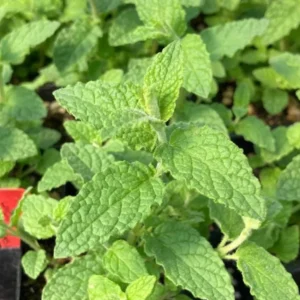
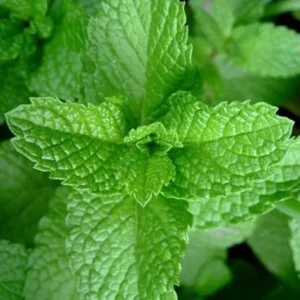
Original price was: $99.98.$69.98Current price is: $69.98.
-30%
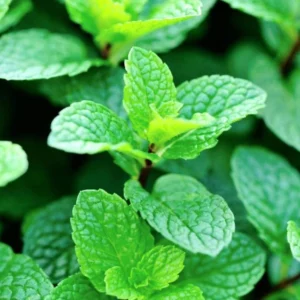
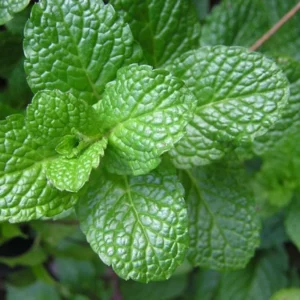
Original price was: $57.98.$40.58Current price is: $40.58.
-50%
Original price was: $53.98.$26.99Current price is: $26.99.
-50%
Original price was: $47.96.$23.98Current price is: $23.98.
-48%
Original price was: $39.99.$20.99Current price is: $20.99.
-67%
Original price was: $75.72.$25.24Current price is: $25.24.
-67%
From Original price was: $35.22.$11.74Current price is: $11.74.
PLANTING & CARE

Growing Glencoe Raspberry: A Complete Guide for Gardeners
If you’re looking to add something unique to your garden, look no further than the
31
Mar
Mar

The Comprehensive Guide to Growing Bay Leaf Plants for a Flavorful Garden
Imagine stepping into your garden, greeted by the earthy aroma of fresh bay leaves, their
09
Feb
Feb

How to Make Comfrey Tea: The Ultimate Organic Plant Food
Growing an organic garden can be surprisingly expensive, especially when most store-bought fertilizers come in
02
Feb
Feb

True Comfrey: 7 Essential Tips Before You Plant This Herb
A staple in permaculture practices across the US, True Comfrey easily earns its reputation as
27
Jan
Jan

7 Heart-Shaped Plants for a Lasting Valentine’s Gift
If you’ve ever bought a bouquet of roses for Valentine’s Day, you know they are
26
Jan
Jan

Best Types of Ivy Plant for Houses: How to Choose the Perfect Ones for Your Home
Are you a garden lover looking to introduce some greenery into your home? Maybe you’ve
14
Nov
Nov

When to Harvest Garlic (Especially Fall-Planted Garlic)
TIMING IS EVERYTHING, they say – and for garlic, that truth hits with surprising accuracy.
13
Nov
Nov

11 of the Best Sweet Potato Varieties to Grow for Your Garden
If you’ve ever tried growing sweet potatoes, you know that picking the right variety can
12
Nov
Nov