Stevia rebaudiana Seeds – Organic Natural Sweetener Sugar Substitute – 50 Seeds
-50%
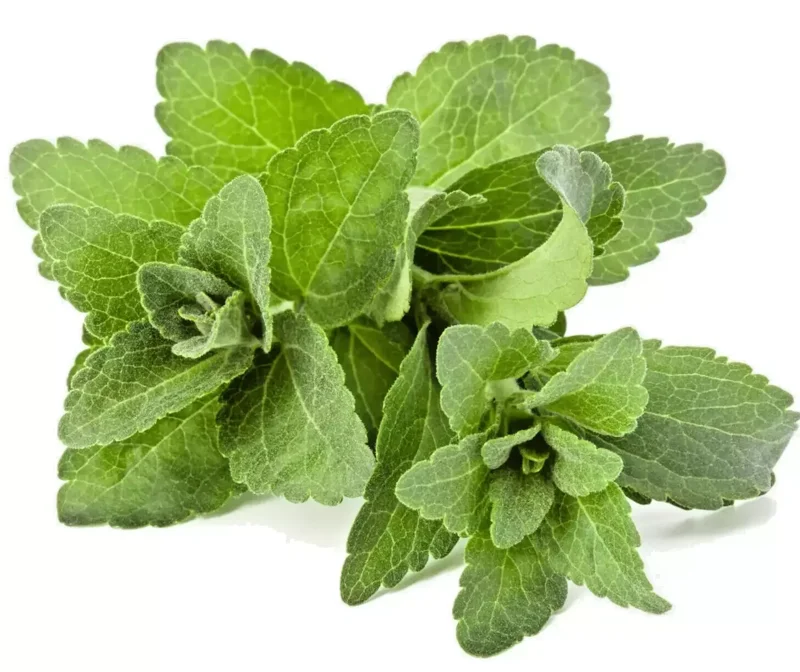


Stevia rebaudiana Seeds – Organic Natural Sweetener Sugar Substitute – 50 Seeds
Cultivate your own organic sugar substitute with these premium stevia rebaudiana seeds. Each pack contains 50 seeds, perfect for starting your home garden of this popular natural sweetener seeds. Enjoy the sweet leaves fresh or dried for a healthy alternative to sugar.
Original price was: $22.76.$11.38Current price is: $11.38.

With our Alive & Thrive Guarantee, we’ve got your back for the first 30 days! If you have any concerns about your plants, just reach out to us. Our team is here to help answer your questions and guide you in selecting the best plants for your garden, climate, and unique preferences. We're excited to help you create the garden of your dreams!
Estimated arrival
Mar 15
Mar 20 - Mar 22
Mar 25 - Mar 29

Product Details
-
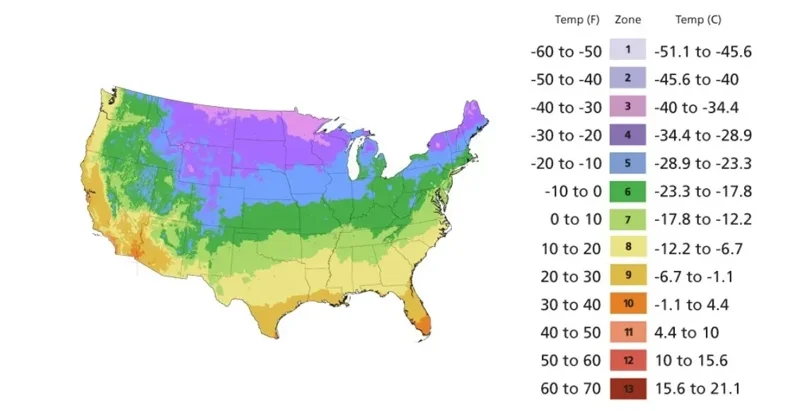
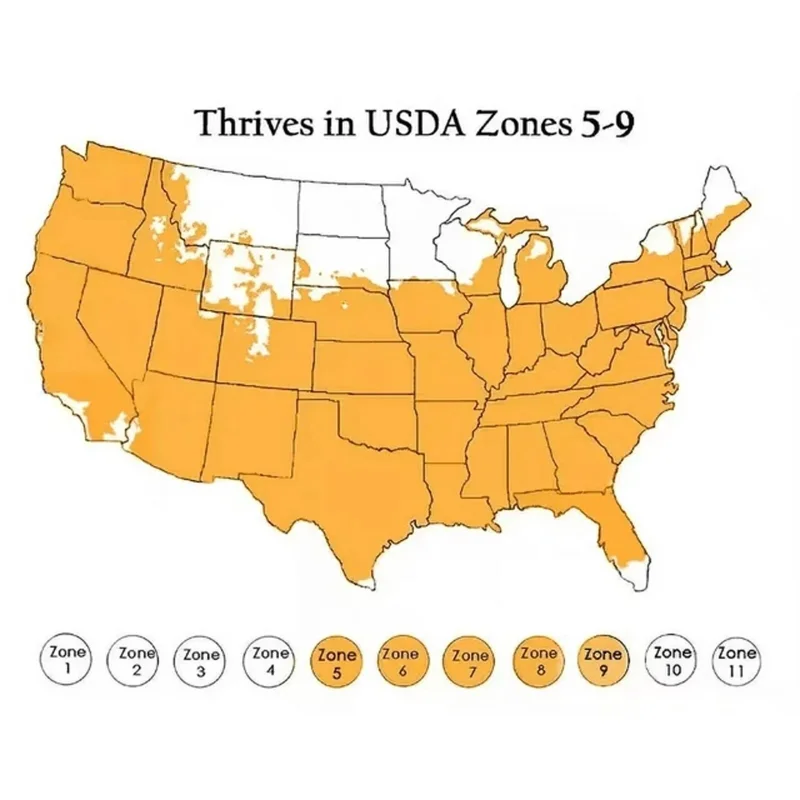
USDA Hardiness Zone
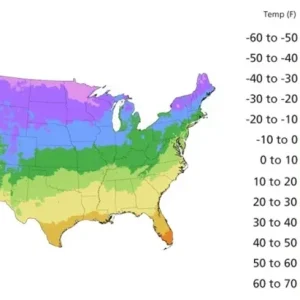
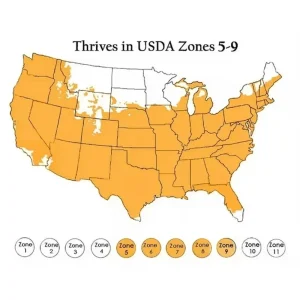
USDA zones 9-11 (as a perennial), otherwise grown as an annual -
Soil type
Well-draining potting mix, rich in organic matter -
Sunlight Exposure
Full sun (6-8 hours direct sunlight daily) -
Expected Planting Period
Year-round indoors; Spring to early summer outdoors after last frost
Overview
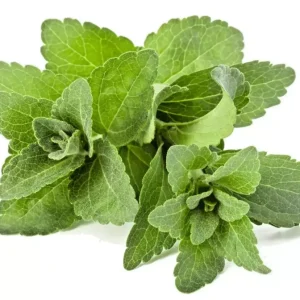
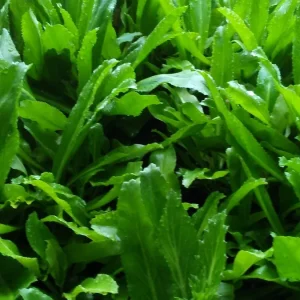
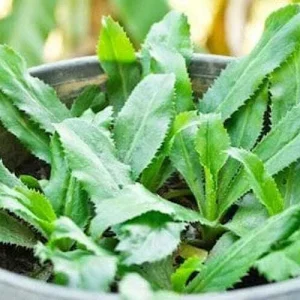
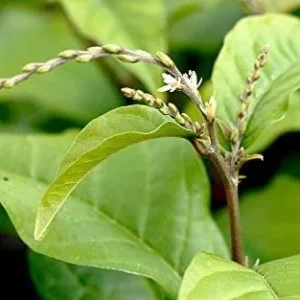
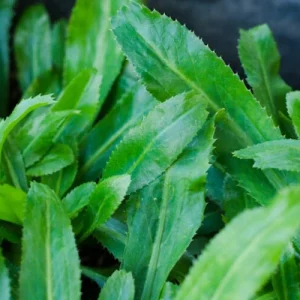
Discover the joy of growing your own natural sugar alternative with our premium stevia rebaudiana seeds. Stevia (Stevia rebaudiana) is a remarkable plant native to South America, renowned for its intensely sweet leaves. This perennial herb has been used for centuries by indigenous populations as a natural sweetener and is gaining popularity worldwide as a healthy sugar substitute. Our collection of 50 high-quality organic stevia seeds allows you to cultivate this beneficial plant right in your own garden or on your windowsill. Imagine harvesting fresh stevia leaves to sweeten your beverages, desserts, and meals, knowing exactly where your sweetener comes from. Growing stevia rebaudiana seeds is a rewarding experience for both novice and experienced gardeners, offering a sustainable and delicious alternative to processed sugars. This plant is not only functional but also possesses attractive foliage, making it a pleasant addition to any herb garden or container arrangement.
Key Benefits
Growing your own stevia offers numerous advantages, from health benefits to gardening satisfaction. These stevia rebaudiana seeds provide a simple way to access a truly natural and organic sweetener.
- Natural Sugar Substitute: Stevia leaves contain steviol glycosides, natural compounds that are many times sweeter than sugar but contain no calories or carbohydrates, making it an ideal stevia sugar substitute for those managing sugar intake or diabetes.
- Organic Cultivation: Our organic stevia seeds ensure you’re growing a pure, chemical-free sweetener, contributing to a healthier lifestyle and sustainable gardening practices.
- Versatile Use: Fresh or dried stevia leaves can be used in teas, coffee, smoothies, baked goods, and various culinary applications. The sweet flavor enhances dishes without adding extra calories.
- Easy to Grow: While requiring some attention to light and watering, stevia plants are generally robust and can thrive in various conditions, making them accessible even for beginner gardeners who want to grow stevia at home.
- Cost-Effective: Once established, a few stevia plants can provide a continuous supply of sweetener, significantly reducing reliance on store-bought options and saving money over time.
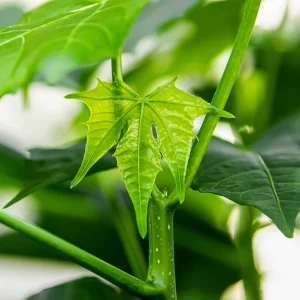
- Attractive Herb: Beyond its practical uses, the stevia plant is an attractive, leafy green herb that can enhance the aesthetics of your garden space, whether in pots or in the ground.
- Health-Conscious Choice: By using this natural sweetener seeds, you are actively choosing a healthier alternative to artificial sweeteners and refined sugars, supporting overall well-being.
Plant Care & Growing Tips
Cultivating stevia rebaudiana seeds into thriving plants requires understanding their basic needs, similar to many herbs. Stevia plants prefer a good amount of sunlight. Aim for at least 6-8 hours of direct sunlight per day if growing outdoors. If cultivating indoors, a south-facing window or supplemental grow lights will be beneficial to ensure robust growth and optimal sweetness in the leaves. Adequate light is crucial for the plant’s health and flavor production. The ideal temperature range for stevia is between 60-75°F (15-24°C). It is sensitive to frost, so in cooler climates, it’s best treated as an annual or brought indoors during winter. The USDA hardiness zones for perennial growth are typically 9-11.
Watering should be consistent; keep the soil moist but not waterlogged. Allow the top inch of soil to dry out slightly between waterings. Overwatering can lead to root rot, while underwatering will cause the leaves to wilt. Good drainage is essential. For soil, a well-draining potting mix rich in organic matter is ideal. A slightly acidic to neutral pH (6.0-7.0) is preferred. You can amend your garden soil with compost to improve its texture and fertility. Fertilize your stevia plants sparingly, perhaps once a month during the growing season with a balanced, all-purpose liquid fertilizer, or a slow-release organic option. Avoid over-fertilizing, as this can reduce the sweetness of the leaves. Periodically pinching back the growing tips will encourage bushier growth and more leaf production, which is exactly what you want when growing this natural sweetener seeds. Watch out for common pests like aphids or whiteflies; organic insecticidal soap can be used to manage these if they appear. Starting your organic stevia seeds indoors 6-8 weeks before the last frost is recommended for a head start on the growing season.
Size & Details
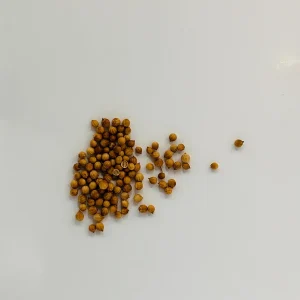
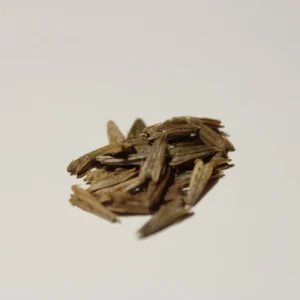
This offering includes a packet of 50 Stevia rebaudiana seeds, providing ample opportunity to establish several healthy plants. When mature, stevia plants typically grow to a height of 18-30 inches (45-75 cm) and can spread about 12-24 inches (30-60 cm) wide, forming a bushy, herbaceous perennial. The growth rate is moderate, and with proper care, you can expect to begin harvesting leaves within 3-4 months of planting. These seeds are intended for cultivation into plants, not for direct consumption as seeds. The resulting plants will produce the sweet leaves used as a stevia sugar substitute. Each seed has the potential to become a productive plant, yielding a continuous supply of sweet leaves throughout its growing season. The plant’s compact size makes it suitable for container gardening, raised beds, or in-ground planting in appropriate climates. You can expect a good germination rate from these high-quality seeds.
Frequently Asked Questions
- Q: How big does a stevia plant get from these seeds? A: A mature stevia plant typically reaches a height of 18-30 inches and can spread 12-24 inches wide, depending on growing conditions and pruning.
- Q: Is this an indoor or outdoor plant? A: Stevia can be grown both indoors and outdoors. It thrives outdoors in warm climates (USDA Zones 9-11) as a perennial, or as an annual in cooler regions. Indoors, it needs plenty of light.
- Q: How much sunlight do stevia rebaudiana seeds need to grow into healthy plants? A: Stevia plants require at least 6-8 hours of direct sunlight per day. If growing indoors, place them in a bright, south-facing window or under grow lights.
- Q: Is this plant easy to care for for a beginner? A: Yes, stevia is relatively easy to care for. Consistent watering, good drainage, and ample sunlight are the main requirements for successfully growing organic stevia seeds.
- Q: What condition will the seeds arrive in? A: Your 50 Stevia rebaudiana seeds will arrive securely packaged to ensure their viability and protection during transit, ready for planting.
- Q: When is the best time to plant these natural sweetener seeds? A: For best results, start your stevia seeds indoors 6-8 weeks before the last expected frost date in your area. Transplant outdoors after all danger of frost has passed.
- Q: Will stevia plants grown from these seeds survive winter in my zone? A: Stevia is perennial in USDA Zones 9-11. In colder zones, it will need to be brought indoors for winter or treated as an annual.
- Q: Can I use the leaves from plants grown from these stevia rebaudiana seeds as a stevia sugar substitute? A: Absolutely! The leaves are the primary part used for sweetening. You can use them fresh, dried, or steeped to extract their natural sweetness.
- Q: Are these truly organic stevia seeds? A: Yes, these are high-quality organic stevia seeds, allowing you to grow a pure and natural sweetener without concerns about chemical treatments.
- Q: How long until I can harvest leaves after planting these seeds? A: You can typically begin harvesting stevia leaves within 3-4 months of planting, once the plants are established and growing vigorously.
Related products
-50%
Original price was: $32.00.$16.00Current price is: $16.00.


PLANTING & CARE

The Comprehensive Guide to Growing Bay Leaf Plants for a Flavorful Garden
Imagine stepping into your garden, greeted by the earthy aroma of fresh bay leaves, their
09
Feb
Feb

How to Make Comfrey Tea: The Ultimate Organic Plant Food
Growing an organic garden can be surprisingly expensive, especially when most store-bought fertilizers come in
02
Feb
Feb

True Comfrey: 7 Essential Tips Before You Plant This Herb
A staple in permaculture practices across the US, True Comfrey easily earns its reputation as
27
Jan
Jan

7 Heart-Shaped Plants for a Lasting Valentine’s Gift
If you’ve ever bought a bouquet of roses for Valentine’s Day, you know they are
26
Jan
Jan

Best Types of Ivy Plant for Houses: How to Choose the Perfect Ones for Your Home
Are you a garden lover looking to introduce some greenery into your home? Maybe you’ve
14
Nov
Nov

When to Harvest Garlic (Especially Fall-Planted Garlic)
TIMING IS EVERYTHING, they say – and for garlic, that truth hits with surprising accuracy.
13
Nov
Nov

11 of the Best Sweet Potato Varieties to Grow for Your Garden
If you’ve ever tried growing sweet potatoes, you know that picking the right variety can
12
Nov
Nov
Pruning Bougainvillea for Winter
Bougainvillea vines are known for their dazzling display of magenta, orange, and fuchsia bracts that
05
Nov
Nov