Strawberries and Cream Zinnia Seeds – 100 Count, Bi-Color Blooms
-63%
Strawberries and Cream Zinnia Seeds – 100 Count, Bi-Color Blooms
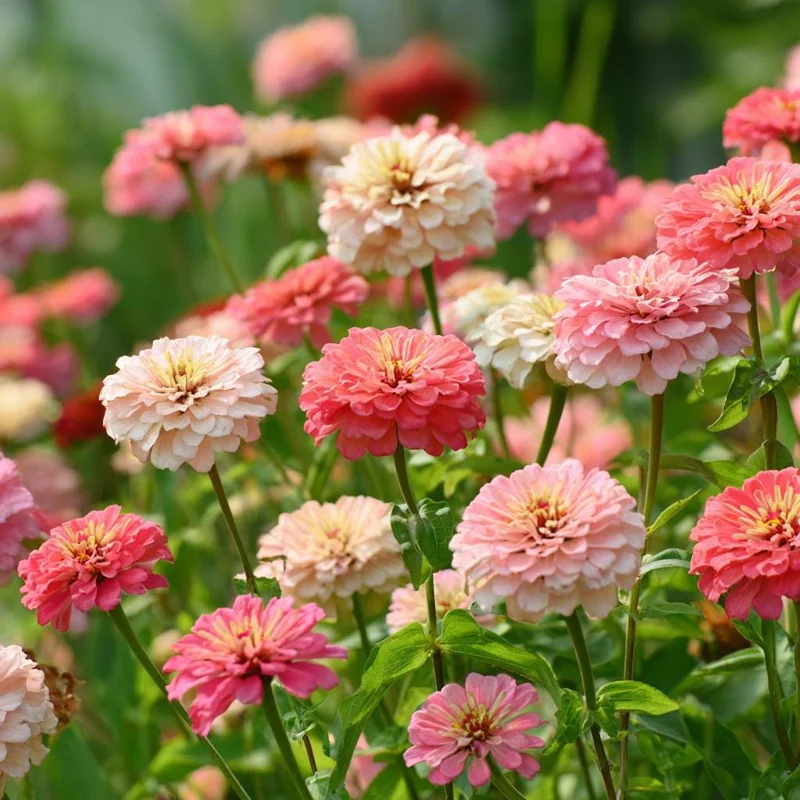
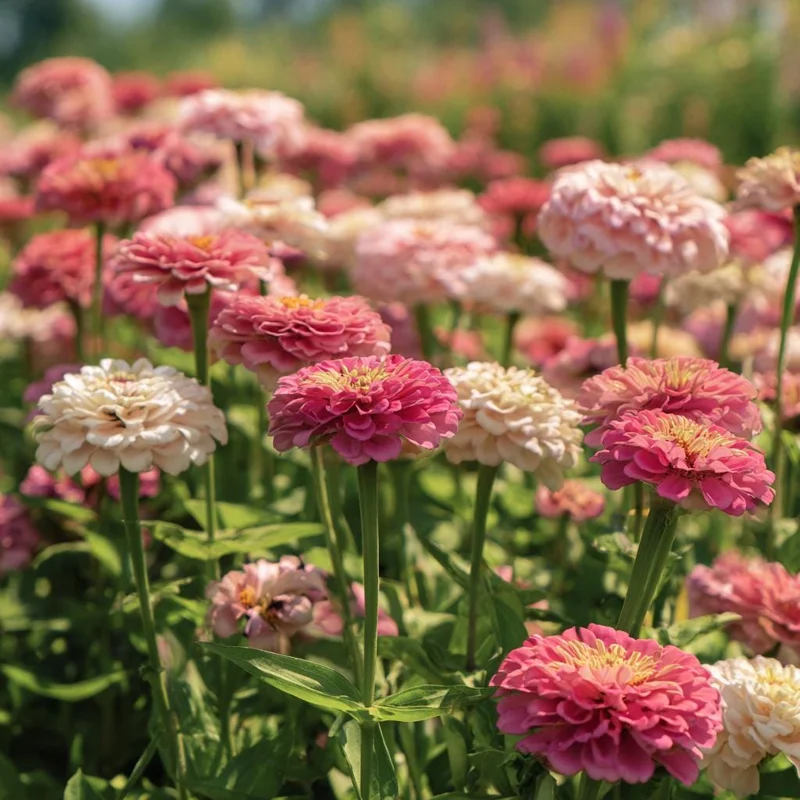
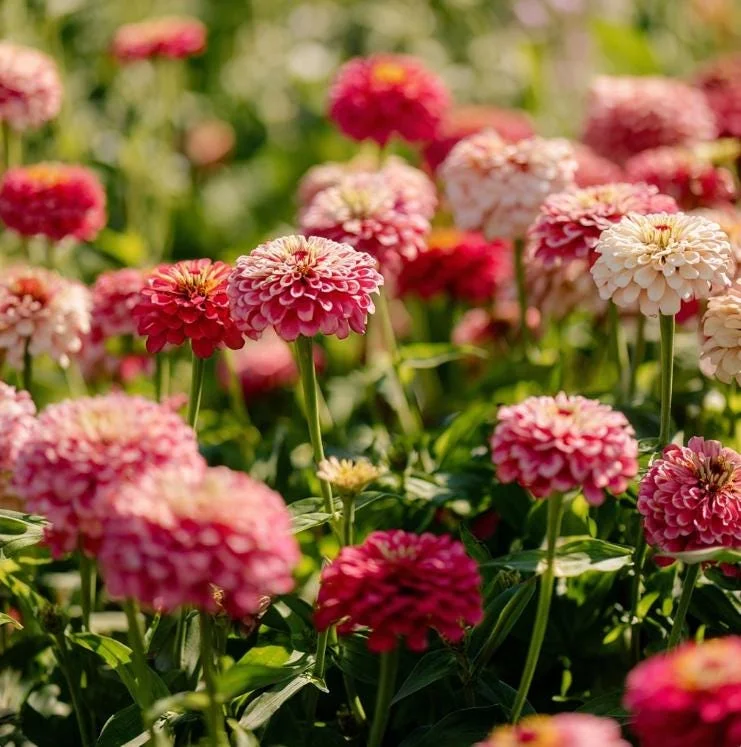
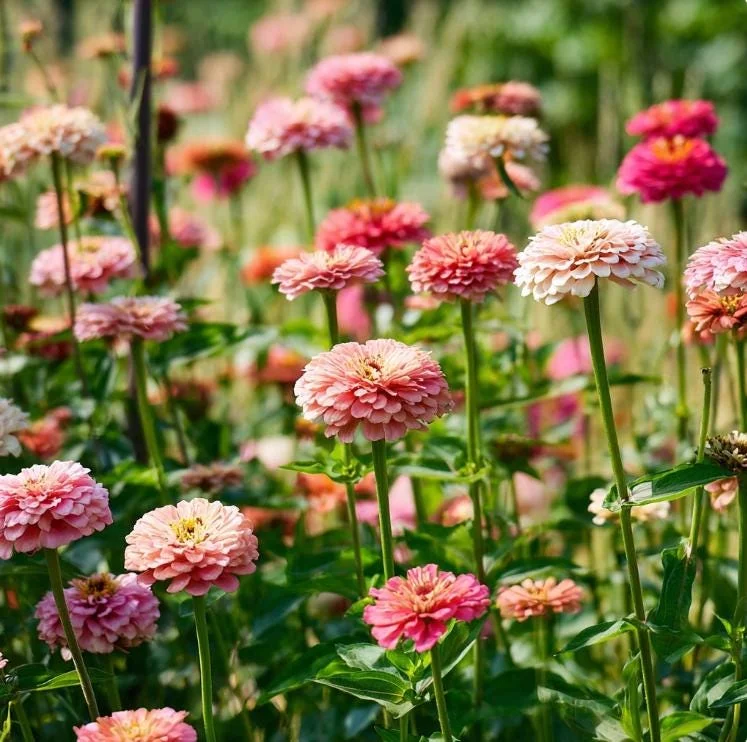
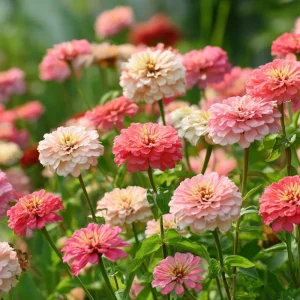
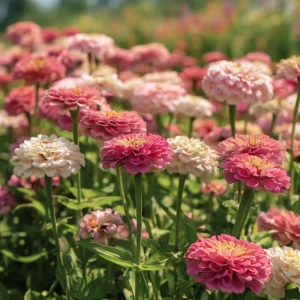
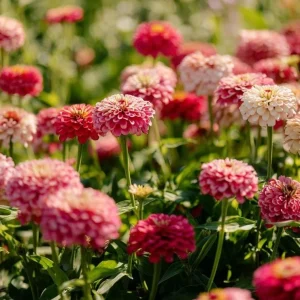
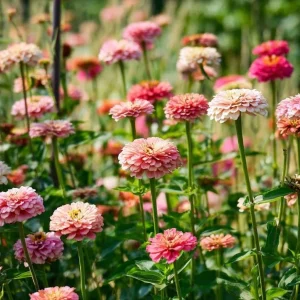
Cultivate vibrant bi-color blooms with our strawberries and cream zinnia seeds. These easy-grow annual flowers are perfect for garden beds, borders, and containers, attracting pollinators with their stunning cream and strawberry-pink hues. Ideal for gardeners looking for growing zinnia seeds that produce profuse, cheerful flowers throughout summer.
Original price was: $31.99.$11.99Current price is: $11.99.

With our Alive & Thrive Guarantee, we’ve got your back for the first 30 days! If you have any concerns about your plants, just reach out to us. Our team is here to help answer your questions and guide you in selecting the best plants for your garden, climate, and unique preferences. We're excited to help you create the garden of your dreams!
Estimated arrival
Apr 12
Apr 17 - Apr 19
Apr 22 - Apr 26



Product Details
-
USDA Hardiness Zone
USDA zones 2-11 (as annuals) -
Soil type
Well-draining, fertile soil -
Sunlight Exposure
Full sun -
Expected Planting Period
Spring after last frost
Overview
Introduce a burst of cheerful color to your garden with our premium strawberries and cream zinnia seeds. This delightful mix, scientifically known as Zinnia elegans, is celebrated for its captivating bi-color blooms that gracefully transition from soft cream to vibrant strawberry pink. Each pack contains 100 high-quality seeds, ensuring a bountiful display of these charming annuals. Perfect for both novice and experienced gardeners, these zinnias promise a spectacular show throughout the summer months, transforming any outdoor space into a pollinator’s paradise. Their robust nature and stunning visual appeal make them a must-have for creating dynamic and lively garden designs.
Our strawberries and cream zinnia seeds are carefully selected to provide you with healthy, vigorous plants. These compact, bushy zinnias are not only beautiful but also incredibly easy to maintain, thriving in warm climates. They are an excellent choice for attracting beneficial insects like butterflies and bees, contributing to a healthy garden ecosystem. Whether you’re planning a vibrant flower bed, a charming border, or eye-catching container arrangements, this zinnia mix offers unparalleled beauty and simplicity, making growing zinnia seeds a truly rewarding experience.
Key Benefits
Discover the numerous advantages of adding these exquisite zinnias to your garden from our strawberries and cream zinnia seeds:
- Stunning Bi-Color Blooms: Enjoy the unique beauty of flowers that feature a gorgeous blend of cream and strawberry pink, providing a striking visual contrast that enhances any garden aesthetic. These distinctive hues make them a standout in floral arrangements.
- Attracts Pollinators: These zinnias are a magnet for butterflies, bees, and other beneficial pollinators, contributing to the biodiversity and health of your garden ecosystem. They are an excellent choice for supporting local wildlife.
- Easy to Grow and Low Maintenance: Ideal for gardeners of all skill levels, these easy-grow annual flowers require minimal attention once established. They are tolerant of various conditions and resilient against common garden challenges, simplifying your gardening tasks.
- Profuse and Long-Lasting Blooms: Expect a continuous display of flowers from early summer until the first frost. Regular deadheading encourages even more blooms, ensuring a vibrant garden for months on end.
- Versatile Garden Use: Perfect for a wide range of applications, including garden beds, borders, cutting gardens, and container planting. Their compact size makes them suitable for smaller spaces as well as larger landscapes.
- Drought Tolerant: Once established, these zinnias exhibit good drought tolerance, making them a sustainable choice for water-wise gardening. This resilience ensures they remain beautiful even during drier periods.
- Excellent Cut Flowers: The strong stems and long-lasting blooms make them superb for fresh cut flower arrangements, bringing the beauty of your garden indoors. Their vibrant colors hold well in vases.
Plant Care & Growing Tips
Successfully cultivating your strawberries and cream zinnia seeds requires attention to a few key growing conditions. Zinnias thrive in full sun, meaning they need at least 6-8 hours of direct sunlight per day to produce the most abundant blooms. Choose a location in your garden that receives ample sunlight throughout the day. The soil should be well-drained and fertile; amending heavy clay soils with organic matter like compost can improve drainage and nutrient content. A slightly acidic to neutral pH (6.0-7.0) is ideal for optimal growth.
For best results, sow your zinnia elegans seeds directly outdoors after the danger of the last frost has passed, when soil temperatures consistently reach 65-75°F (18-24°C). Plant seeds about 1/4 inch deep and 4-6 inches apart. Once seedlings emerge and have a few true leaves, thin them to 12-18 inches apart to ensure proper air circulation and prevent overcrowding, which can lead to fungal diseases. Alternatively, you can start seeds indoors 4-6 weeks before the last frost. Keep the soil consistently moist until germination, which typically occurs within 7-10 days. Once established, water regularly during dry periods, but avoid overwatering, as zinnias prefer slightly drier conditions between waterings. Deadhead spent flowers frequently to encourage continuous blooming and prevent the plant from going to seed prematurely. These easy-grow annual flowers are generally hardy and disease-resistant, but watch out for powdery mildew in humid conditions; ensuring good air circulation is key to prevention. Fertilize sparingly with a balanced liquid fertilizer every 4-6 weeks during the blooming season.
Size & Details
Each packet contains 100 strawberries and cream zinnia seeds, providing ample opportunity to create a stunning floral display. These zinnias typically grow into compact, bushy plants reaching an average height of 24-36 inches (60-90 cm) and a spread of 12-18 inches (30-45 cm). The growth rate is relatively fast, with plants usually beginning to bloom approximately 60-70 days after planting. When you are growing zinnia seeds, you can expect the flowers to be medium-sized, often 2-3 inches in diameter, making them perfect for both garden viewing and cutting. The seeds are shipped in a protective packet to ensure their viability upon arrival. This variety is known for its strong stems, making the bi-color blooms excellent for long-lasting cut flower arrangements. These annuals complete their life cycle in one growing season, providing a fresh start for your garden each spring.
Frequently Asked Questions
- Q: How big do these Zinnia plants get? A: Our strawberries and cream zinnia seeds typically grow into plants that are 24-36 inches (60-90 cm) tall and spread about 12-18 inches (30-45 cm) wide, creating a dense, bushy appearance.
- Q: Is this an indoor or outdoor plant? A: These zinnias are primarily grown as outdoor annuals. While you can start growing zinnia seeds indoors, the mature plants thrive in full sun outdoors in garden beds, borders, or containers.
- Q: How much sunlight do these zinnias need? A: For abundant blooms, these zinnias require full sun, meaning at least 6-8 hours of direct sunlight daily. Choosing a sunny location is crucial for success.
- Q: Are these plants easy to care for? A: Yes, these are considered easy-grow annual flowers. They are known for being low-maintenance and robust, making them an excellent choice for beginner gardeners and those seeking vibrant, fuss-free blooms.
- Q: What condition will the seeds arrive in? A: The zinnia elegans seeds will arrive in a sealed, protective packet to ensure their freshness and viability. They are ready for sowing upon receipt.
- Q: How long until these zinnias bloom after planting? A: You can typically expect these zinnias to start blooming approximately 60-70 days after planting the strawberries and cream zinnia seeds, providing a quick reward for your gardening efforts.
- Q: What is the best time to plant these zinnia seeds? A: The best time to plant is in spring, after all danger of frost has passed and soil temperatures have warmed up. This ensures the best conditions for germination and growth.
- Q: Do these zinnias attract pollinators? A: Absolutely! These beautiful bi-color zinnias are a favorite of butterflies, bees, and other beneficial pollinators, making your garden a haven for local wildlife.
- Q: Can I use these zinnias as cut flowers? A: Yes, the strong stems and long-lasting nature of these blooms make them excellent for cutting. They will add vibrant color to your indoor floral arrangements.
- Q: What type of soil do zinnias prefer? A: Zinnias thrive in well-drained, fertile soil. Amending your garden soil with compost before planting will provide the best growing medium for your easy-grow annual flowers.
Related products
-50%
Original price was: $95.96.$47.98Current price is: $47.98.
-15%
From Original price was: $28.00.$23.80Current price is: $23.80.
-50%
Original price was: $21.56.$10.78Current price is: $10.78.
-50%
Original price was: $23.96.$11.98Current price is: $11.98.
-50%
Original price was: $23.96.$11.98Current price is: $11.98.
-50%
Original price was: $7.98.$3.98Current price is: $3.98.
-50%
Original price was: $23.96.$11.98Current price is: $11.98.
-50%
Original price was: $23.96.$11.98Current price is: $11.98.
PLANTING & CARE

Growing Glencoe Raspberry: A Complete Guide for Gardeners
If you’re looking to add something unique to your garden, look no further than the
31
Mar
Mar

The Comprehensive Guide to Growing Bay Leaf Plants for a Flavorful Garden
Imagine stepping into your garden, greeted by the earthy aroma of fresh bay leaves, their
09
Feb
Feb

How to Make Comfrey Tea: The Ultimate Organic Plant Food
Growing an organic garden can be surprisingly expensive, especially when most store-bought fertilizers come in
02
Feb
Feb

True Comfrey: 7 Essential Tips Before You Plant This Herb
A staple in permaculture practices across the US, True Comfrey easily earns its reputation as
27
Jan
Jan

7 Heart-Shaped Plants for a Lasting Valentine’s Gift
If you’ve ever bought a bouquet of roses for Valentine’s Day, you know they are
26
Jan
Jan

Best Types of Ivy Plant for Houses: How to Choose the Perfect Ones for Your Home
Are you a garden lover looking to introduce some greenery into your home? Maybe you’ve
14
Nov
Nov

When to Harvest Garlic (Especially Fall-Planted Garlic)
TIMING IS EVERYTHING, they say – and for garlic, that truth hits with surprising accuracy.
13
Nov
Nov

11 of the Best Sweet Potato Varieties to Grow for Your Garden
If you’ve ever tried growing sweet potatoes, you know that picking the right variety can
12
Nov
Nov